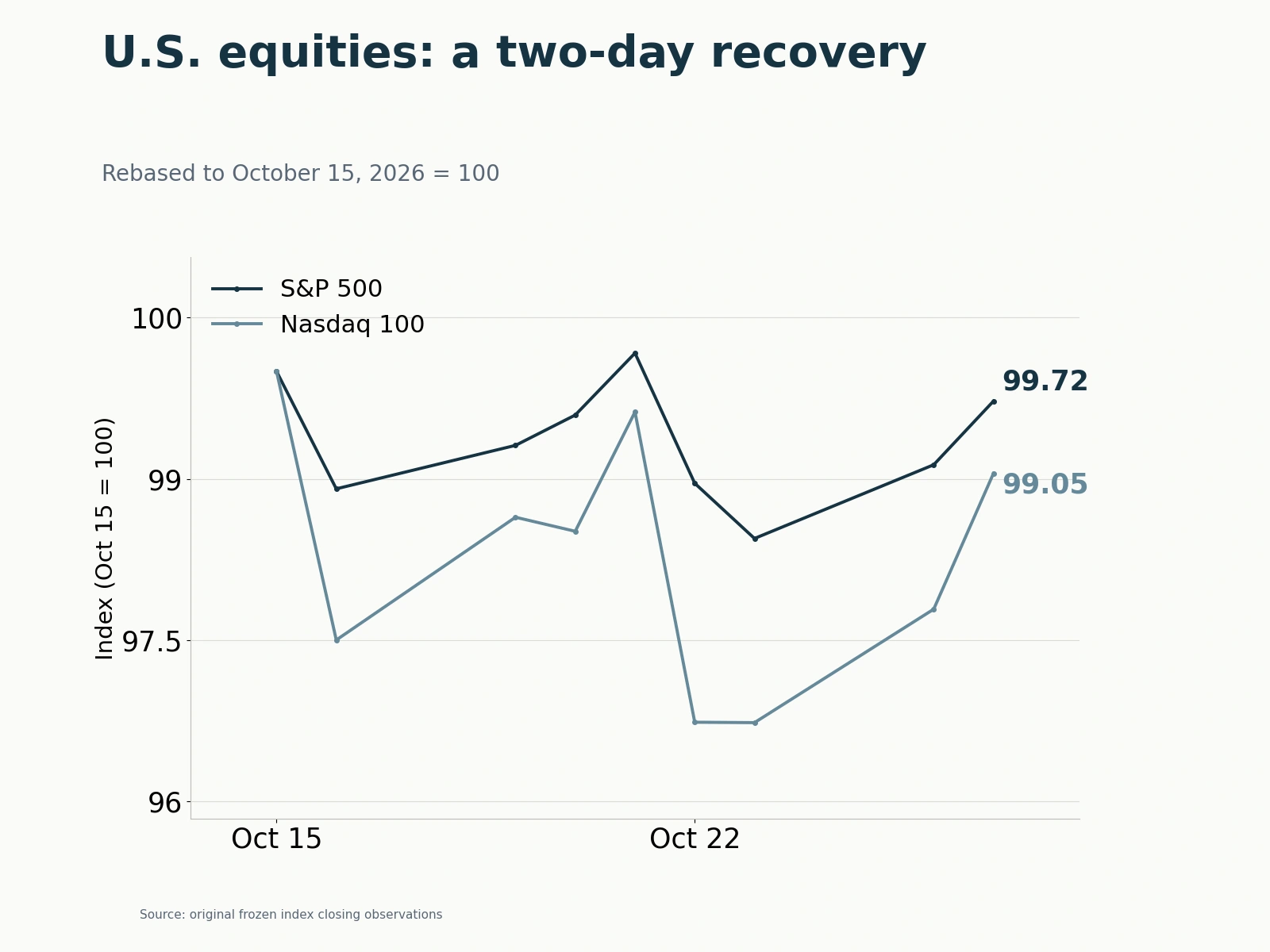
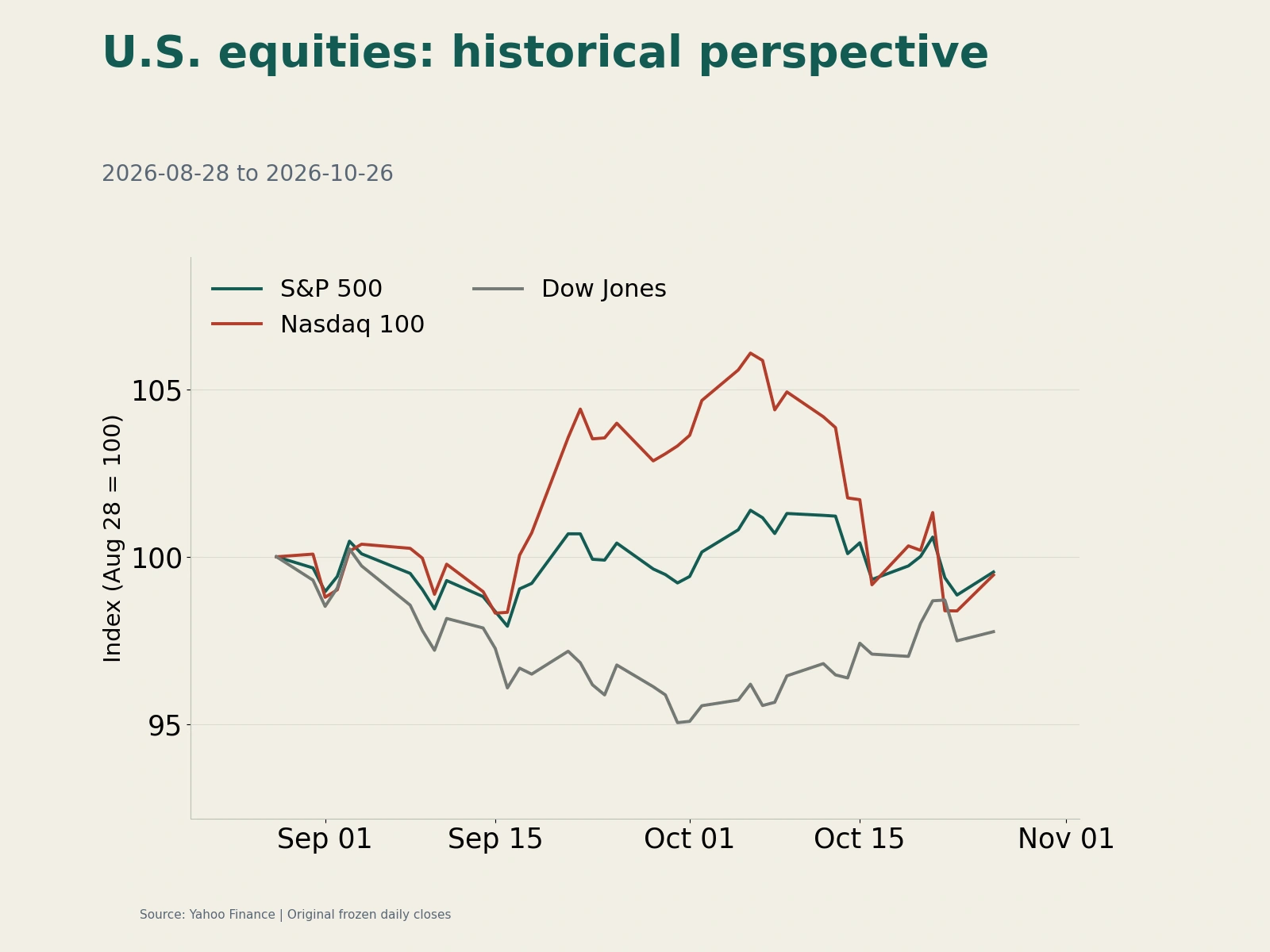
On July 28, 2026, ahead of the Fed decision, markets unwound geopolitical risk on a pause in U.S.-Iran attacks. WTI and Brent settlements fell 4.1% and 4.8%, Treasury yields declined across the curve and earnings supported the Dow. Apparent cross-asset relief concealed sharp rotation: growth technology sold off, Philadelphia Semiconductor fell over 4% and memory plunged. After the equity close, all Iranian missiles aimed at a U.S. base were intercepted and Tehran rejected joint Hormuz management. Electronic oil quickly recovered most losses. Premiums had not cleared; uncertainty focused on the FOMC statement and Warsh press conference early July 30 Beijing time, plus Microsoft and Meta earnings after the close.
Rates: yields decline across maturities, chiefly reversing oil-related inflation compensation
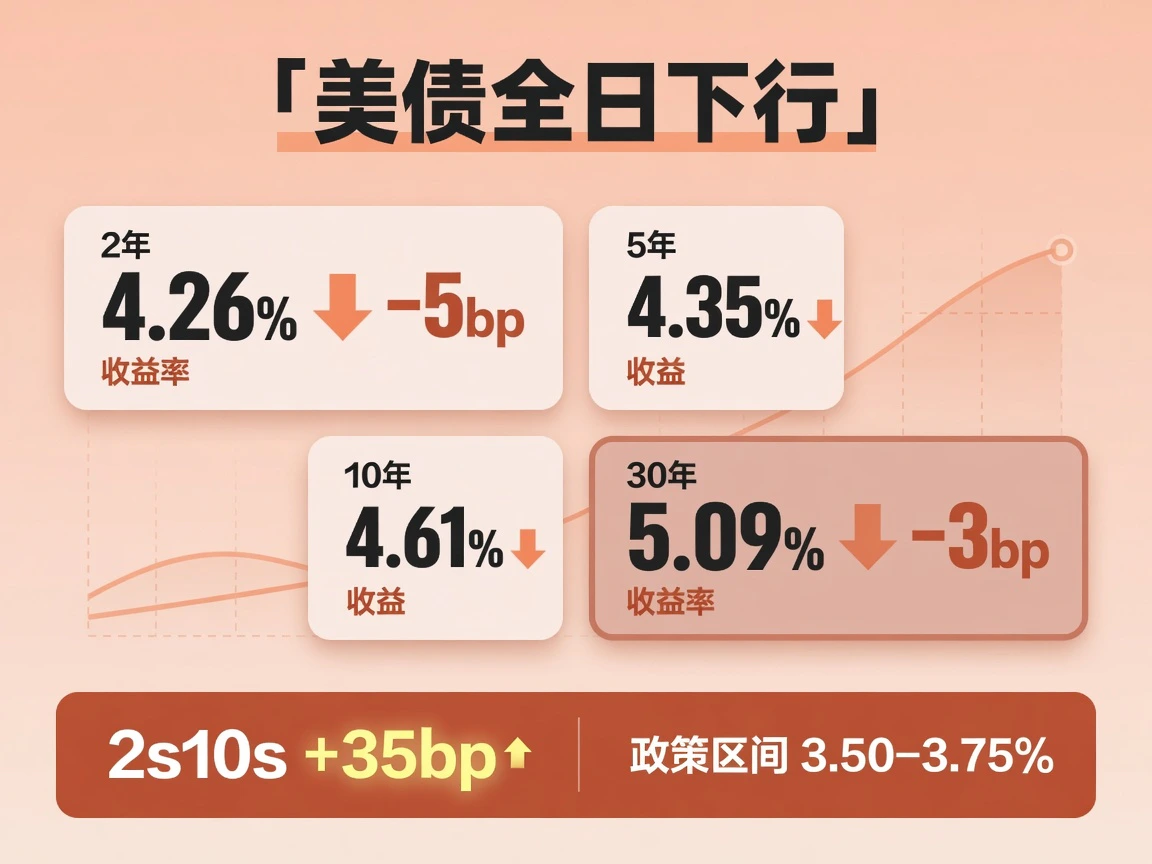
The nominal Treasury curve fell throughout, with short and intermediate maturities outperforming the ultra-long end. Official daily par closes: 2-year 4.26%, down 5 basis points from 4.31%; 10-year 4.61%, down 4 from 4.65%; 5-year 4.35%, down 5; 30-year 5.09%, down 3. The 10-year had fallen from about 4.71% on July 23 and the 2-year from about 4.37%. This was policy-path repricing after reduced hike expectations, not yet a trend breakout.
The curve mildly bull-steepened, with 2s10s up about 1 basis point to +35. Greater front-end declines reflected marginal absorption of current hike odds; long yields followed oil lower, rather than fiscal or supply-driven bear steepening. Ten-year breakevens fell 1 basis point to 2.20%, 5-year 2 to 2.16%, matching oil's direction. The latest precise 10-year real-rate reading remained elevated near 2.44%. The 30-year's time above 5% was among the longest since 2007, so one day's decline had not fundamentally eased real-economy long financing costs.
The policy anchor stayed 3.50%-3.75%, with the 2-year about 51 basis points above its upper bound. Public futures accounts put July hold odds around 60% and a 25-basis-point hike around 30%-40%, a tail reflecting oil shocks and Warsh's inflation credibility rather than noise. The $44 billion 7-year auction cleared at 4.473%, bid-to-cover 2.49, near recent averages, creating no predecision supply shock. High-yield spreads around 281 basis points and investment-grade 81 remained tight with thin protection. Treasuries' gains helped duration returns, but a hawkish postdecision rebound would amplify drawdowns where tight spreads met duration exposure.
Cutoff tracking: around 17:10-17:20 Beijing time on July 29, CNBC live quotes showed 2-year near 4.30% and 10-year 4.62%, slightly above July 28 official closes as oil rebounded after settlement. These were live predecision snapshots, not official daily changes.
Macro: demand weakens at the margin, with a hold still favored
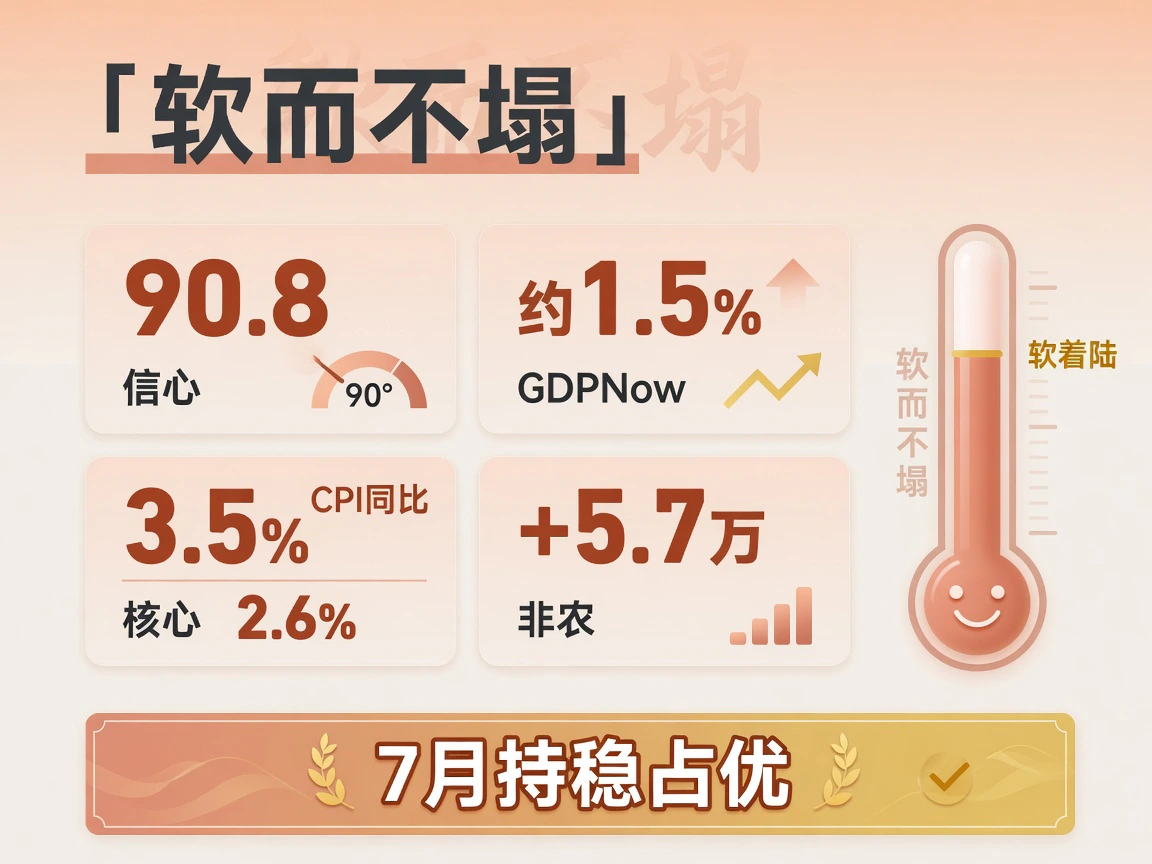
Predecision releases reinforced an economy cooling at the margin but retaining underlying resilience.
Several demand indicators softened: July Conference Board confidence fell to 90.8 from an upward-revised 92.2, versus expectations around 92.3. The main drag was a third decline in present conditions; expectations stayed weak at 74.7. Atlanta GDPNow cut Q2 growth to about 1.5%. June's goods deficit narrowed to $101.5 billion, mainly from weaker imports. Richmond manufacturing was 5, officially broadly unchanged, with paid-price growth still around 6% but easing. These showed cooling, not recession: household assessments of current finances improved marginally, and travel and services intentions did not contract.
Business investment remained resilient. June durable orders rose only 0.3%, below expectations, but core capital orders excluding aircraft gained 0.9% monthly and stayed strong. Computer/electronics orders rose 3.1%, their ninth increase in ten months, with AI spending supporting equipment investment. National data still favored a hold: June CPI -0.4% monthly and +3.5% annually, core almost unchanged monthly and down to 2.6% annually, all below expectations. Payrolls added only 57,000 with more than 70,000 of prior downward revisions; employment weakened without stalling.
Policy signals remained balanced. Flat monthly core inflation strongly supported a July hold, with economists almost unanimous. But headline annual CPI was 3.5%, energy over 15%, and oil could readily raise inflation again. Michigan showed about 60% expecting rates to rise in a year. Warsh's distinction between a one-time relative-price shock and broad inflation requiring rate restraint supported a current hold while leaving room to tighten if core persistence returned. With no dots this meeting, statement wording and reaction-function guidance dominated; White House pressure for lower rates further heightened sensitivity.
Commodities: oil reprices twice in a day; gold trades a pressured range
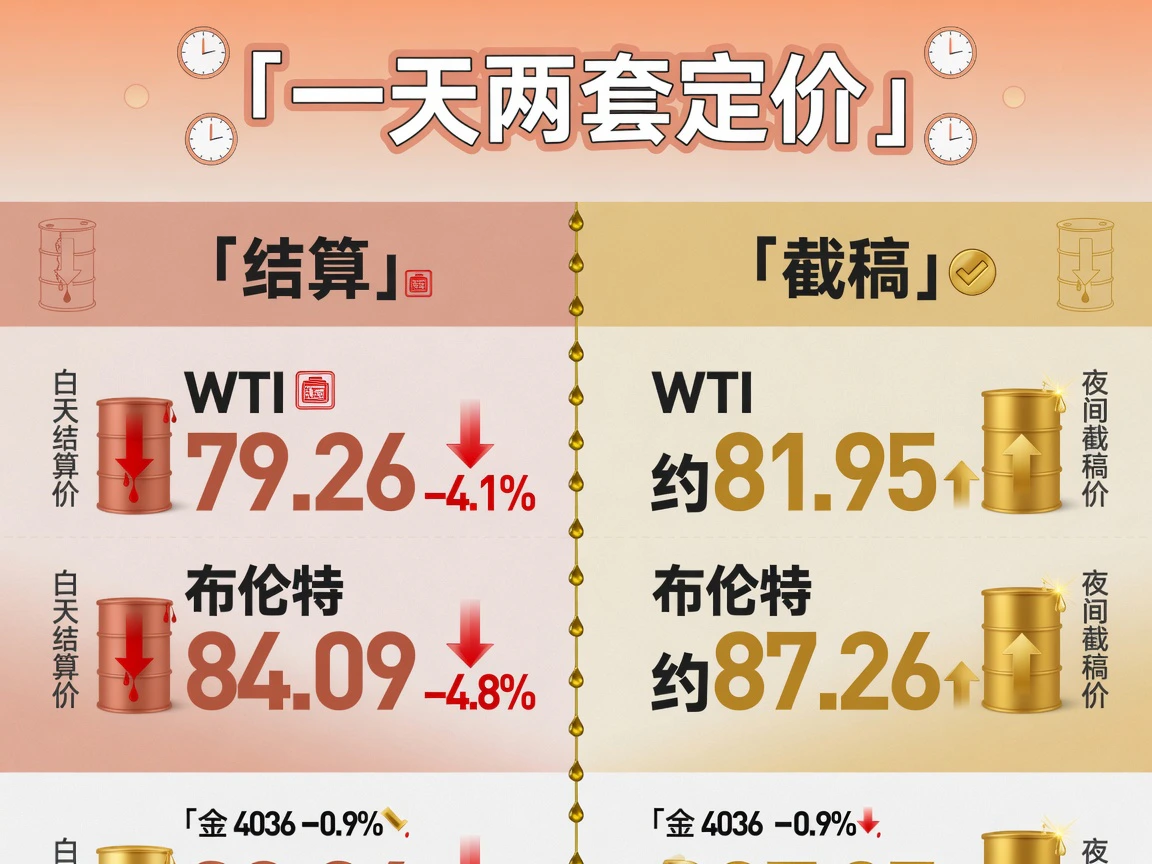
Oil, central to daily cross-asset transmission, showed two distinct pricing stages in normal settlement and subsequent electronic trading.
At settlement, prompt WTI was $79.26/barrel, down 4.1% from $82.61, and Brent $84.09, down 4.8%, both nearly two-week lows. Brent had reversed about 16% in three sessions from July 23's high. Ceasefire expectations drove it: paused attacks and Oman's Gulf-backed Hormuz proposal reduced Brent more than inland WTI, narrowing their spread from about $5.75 to $4.83. The global benchmark first absorbed shipping-premium compression. Physical friction persisted—low traffic and war insurance previously 7.5%-10% of hull value—but markets reduced the probability of sustained effective blockade.
After U.S. stocks closed, conditions reversed. Iranian missiles at a U.S. base were all intercepted, U.S.-Saudi strikes hit armed-group positions in Iraq, and Iran rejected Oman's proposal. Around 17:05-17:11 Beijing time July 29, cutoff quotes put WTI near $81.95 and Brent $87.26, recovering about $3 from Tuesday settlements; the spread widened to about $5.3. Markets increasingly distinguished signaling attacks from actual lost supply: fighting without casualties or facility damage produced only a 3%-4% rebound, much less than real disruption. Pricing remained a second derivative of Hormuz premiums. A neutral WTI center might be near $80; premiums had shifted from panic to friction but not vanished. API reports also conflicted, citing either a draw of 3.3 million barrels or a build of 3.3 million barrels; subsequent official EIA data remained the basis for balance judgments.
Gold followed real rates and the dollar. Prompt COMEX settled at $4,036.3/ounce, about -0.9% from $4,074.5. The dollar near a one-month high and predecision waiting pressured the non-interest-bearing asset; high energy reinforced hawkish expectations through real rates. Gold fell with oil rather than receiving safe-haven buying, confirming that geopolitics was a backdrop to rate and currency pricing. Around 17:10 Beijing, gold rebounded to about $4,096 with oil premiums, still in an event-driven range before policy.
Equities: broad indices stay moderate as memory expectations reprice sharply
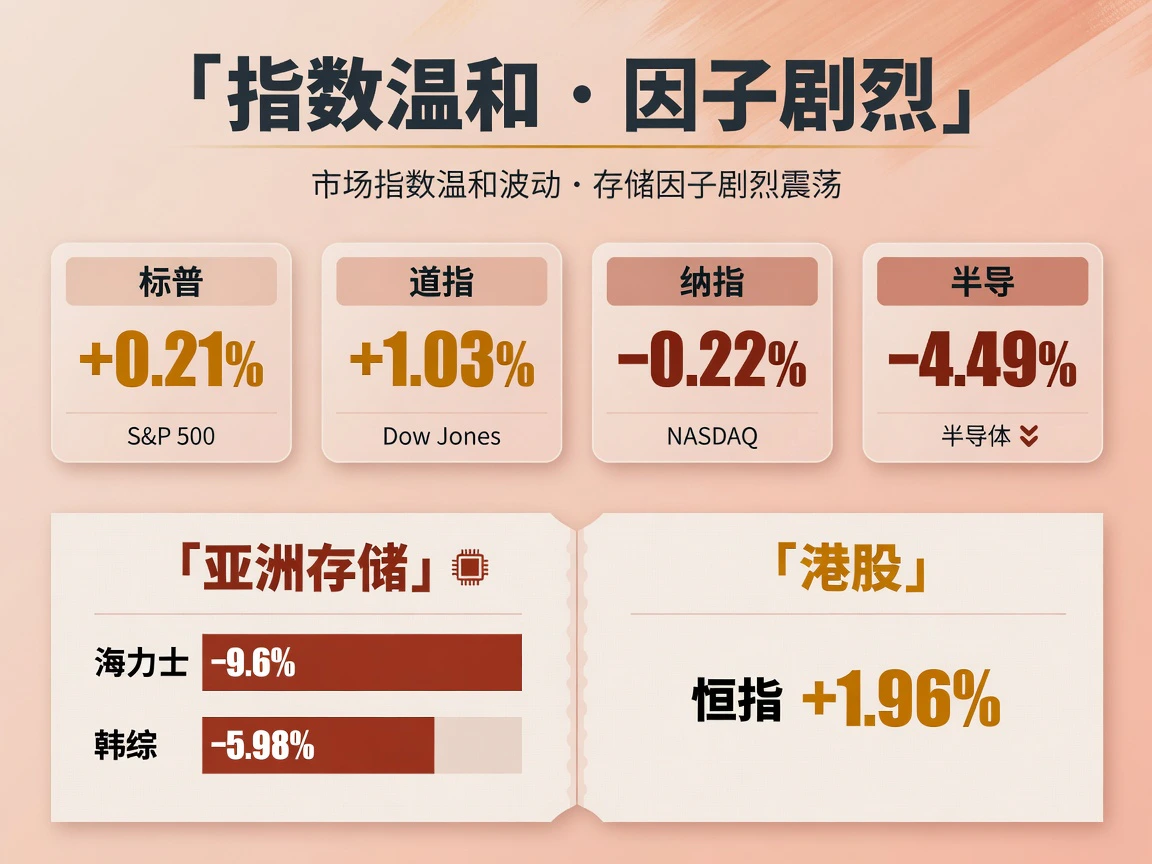
July 28 combined stable broad indices with violent factor divergence. S&P 500 7,428.78, +0.21%; Dow 52,747.32, +1.03%; Nasdaq Composite -0.22%; Philadelphia Semiconductor -4.49%. Advancers outnumbered decliners around 2.5:1 and VIX fell to 18.21. Funds were reallocating risk budgets within equities rather than withdrawing everywhere.
The semiconductor shock originated in Asia. ChangXin Memory listed on STAR, raising about $8.6 billion in Asia's largest semiconductor IPO this year, then surged roughly 466% on debut to about $487 billion market value, above Intel. The issue was not immediate technology parity—its HBM still lagged roughly three to four years—but capacity expansion's possible reshaping of long-term pricing power. Supply growth compressing future margins gained a concrete vehicle, shifting memory valuations from supercycle growth toward cyclical commodities. Micron, Sandisk and Seagate fell 7%-9%, with greater pressure on Japanese and Korean leaders. Traditional earnings supported value: Sherwin-Williams +8%, Coca-Cola +5% to a record with raised guidance, IQVIA +14%, Boeing +4.8%. Apple briefly reached $5 trillion for the first time, its steady low-capex model earning a premium within AI narratives.
After-hours earnings stayed divided. Ford raised annual adjusted EBIT guidance to $10 billion-$11 billion, lifting shares about 7%-8%. Visa beat both measures but slipped on layoffs and a modest outlook adjustment. Seagate's revenue grew 48% and next-quarter guidance strongly exceeded expectations, sending shares briefly up about 9%; management reiterated durable AI demand for high-capacity storage.
July 29 Asia intensified the split. SK Hynix reported record results, revenue around +257% and operating profit +557% annually, with HBM4 entering volume production, yet fell 9.6% as stretched expectations were not met. Kospi briefly plunged 12.6% with a circuit breaker, closing -5.98%, roughly 40% below its peak over two days as leveraged-ETF forced sales amplified losses. Hong Kong, without major memory weights, gained about 1.96%, diverging from Japan and Korea for a second day. Hynix selling versus Seagate's guidance rally suggested demand had not stalled; overextended expectations and crowded leverage were damaged. Divergent memory exposures separated regional beta, making the Hang Seng an inadequate single proxy for Asian risk appetite.
Cutoff snapshot around 17:10 Beijing: S&P futures about 7,481 and Nasdaq futures 27,955, each about 0.1%-0.2% above prior futures settlements. Markets awaited concentrated repricing after FOMC and Microsoft/Meta results.
Geopolitics: the ceasefire discount reverses as premiums become contested again
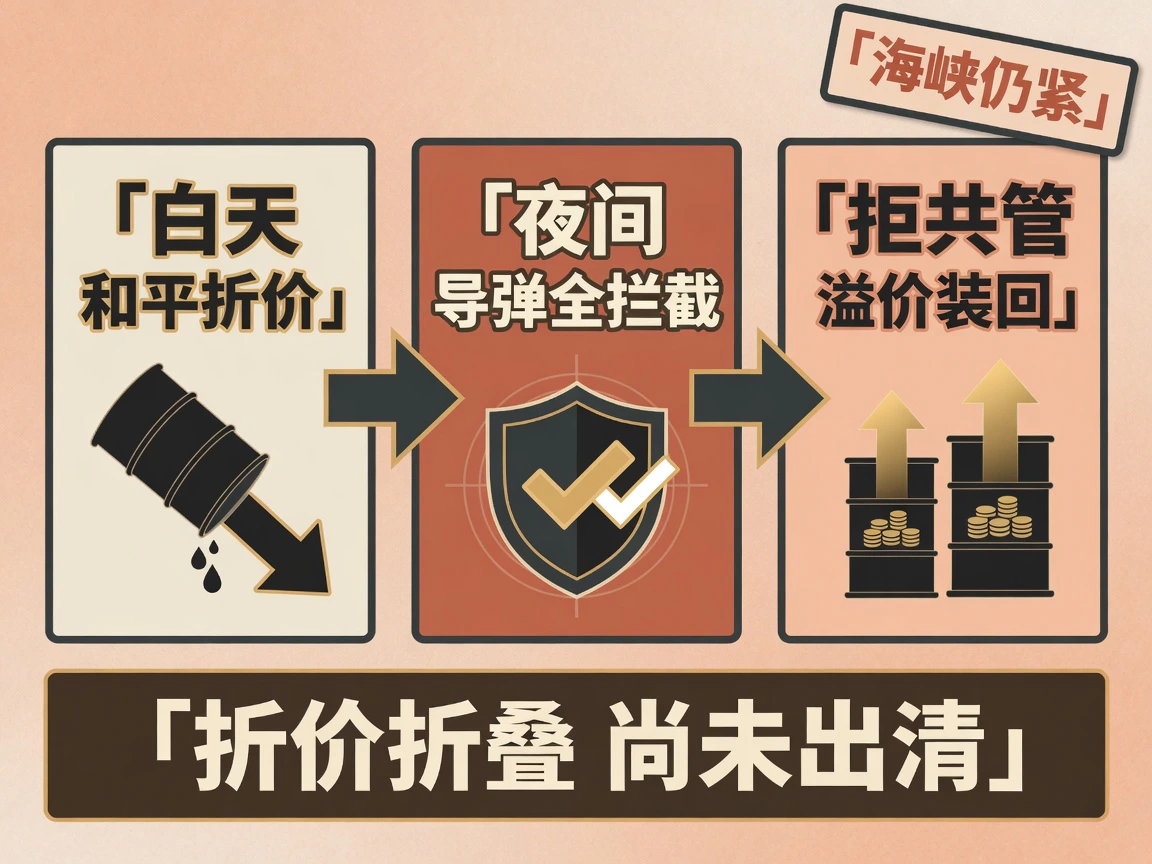
The persistence of risk discounts was central. Markets paid a substantial peace discount during July 28's pause, then reversed most within hours after missiles and rejection of joint Hormuz control. Detailed fighting and 24-hour developments are covered in this issue's separate Iran article.
U.S.-China relations retained competition alongside engagement. China issued an English capacity-position paper July 28, Beijing time, ahead of USTR Section 301 findings to influence multilateral debate. Both sides continued preparations for a September 24 leaders' visit, and China sought public comment on tariff cuts covering about $30 billion of bilateral trade. The Senate advanced Russia/Iran sanctions legislation 86:12, including authority for up to 100% tariffs on goods from the five largest Russian-oil buyers. If enacted, this would conflict directly with the visit, a key six-week intersection risk. It remained early legislation and too soon for firm pricing.
Cross-asset pricing mainly removed energy-inflation premiums, only modestly changing the tightening baseline. Asia's two-day memory shock showed that AI pricing had moved from whether growth continues to whether extremely high expectations can rise further. The next 24-48 hours' tests were FOMC language, Microsoft/Meta capex guidance, official EIA inventories and actual Hormuz traffic. Disappointment in any could rapidly reprice the released peace discount.