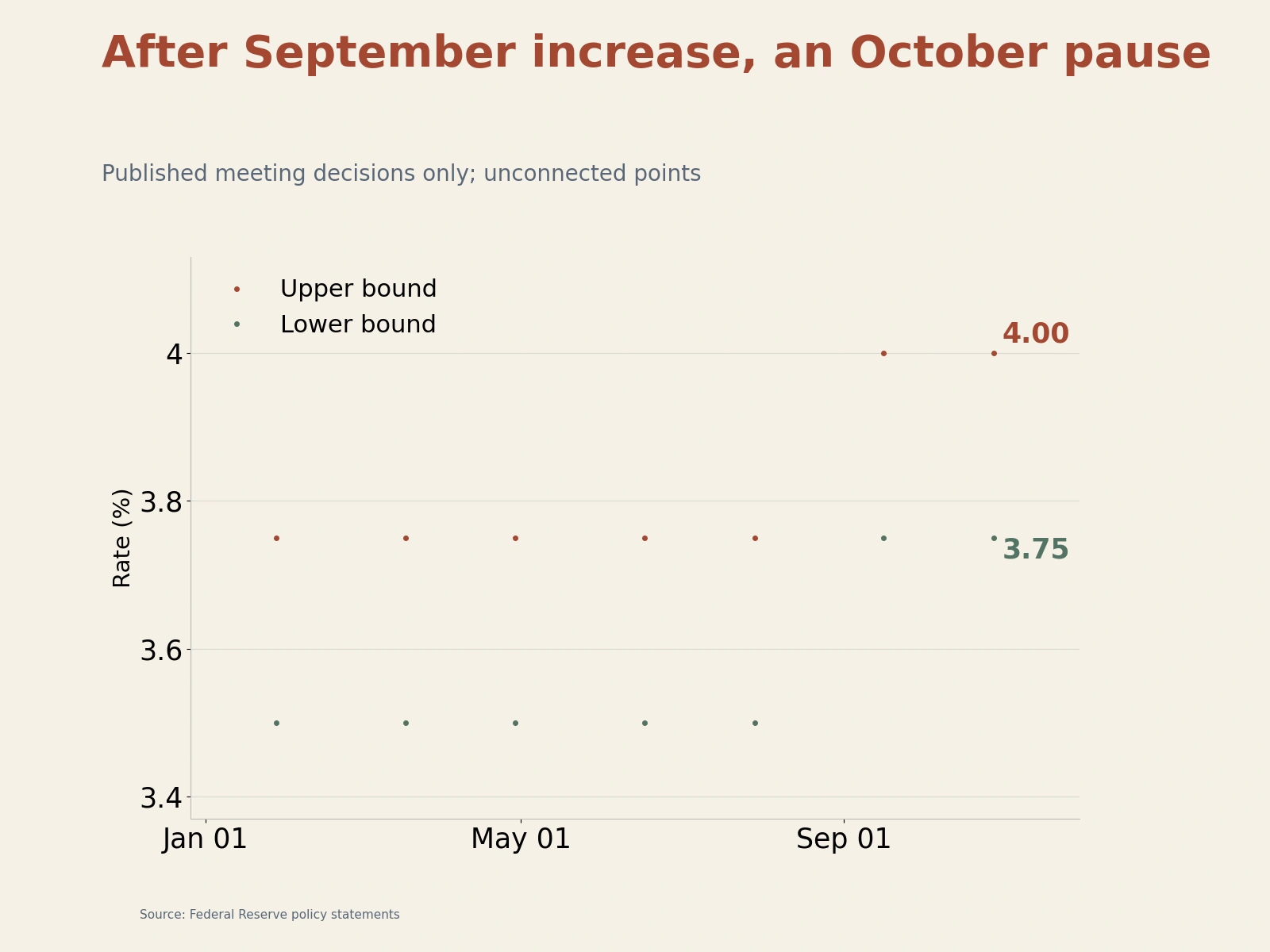
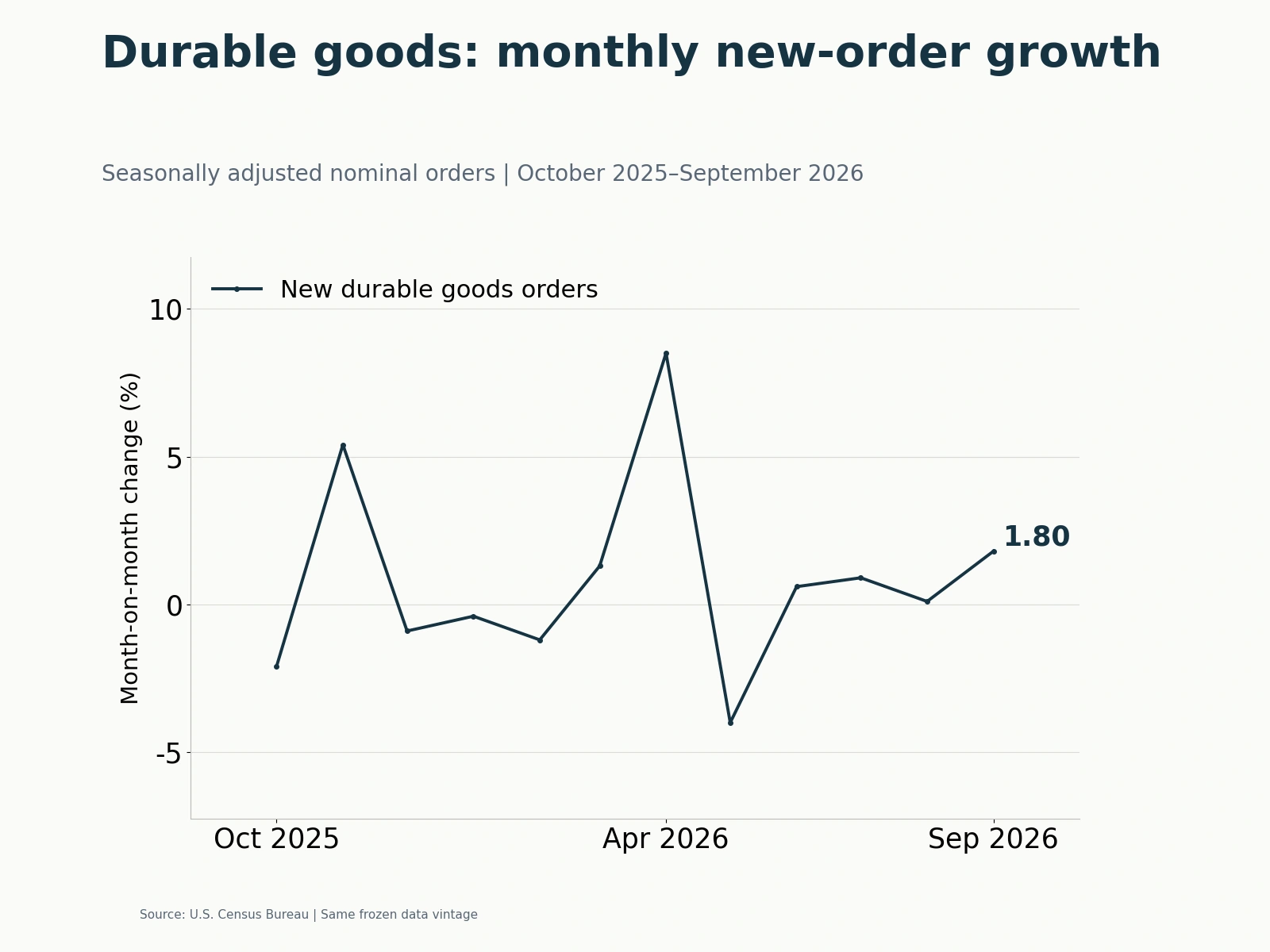
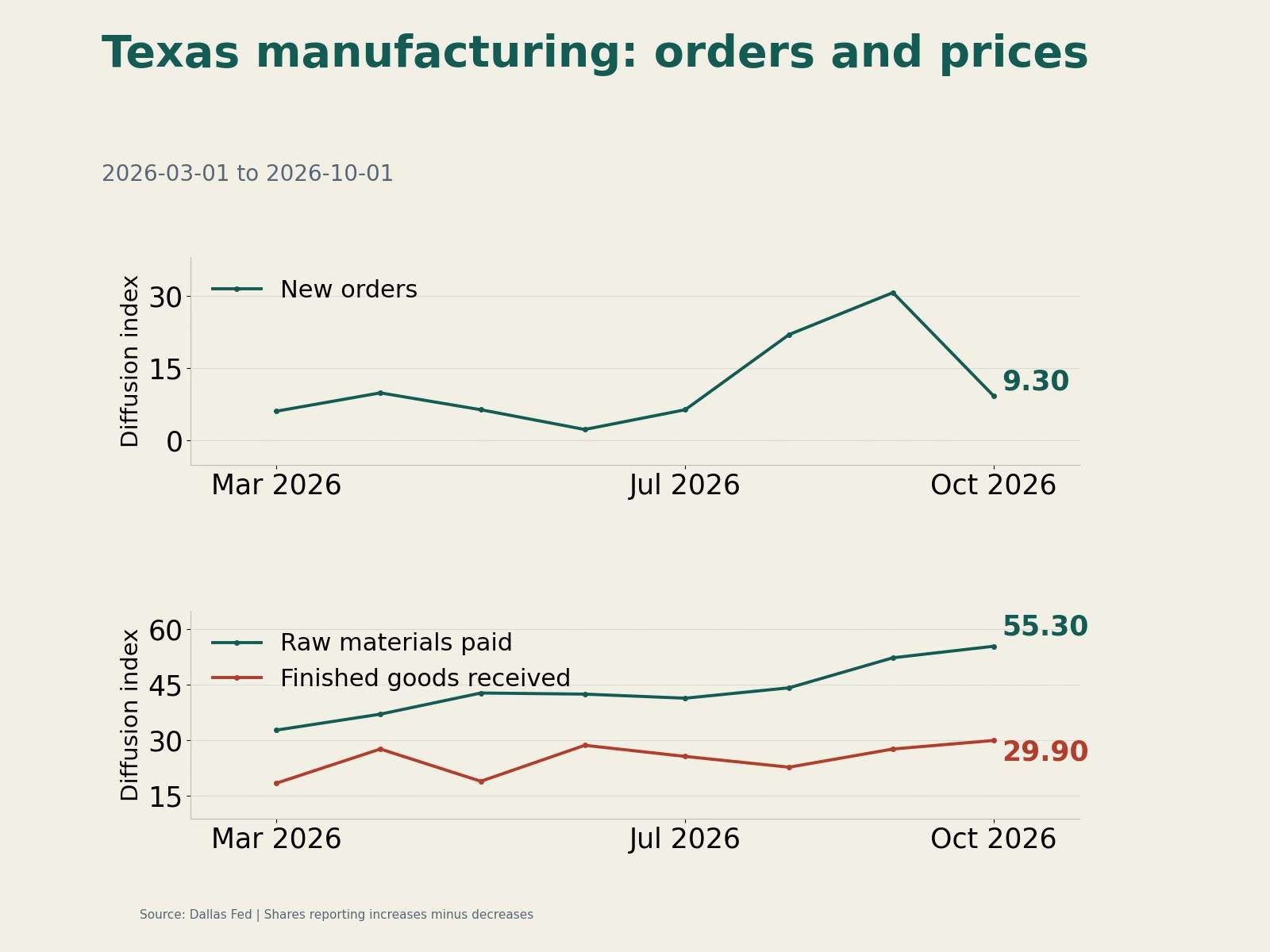
The Fed received substantial new information on August 3. July ISM manufacturing beat expectations to its highest since May 2022; the credit survey showed easing for companies and tightening for households; and New York Fed President Williams reaffirmed baseline medium-term disinflation in a published interview. Despite the generally hawkish information, CME September hike odds slipped from around 66% to 64%.
Data: Manufacturing rebounds broadly; credit eases for companies, tightens for households
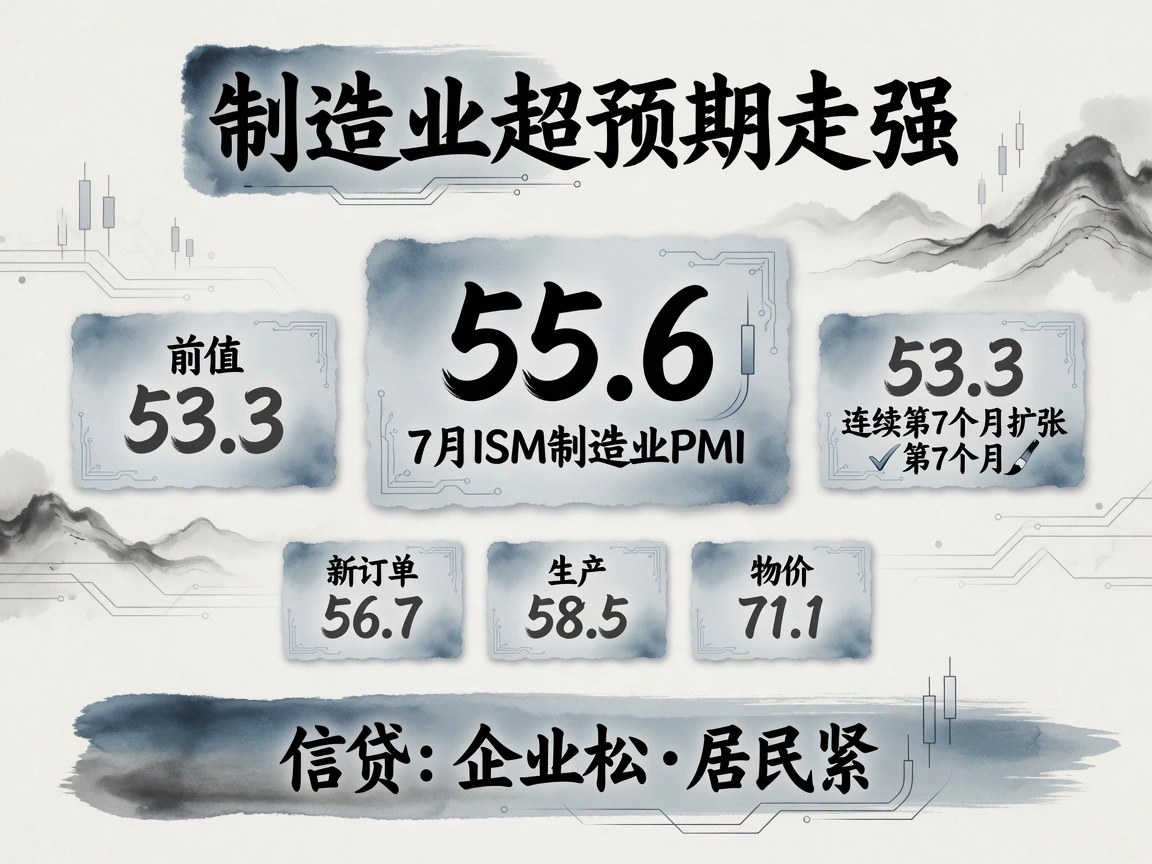
July ISM manufacturing was 55.6, above June 53.3 and consensus near 54.0, a seventh month of expansion and the highest since May 2022. Production rose to 58.5, its fastest expansion since November 2021; new orders reached 56.7; employment 52.8 returned above 50 for the first time in around 33 months. Prices fell for a third month to 71.1 but remained high. Around 60% of respondents' comments were cautious, focused on tariffs, materials and Middle Eastern freight and delivery delays. Stronger manufacturing and employment weakened the case for waiting because of economic softness, while prices added evidence of persistent inflation.
The July Senior Loan Officer Opinion Survey (SLOOS), covering 56 US banks and 18 foreign branches, showed asymmetric liquidity:
- Businesses: C&I standards broadly stabilized and some key terms eased. Spreads narrowed and credit limits increased for large and medium firms, with improving demand. Commercial-real-estate standards also eased moderately.
- Households: High rates kept mortgage demand weak with no easing of standards; credit-card standards tightened slightly and auto-loan demand declined.
Companies able and willing to borrow while households deleveraged showed production and investment could still absorb high rates, confirming through credit transmission that the economy could withstand further restraint.
Official voice: Williams anchors disinflation as the center remains unhurried

Williams' Reuters interview published August 3, conducted in late July, provided an important anchor. He expected underlying disinflation to continue, pressure easing further in the second half, declining in 2027 and reaching 2% in 2028. Policy was appropriately configured for that path. He retained flexibility, calling action entirely appropriate if the economy deviated from the 2% trajectory.
As the first core voter speaking after July's FOMC, Williams carried weight. The committee held 3.50%–3.75% by 9–3, with three regional presidents favoring immediate hikes, an unusual split not seen since September 2016. His moderate stance differed from immediate-action hawks without closing the tightening door, and aligned with Chair Warsh's pragmatic approach since taking office in May: wait for July and August data.
Expectations: Why stronger data did not raise hike pricing
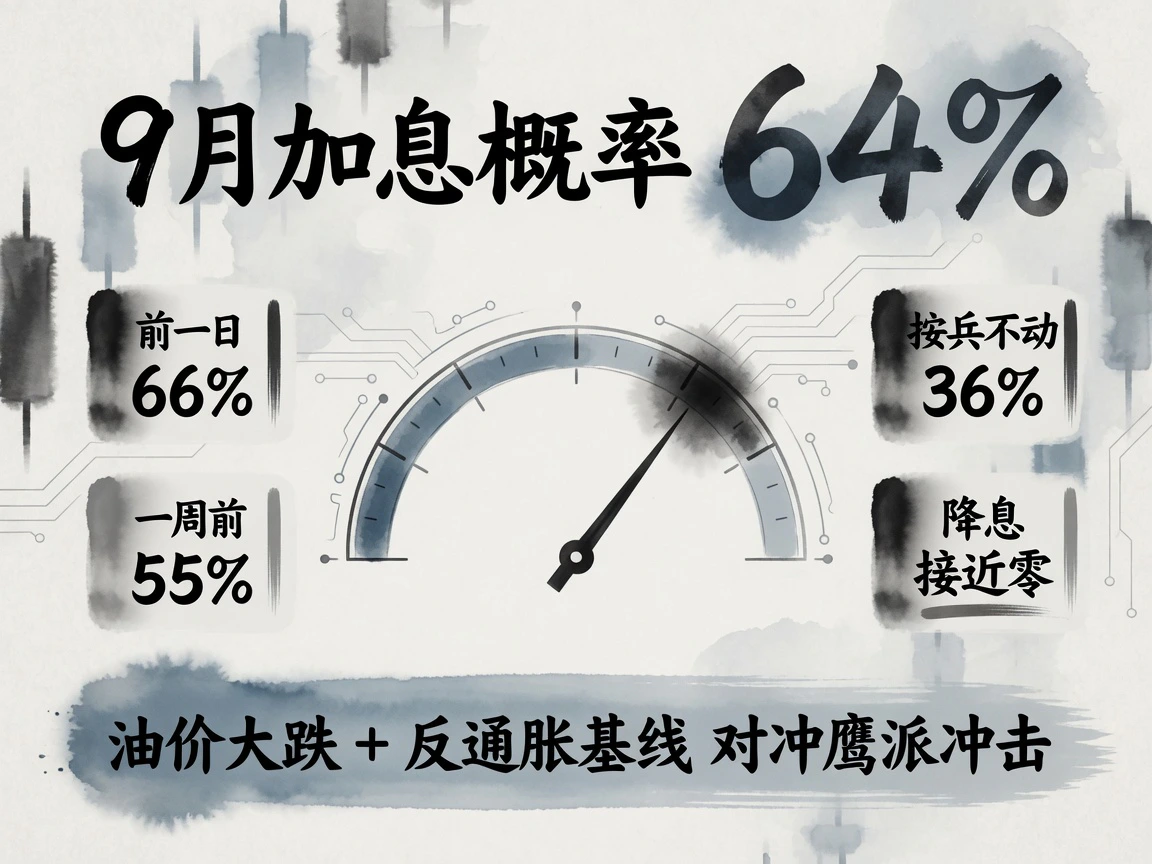
At around 19:45 US Eastern time August 3, CME futures put the probability of a 25 basis-point hike at the September 16 meeting near 64%, no change around 36% and cuts fully excluded, versus 66% the previous trading day and 55% a week earlier. Two forces offset the ISM shock: falling oil on hopes of Middle Eastern de-escalation eased immediate reinflation fears, and Williams' intact disinflation baseline steadied sentiment. More reasons to tighten did not mechanically raise the eventual endpoint.
Three checkpoints before September's decision were central:
- August 5: Governor Cook's economic-outlook speech in Anchorage, for the latest centrist communication;
- August 7: July payrolls, to test recovery from June's weak 57,000 increase;
- August 12: July CPI, to test whether June's -0.4% monthly decline continued.
These hard data would determine whether tightening expectations produced a hike or further waiting at the September 15–16 FOMC meeting.