After several rising sessions, crude futures pulled back sharply from highs on August 13. An unexpectedly large US inventory build and lower institutional demand forecasts temporarily outweighed Middle Eastern geopolitical and shipping premiums. Delivery conditions and calendar spreads nevertheless showed that one day's correction had not eliminated physical tightness.
Lower settlements do not remove supply risk
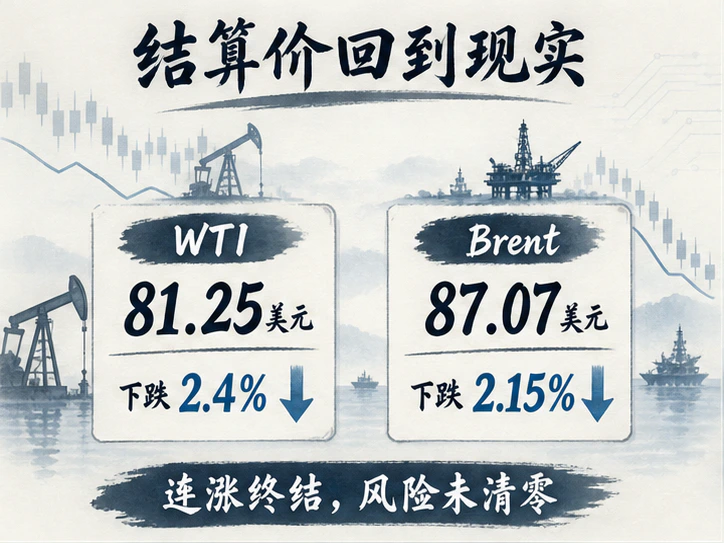
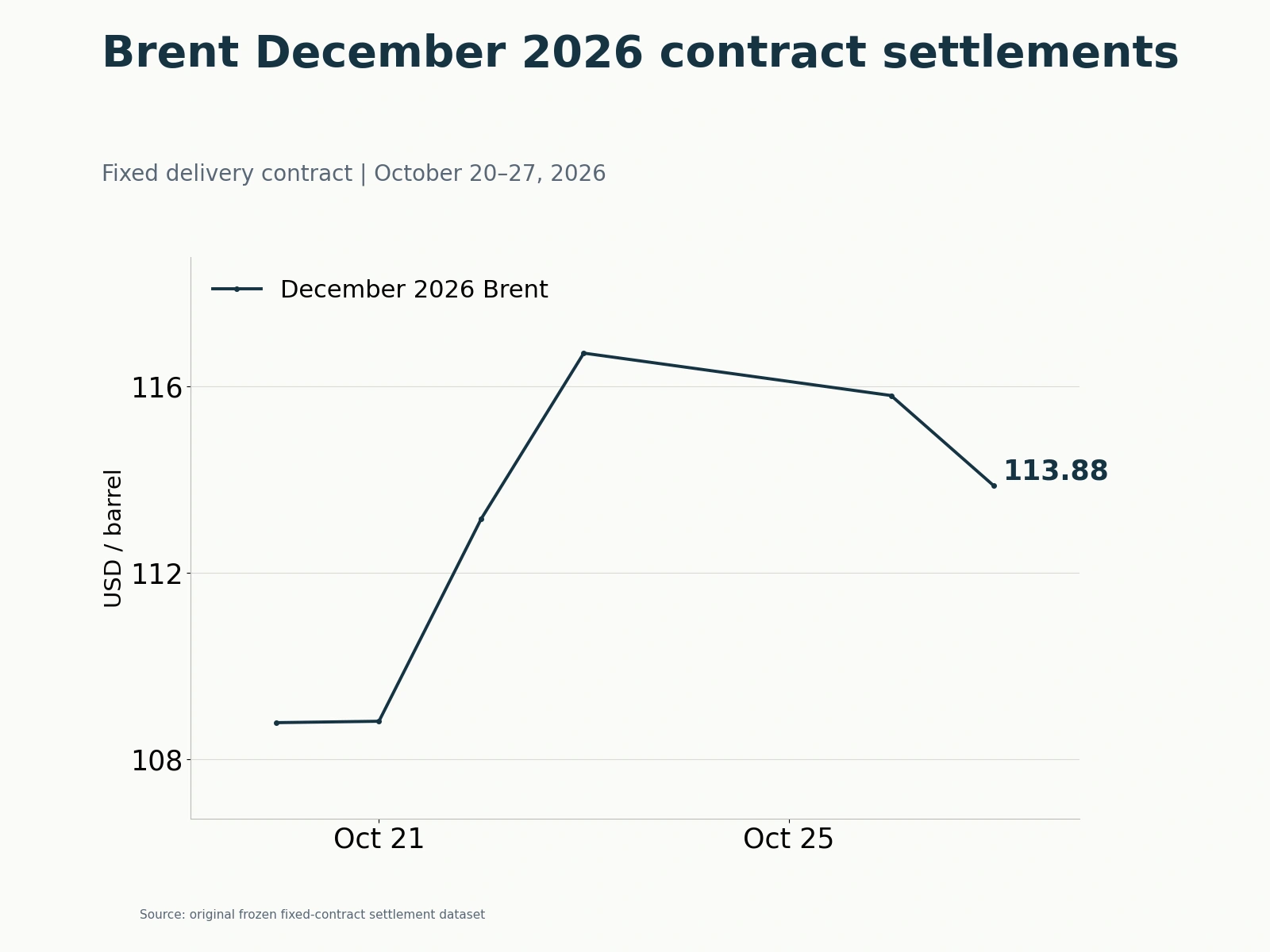
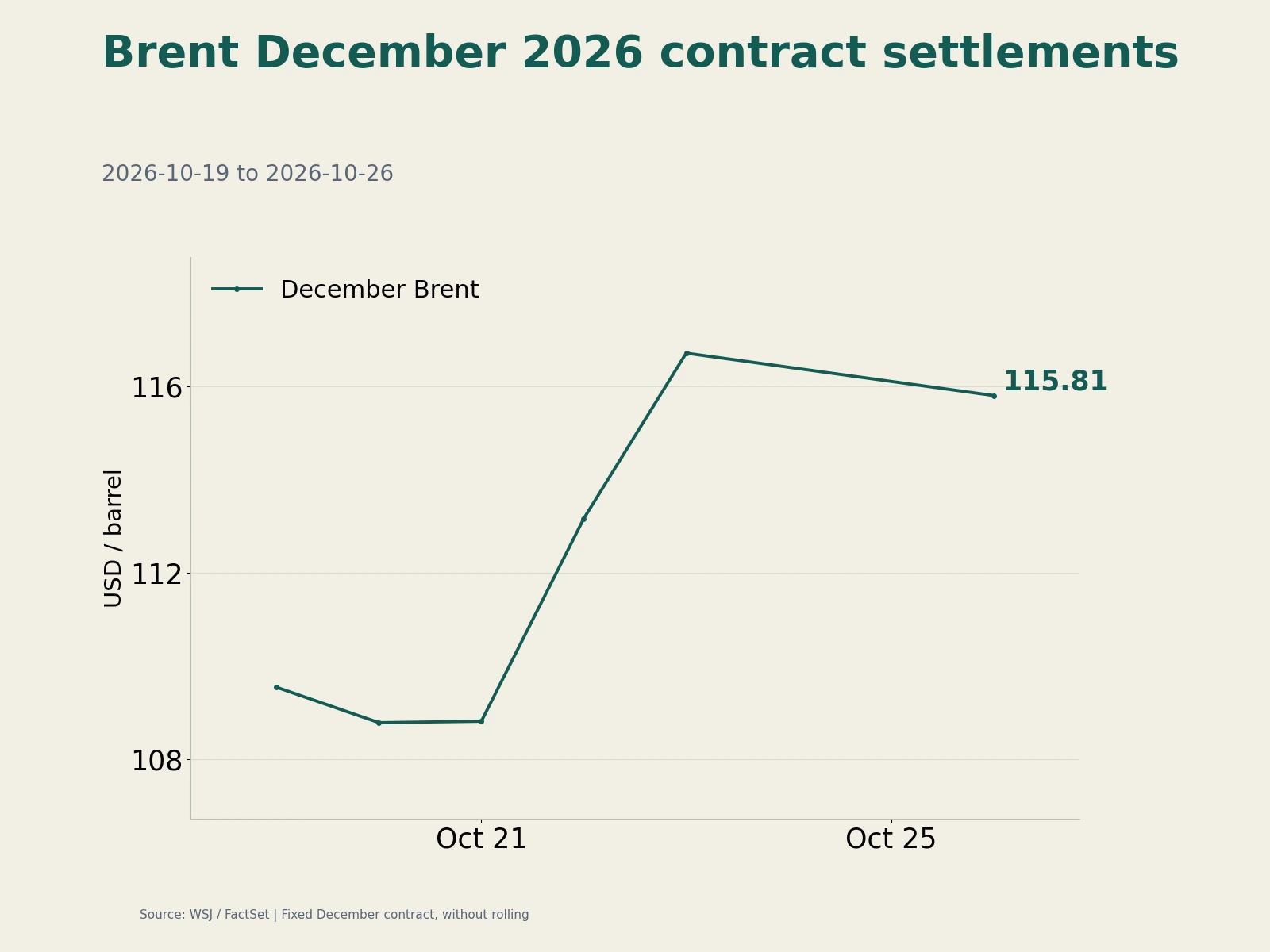
On August 13, Brent settled at $87.07 a barrel, down $1.91 or 2.15%, and WTI at $81.25, down $2.02 or 2.4%, using official exchange settlement changes. At the 11:18 Beijing-time cutoff snapshot on August 14, WTI and Brent were near $81.27 and $87.09, consolidating sideways. That snapshot records intraday levels and is excluded from settlement-return calculations.
Selling had been heavier intraday. Reuters said both contracts at one point fell more than 3.5%. Houthi claims of an attack on Saudi Arabia's Jizan refinery and renewed Hormuz jurisdiction disputes then brought geopolitical buying that narrowed losses. WTI had previously gained five sessions and Brent six; profit-taking at highs and fundamentals combined into a temporary valuation repricing.
A 17.4 million-barrel build brings demand concerns forward
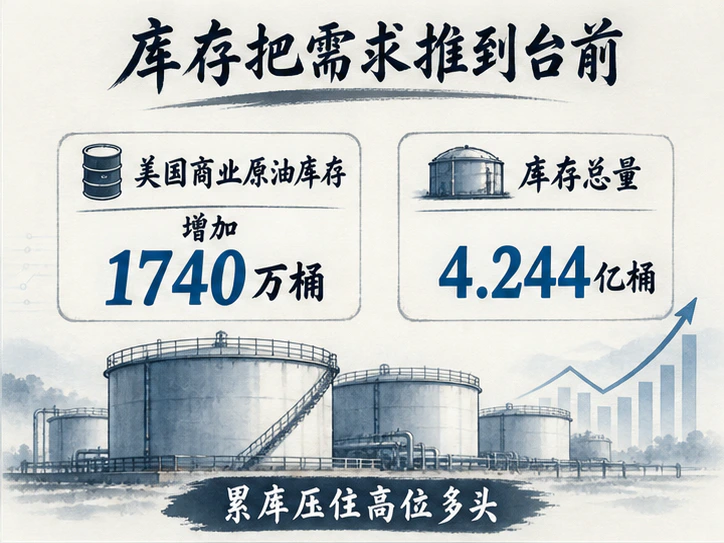
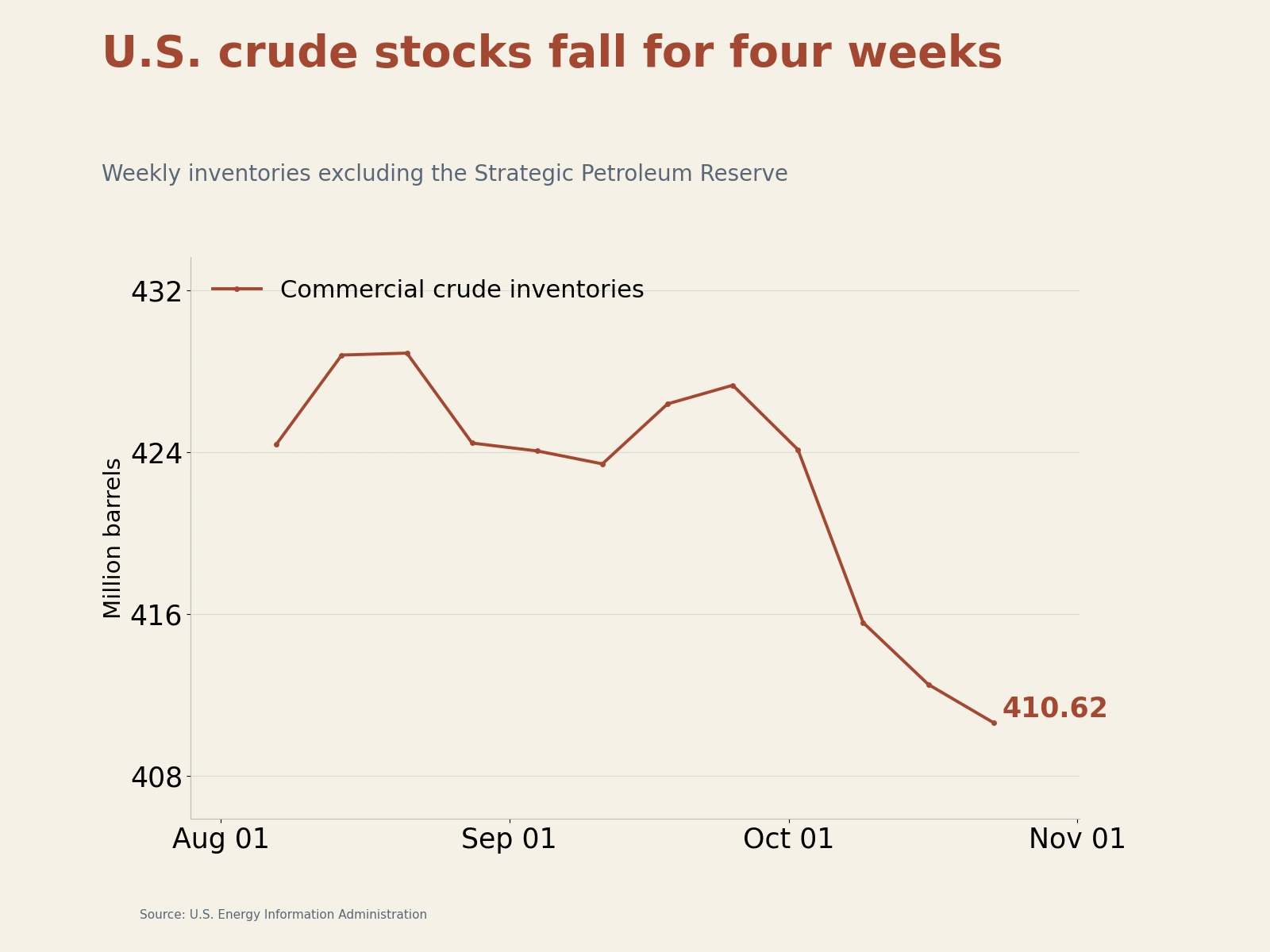
EIA's weak weekly stocks directly hit bullish sentiment. In the week ending August 7, US commercial crude rose 17.4 million barrels to 424.4 million, the largest weekly build since January 2023, with weak exports central. The buildup drove nearby losses and warned that expensive oil was hurting transport, manufacturing and fuel demand.
Demand forecasts moved the same way. OPEC cut projected 2026 growth to 580,000 barrels per day; the IEA expected annual demand to contract 1.6 million. Different definitions notwithstanding, both saw weaker demand, supporting short-term sellers. This did not mean deliverable global supply had become abundant.
Futures adjust while the physical supply gap remains
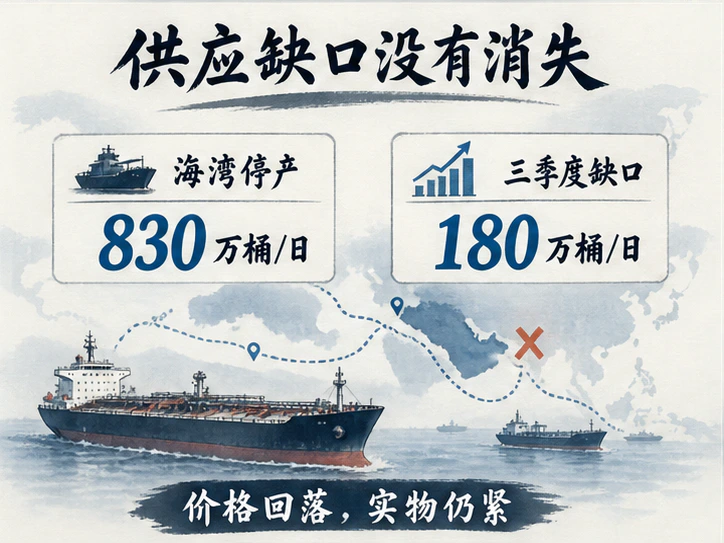
Geopolitics and logistics continued supporting backwardation. Limited Hormuz efficiency, US-Iran jurisdiction bargaining and Middle Eastern and Black Sea shipping disruption made delivery harder. Reuters cited real-time tracking showing August 13 commercial transits excluding container ships at a nearly three-week low, versus around 125–140 ships of all types daily before escalation.
Frequent drone attacks on Russian refineries also damaged seaborne product exports, showing weaker crude prices do not imply plentiful products. Scarce deliverable diesel and gasoline first support cracks, then feed back into nearby crude through refinery demand. The roughly 1.8 million-barrel-per-day third-quarter global crude gap remained unresolved.
The key contest shifts toward downstream product bottlenecks
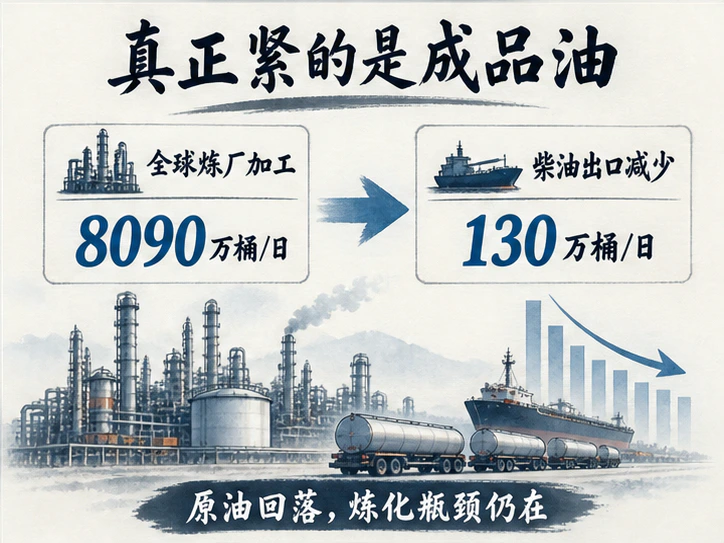
Saudi Jizan refinery has designed crude capacity near 250,000 barrels per day. Disruption to key product units would be very likely to make diesel cracks rebound before crude futures. Four tests need continued monitoring:
- Whether the next EIA data reverse US stock accumulation and weak exports;
- Whether commercial tanker passage through Hormuz materially recovers;
- Whether diesel cracks and overall refinery utilization remain tightly balanced;
- Whether OPEC and IEA demand downgrades are confirmed by high-frequency aviation, shipping, gasoline and industrial indicators.
Continued abnormal US builds would constrain rebounds, but until shipping capacity and downstream bottlenecks materially ease, nearby crude retains substantial risk-premium support.