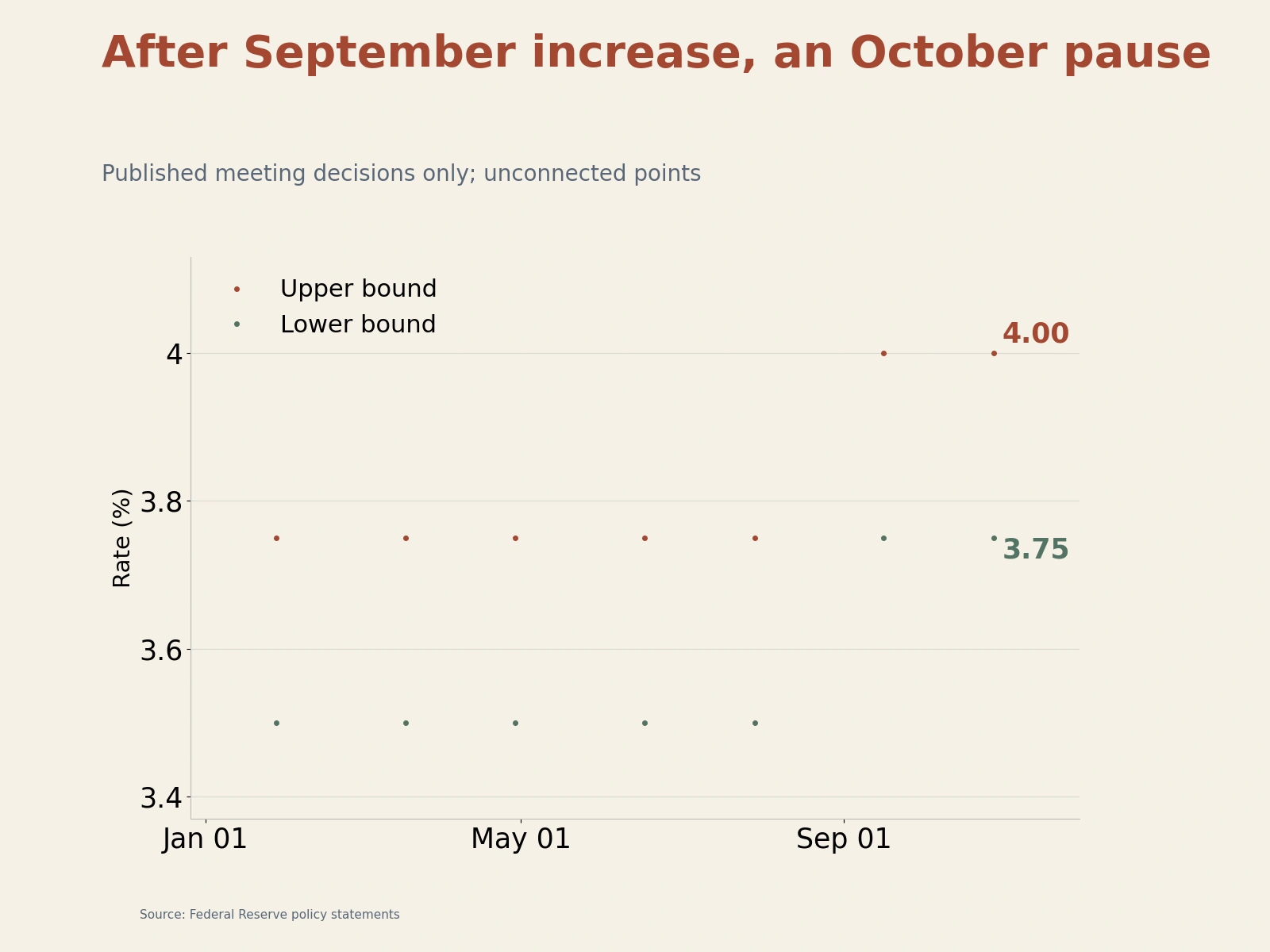
On August 18 Eastern time, no voting Fed official spoke publicly, but official fundamentals were anything but quiet. Industrial output, a regional official's outlook and Dallas tariff research sent a consistent signal: real activity remained resilient and inflation stubborn, providing no basis for near-term easing. The target stayed 3.50%–3.75%. July's 9–3 hold, with three dissenters seeking 25 basis points of tightening, was receiving continued support from fundamentals and internal research.
Industrial Output: No Collapse Requiring a Policy Rescue
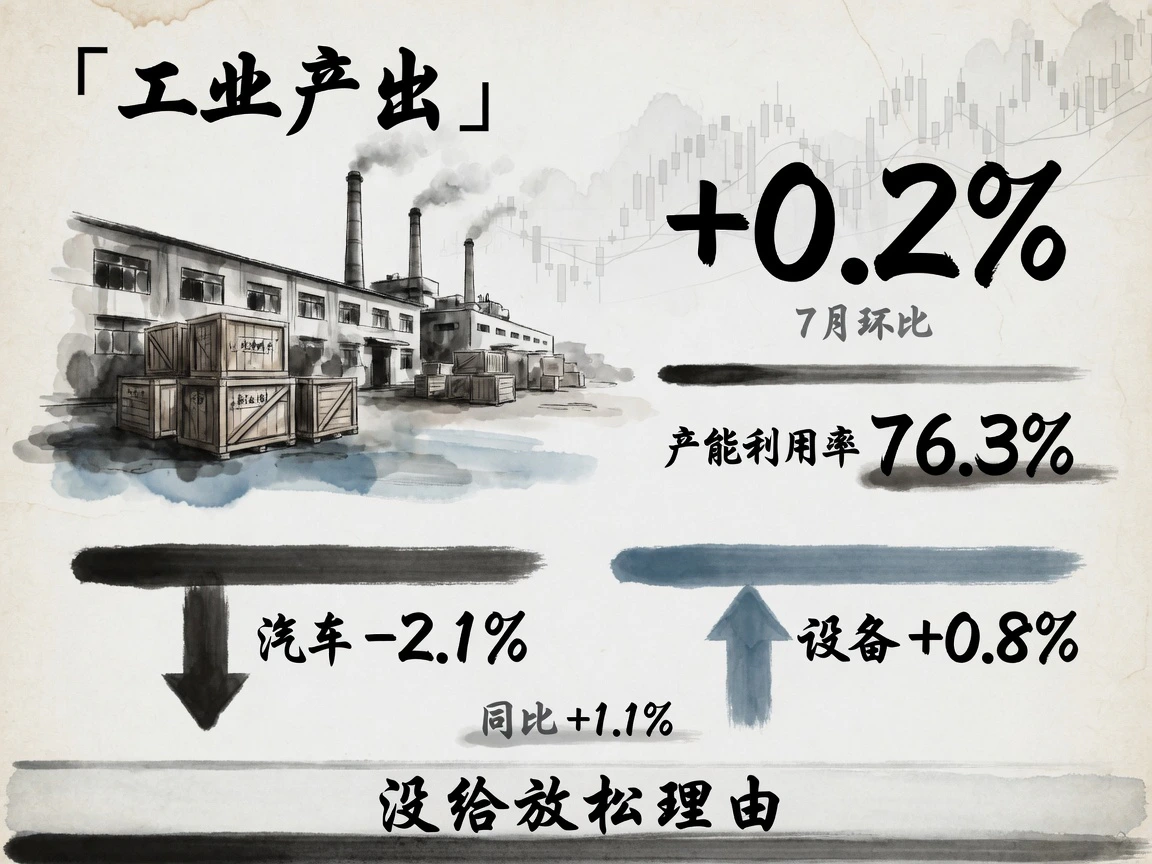
The Fed's August 18 G.17 report showed July industrial production up 0.2% month on month, as was manufacturing. Capacity utilization reached 76.3%, still 3.1 percentage points below its long-run average. The total output index stood at 103.0, with 2017 equal to 100, up 1.1% year on year.
Production diverged internally. High rates and demand cycles pushed motor vehicles and parts down 2.1% monthly, while business equipment rose 0.8%, confirming strong AI-computing and data-center capex supporting investment. This was not overheating, but showed the real economy far from a weakness trap requiring rate-cut rescue, removing urgency for easing.
Tariff Research: Supply Chains Cushion Near-Term Inflation Without Removing Pressure
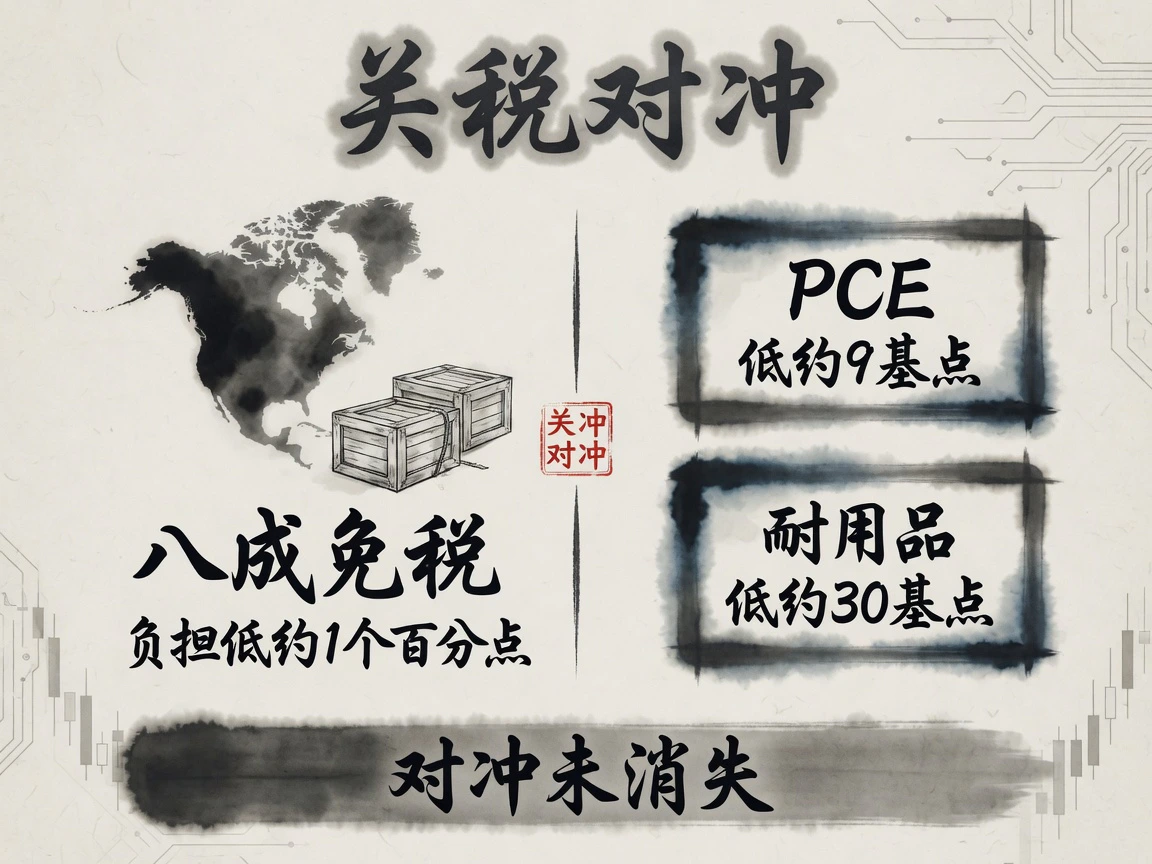
Dallas Fed research that day quantified tariff effects. Higher USMCA compliance allowed around 80% of Mexican and Canadian imports to enter duty-free. This lowered the effective tariff burden in fourth-quarter 2025 by about 1 percentage point against a counterfactual, reducing the overall PCE price impact by around 9 basis points and the durable-goods impact by about 30 basis points.
The mechanism was firms optimizing procurement and adjusting supply chains to cushion tariff inflation temporarily. That offset depends on continued compliance and transshipment flexibility: pressure is absorbed or deferred, rather than eliminated. Higher compliance costs or broader trade friction could again pass suppressed costs into final prices.
Regional Research Echoes Hawkish Voting Officials
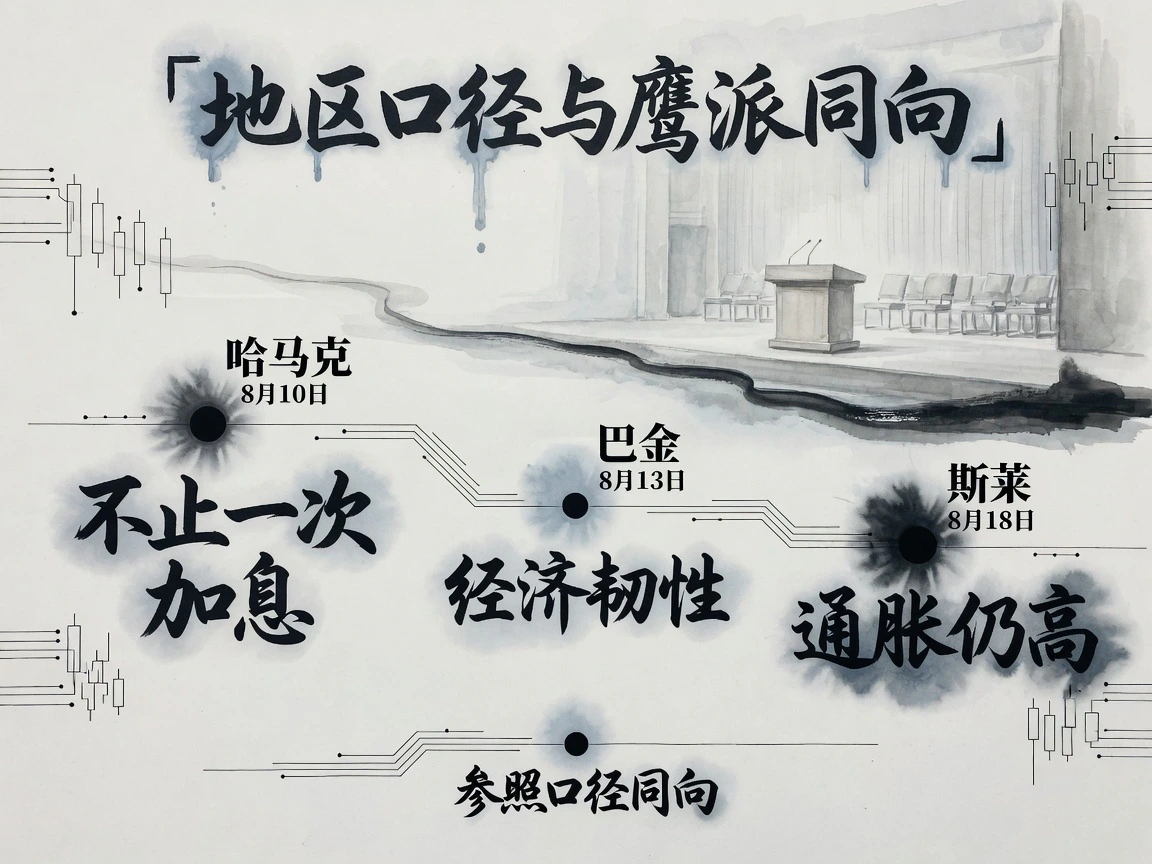
Kansas City Fed vice president and senior economist Nick Sly's August 18 speech, US Economic Conditions and Outlook, clarified the research stance. He described solid expansion led by private fixed investment and consumption, a healthy and balanced labor market, and nominal wage growth returning toward historical norms while nonwage compensation such as health benefits accelerated. Headline and core inflation remained materially above target, with rebounding goods inflation also important.
Sly was not a voting official, but his senior research role represented an authoritative internal baseline echoing recent hawkish voters. Cleveland's Hammack said August 10 that inflation might require more than one hike; Richmond's Barkin emphasized resilience August 13 and caution about an early second-half pivot. This alignment showed persistent internal vigilance over sticky inflation.
Hike Pricing Edges Higher: Three Catalysts to Watch
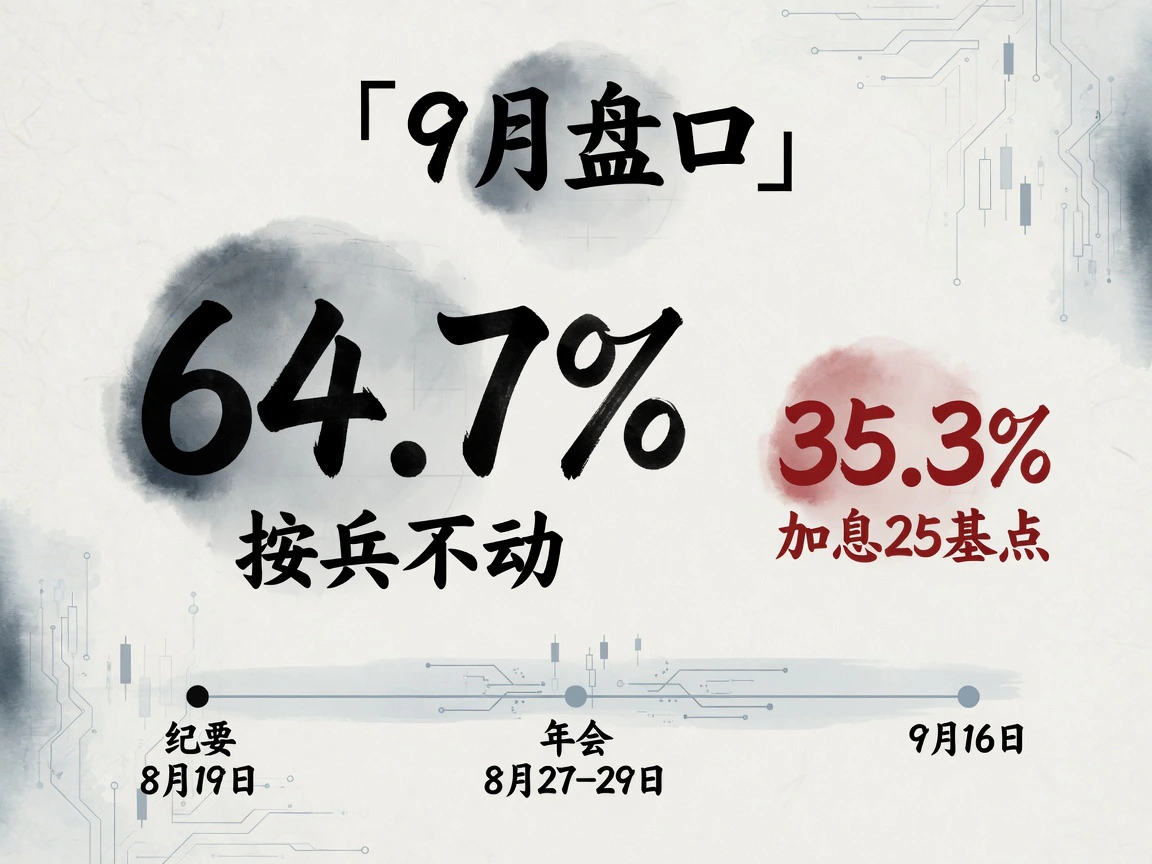
Fundamentals and internal research forced futures to revise overly optimistic easing pricing. August 18 FedWatch readings for September 16 assigned roughly 64.7% to holding 3.50%–3.75% and 35.3% to a 25-basis-point increase, marginally more tightening than the prior day. By December, the cumulative probability of at least one hike had quietly exceeded half.
Three catalysts would shape the tense policy balance:
- July FOMC minutes: August 19 at 14:00 Eastern, revealing the three hike dissenters' reasons and internal debate;
- Jackson Hole symposium: August 27–29, particularly whether Warsh provides institutional guidance on framework changes or neutral-rate reassessment;
- Key macro reports: August CPI and employment before September's meeting would ultimately validate or overturn the roughly 35% hike probability.