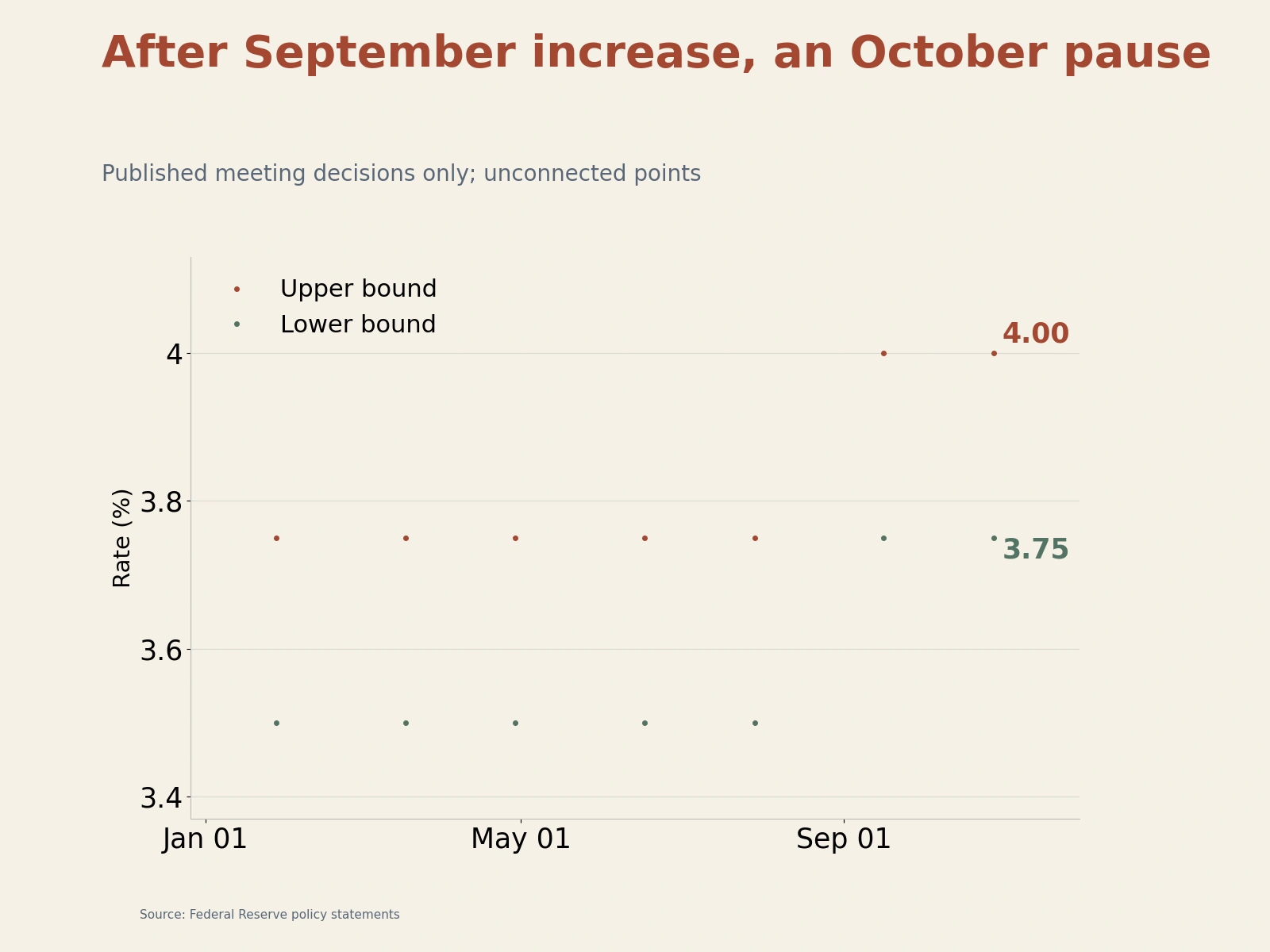
On the afternoon of August 19, US Eastern time, the Fed released July 28–29 FOMC minutes. The decision night's 9–3 vote had already alarmed markets; the minutes exposed deeper hawkish support and moved September hikes from fringe speculation into practical consideration. Since last December's final cut, rates have held at 3.50%–3.75% for five consecutive meetings, but the balance is clearly more fragile than the headline suggests.
Beyond three dissenters, several participants wanted an immediate hike

Cleveland's Hammack, Minneapolis's Kashkari and Dallas's Logan jointly dissented in July for an immediate 25-basis-point increase. This concentration of same-direction hawkish dissent at one meeting was the first since 2016.
Calls went beyond the three formal votes. Several participants favored a July hike because broad price momentum required further restraint for sustainable price stability and full employment. A few warned early small steps could avoid steeper, economically costlier catch-up tightening later. A larger defensive group, many participants, considered further tightening likely necessary without clear sustained disinflation. The document contained no discussion or inclination toward cuts.
New Chair Warsh called it a productive family debate. The Fed's precise language shows hikes are no longer a peripheral regional stance but an option capable of pulling policy across the committee.
Inflation narrative tightens: overlapping supply shocks and de-anchoring risk
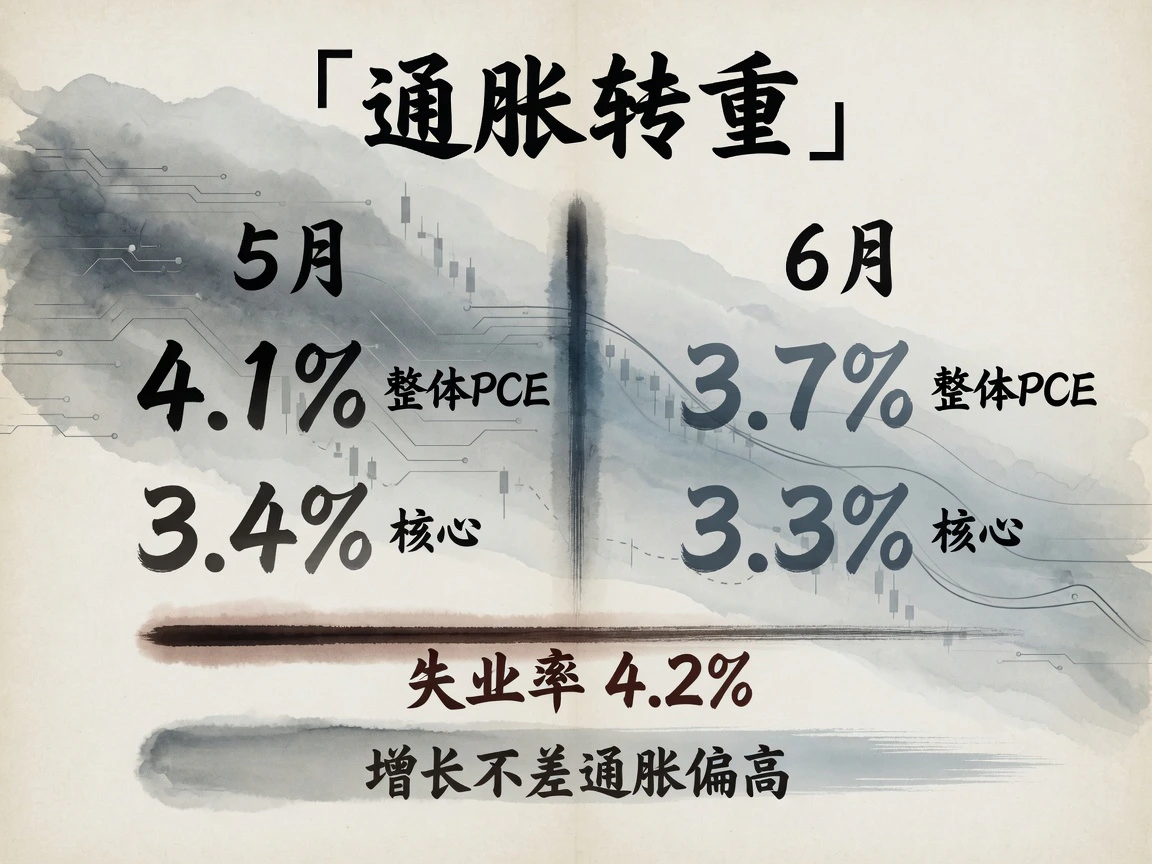
Hawks coalesced because official assessment of inflation's baseline is materially shifting. Staff put May headline/core PCE at 4.1%/3.4% annually; June estimates eased to 3.7%/3.3%, but the pace was far short of reassuring.
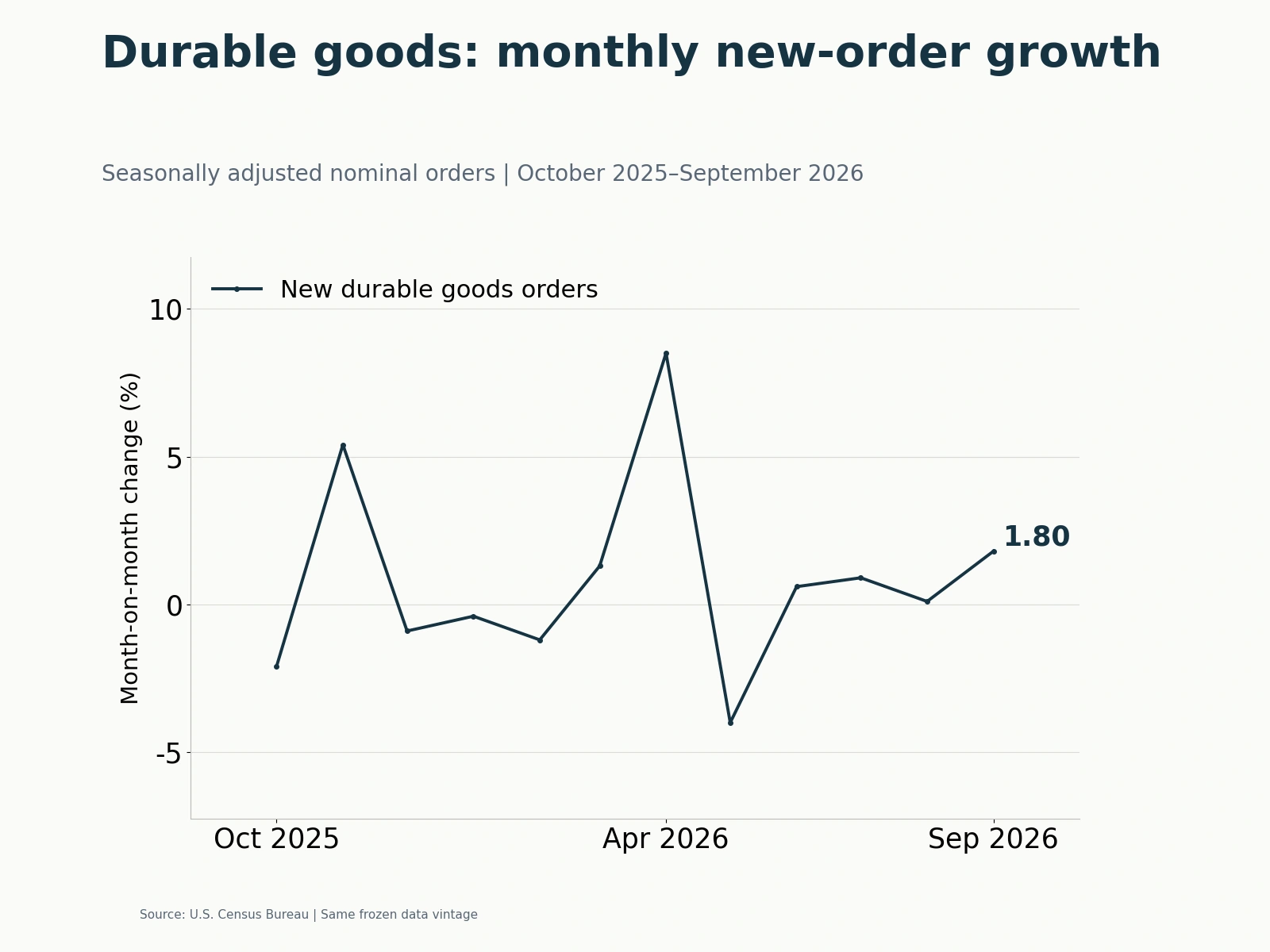
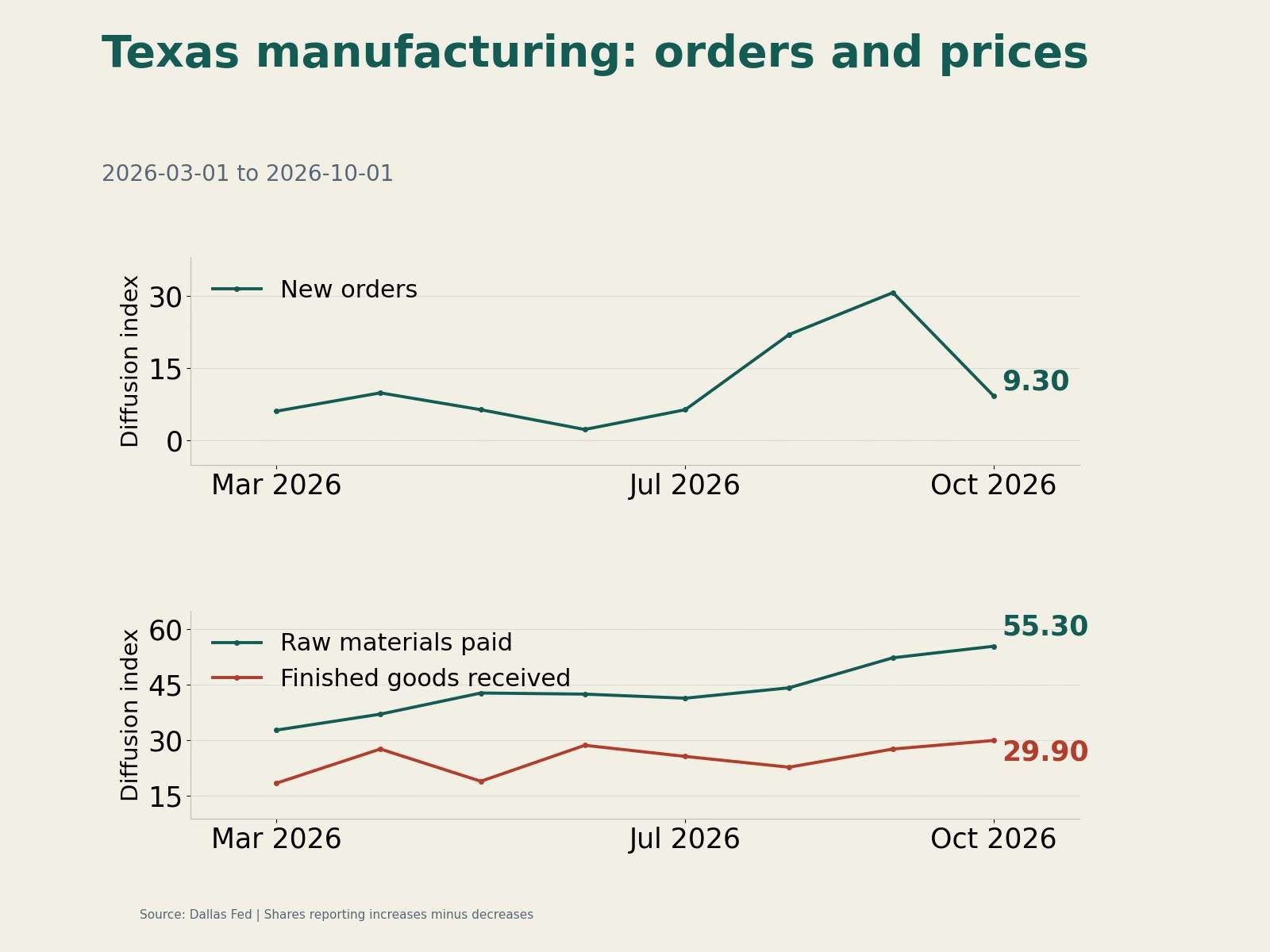
Participants identified three interacting forces: delayed tariff pass-through to retail; Middle Eastern energy and supply-chain friction; and strong new demand from AI infrastructure such as computing centers. Asymmetric risks concerned them more: prolonged conflict could turn upstream costs into persistent inflation, while expectations loosening after years above the 2% anchor would multiply credibility-restoration costs.
Labor offered no reason to delay. June unemployment held a healthy 4.2%, consumption was resilient and AI investment kept expanding, maintaining steady activity. Stable fundamentals with undiminished inflation stickiness gave hawks their strongest foundation.
Institutional clues: Warsh proposes fewer meetings as balance-sheet review progresses
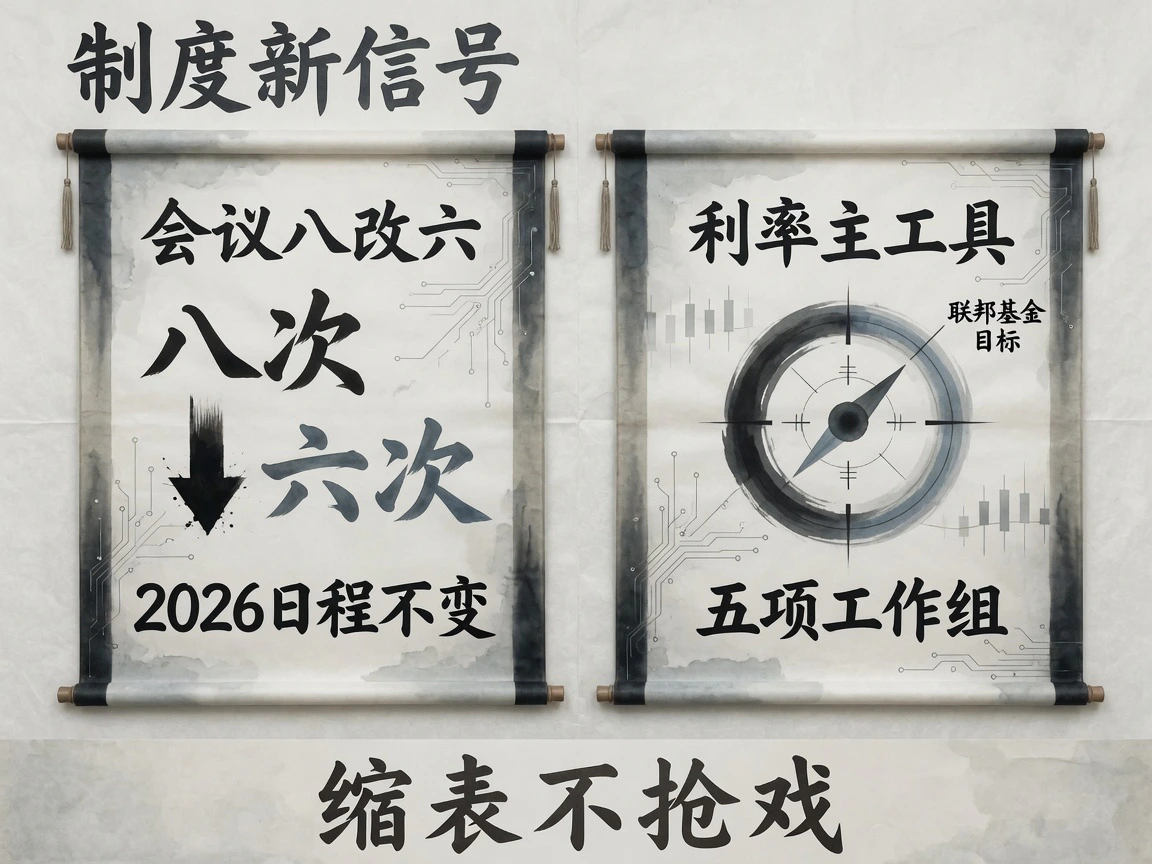
Beyond current rates, the minutes hinted at two medium/long-term institutional changes.
First, Warsh formally proposed reducing regular FOMC meetings from eight to six annually, lengthening observation windows, reducing high-frequency noise and allowing deeper strategic discussion. No final agreement exists, and the remaining 2026 calendar stays unchanged.
Second, five established working groups became the core vehicle for systematic balance-sheet framework assessment on runoff and liquidity. Officials reaffirmed the fed funds target as the primary directional tool. Technical debates over reserve adequacy and runoff will not fundamentally replace benchmark rates' leading macro role soon.
Official communication quiet; pricing largely unmoved
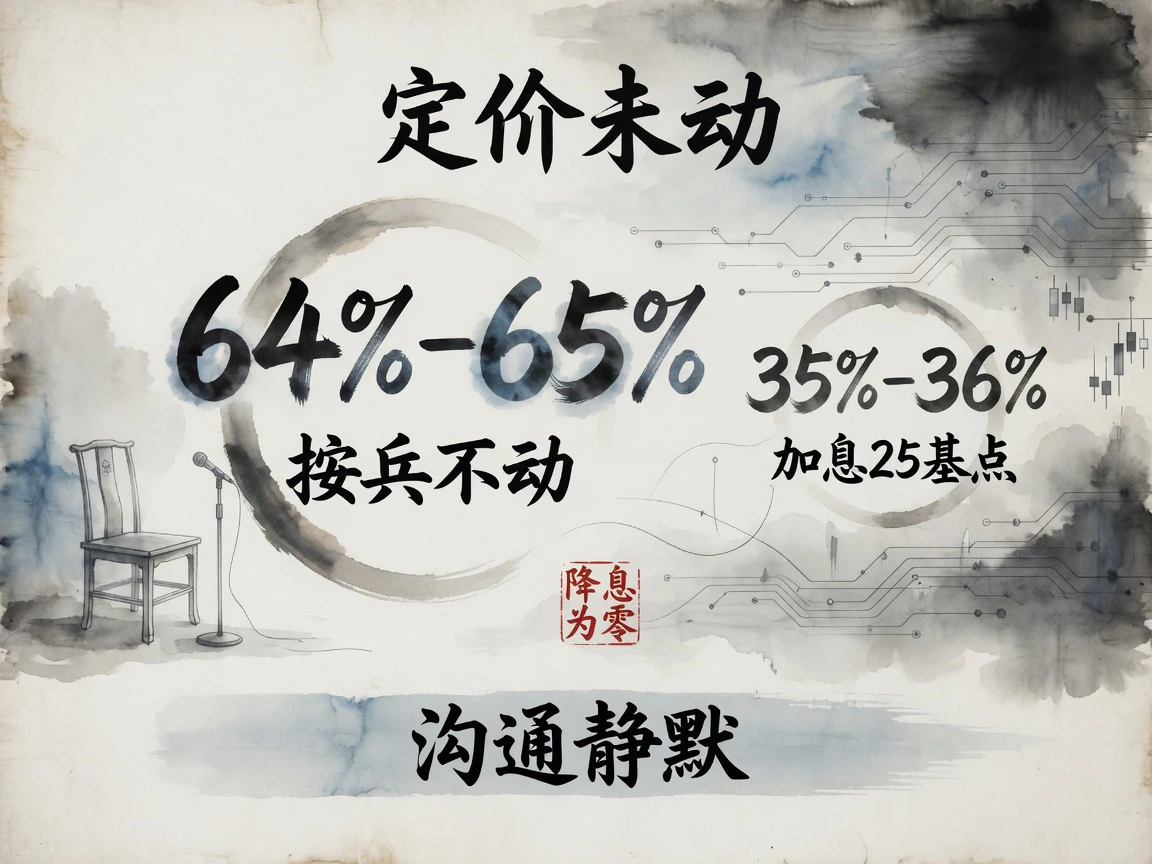
Neither Board nor regional banks scheduled voting-member speeches around release. This matched Warsh's lower-exposure, lower-verbal-noise style since May and reserved major coordinated communication for Jackson Hole.
Pricing remained balanced. Combined August 18–19 CME FedWatch readings put September 16 hold odds near 64%–65%, 25-basis-point hike odds around 35%–36%, and cuts at zero. July's hawkish statement and dissent were already well digested; almost-three-week-old minutes produced no major cash-bond or futures-curve shifts. Traders waited for substantive new information.
Key tests approach: Jackson Hole and inflation data
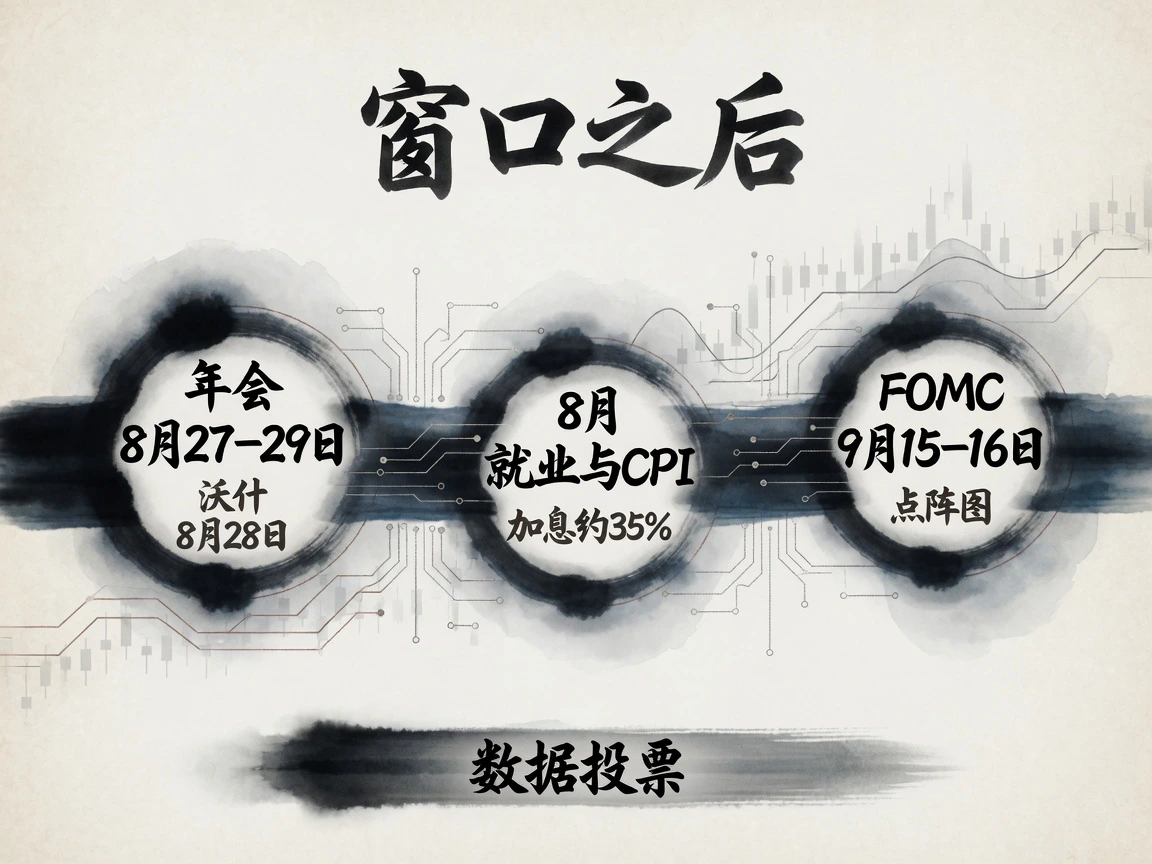
Whether the hawkish picture becomes September action depends on three checkpoints over the next three weeks.
First, August 27–29 Jackson Hole, with Warsh's keynote August 28, his first major framework statement to global central-bank peers as chair. Any shift in inflation tolerance, neutral-rate assessment or this year's hike potential could reshape expectations.
Second, August payrolls and CPI released before September's meeting will determine whether roughly 35% hike pricing breaks higher or dissipates.
Finally, September 15–16 FOMC publishes quarterly SEP. Dot distributions will first quantify the real weight behind many participants favoring additional restraint.
The minutes' message is clear: without sufficiently fast disinflation, the institutional threshold for renewed hikes is much lower than outsiders imagined. Incoming macro data ultimately determine the balance.