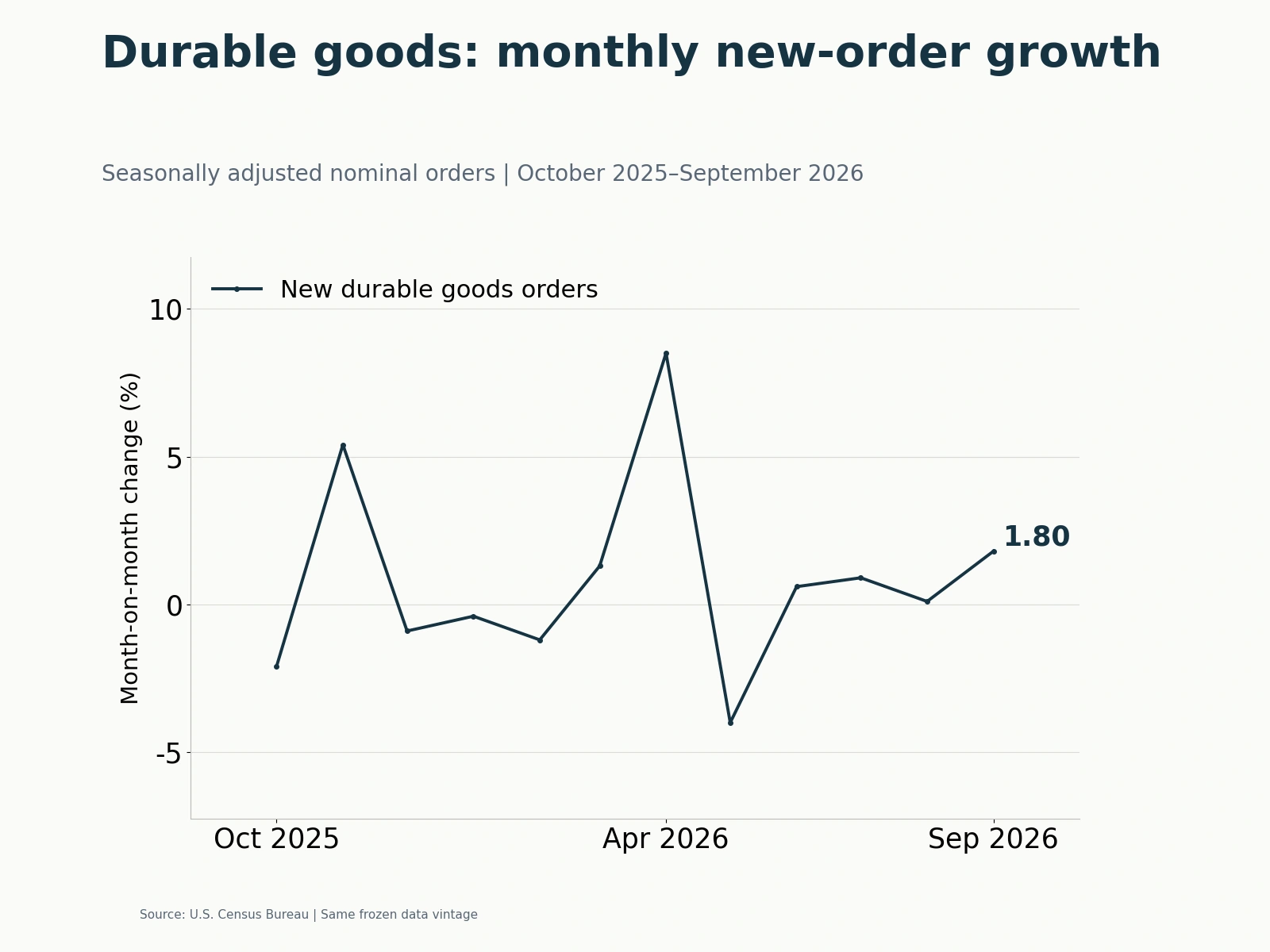
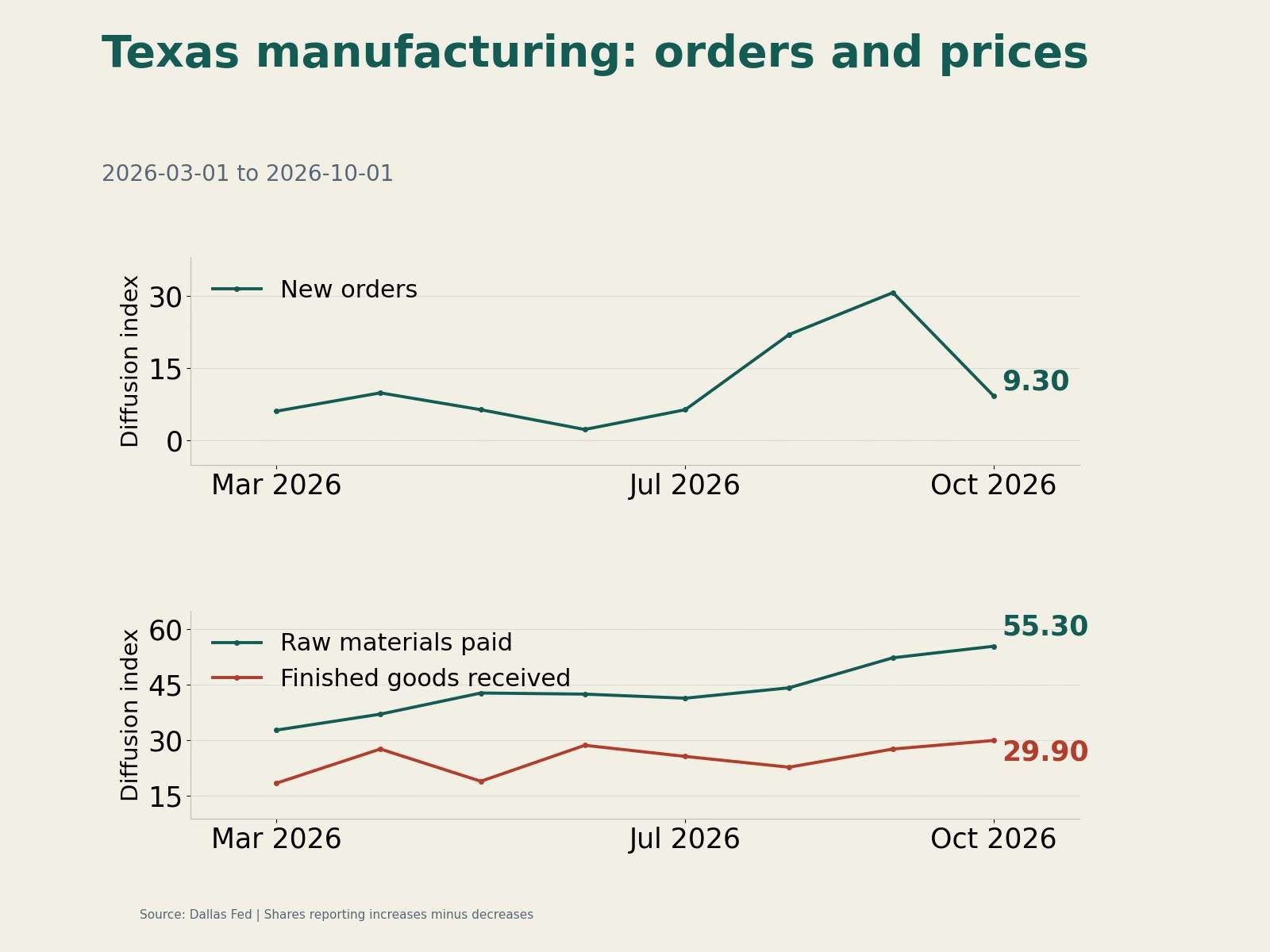
US S&P Global flash PMIs released August 21 were clearly strong overall. At the same time, Fed officials had scheduled no public remarks. Since becoming chair in May, Warsh has deliberately reduced forward guidance and restrained communication of policy intentions. Markets must therefore look to his debut as chair at next week's Jackson Hole symposium for direction on September.
Economic Data: Services Activity Reaches a New Recent High
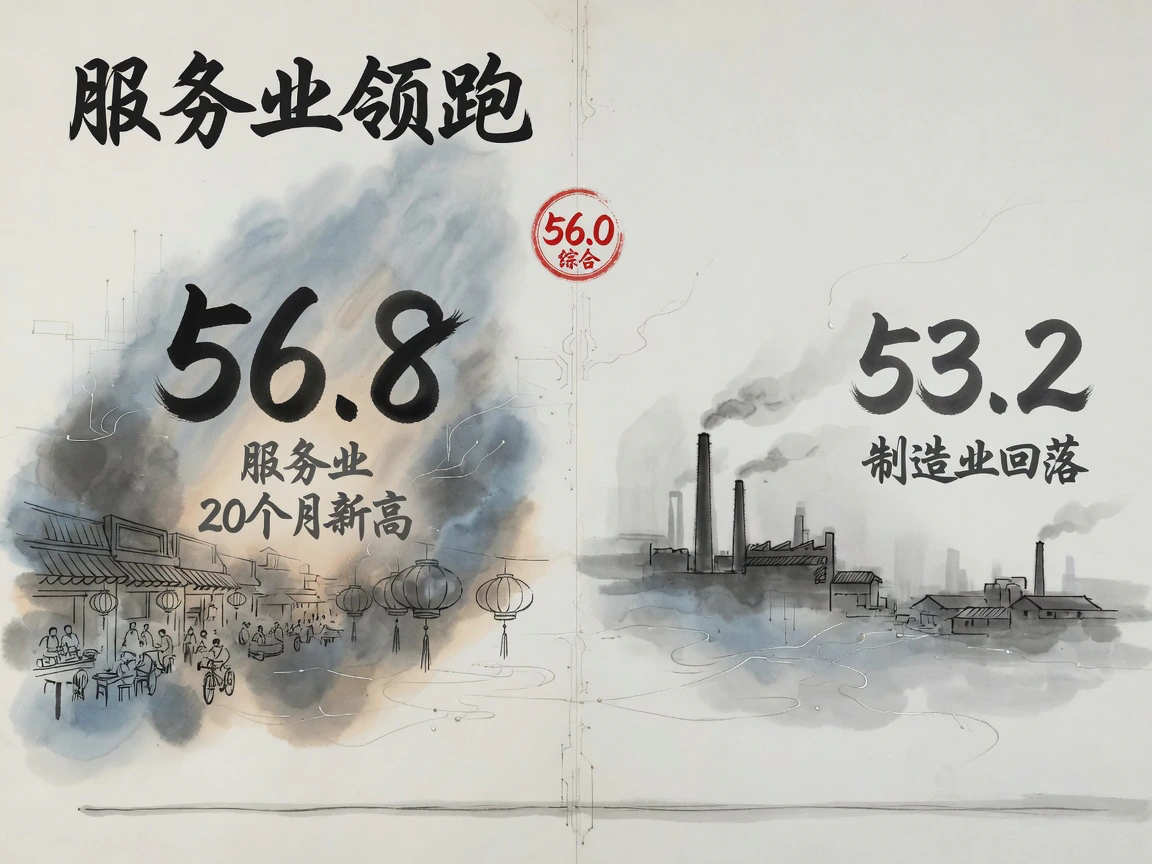
S&P Global's August flash US PMI, released August 21, showed composite output at 56.0, up from 54.5 in July and a 52-month high. Services activity reached 56.8, a 20-month high, while manufacturing PMI slipped from 53.9 to 53.2 and the factory-output subindex fell to a 13-month low. Selling-price inflation slowed to a multimonth low, but higher energy prices continued raising input costs. Chief business economist Williamson said US output was growing at its fastest in more than four years, with the survey implying third-quarter annualized GDP growth near 3%.
The policy implication is clear: resilient final demand offers no reason for the Fed to ease. Stronger growth aligns with July FOMC minutes warning that further tightening might be needed if inflation failed to cool persistently.
Official Communication: Silence across the Fed
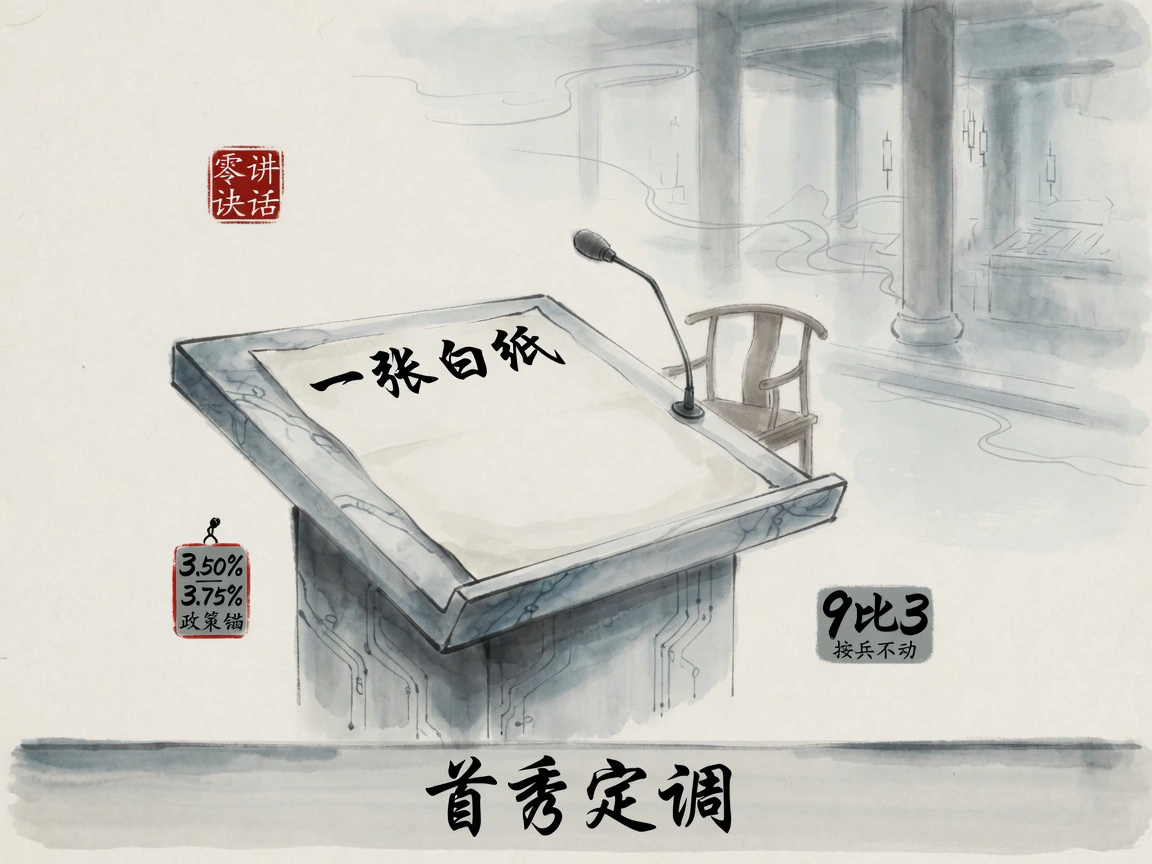
By Friday's cutoff, officials had given no speeches, interviews or statements; official channels released only routine statistics such as H.15 Selected Interest Rates. Silence has become a new norm under Warsh. Since May he has shortened decision statements and reduced guidance. Asked at July's press conference about his Jackson Hole speech, he said it remained a blank sheet. The more sparing official guidance becomes, the greater the market weight on individual data releases and the coming speech.
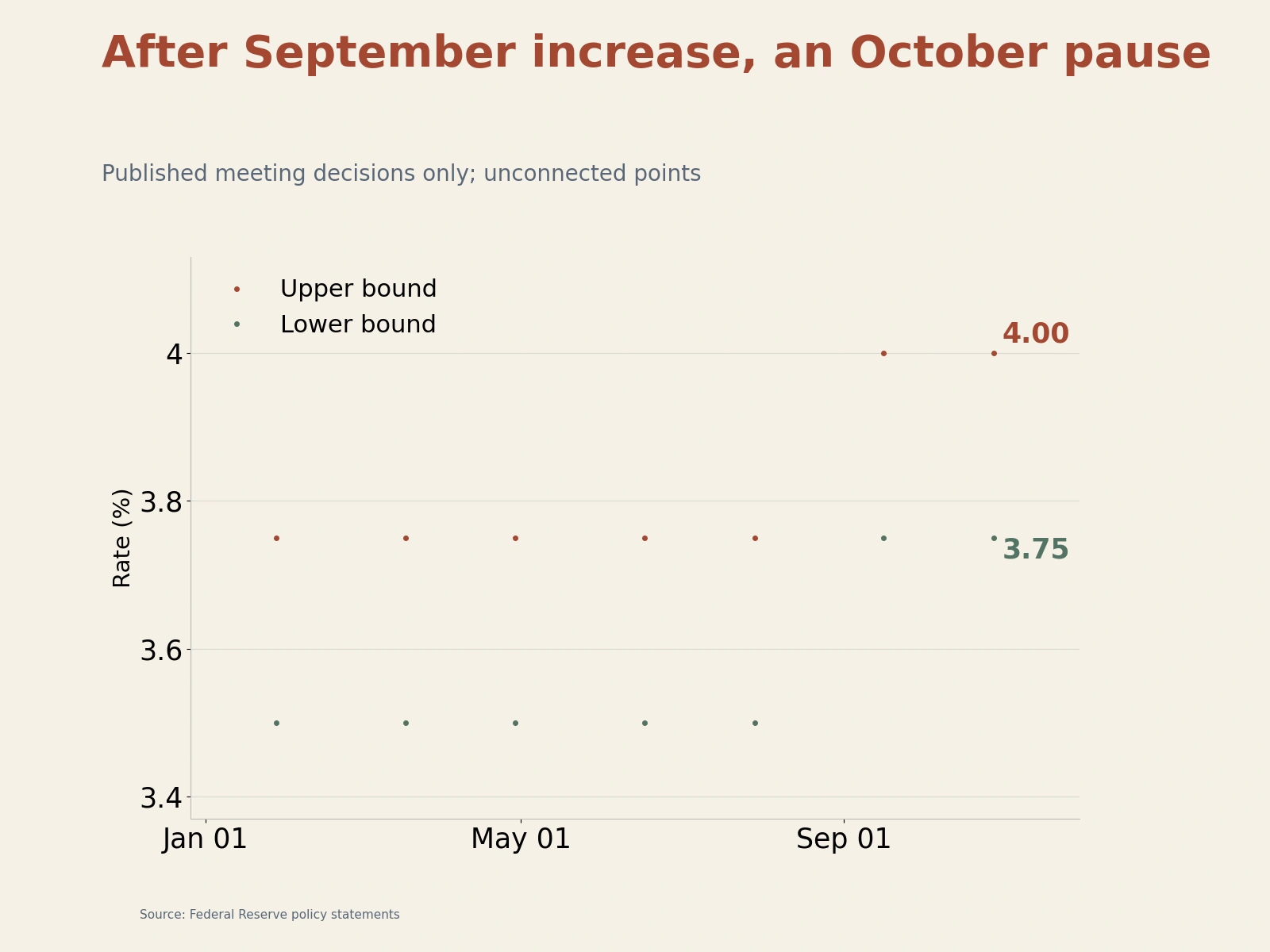
The policy anchor remains clear: the federal funds target range is 3.50%–3.75%. The July 28–29 FOMC held rates 9 to 3, with Hammack, Kashkari and Logan dissenting in favor of a 25-basis-point hike. Minutes released August 19 now mainly provide baseline context.
Policy Expectations: Hike Pricing Continues to Recede
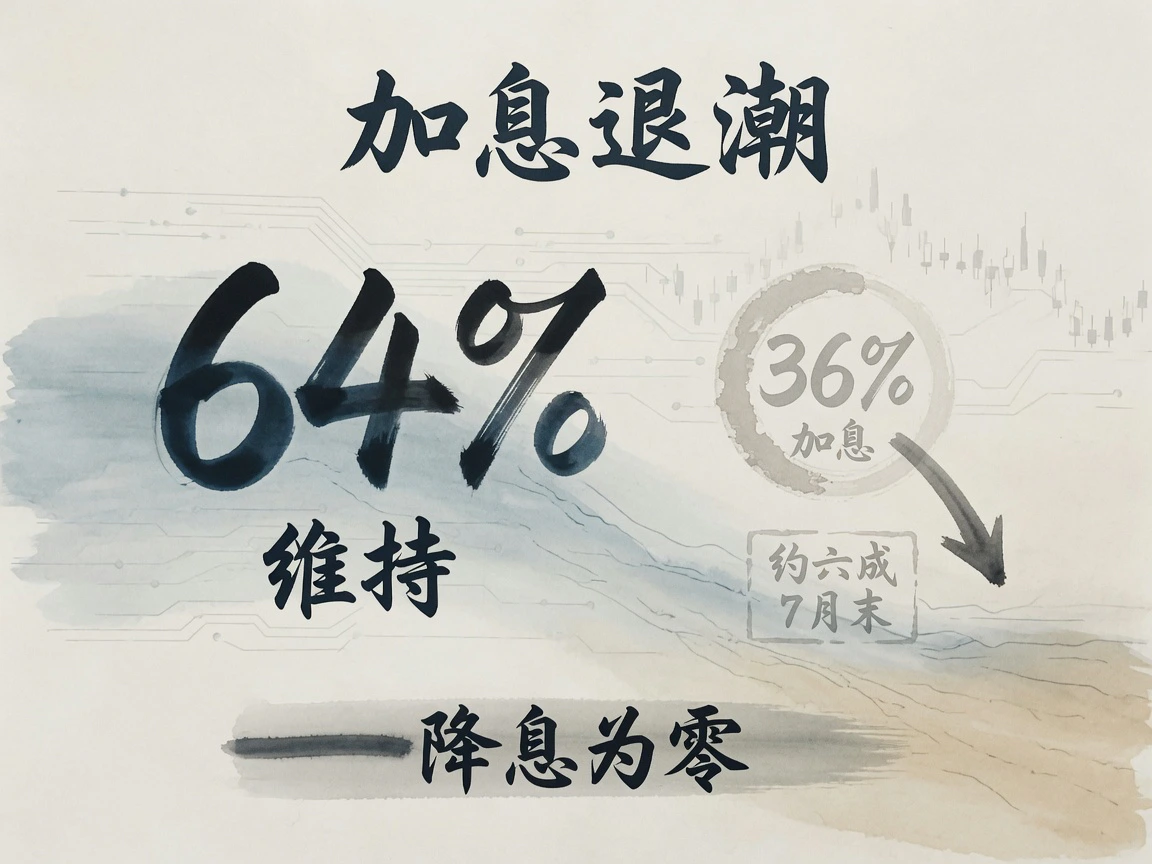
Without additional tightening signals, pricing for September 15–16 continued moving toward a hold. CME FedWatch readings differ by timing and measurement: Investing.com's August 21 observation put a hold near 64% and a 25-basis-point hike at 36%; another compilation observed August 21–22 put a hold at 67%–72% and a hike at 28%–33%. Polymarket and Kalshi priced hikes at 28%–29%. Despite numerical differences, the direction was consistent: unchanged rates were the baseline, hike odds had fallen substantially from approximately 60% in late July, and cut odds were zero. Strong PMIs pushed Treasury yields generally higher on Friday; today's main article details curve levels and daily changes.
Next Test: Jackson Hole Debut
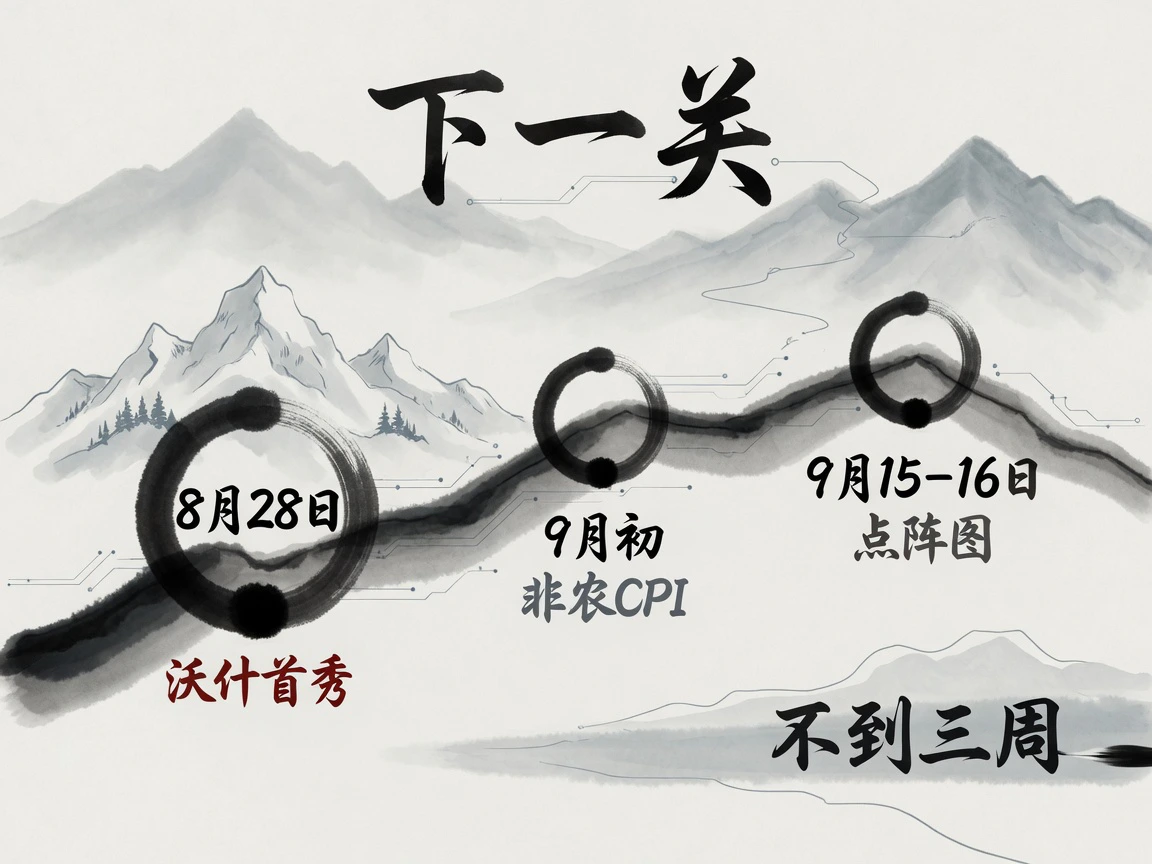
The Kansas City Fed hosts Jackson Hole next Thursday through Saturday, August 27–29, under the theme Financial Innovation: Implications for Payments and Policy. The official schedule puts Warsh's keynote at 10:00 US Eastern time on August 28, his first Jackson Hole speech as chair and less than three weeks before the September meeting. Subsequent early-September releases including August payrolls, CPI and PCE will determine whether the three pro-hike dissenters can become a majority. The September 15–16 FOMC will also publish the latest quarterly dot plot.