Understanding the Federal Reserve, article 2/20
In autumn 1907, a severe panic swept America. Depositors queued for withdrawals, trust companies lost funding and securities were sold in a stampede. The eventual rescue organizer was private banker J.P. Morgan, rather than the government. He assembled Wall Street colleagues in his library to check assets, raise funds overnight and decide which firms survived. Without a central bank, the country's liquidity lifeline depended on improvised coordination by a handful of financiers.
America had already tried nationwide financial institutions. It established and then abandoned two Banks of the United States. For more than a century afterward, thousands of independent small banks faced seasonal funding drains and recurring runs on their own. The Fed's emergence in 1913 did not mean Americans suddenly embraced European central banking wholesale; it was a compromise among competing powers forced by crisis.
1. Why centralized financial power looked dangerous
Hamilton and Jefferson disputed the capacity of the state
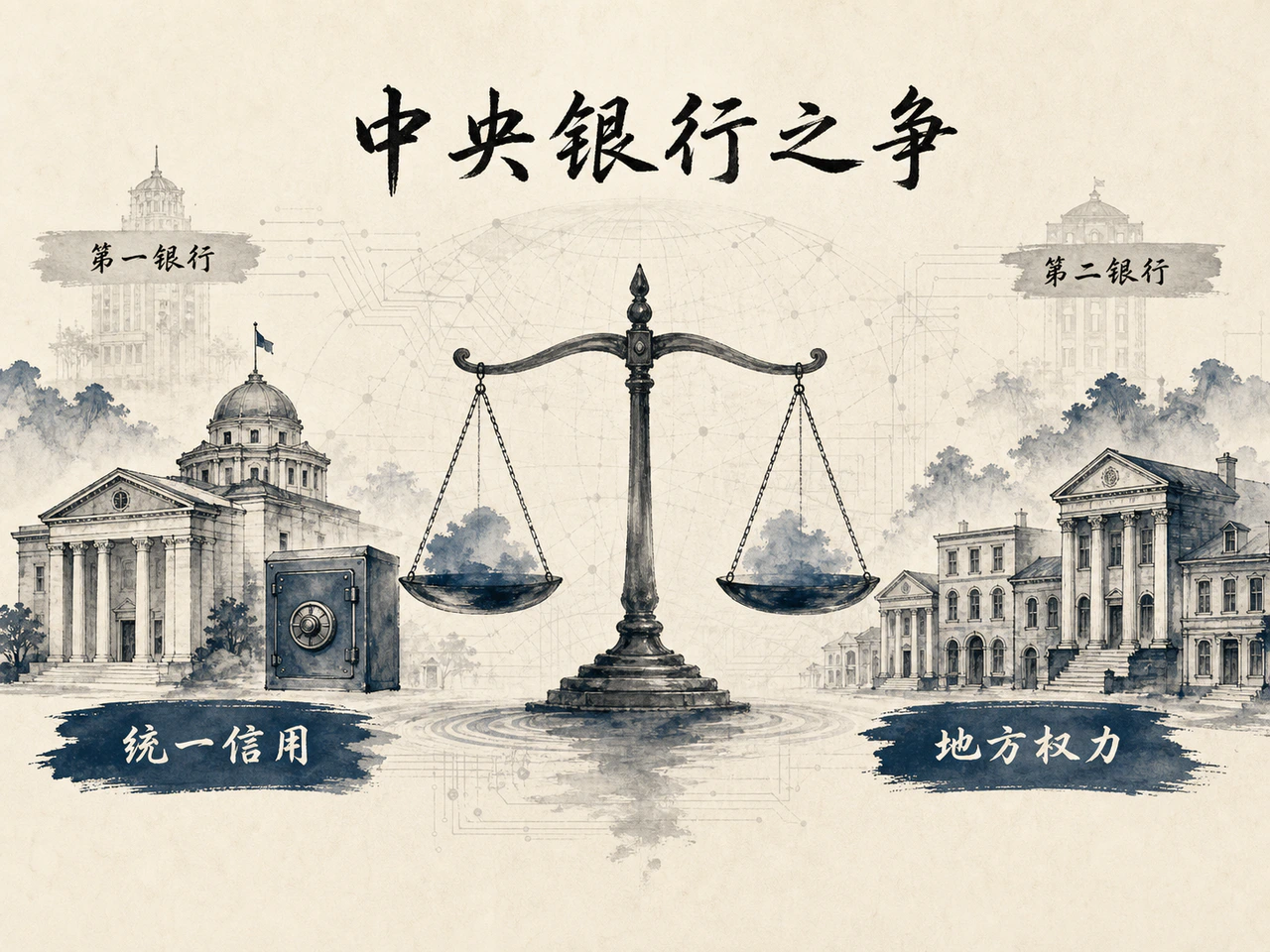
After the Revolutionary War, the new republic carried heavy debt, limited federal taxing power and fragmented state money and credit. First Treasury Secretary Hamilton proposed the First Bank of the United States to organize public finance through national credit, safeguard tax receipts and provide nationwide payment instruments. The practical objective was to prove the federal government could borrow, collect taxes and meet its debts.
Jefferson's camp had equally concrete concerns. The Constitution did not explicitly authorize Congress to create a national bank; concentrating financial power federally could elevate northern commercial capital and creditors over southern farmers and local autonomy. The dispute involved constitutional interpretation, regional interests and the limits of government. The First Bank received a 20-year charter in 1791, but political resistance prevented renewal in 1811. Financing difficulties in the War of 1812 then forced Congress to create the Second Bank in 1816.
The Second Bank's extensive branches restrained excessive local note issuance and provided interregional clearing and fiscal agency. Greater governing capacity brought greater political resistance. President Andrew Jackson regarded it as an unelected institution of financial privilege, vetoed renewal and removed federal deposits. Its charter expired in 1836 and the Second Bank closed, leaving finance without a central leader again.
More dispersed banks did not necessarily mean dispersed risk
The system became extremely fragmented. Wary of concentration, many states restricted interstate banking and even in-state branches, producing many single-office 'unit banks.' They knew local communities well but had little asset diversification. A drought, major railroad bankruptcy or collapse in local land prices could devastate assets and depositor confidence.
Individually issued banknotes traded at discounts away from home according to issuer distance, reputation and convertibility. A distant small-town note might not buy at face value in New York. The fragile network of private clearinghouses and correspondents functioned in calm periods; in panic, banks hoarded cash and cut lending, halting an already inelastic payment network.
2. Uniform banknotes left liquidity unresolved
What the National Banking Acts fixed
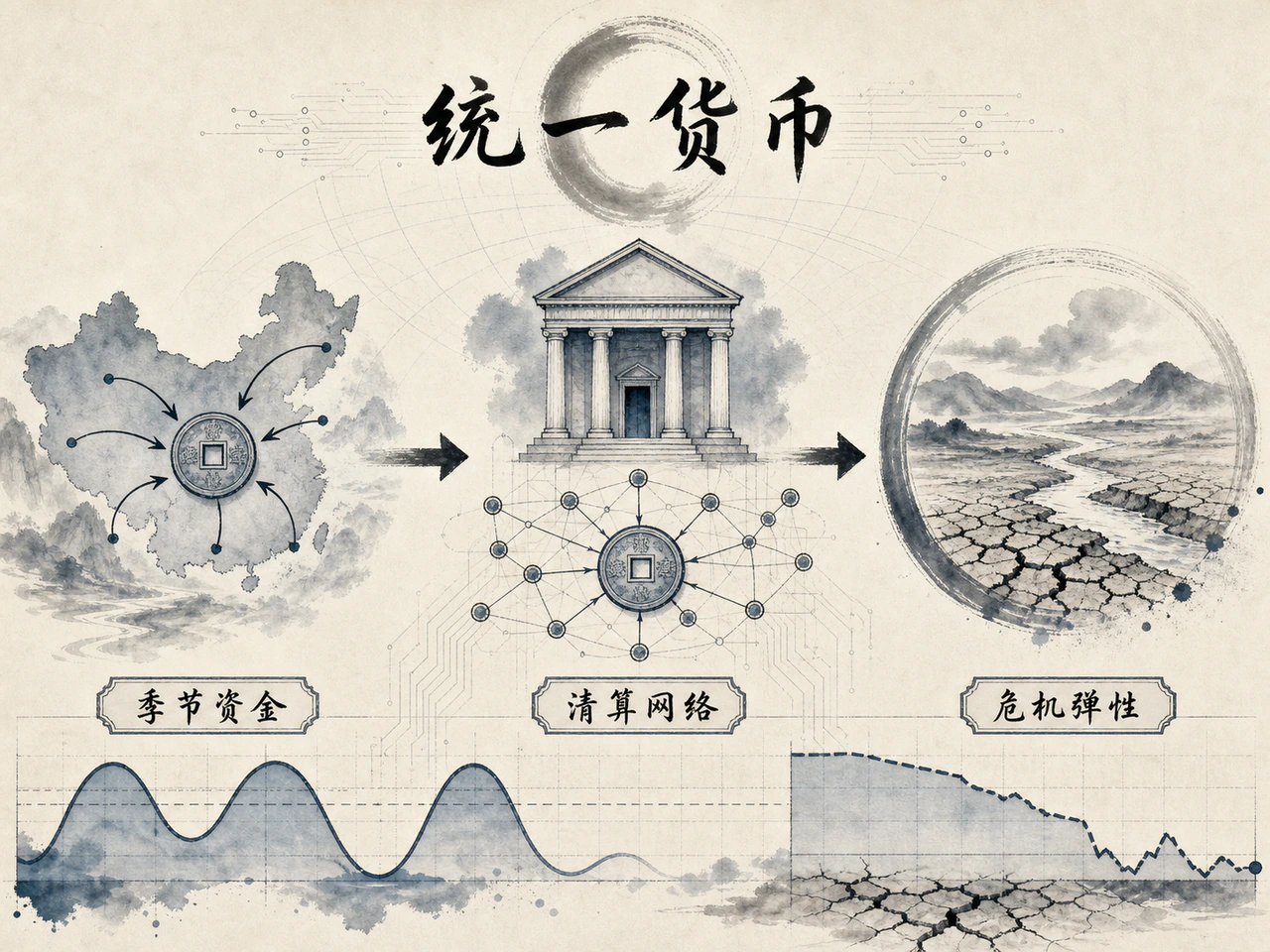
During the Civil War in the 1860s, Congress enacted the National Banking Acts, establishing federal charters, national supervision and national banknotes fully backed by Treasuries. Standardized notes reduced counterfeiting and authenticity-related discounts while creating stable demand for war bonds. America gained standardized currency and federally supervised commercial banks.
But note issuance was directly tied to Treasury holdings and could not flex with seasonal needs. Each autumn's harvest and transport drew funds from eastern centers into the Midwest, driving short lending rates higher and straining New York reserves. A large default or rumor could then cause defensive credit contraction, turning local liquidity pressure into systemic tightening.
Private clearinghouses issued emergency certificates for temporary financing, and Treasury sometimes injected public deposits. These expedients lacked legal authorization and transparent mechanisms and could not replace an institutionally dependable lender of last resort. The national banking system standardized currency's appearance without providing elastic money that could expand quickly in panic.
After 1907, the Morgan rescue model reached its limit
In autumn 1907, rapidly expanding trust companies at the edge of regulation were hit first. Without transparent information, the public could not distinguish temporary illiquidity from insolvency, and withdrawals spread indiscriminately. Morgan, 69, gathered major bank executives in his library to inspect accounts, forced agreement on rescue allocations and coordinated Treasury liquidity. Intervention prevented loss of control while exposing the system's defects.
Private bankers had neither public authorization nor a statutory duty to rescue every institution or region. The model relied on a few individuals' authority, wealth and judgment; another Morgan could not be assured next time. Closed-door choices of whom to save inevitably entangled public and private interests.
Congress established the National Monetary Commission after the panic. European central banks offered lessons, but a European-style institution monopolized by New York bankers remained politically unacceptable amid populism and hostility toward Wall Street.
3. The 1913 system emerged from compromise
A secret meeting could not determine the final law
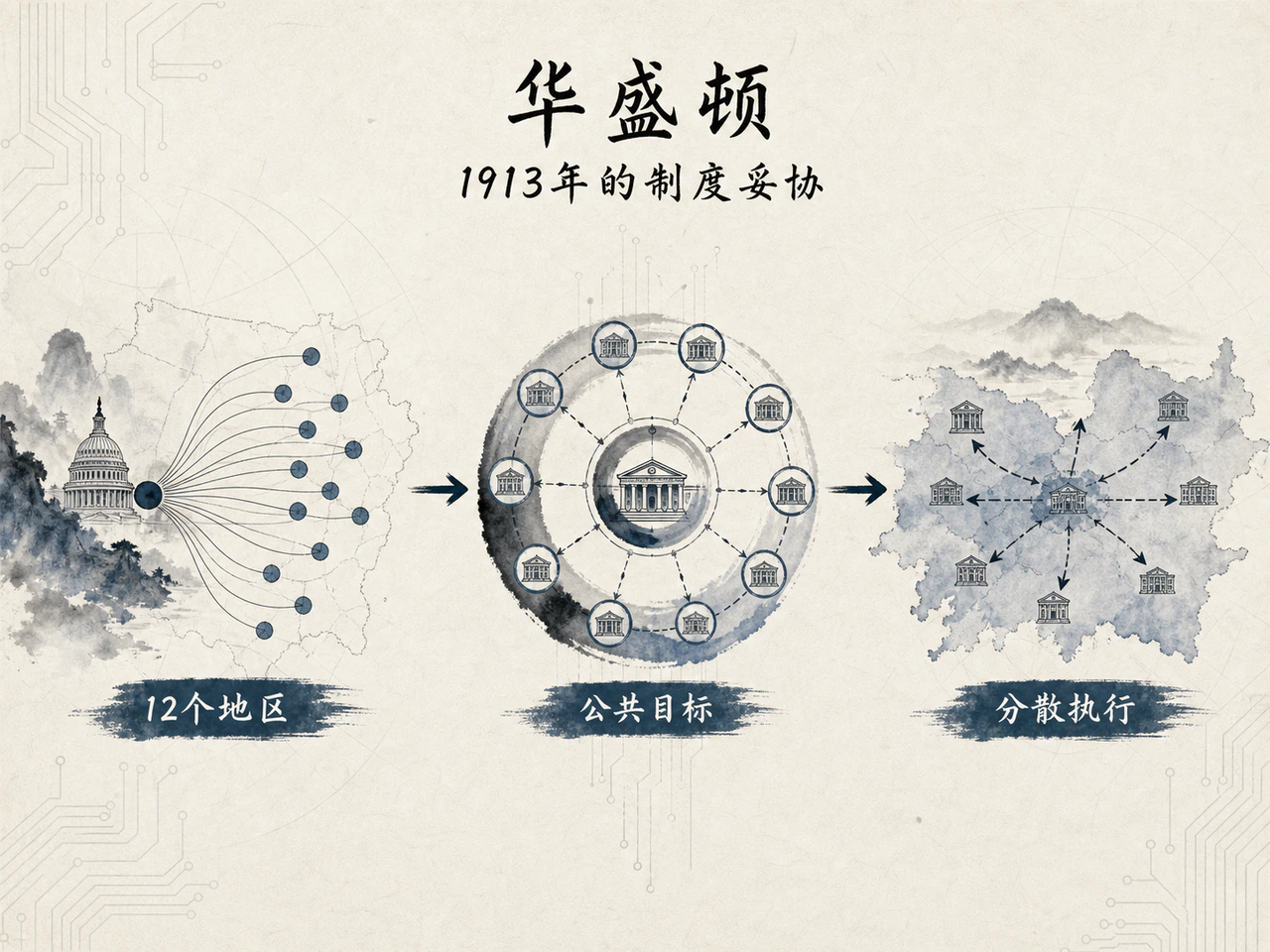
In late autumn 1910, senior politicians and bankers secretly went to Jekyll Island, Georgia to discuss reform. Secrecy reflected the sensitivity of central banking. Their talks supplied technical foundations for centralized reserves and rediscounting, but the final arrangement emerged through years of public debate, congressional changes and Wilson-administration redesign, rather than a private island bargain alone.
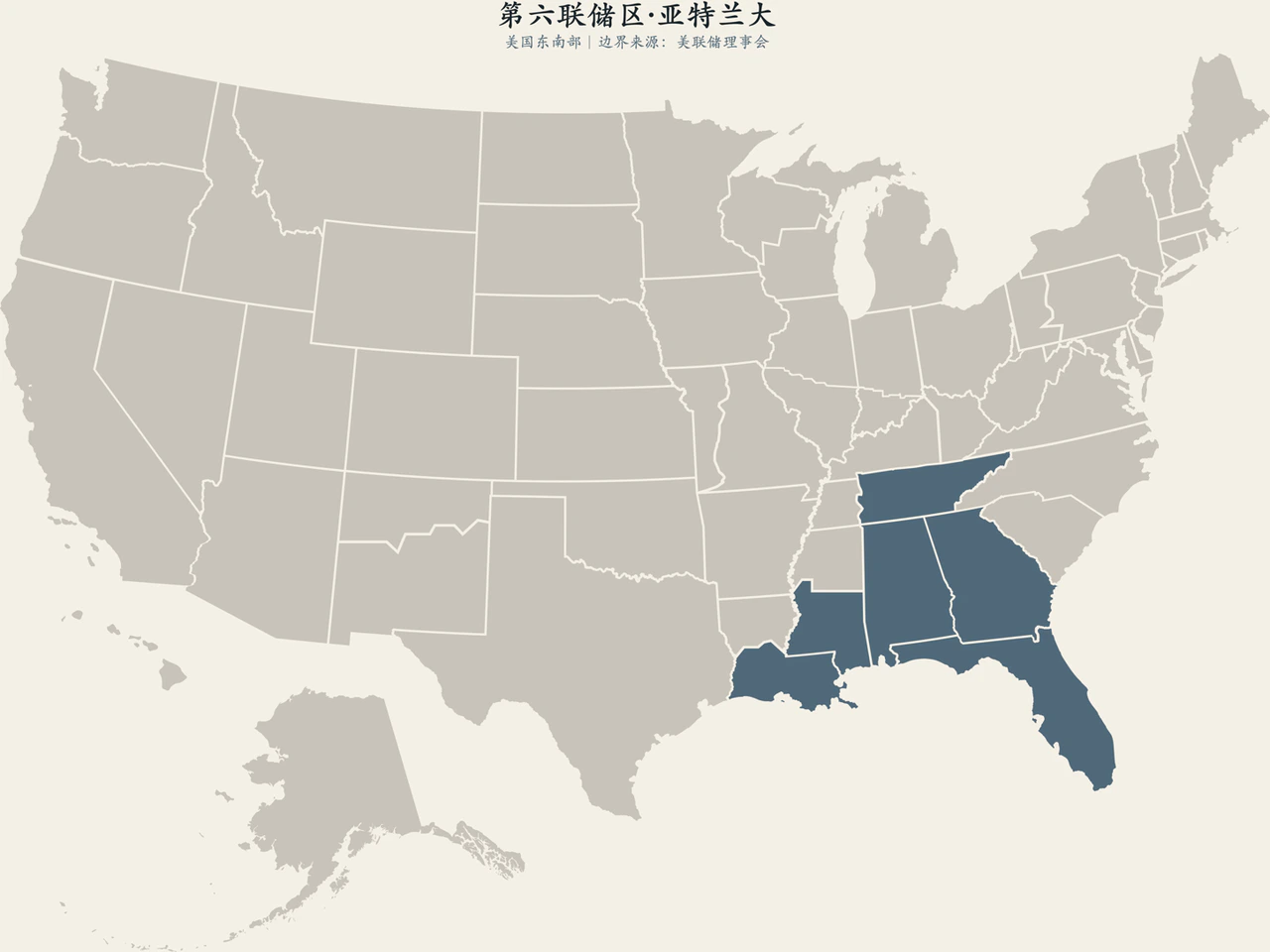
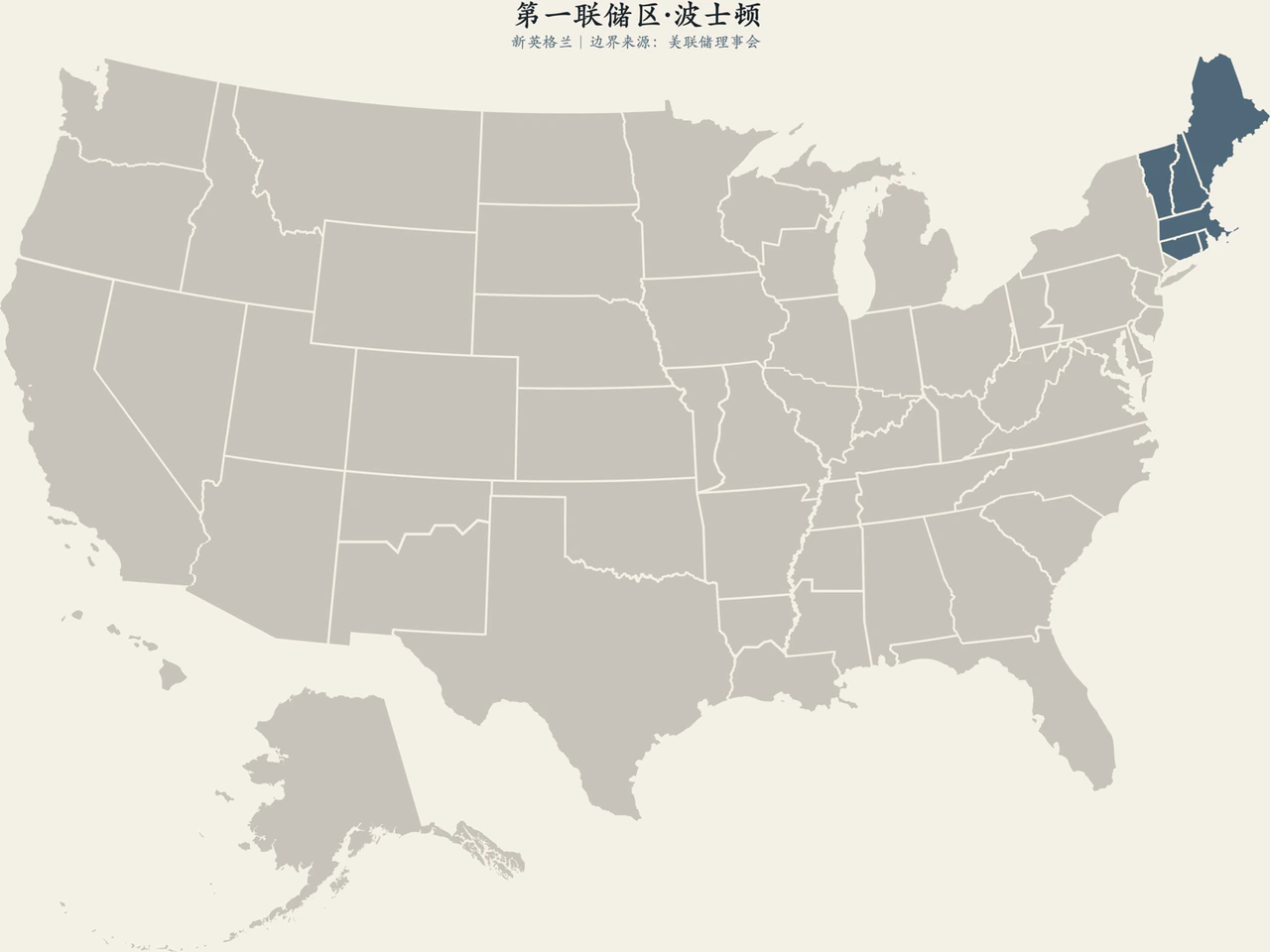
The original Aldrich Plan favored banker self-government. The enacted Federal Reserve Act strengthened the public role and dispersed New York's power through independent regional Reserve Banks. Twelve districts would provide local banks reserve custody and discount services, with a government-appointed Federal Reserve Board in Washington overseeing the system. Member banks subscribed statutory capital while public authorities held top-level oversight: the hybrid structure embodied compromise.
Initially, the Fed did not manage unemployment or a 2% inflation target
The 1913 law had focused practical goals: elastic currency for seasonal liquidity, rediscounting eligible commercial paper, improved interbank settlement and last-resort lending in crises. Today's familiar maximum-employment and price-stability dual mandate developed through the Depression, World War II and decades of amendments. Applying modern FOMC duties to the original act misreads its institutional starting point.
Americans were weighing recurring panics, unconstrained private rescues and a public liquidity center. Twelve regional banks, a Washington public board and mixed governance reconciled opposing needs: central power strong enough to stabilize crises, with checks preventing unilateral control by Washington officials or Wall Street oligarchs.