On August 28, Fed Chair Warsh gave his first keynote since taking office at the Jackson Hole global central-banking symposium. Rather than conventional forward guidance, he set a red line for September: inflation must move clearly and sufficiently quickly toward 2%, or the Fed has work to do. September hike bets quickly rose from about one-third to nearly even odds, sending policy-sensitive short yields higher.
The federal funds target had remained 3.50%–3.75% since December 2025. The late-July FOMC held rates by a 9:3 vote, but all three dissenters favored an immediate increase. Warsh's speech was the most consequential communication between meetings. Its tone continued the Fed's hawkish lean, but a declaration from the chair carried a different weight.
The debut message: a road map, without forward guidance
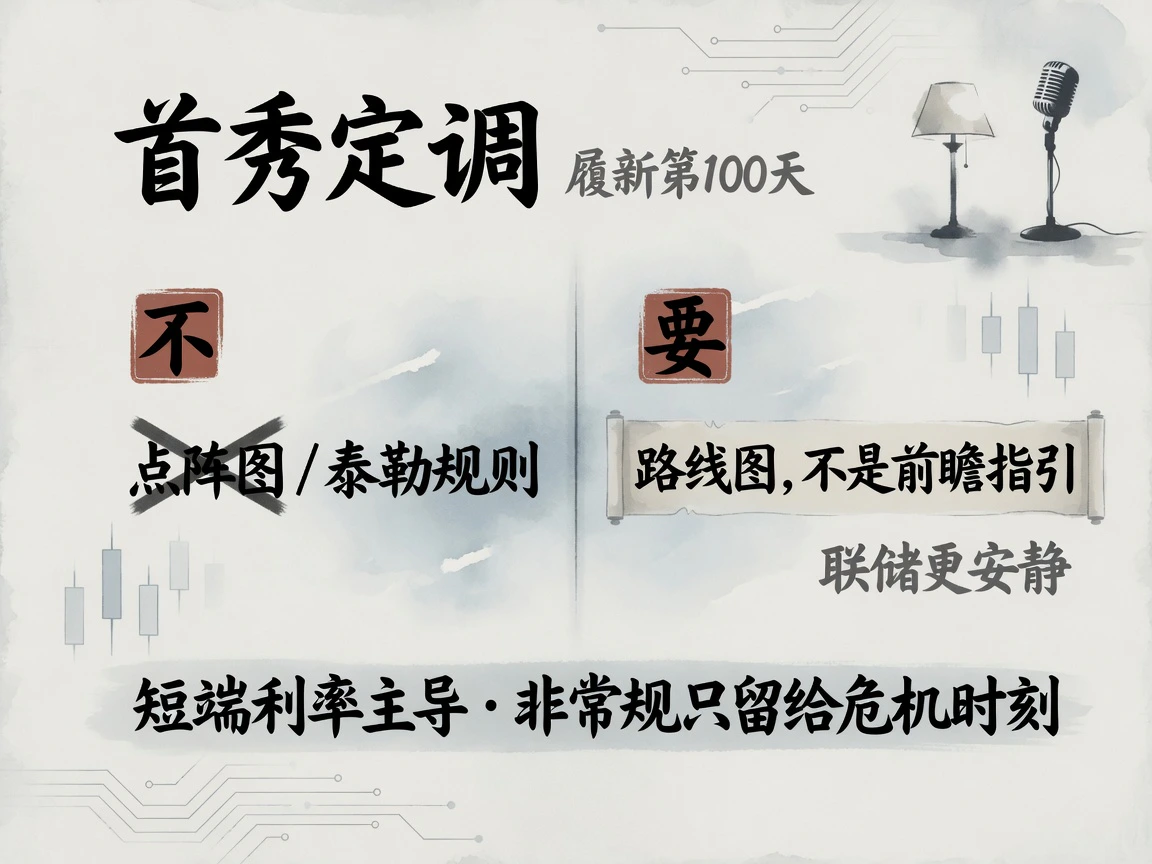
Titled In Our Time, the speech came on Warsh's 100 th day leading the Fed. He explicitly described it as a road map rather than forward guidance. Rejecting mechanical reaction functions such as dot plots and Taylor rules, he called for a quieter Fed whose communications served sound decisions; transparency and predictability were not ultimate goals in themselves. Short rates remained the main tool for the dual mandate, with unconventional balance-sheet tools reserved for crises. He also urged renewed attention to monetary aggregates and warned against complacency despite well-anchored inflation expectations.
The inflation hurdle: PCE at 3.7% hardly counts as clearly returning to 2%
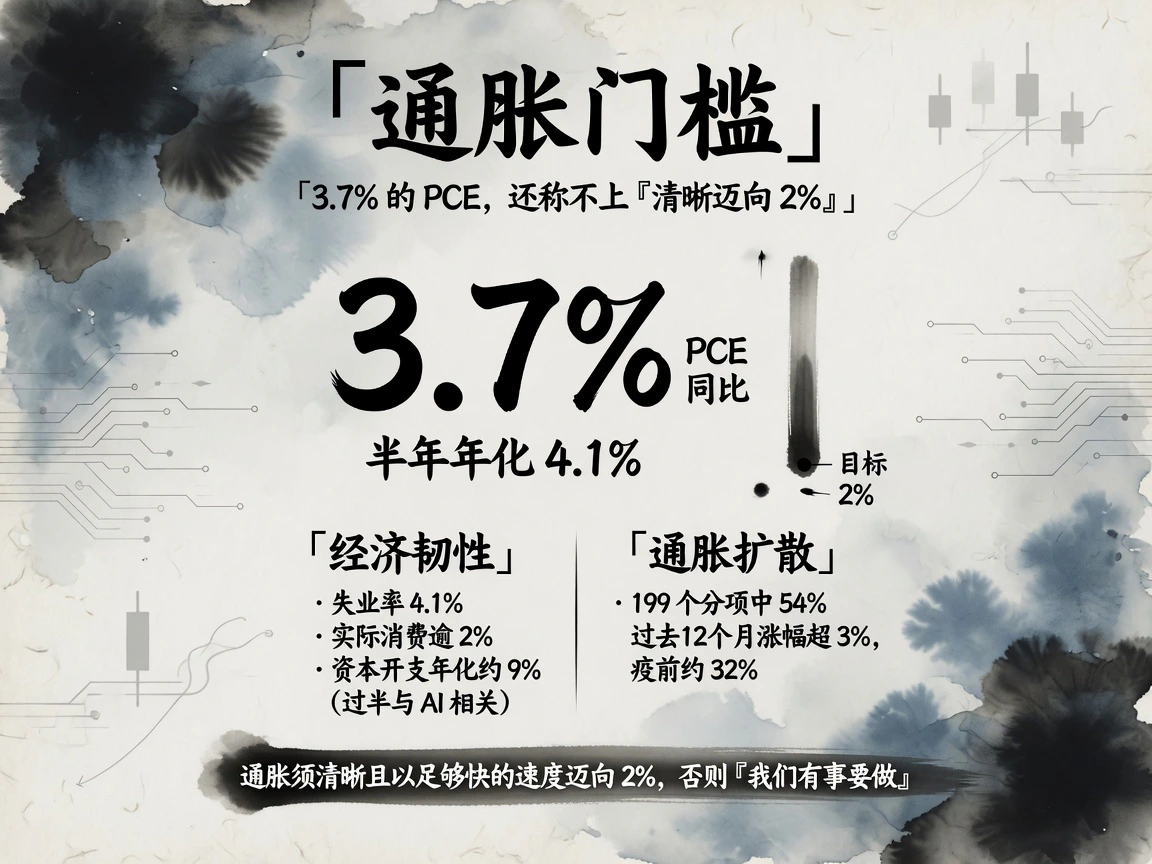
Warsh characterized conditions as tight but not restrictive. Unemployment remained low at 4.1%, and the four-week average of initial claims was near multidecade lows. Business capex had grown at an annualized rate of about 9% over four quarters, more than half driven by AI, while real household consumption had grown more than 2%. Credit markets showed almost no sign of policy restraint. Inflation was the pressing difficulty: annual PCE remained 3.7%, with six-month annualized growth back at 4.1%. Among 199 components, 54% had risen more than 3% over the preceding 12 months, well above the pre-pandemic norm around 32%.
Warsh acknowledged better-than-expected inflation since the start of summer, but judged it insufficient to establish material improvement in the underlying trend. His concise, testable standard required underlying inflation to converge clearly and fast enough toward target, or the Fed would have to act. This continued July's stance: most voters, including Warsh, waited for more evidence while remaining ready to move.
Repricing: September hike odds move from around 30% back to even
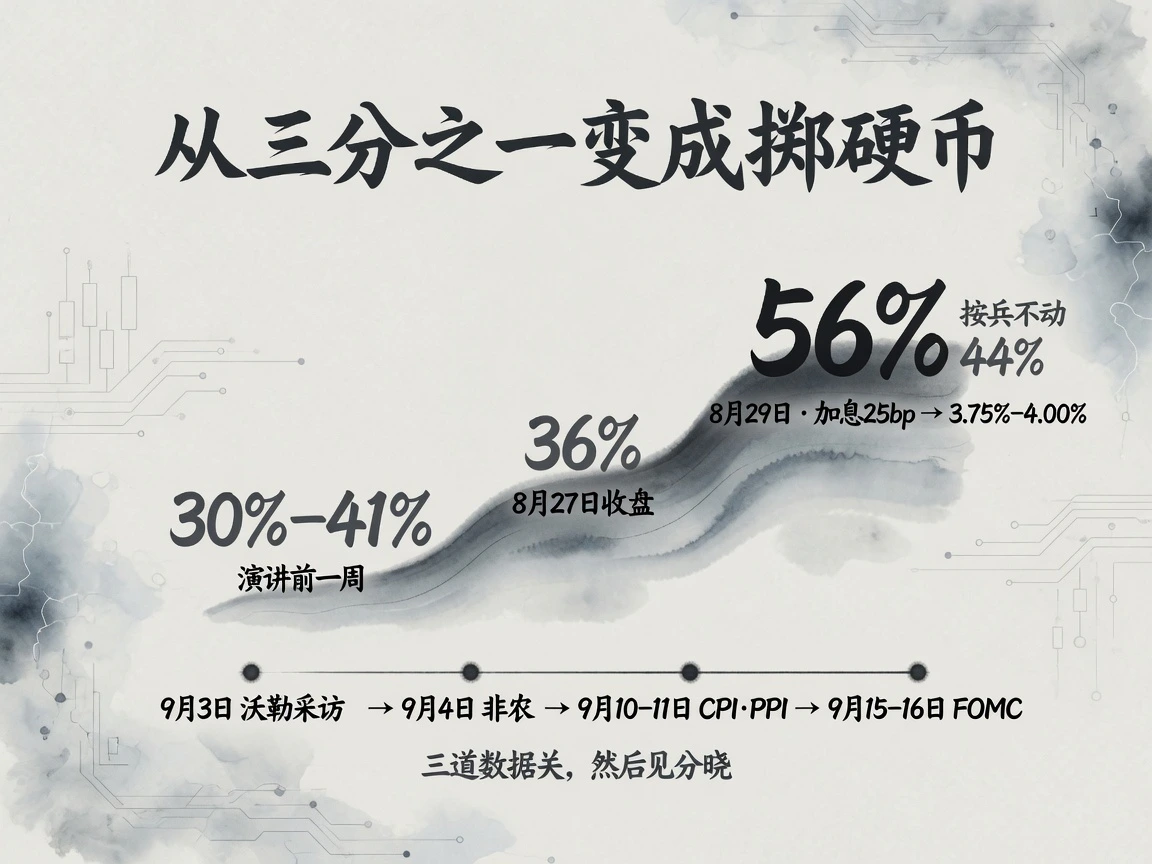
Expectations rapidly shifted after the speech. As of August 29, CME FedWatch put a September 16 hike of 25 basis points to 3.75%–4.00% at about 56%, with unchanged rates at 44%. Hike odds had ranged from 30%–41% in the preceding week and were only 36% at the August 27 close. Kalshi and Polymarket bets also approached even odds, while rising short rates corroborated the hawkish repricing.
Before the decision, markets faced three key tests: signals from Governor Waller's Reuters interview on September 3; the August payroll report on September 4, the last employment report before the meeting; and August PPI and CPI on September 10–11, the final two inflation checks. The September 15–16 FOMC would then deliver its rate decision and updated economic projections.


