Oil edged lower Friday, August 28, ending three consecutive rising weeks for WTI and Brent. Products were exceptionally strong: gasoline gained for a third day to a three-month high and diesel crack spreads neared historical extremes; Russia then extended its diesel export ban. Global energy scarcity pricing has clearly shifted from crude feedstock to refined barrels.
Friday's slight decline ends three rising weeks
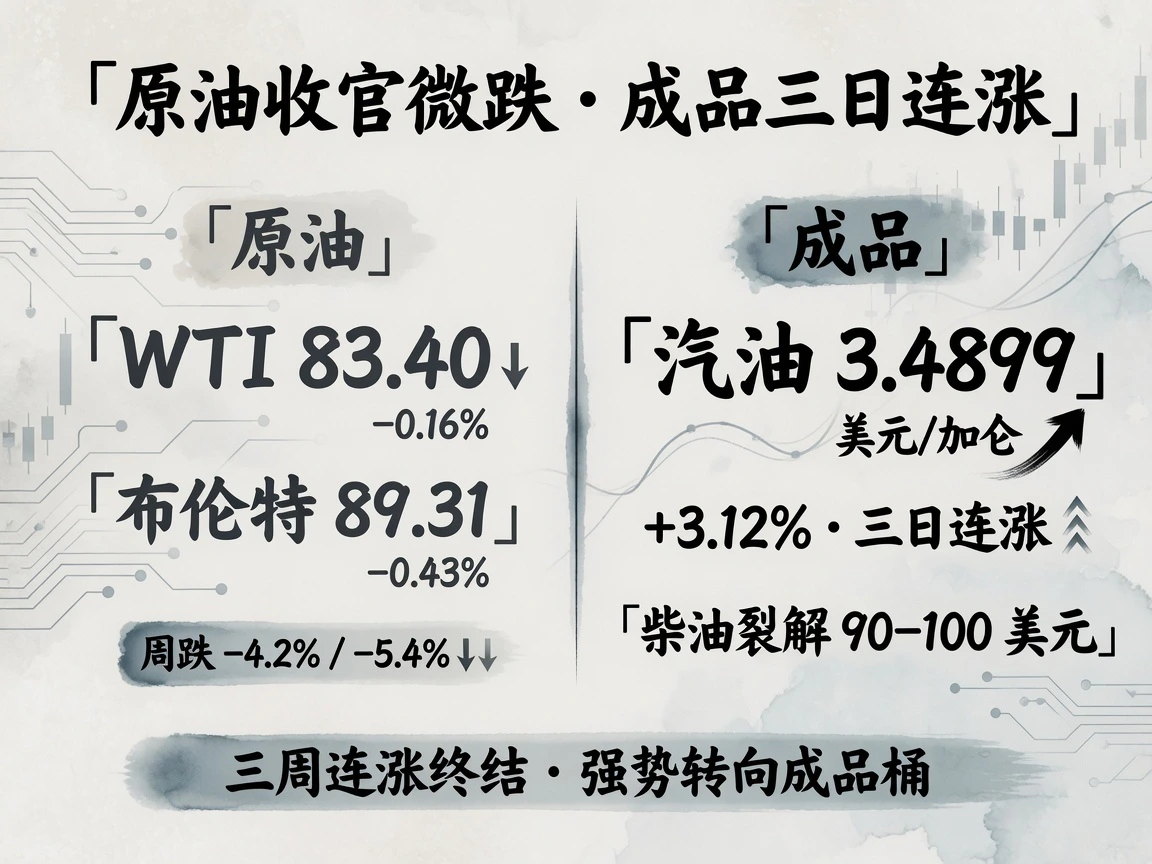
October WTI settled August 28 at $83.40 versus $83.53, down $0.13 or 0.16%, after an $82.25–$83.78 trading range.
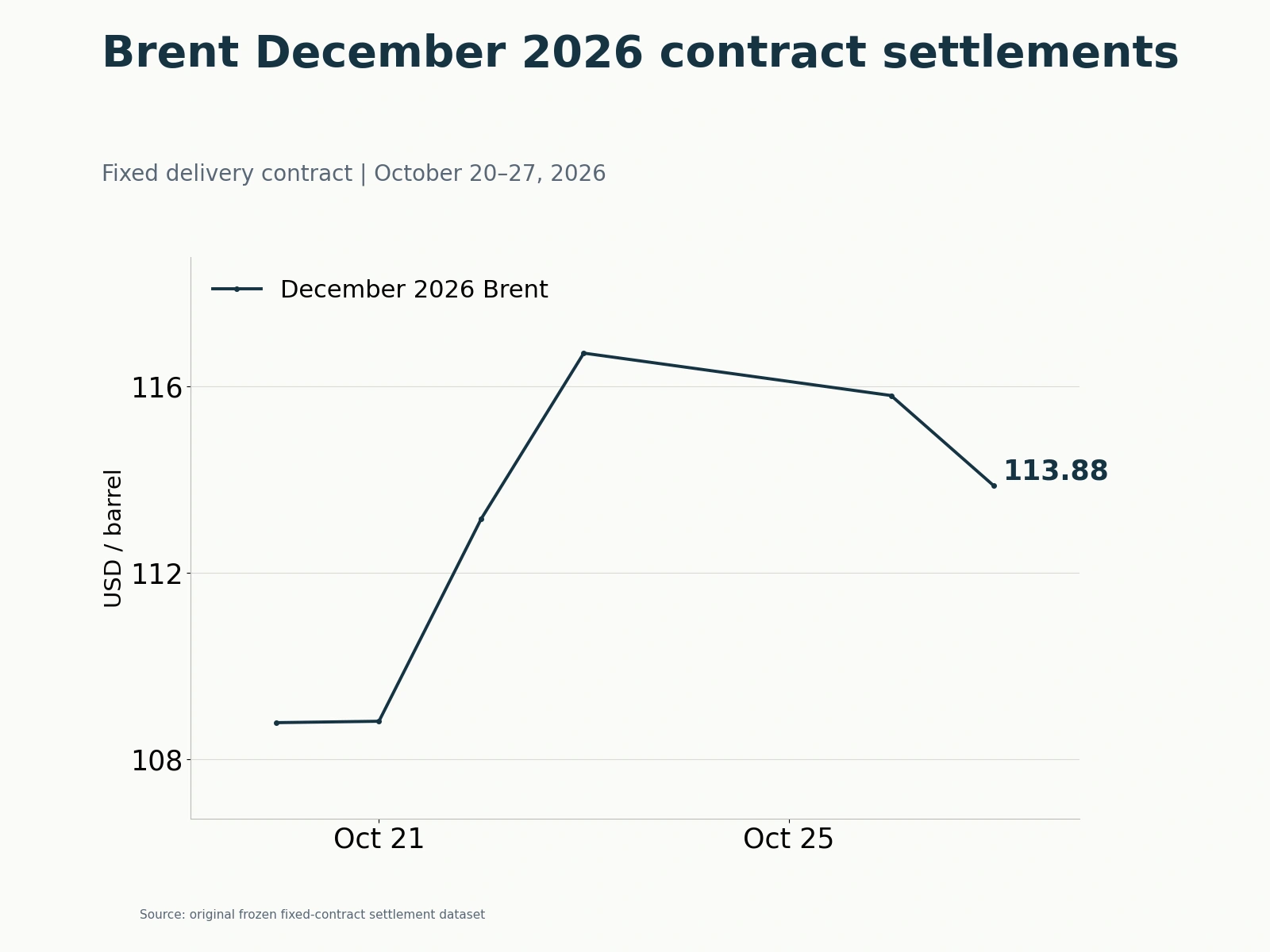
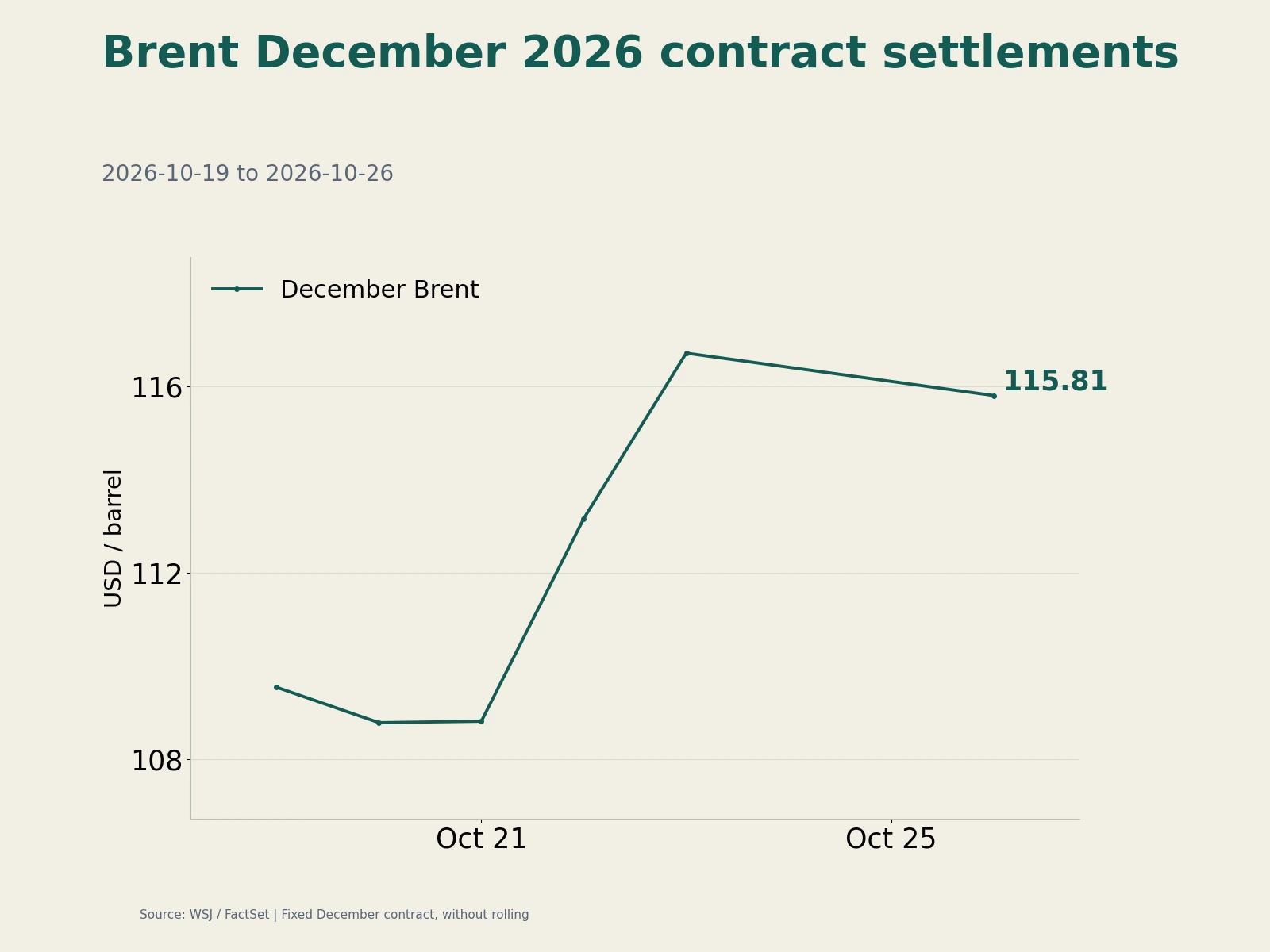
Brent was slightly weaker. Expiring October settled $89.31 versus $89.70, down $0.39 or 0.43%. November, the incoming nearby benchmark, settled around $88.10–$88.18, approximately $1.2 below expiry, in the steepest nearby section of backwardation.
Weekly declines were larger: WTI fell about 4.2% from the previous Friday's $87.06 and Brent 5.4% from $94.39, ending three rising weeks.
Maturity and cross-benchmark spreads still showed physical resilience. Brent's premium over WTI was approximately $5.9 in expiring contracts and $4.7 across adjacent contracts. Both face Middle Eastern disruption, but Brent's greater maritime exposure sustains a higher nearby premium.
Products rallied forcefully. September RBOB gasoline settled $3.4899/gallon, up 10.57 cents or 3.12%, a third gain and a more-than-three-month high. Gulf Coast 3:2:1 cracks reached $68–$71 and diesel cracks repeatedly approached the historical $90–$100 band. AAA's US retail gasoline average rose to approximately $4.09/gallon.
Crude stocks build while products tighten

No new EIA weekly release or OPEC+ decision occurred in the trading window; fundamentals principally used August 26 data for the week ended August 21. Crude kept building while products tightened faster.
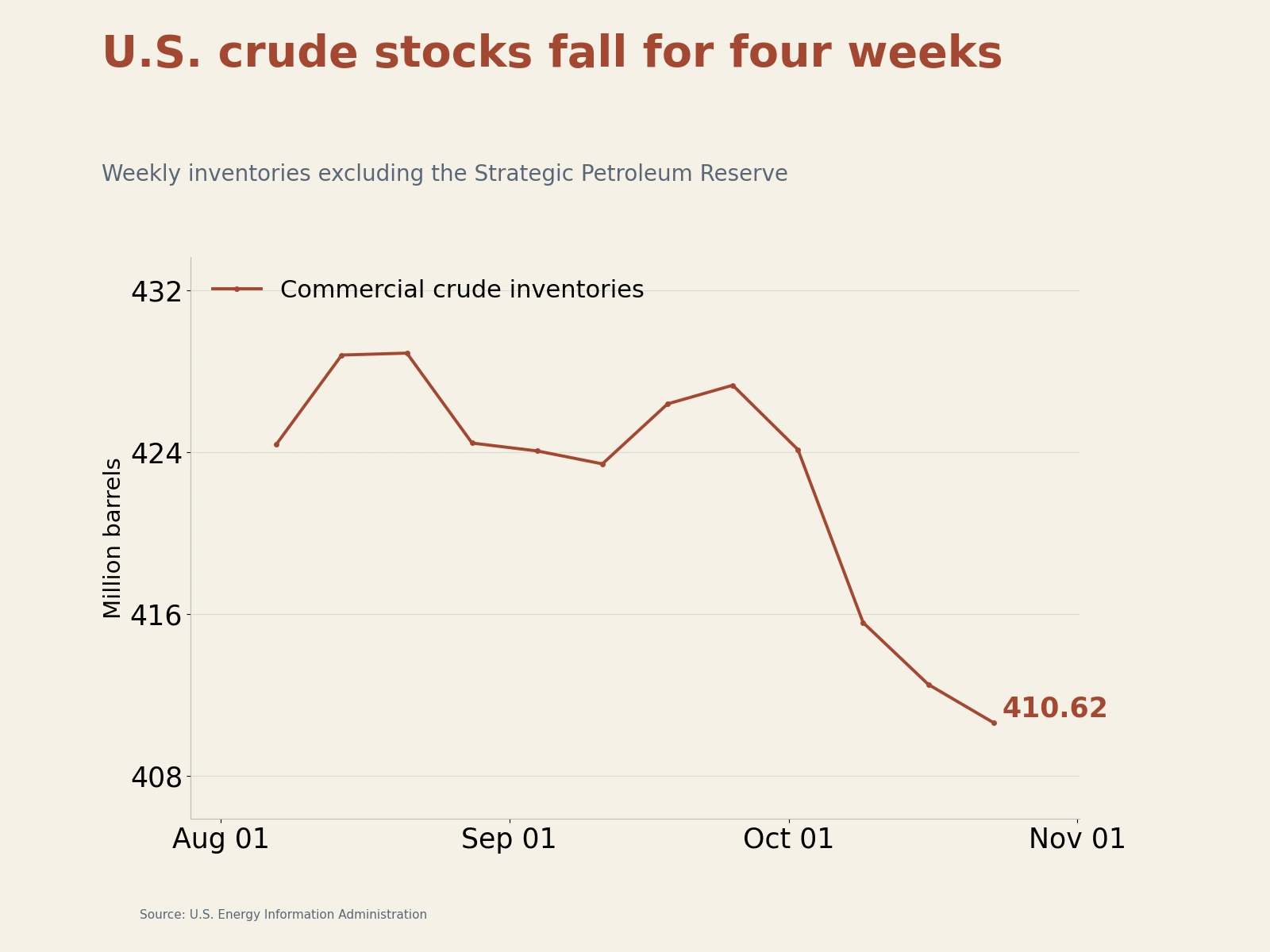
Commercial crude rose 950,000 barrels to 428.9 million, a fourth consecutive weekly increase; Cushing rose 1.2 million. SPR releases continued, down 3.7 million to 289.7 million. Conversely, gasoline drew 2.5 million and distillates 2.2 million, while refinery utilization reached 97.4%, highest since 2018. September 2's next report will test a turning point in crude builds.
Producer policy was quiet. September restoration of 188,000 barrels/day was agreed August 2, fully restoring on paper voluntary cuts since 2023. Markets expected September 6 to pause further October increases, with comprehensive 2027 quota/capacity-baseline review awaiting October 4 JMMC. Under US blockade, Iran's recent exports had nearly frozen and direct vessels were scarce; quota restoration largely remained on paper, far above actual production and transport.
All material incremental supply contraction was in products. Russia announced August 29 a producer diesel export ban, including marine fuel and gasoil, extended to September 30. August Russian runs plunged to around 3.8 million barrels/day, a more-than-two-decade low; at least 21 targeted refinery attacks cut product output sharply year on year. Emergency restrictions were becoming routine, widening diesel/middle-distillate shortages as European, Turkish and Brazilian buyers competed for US Gulf and Indian cargoes, underpinning Friday's cracks near record highs.
Hawkish Jackson Hole drives a daily dollar jump
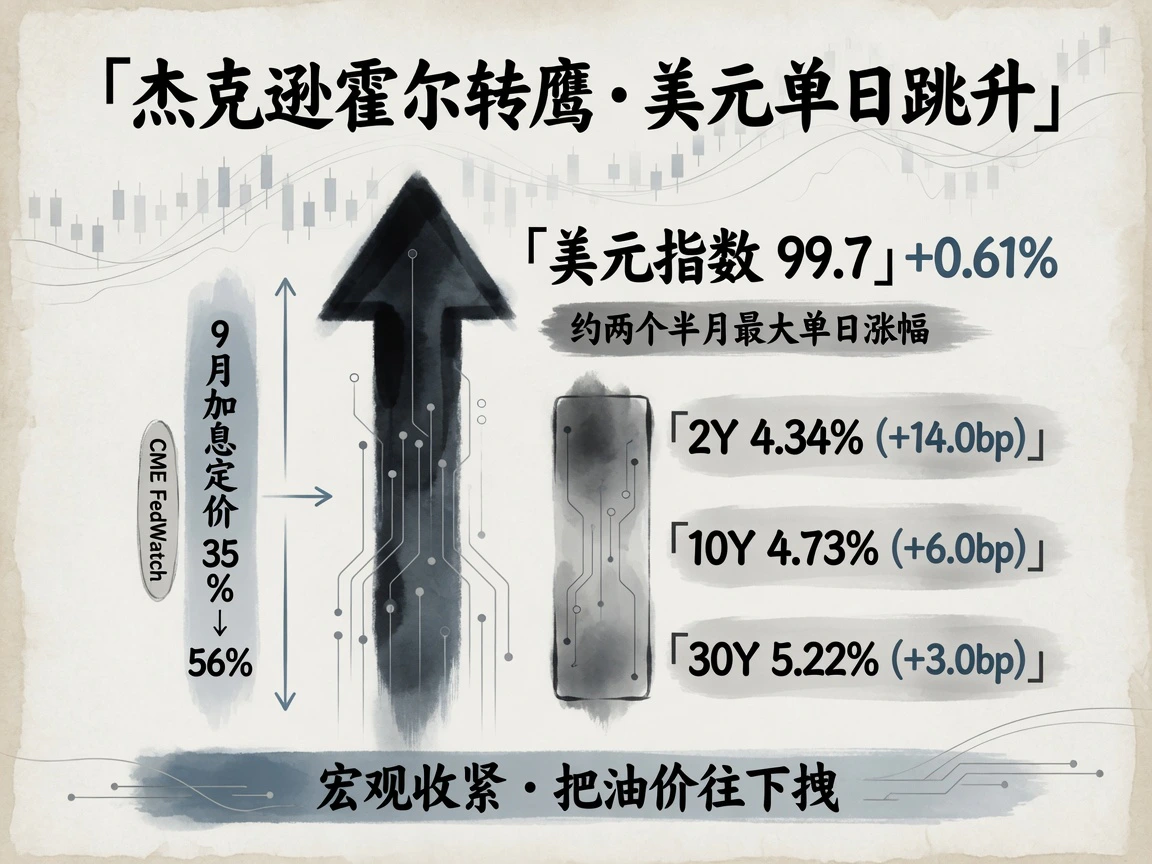
Friday was heavily macro-driven. Warsh's Jackson Hole keynote turned distinctly hawkish, expressing insufficient confidence in smooth disinflation, saying more work remained and financial conditions were not tight. FedWatch September hike odds, around September 16, jumped from roughly 35% to 56%.
Official Treasury daily yields rose: 2-year +14.0bp to 4.34%, 10-year +6.0bp to 4.73%, 30-year +3.0bp to 5.22%. The dollar index surged 0.61% toward 99.7, its largest daily gain in nearly two and a half months, broadly pressuring dollar commodities. S&P 500 fell 0.25% and New York gold settlement dropped 1.73%.
Rates and the dollar, together with intraday rumors of marginally improved strait transit, prompted oil profit-taking despite supportive US refusal to return to June's memorandum and repeated Russian refinery attacks.
An understanding is not a reopened strait

Expectations and implementation remain far apart. Over the weekend Deputy Foreign Minister Gharibabadi said Iran and Oman had an understanding on temporary transit, but it would not activate automatically. Washington must first honor June's memorandum, including lifting blockade/sanctions and compensation; otherwise Iran was not in a hurry to reopen and remained fully closed to unauthorized vessels.
This continued August 25 Tehran talks covering an approximately 11.3-kilometer temporary channel and joint mine clearance. The deadlock remained who moves first. Washington had not softened in two weeks, rejecting direct contact and memorandum reentry while firmly implementing new sanctions.
Frontline logistics were far from recovery. No new attacks were reported Friday through deadline; the latest was August 25's southern-route AL SALAM II incident, with JMIC August 27 retaining maximum SEVERE risk. UKMTO August 28 put AIS-based merchant traffic roughly 90% below prewar and falling since late June's rebound peak; snapshots still showed single-digit daily passages. Windward's August 30 report likewise described near-stalled Iranian seaborne exports and constrained dark fleets, with only about 37 US-guided vessels August 25–26.
Extreme shipping risk fixed freight near the ceiling. August 28–29 Persian Gulf–China TD3C VLCC rates hit records: Lloyd's List $656,000/day, TradeWinds $704,000/day, with actual strait loadings higher still. Median war insurance was approximately 1.5% of hull value, millions extra per passage, raising landed costs far above futures settlements. One-year VLCC charters were only about $126,000/day. This steep time discount indicates markets regard current sky-high freight as a temporary extreme pulse.
Positioning bets on scarce products rather than scarce feedstock
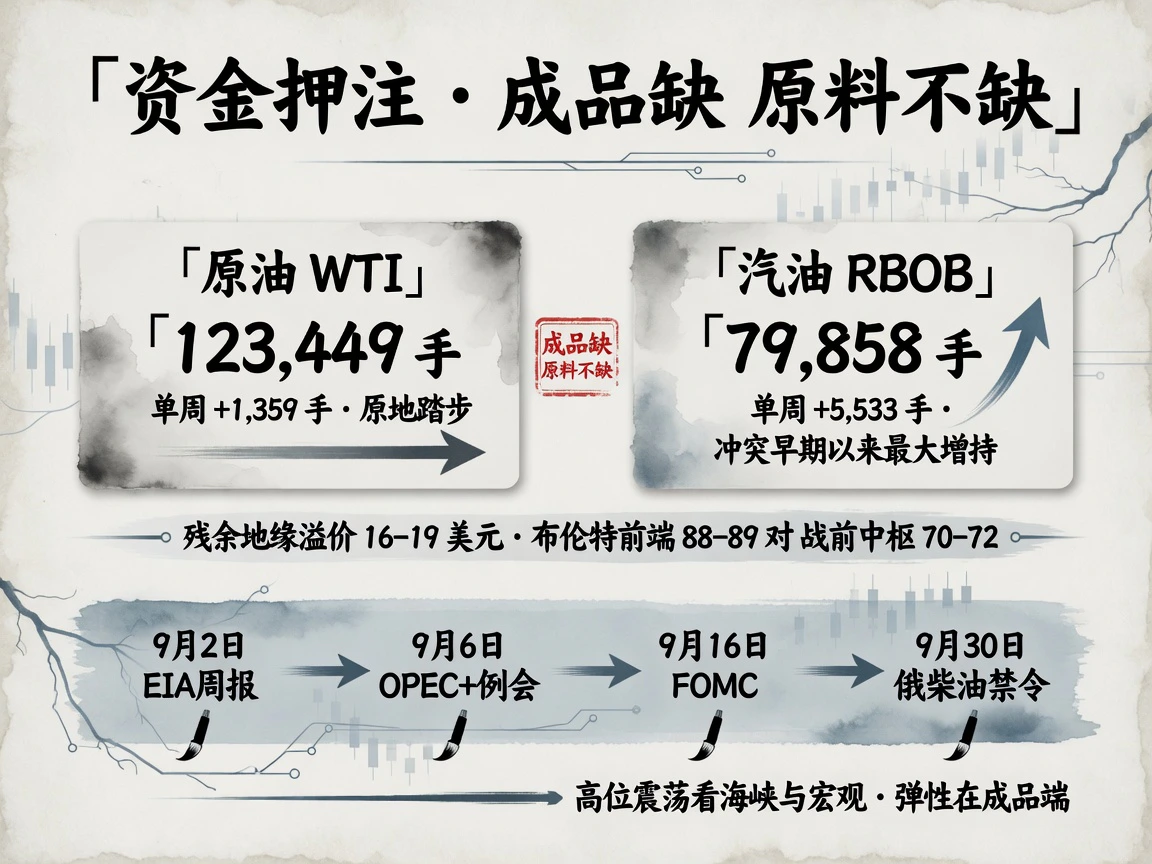
Friday's small crude decline combined three forces: tightening depressed valuations, diplomatic rumors removed premiums, and physical logistics showed no relief. Curves stayed tight and nearby backwardation steep. Brent front prices around $88–$89 versus prewar $70–$72 still contained approximately $16–$19 geopolitical premium; the week's fall mainly removed froth from prior optimism.
Institutional positions provided the clearest structural signal. CFTC data through August 25 showed WTI speculative net longs up just 1,359 contracts to 123,449, nearly stalled sentiment. RBOB net longs jumped 5,533 to 79,858, the largest weekly addition since this conflict began. Capital's view was clear: the rigid structural deficit is downstream products rather than upstream feedstock. Longer fundamentals were unchanged: August IEA/EIA reports projected narrowing Q3 deficits and broad surplus in 2027; deferred prices did not treat Hormuz interruption as permanent.
September brings dense tests: September 2 EIA inventories, including a possible fifth crude build; September 6 OPEC+ confirmation of an October pause; September 4 payrolls and September 16 FOMC reassessing roughly 56% hike odds and the dollar; then Russia's September 30 diesel-ban expiry. Crude is expected to trade widely at elevated levels, tracking actual Hormuz passage and rates, but marginal sensitivity and volatility leadership have shifted fully to products.