On August 31, 2026 US Eastern time, Fed Chair Warsh made his first multilateral diplomatic appearance since taking office, delivering opening remarks alongside Treasury Secretary Bessent at the G20 finance ministers and central-bank governors meeting. Two weeks earlier at Jackson Hole, he had said inflation was a choice; he now extended the argument to growth. In a window without major macroeconomic releases, his comments quickly stirred tightening concerns and pushed the priced probability of a September hike toward two-thirds.
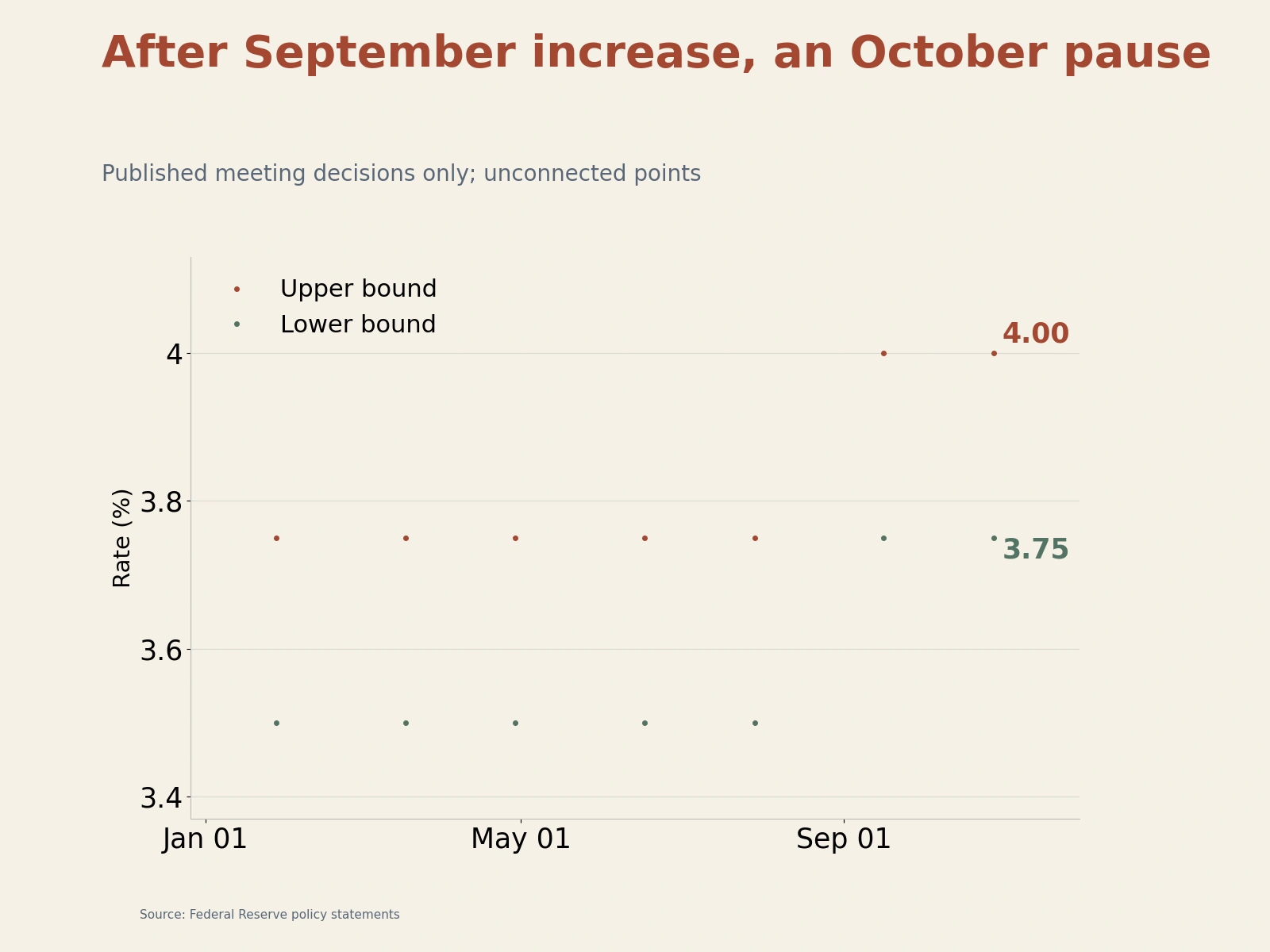
The policy baseline was unchanged: the federal funds target remained 3.50%–3.75%. The July 29 FOMC held by 9–3, with an unusual three dissenters favoring a hike. The next decision and quarterly dot plot were due September 15–16.
Warsh's G20 Debut: Growth Is Also a Choice
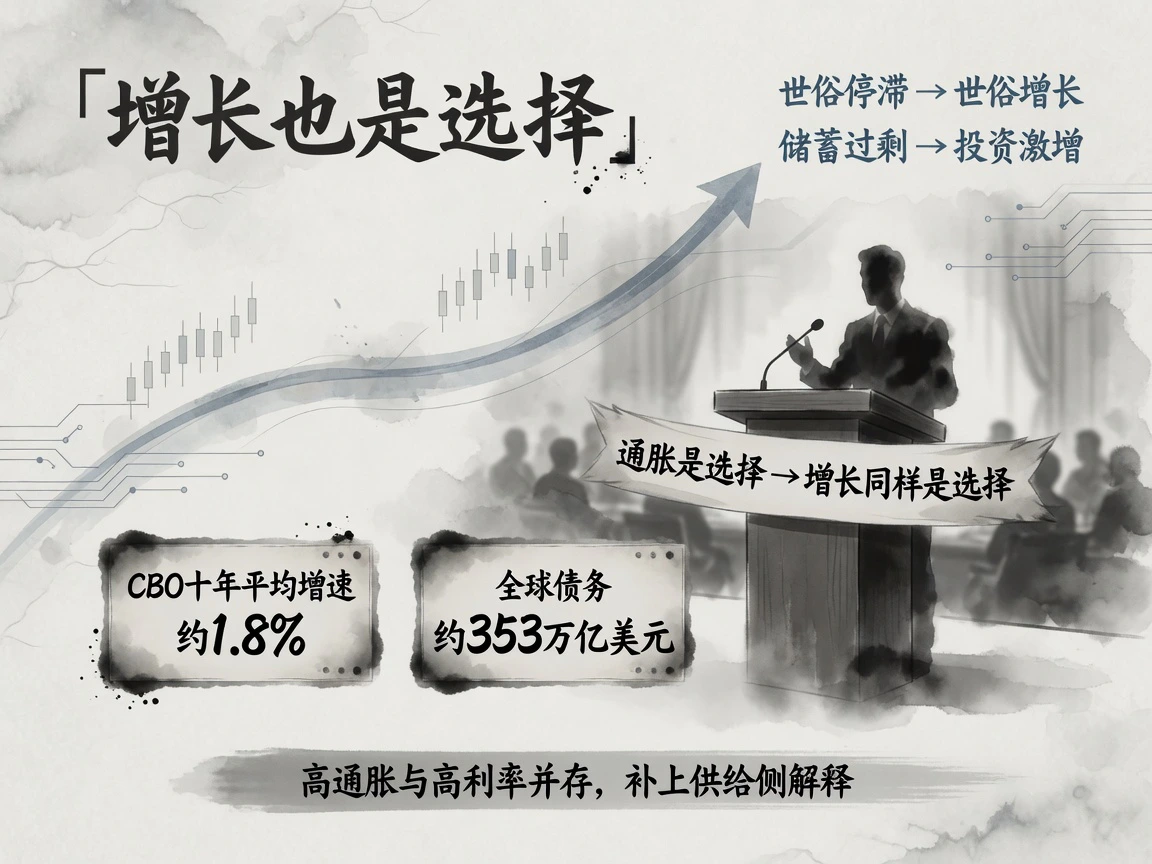
Warsh's short opening remarks resembled an impromptu explanation rather than a formal prepared speech, and the Fed website did not publish a full text, but the message was dense. After reaffirming his stance, he added that having described inflation as a choice, he now wanted to say growth was also a choice, shared by everyone present.
He then rejected two narratives long familiar to the G20. Secular stagnation belonged to the past, with the world moving into an era of secular growth. A global savings glut was likewise an outdated description; today's defining feature was a global investment surge.
Warsh said US growth was strengthening. Citing the CBO's roughly 1.8% average annual growth forecast for the coming decade, he called its productivity assumptions fairly modest and asked whether enormous AI capital spending could meaningfully raise and sustain total factor productivity. The implication was clear: analysis of growth and inflation must move beyond demand to reassess supply constraints and potential growth. This matched the US meeting theme that only growth offered a way out from record global debt of approximately $353 trillion. Energy shocks, sanctions, digital assets and cross-border payments were also on the agenda.
This complemented his August 28 Jackson Hole position that inflation remained too high and the Fed had work to do. A stronger growth narrative did not relax inflation tolerance; it supplied a supply-side rationale for high inflation coexisting with high rates. No other Fed officials appeared publicly during the window, and the G20 communiqué had not been released at the reporting cutoff.
Hike Pricing Moves Higher Again
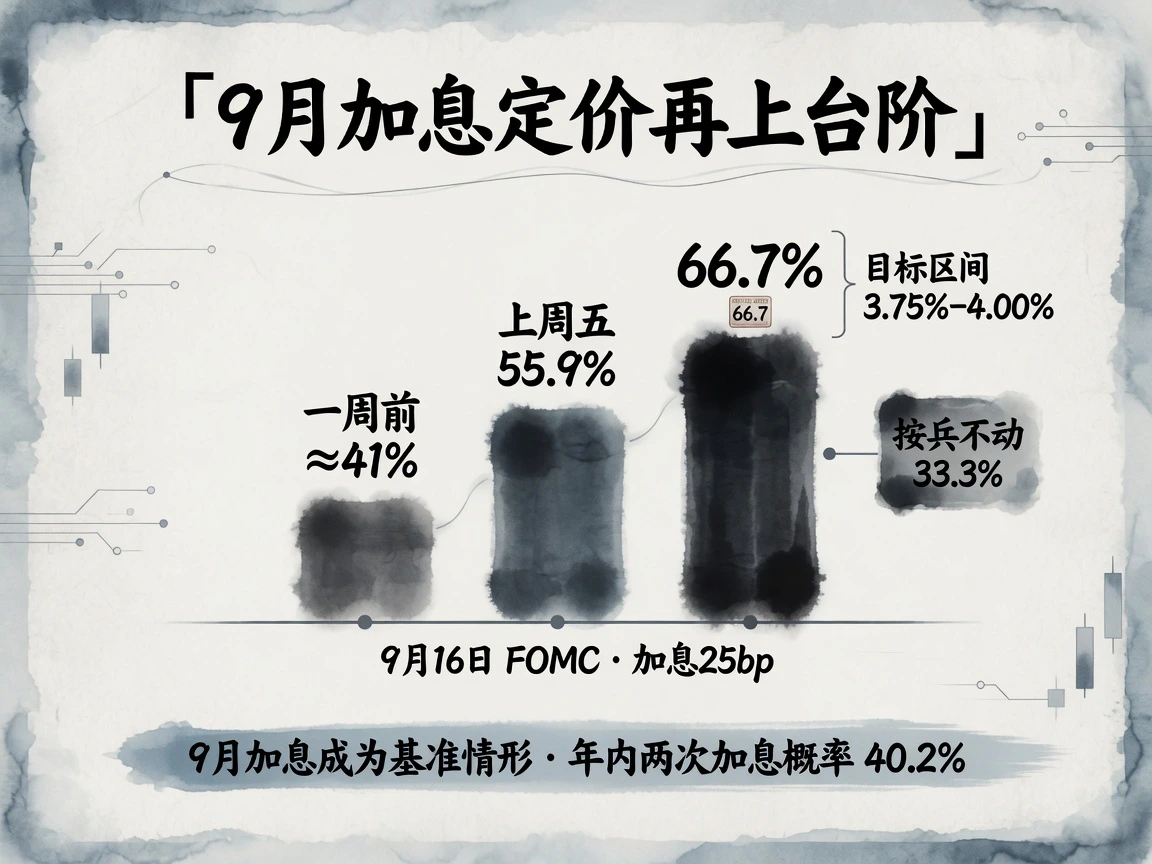
Rate derivatives quickly echoed the hawkish undertone. At 13:25 Eastern on August 31, CME FedWatch figures relayed by Investing.com showed a 66.7% probability of a September 16 hike of 25 basis points to 3.75%–4.00%, versus 33.3% for no change. Friday, August 28 had closed at 55.9% versus 44.1%; a week earlier, markets favored a hold at about 59.3%. TipRanks' same-day tracking put hike odds at 65.9%, versus 57% on August 28 and 41.4% the week before. Its year-end path assigned 40.2% to two hikes this year, slightly above 39.6% for one.
The two measures were closely aligned, showing a consistent direction of positioning, while policy-sensitive short yields also rose. August 31's expectation jump reflected both immediate digestion of Warsh and defensive repositioning ahead of key data. Platform snapshots varied slightly, but a September hike becoming the baseline was well established.
What to Watch Next
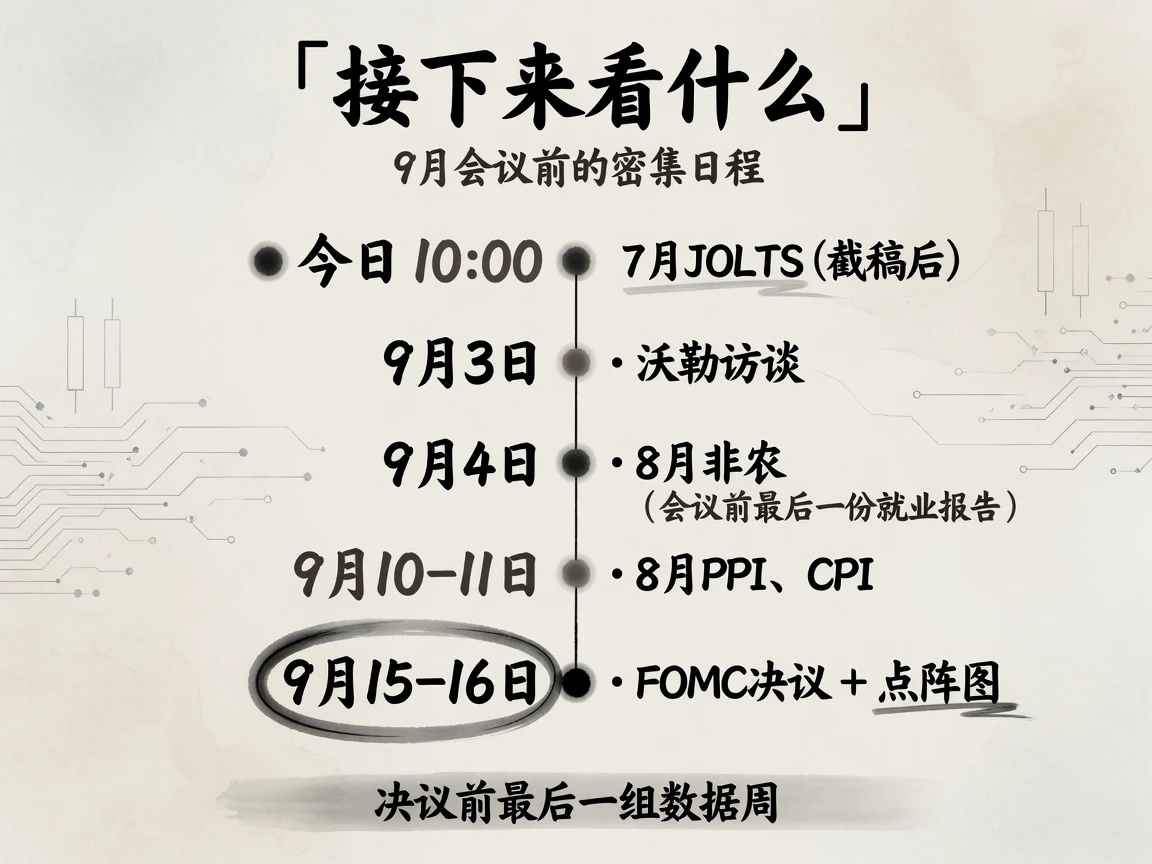
Key events would arrive in quick succession from this week. Today's July JOLTS release at 10:00 Eastern and Governor Barr's outlook speech both came after the cutoff. Governor Waller's Reuters interview on September 3 would provide guidance; August payrolls on September 4 would be the final major employment report before the September meeting.
The midmonth schedule tightened further: August PPI and CPI on September 10–11, then the FOMC decision, quarterly projections and dot plot on September 15–16, followed by Warsh's press conference.