Two important Fed signals reinforced one another on September 2. The latest Beige Book described modest expansion, neither hot nor cold employment and persistent price pressure. New York Fed President Williams took a balanced position, neither endorsing nor ruling out a September increase. Their consistent messages kept futures pricing of hike odds around 60%–70% ahead of payrolls and inflation, awaiting the mid-September decision.
Economic data: modest growth and divergence in the Beige Book

Released September 2 Eastern time and based on information through August 24, the Beige Book was the final regional overview before September's FOMC. Ten of twelve districts reported slight to modest growth; two were broadly flat.
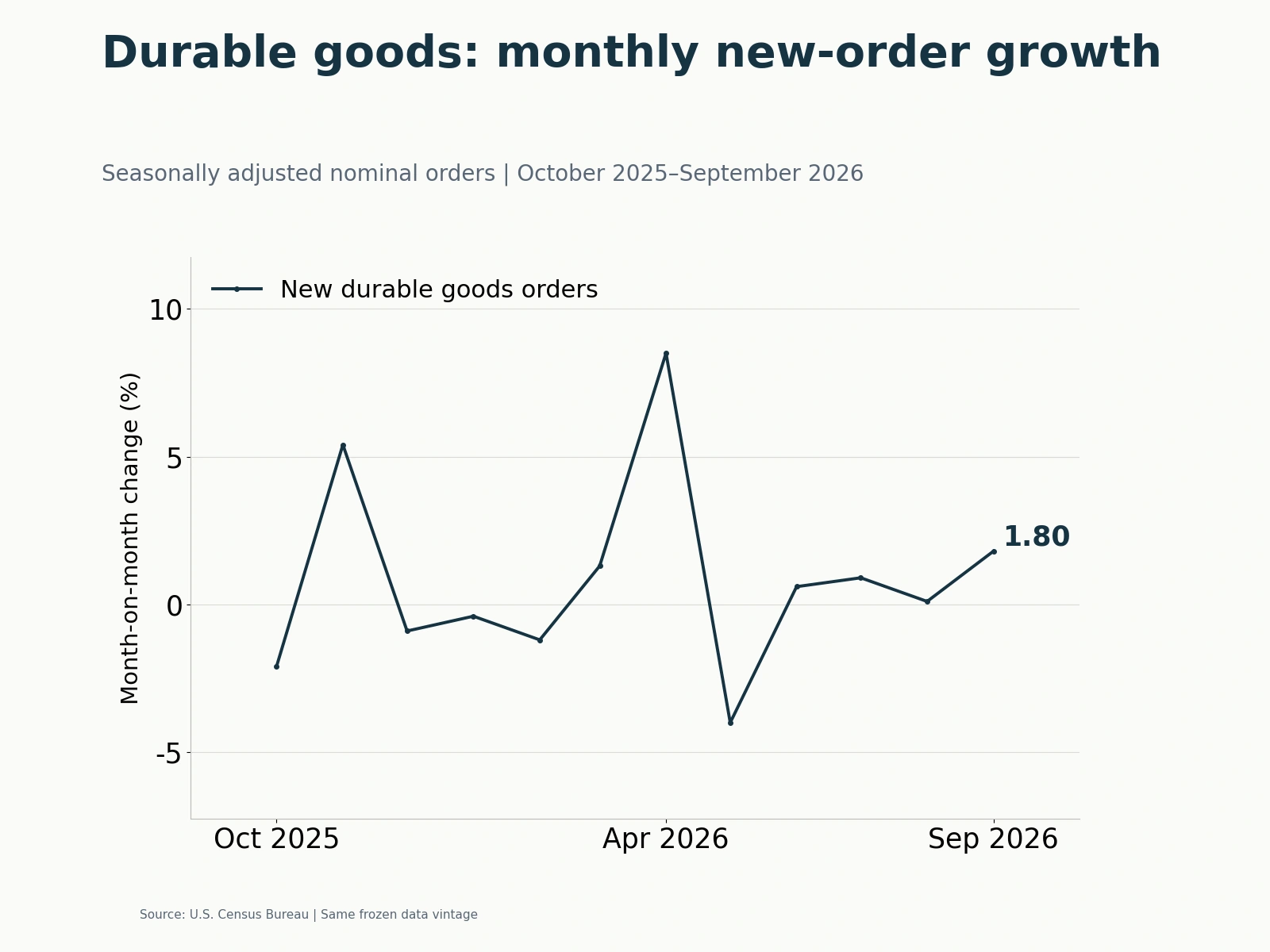
Employment was generally little changed. Skilled construction and manufacturing workers remained scarce, and wages rose modestly to moderately. Eight districts reported modest price increases, with high energy, transport and industrial-metal costs plus continued tariff and insurance pass-through. Greater consumer price sensitivity, however, substantially constrained downstream cost transfer.
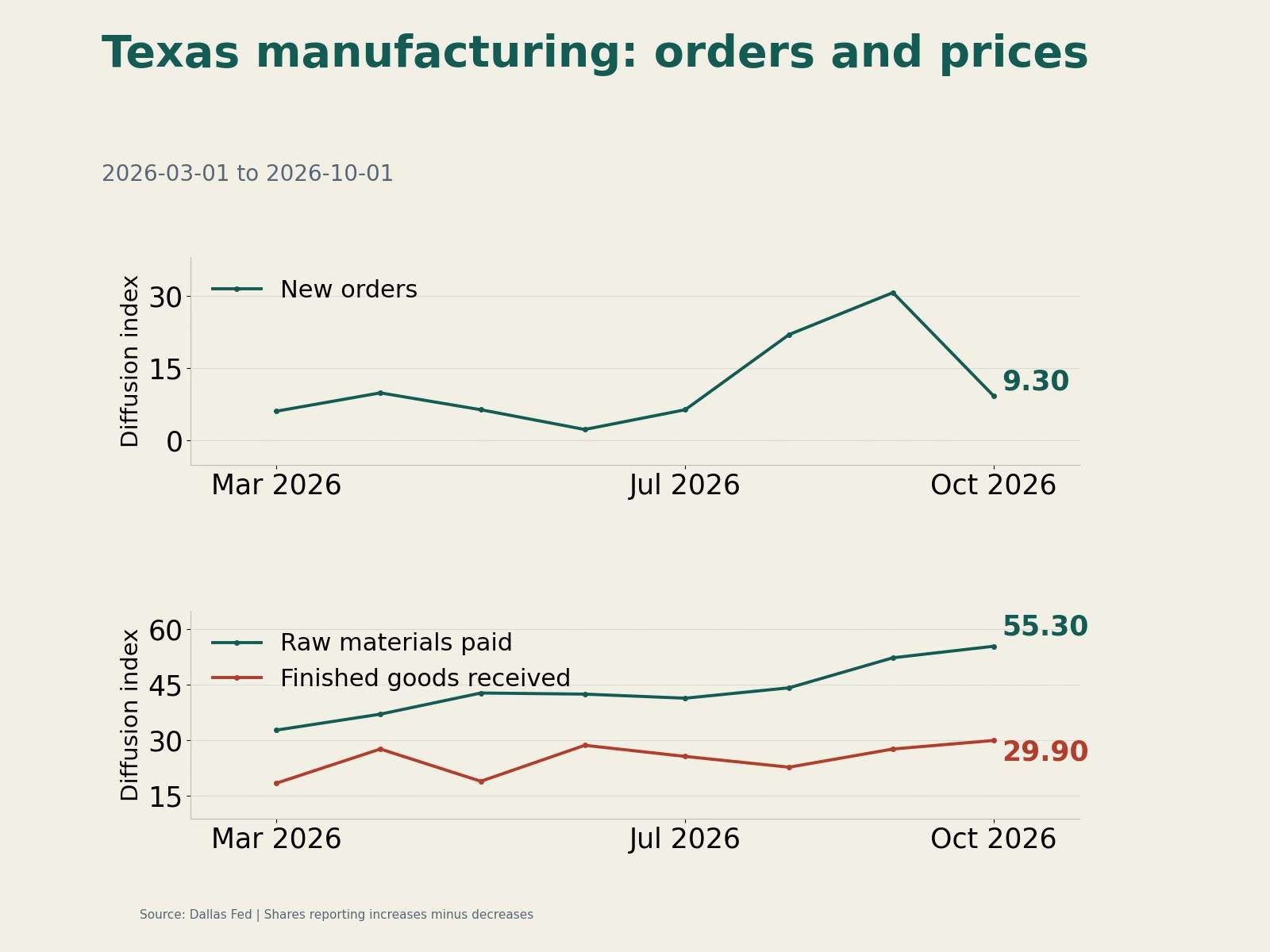
Sectors diverged. Manufacturing stood out, supported by data-center infrastructure and defense orders. Consumption remained K-shaped: high-end demand held firm while price-sensitive low- and middle-income budgets tightened. Businesses were generally positive, but district sentiment diverged more, with uncertainty centered on energy, trade policy and conflict.
Together with the previous day's July JOLTS vacancies of 7.271 million, the picture was subtle: labor was neither tight enough for a wage-price spiral nor weak enough to spark fears of rapidly rising unemployment. It remained on a benign rebalancing path.
Williams: neither confirming nor closing the door
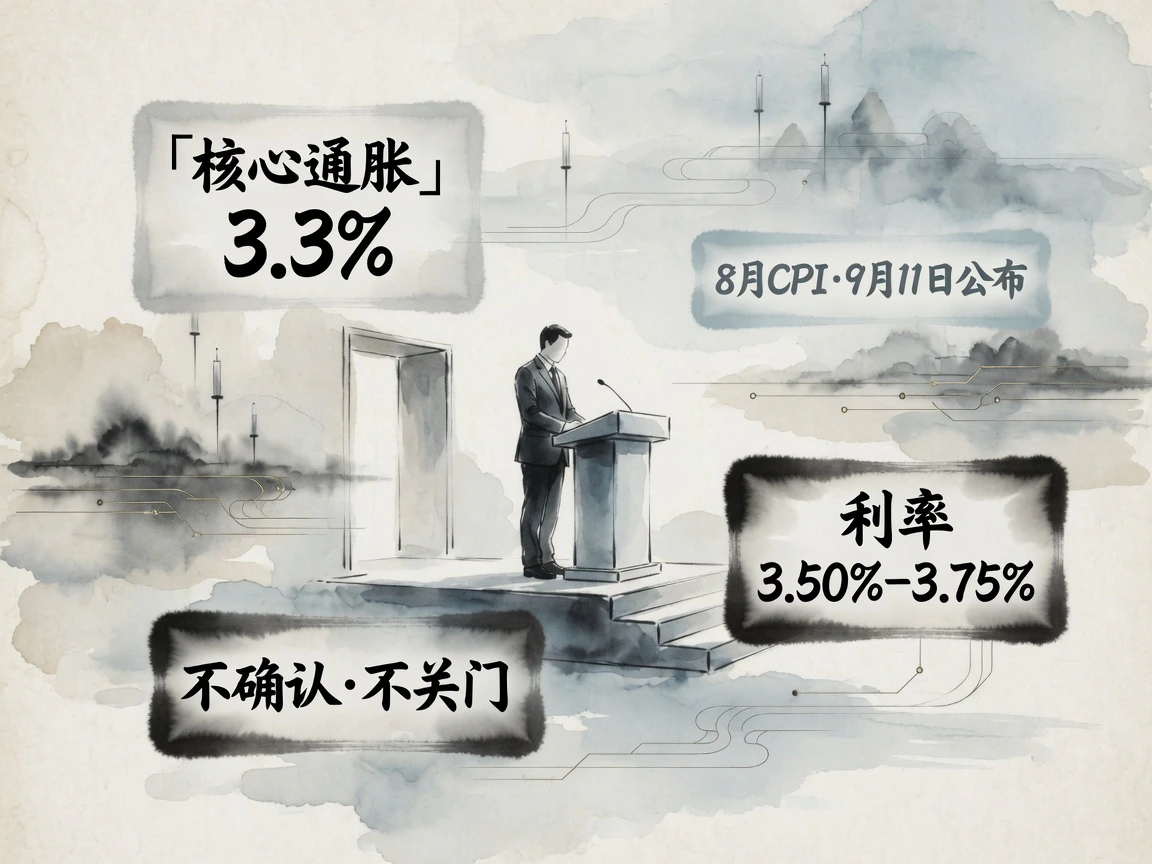
That morning Williams called recent disinflation progress encouraging. He attributed current core inflation of about 3.3% mainly to one-off external tariff and energy shocks, without signs of secondary spread into broader core services. Medium- and long-term expectations were anchored and wage growth controlled. As tariff effects faded, he expected slow further disinflation. Decisions, however, required the full economic picture rather than one or two months. August CPI, due September 11, would provide a final important inflation test before the decision.
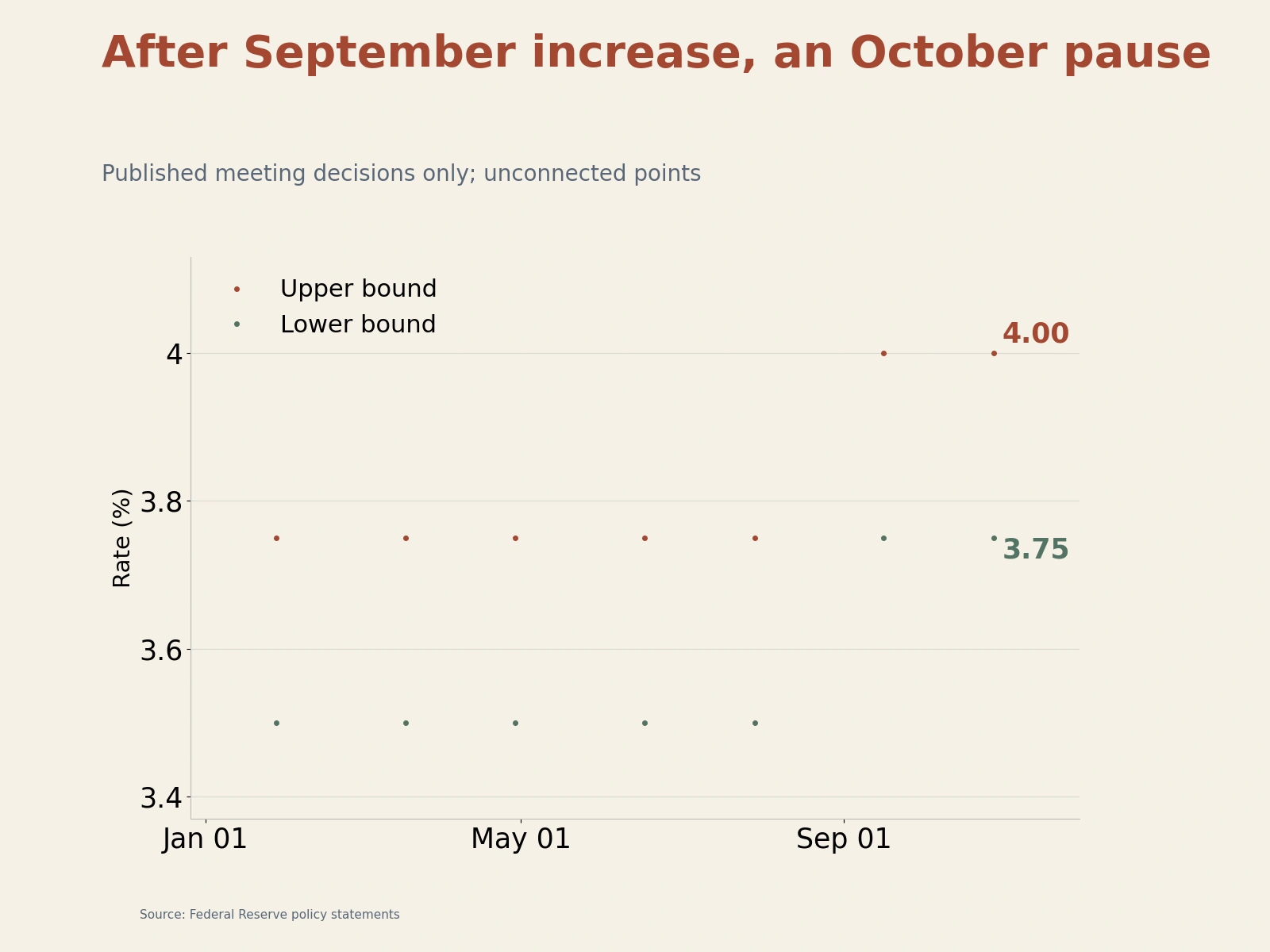
Williams maintained tactical balance. He reiterated support for July's 3.50%–3.75% hold and said there was no clear indication yet that September required a hike, while retaining data-dependent flexibility. Markets read this as neither a commitment to a hike nor a closed door.
He attributed rising long Treasury yields to resilient fundamentals and strong financing demand from AI infrastructure and data centers—an increase in the real natural rate—rather than uncontrolled inflation or dysfunctional bonds. He reaffirmed the Fed's statutory responsibility to return inflation firmly to 2%.
Hike odds remain around 60%–70%
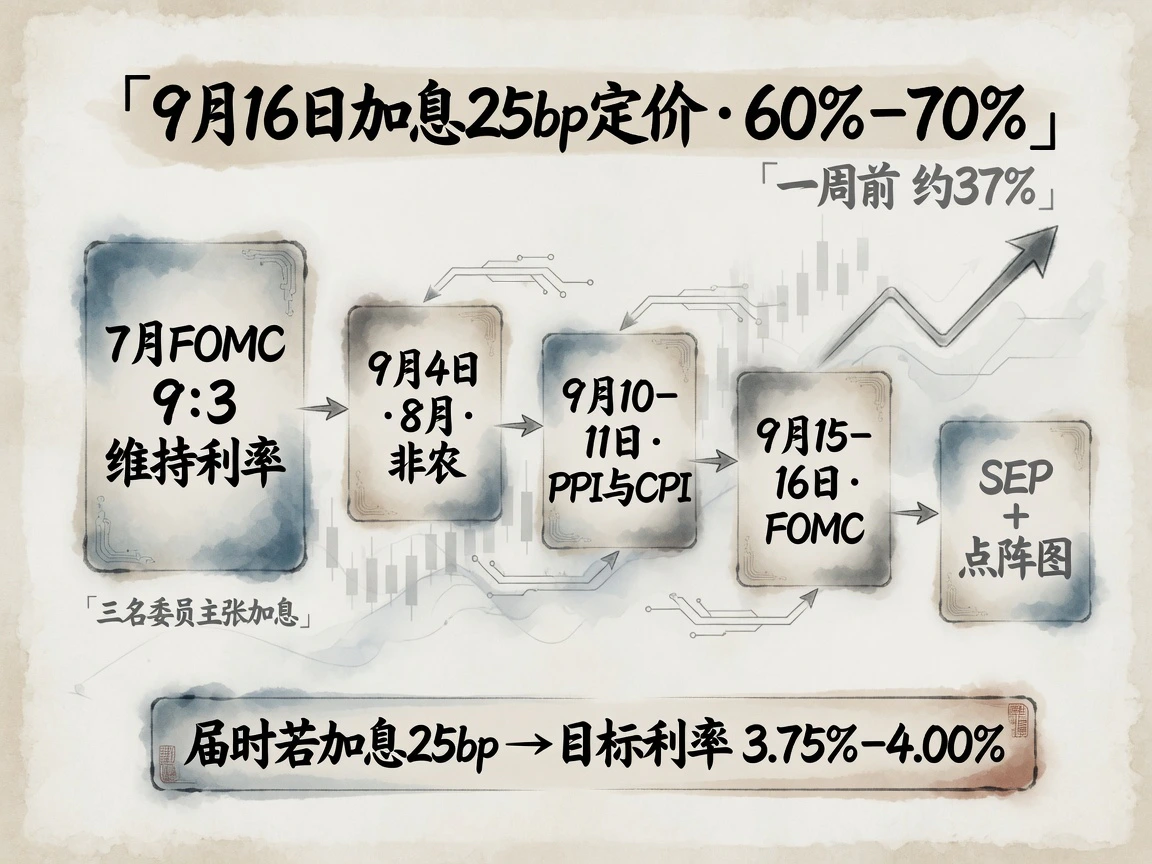
CME FedWatch snapshots during and after September 2 trading put the implied probability of a September 16 increase of 25 basis points to 3.75%–4.00% around 60%–70%. Morning readings were near 66%, an after-hours snapshot 60.4%, and some measures reached 70%, all well above approximately 37% a week earlier. Readings varied with trading, but clearly made a small hike the more likely path without establishing certainty. After Williams spoke, some analysts said the sufficient case for renewed tightening had not been fully established and pricing might overstate the likelihood.
The historical anchor remained clear. July's FOMC held rates by 9:3, with three dissenters favoring a hike; September hike pricing then stood around 40%. The key uncertainty now rested on August payrolls due September 4 and PPI and CPI on September 10–11. The FOMC would meet September 15–16. Alongside the decision, the quarterly SEP and dot plot would provide the definitive assessment and forward guidance for the year's policy trajectory.