August jobs strongly exceeded expectations, reducing the Fed's growth concerns about tightening, but wage growth did not yet provide sufficient grounds for an immediate hike. Before the September 15-16 meeting, PPI on September 10 and CPI on September 11 would be key to judging further restraint. With the Committee in its blackout and no new official remarks to calibrate expectations, market reactions could concentrate more heavily on inflation data.
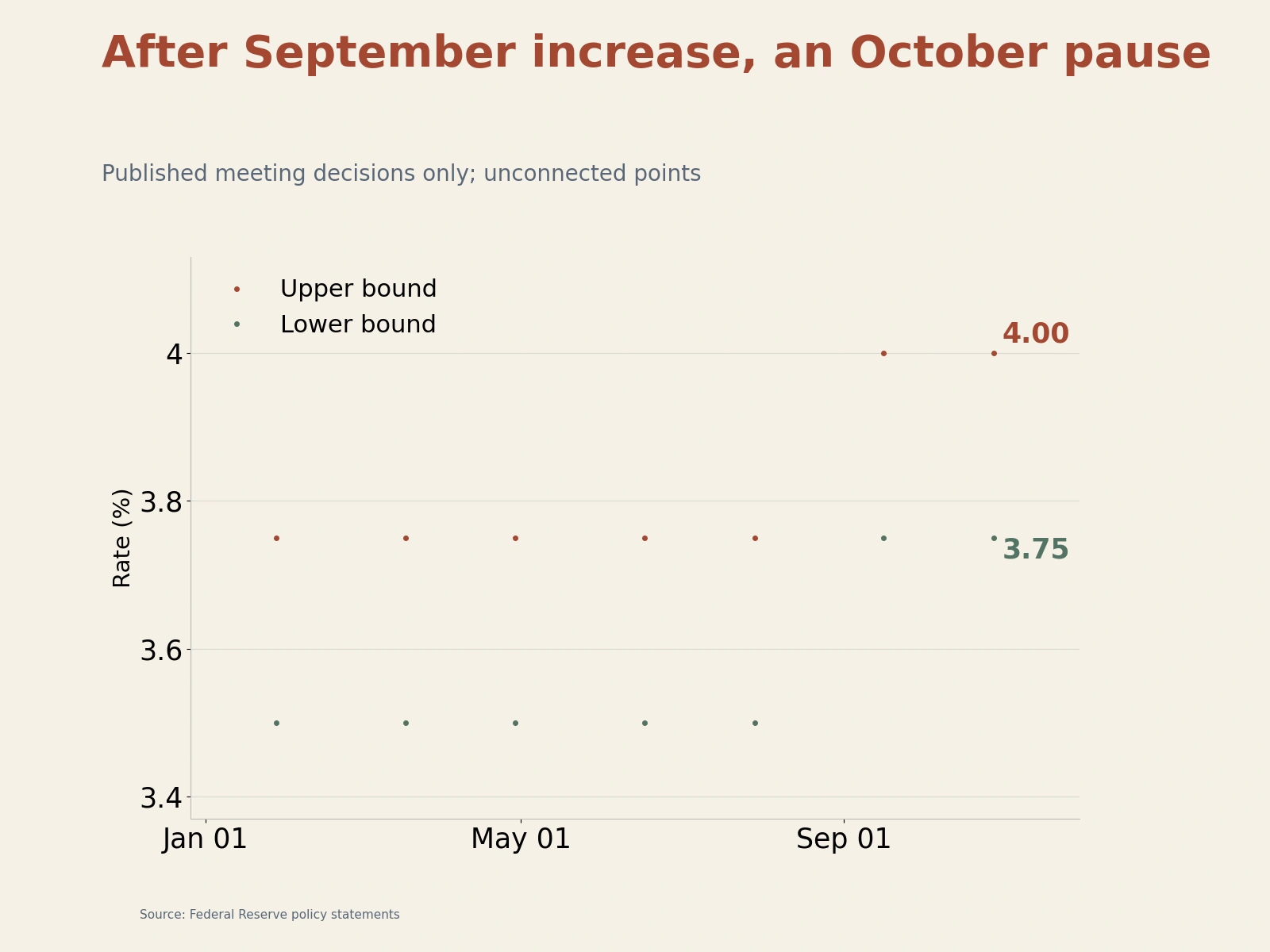
The federal funds target range had stayed at 3.50%-3.75% since December 2025. July's meeting held rates unchanged, but three members favored a 25-basis-point increase. The strong September 4 jobs release made further restraint more feasible without resolving disagreements over inflation and policy necessity.
Employment resilience strengthens without matching acceleration in wage pressure
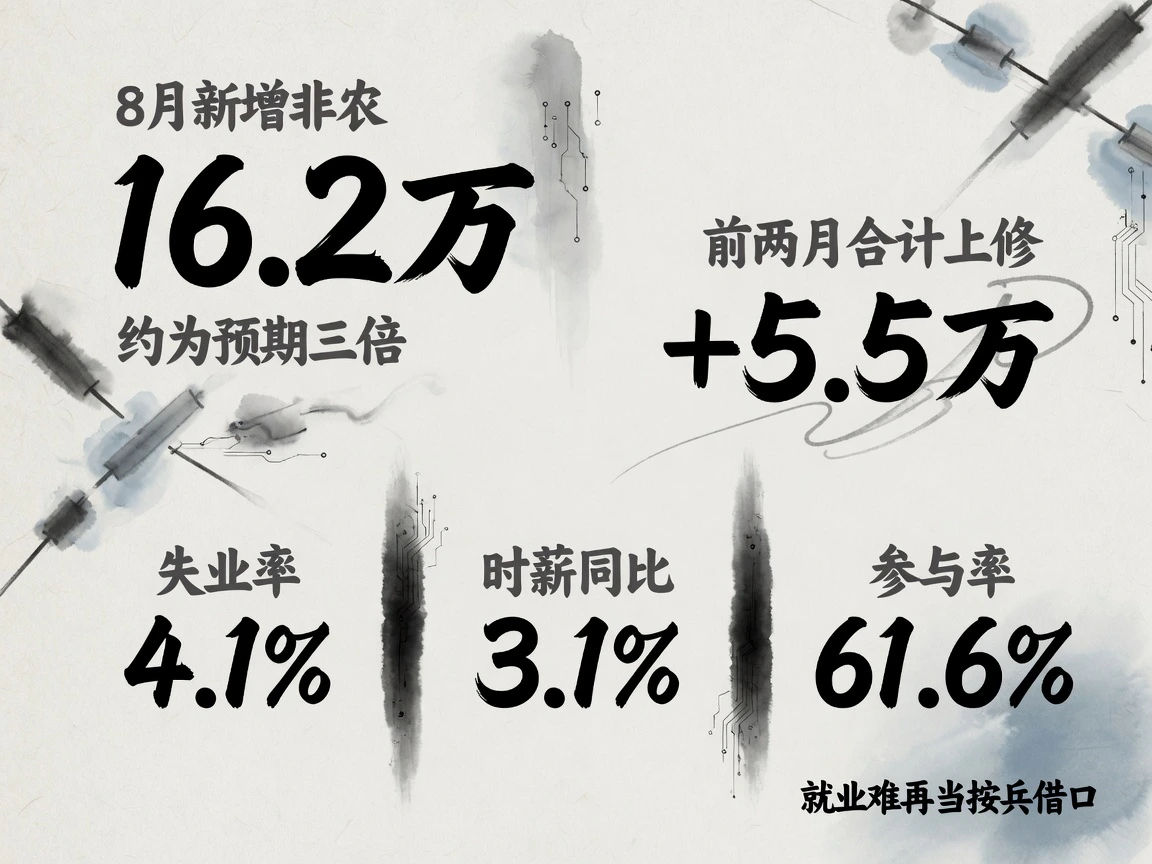
The BLS reported seasonally adjusted August payroll growth of 162,000, the highest since March and well above media-cited consensus of 53,000-65,000. Unemployment held at 4.1%. Average hourly earnings rose $0.10 to $37.75, up 0.3% monthly and 3.1% annually. The prior two months were revised up by a combined 55,000: July from an initial loss of 23,000 to a gain of 21,000, and June from a gain of 20,000 to 31,000.
Private employment rose 127,000 and government employment 35,000. Food services and drinking places added 59,000, local-government education 42,000, broadly offsetting the previous month's decline, while information lost 23,000. Participation recovered from July's 61.4% to 61.6% and the labor force grew about 683,000 while unemployment stayed stable, suggesting strong absorption of new workers. Hourly-pay growth did not accelerate, however; strong jobs brought no new wage-acceleration signal.
These figures weakened the case for holding rates because of employment weakness, but policy still depended on sustained disinflation. No new policy statement or minutes appeared around Labor Day. The September 4 termination of enforcement actions against three banks was a supervisory matter, not a rate-policy change.
During the blackout, inflation data must test policy disagreements

No new Board or regional Fed policy speeches had appeared. The latest entry on the official speech page remained Governor Waller's September 3 Reuters interview: he would support current rates if further data showed inflation moving toward 2%, but consider a hike if August inflation was hot. This conditional stance showed that strong employment increased policy room, but a hiking consensus still required price evidence.
Communication rules begin the blackout at midnight on the second Saturday before a regular meeting. Regional Feds listed this blackout as September 5-17. Regular communication paused immediately after payrolls, leaving markets mainly dependent on new data.
A hike has a slight pricing edge; PPI and CPI are the key premeeting variables
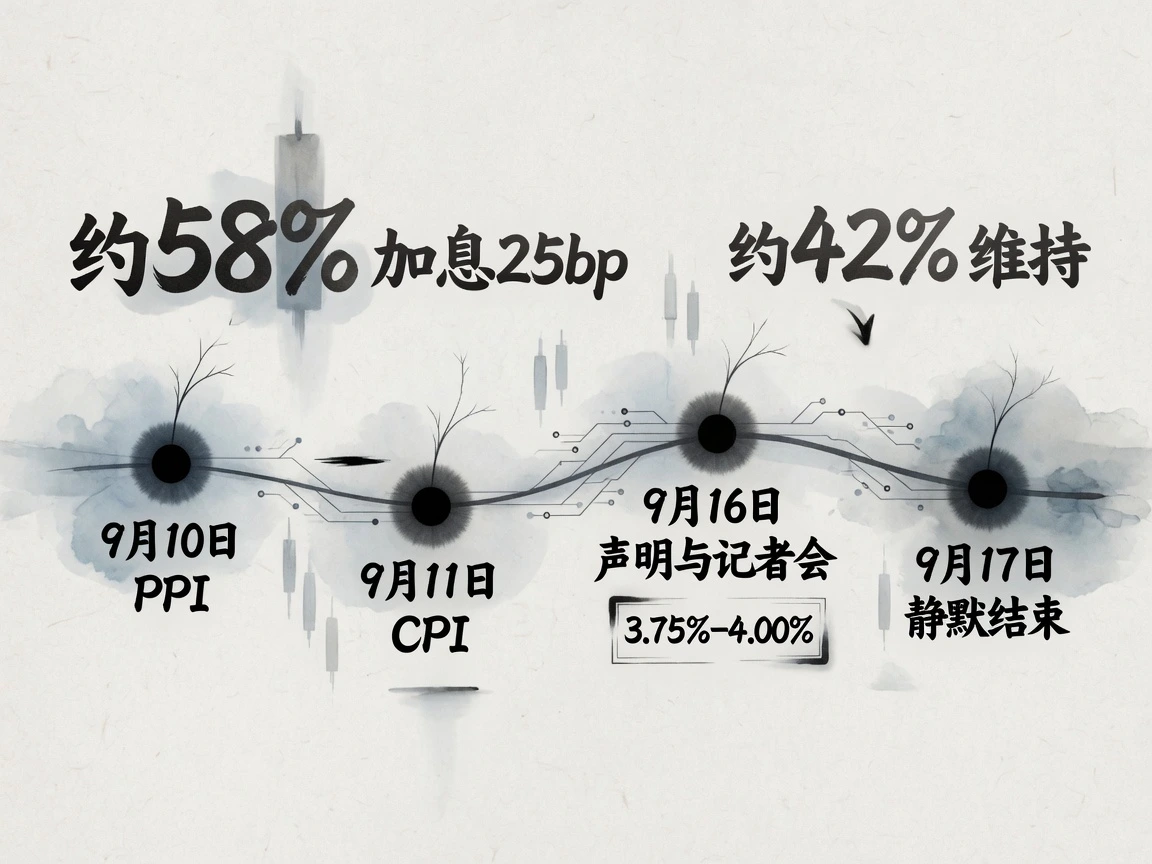
Around 20:15 Eastern time on September 7, federal funds futures implied about a 58% probability of a September 16 hike of 25 basis points to 3.75%-4.00%, versus about 42% for no change. Friday media intraday snapshots were around 58%-62%, mainly reflecting different quote times. A hike had an edge but was not overwhelmingly expected; pricing remained concentrated on hiking or holding.
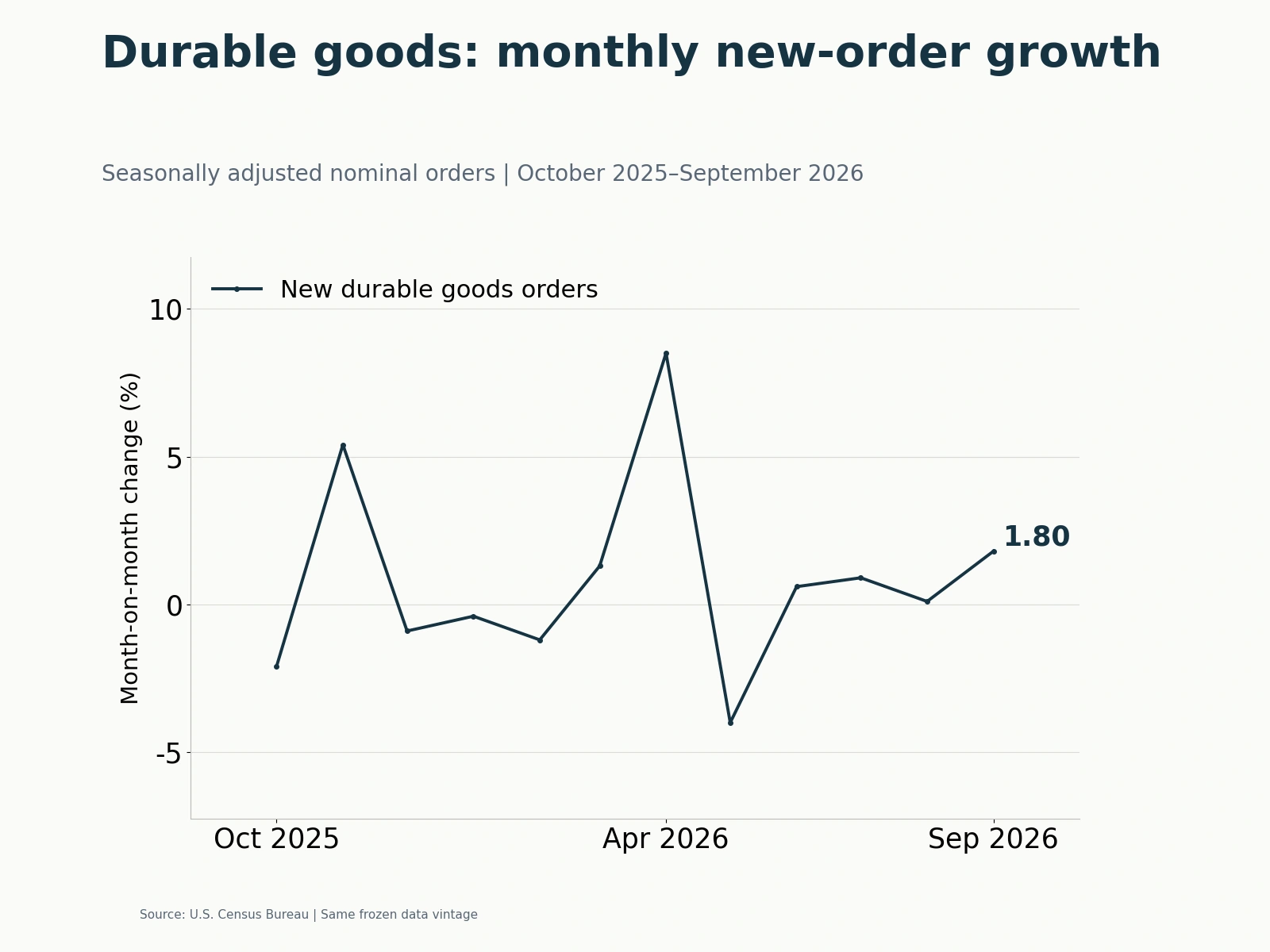
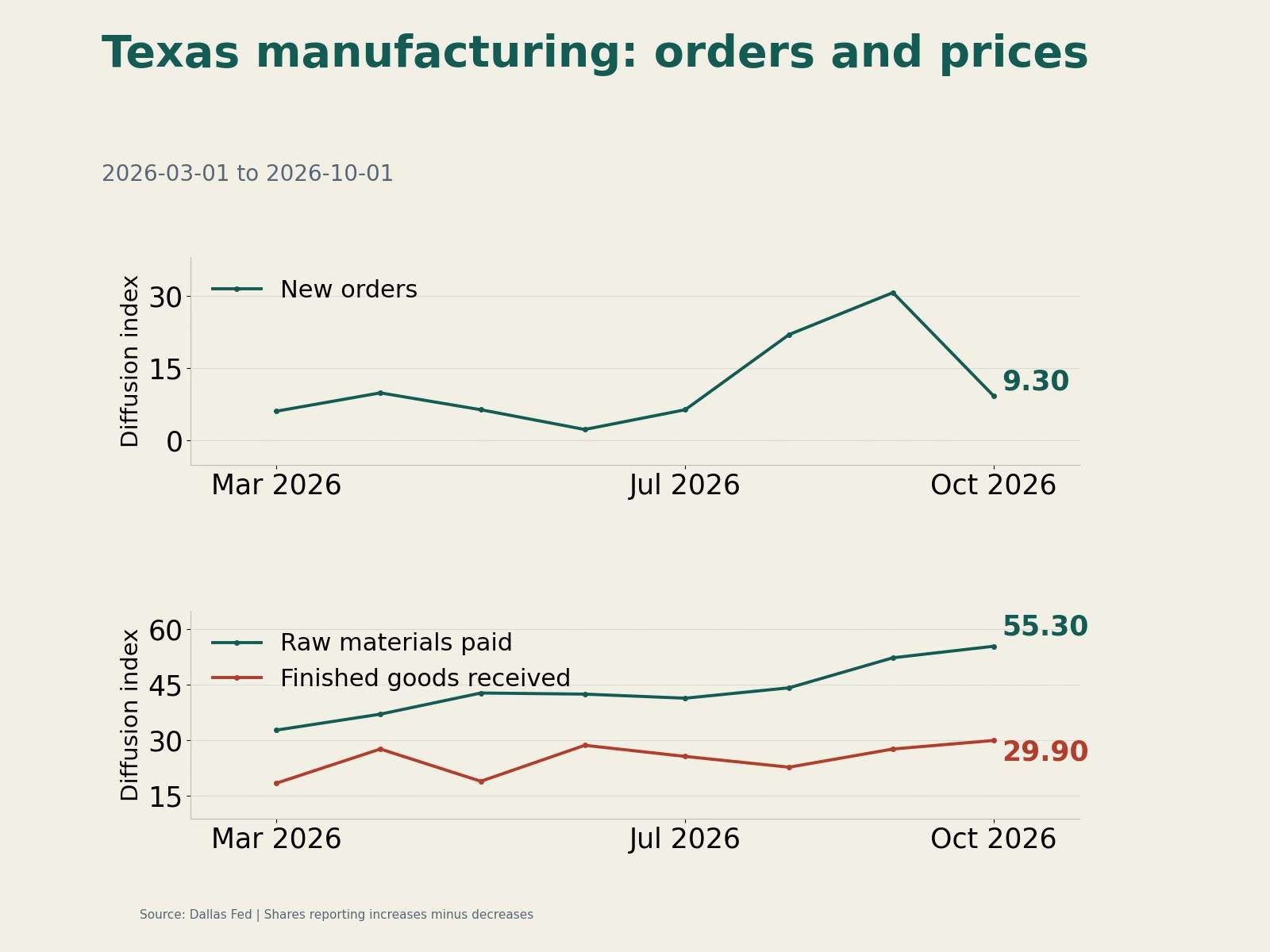
August PCE was due September 30, after the meeting, making August PPI on September 10 and August CPI on September 11 the principal premeeting price releases. FactSet expectations relayed by media suggested PPI might rise monthly after being flat in July, while CPI annual growth could slow slightly but monthly growth accelerate from July. Energy and core services remained key disagreements. Continued cooling would strengthen a hold; renewed inflation heat could reinforce pricing slightly favoring a hike.
The statement and SEP were due September 16 at 14:00 Eastern time, followed by a press conference at 14:30. Together they would explain how the Committee weighed employment resilience, inflation progress and the future policy path.