The New York Fed's August Survey of Consumer Expectations, released September 8, showed medium-term inflation expectations edging lower while concern over rising unemployment reached its highest since April 2020. Stable inflation expectations alongside weaker job and repayment confidence left the Fed facing both price control and downside-demand risks. This week's inflation data would directly affect their policy weights.
Overall inflation expectations stable, with greater energy and housing-cost pressure
Median one-year and five-year inflation expectations held at 3.6% and 3.0%, while three-year expectations fell 0.1 percentage point to 3.2%. Medium-term expectations improved slightly, but short-term expectations remained elevated.
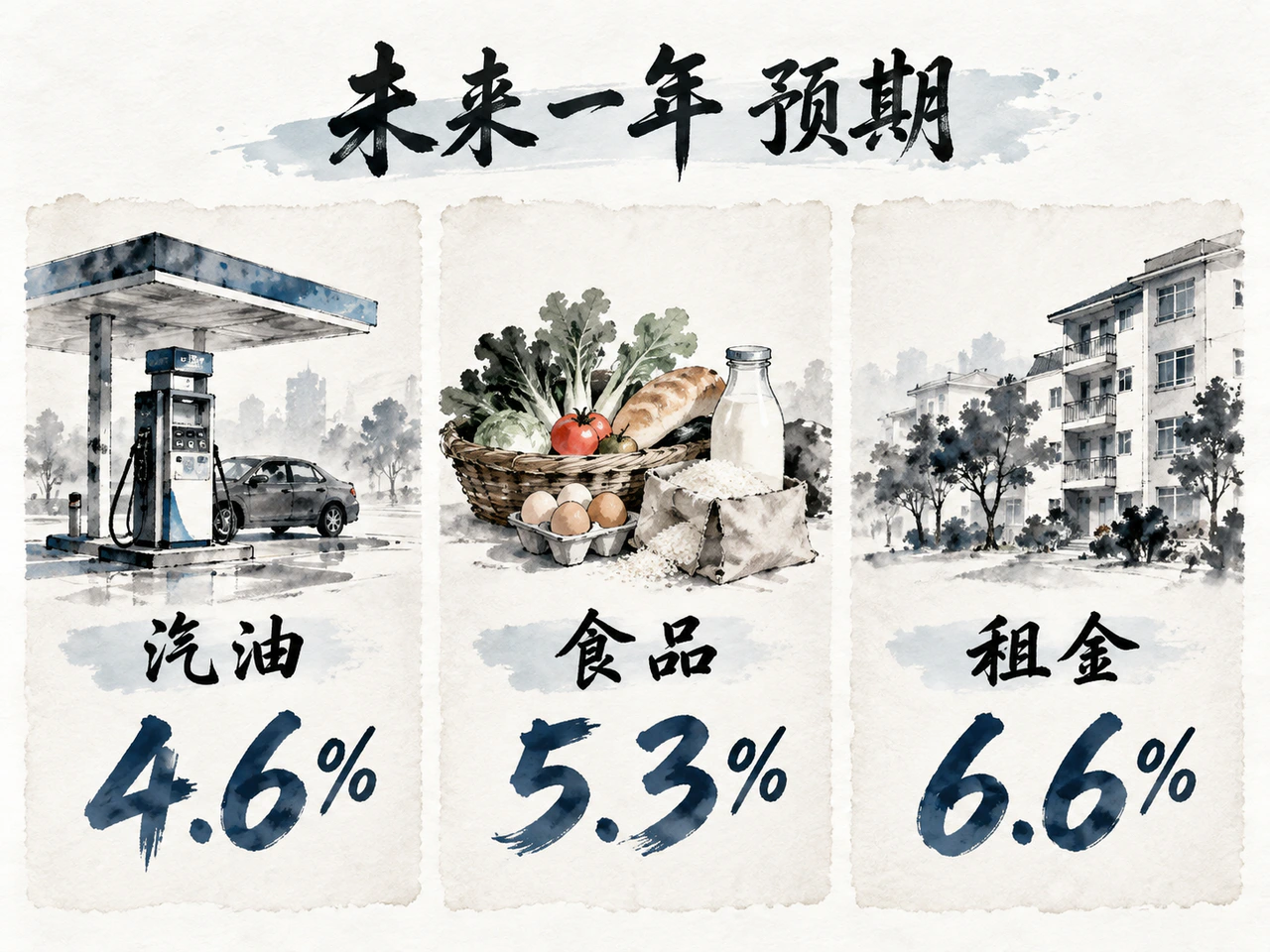
Expected necessities inflation rose. Respondents expected gasoline prices up 4.6% over a year, 1.7 percentage points more than the prior month; expected food and rent increases reached 5.3% and 6.6%. Energy, food and housing absorb substantial household budgets, so stable aggregate expectations had yet to meaningfully improve perceptions of living costs.
For policy, the duration of energy increases and transmission to other goods and services matter more than one month's expectations fluctuation. Broader cost pressure could obstruct disinflation.
Labor-market confidence weakens as household finances strain
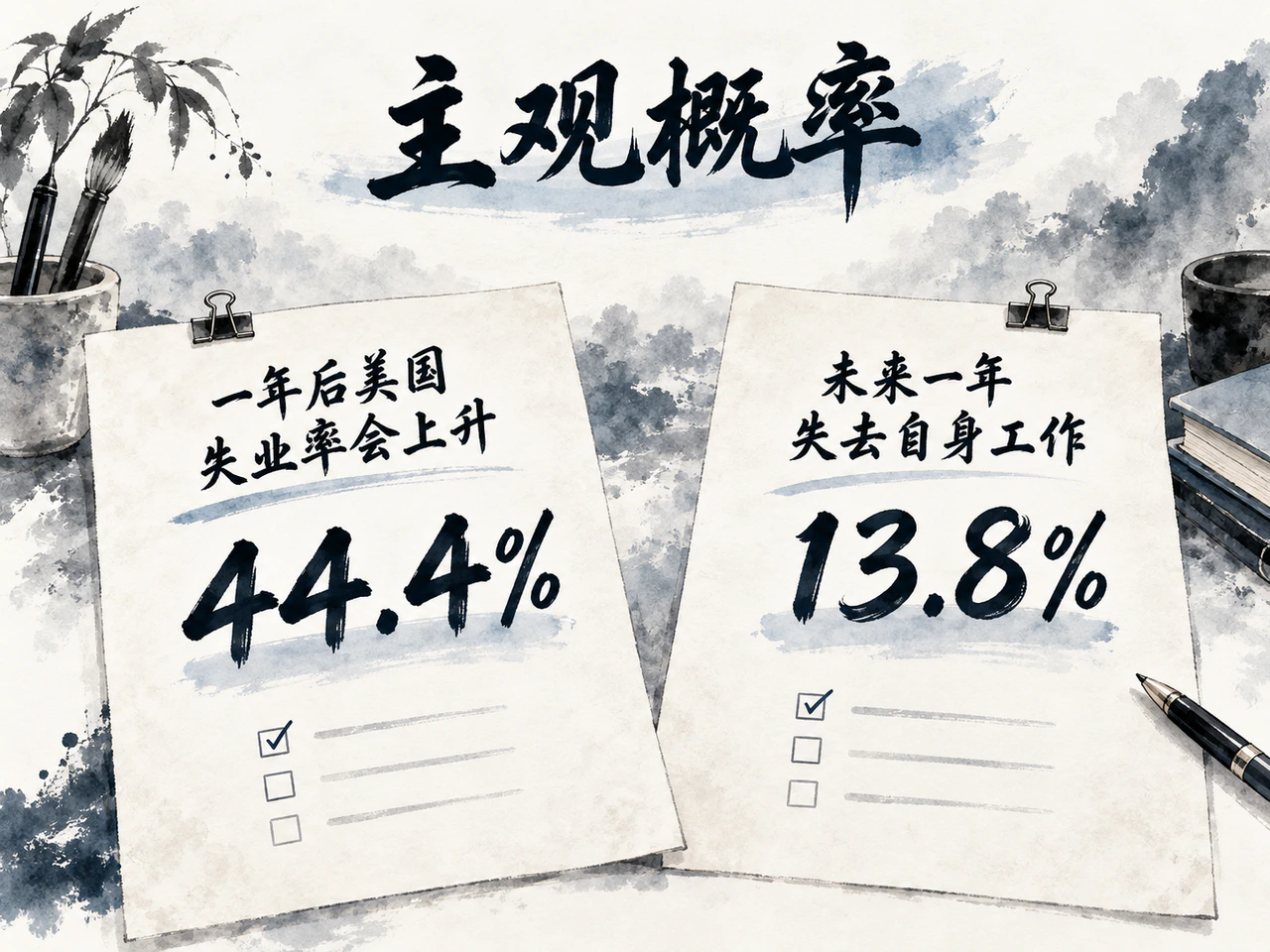
The average perceived probability of higher US unemployment in a year rose 1.6 percentage points to 44.4%. The perceived chance of finding a new job after losing one fell to 45.4%. Assessments of the overall market and reemployment both became more cautious.
Personal job security was more stable: the perceived chance of losing one's own job over the next year fell 0.4 percentage point to 13.8%. Weaker aggregate confidence had not broadly become fear of personal job loss.
Household financial pressure was more pronounced. The average perceived probability of missing a minimum debt payment within three months rose 1.2 percentage points to 13.2%; assessments and expectations of credit access also worsened. Greater repayment concern and weaker borrowing expectations signal pressure on future spending. If actual expenditure weakens, tightening's demand effects will become more visible.
Inflation data remain central to near-term policy

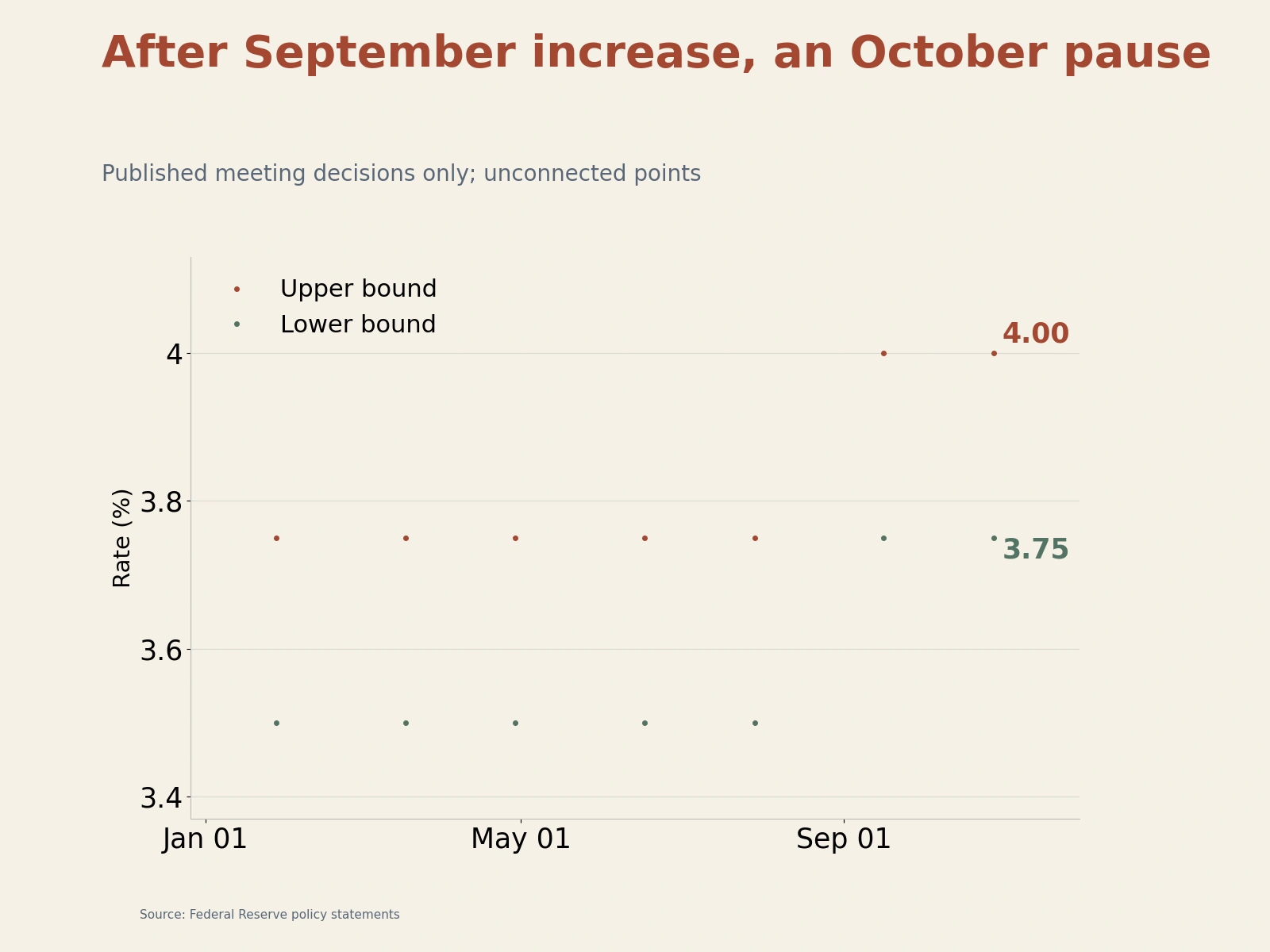
The Fed's latest decision on July 29 held the target at 3.50%–3.75% and reiterated inflation was above the 2% goal. The survey showed stable expectations but weaker employment and financial confidence. Policy changes still required evidence from actual prices and jobs.
US August PPI and CPI were due at 08:30 Eastern time on September 10 and 11 respectively. Continued disinflation would expand room to address growth risks; renewed price pressure, alongside still-high short-term expectations, would strengthen the case to retain restraint.