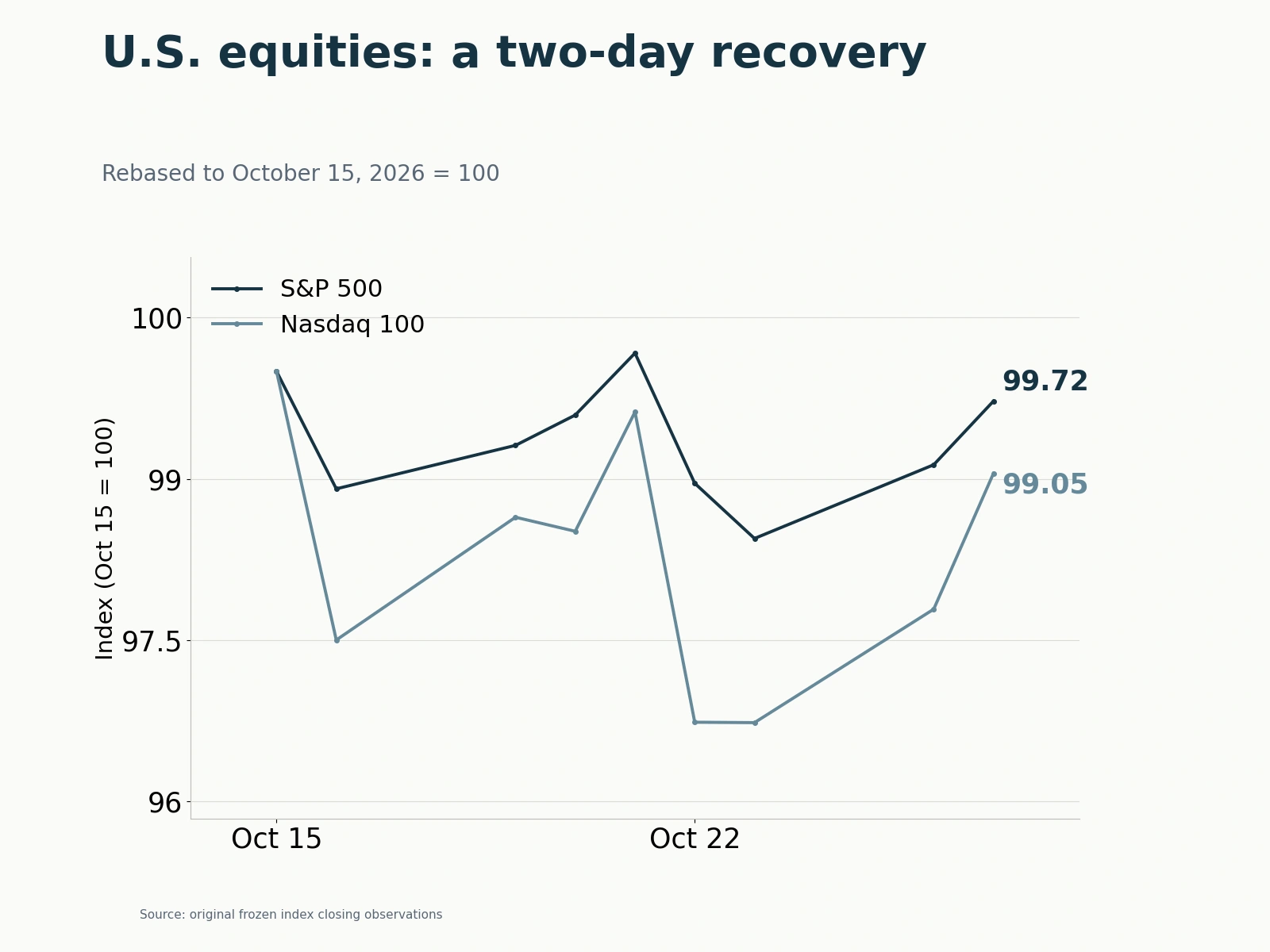
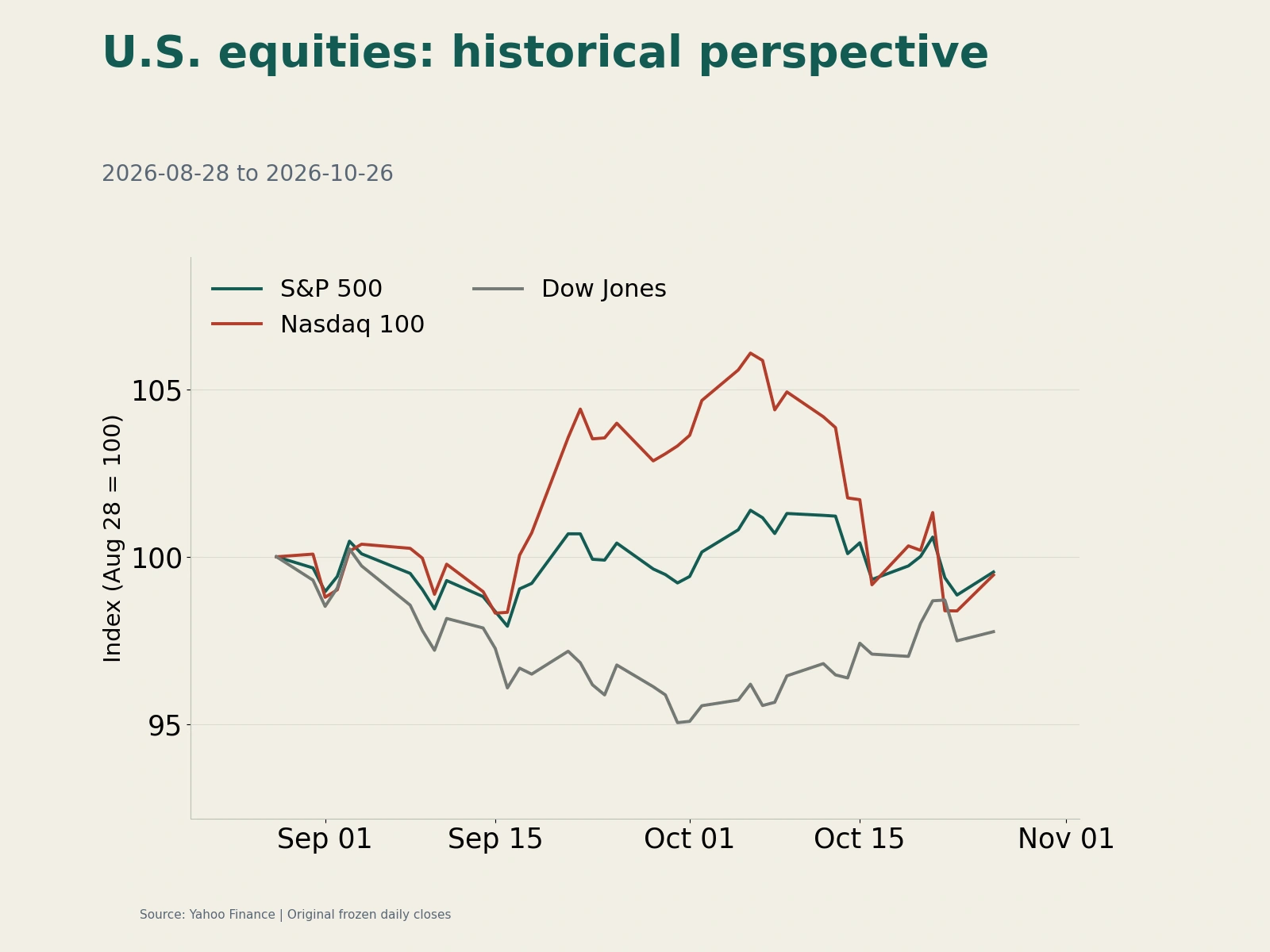
On September 8, US trading resumed after the Labor Day weekend with higher crude, slightly higher Treasury yields and lower major equity indices. Energy and rate pressure coincided with weaker household employment confidence, complicating the trade-off between growth and inflation.
Assets still diverged substantially. Energy and technology ETFs rose against the market, the Nasdaq 100 fell much less than the Dow, and a weaker dollar failed to prevent gold losses. Earnings differences and rate constraints jointly drove prices; the adjustment had not become a wholesale selloff.
Treasury Curve Edges Higher, With the Long End Relatively Steady
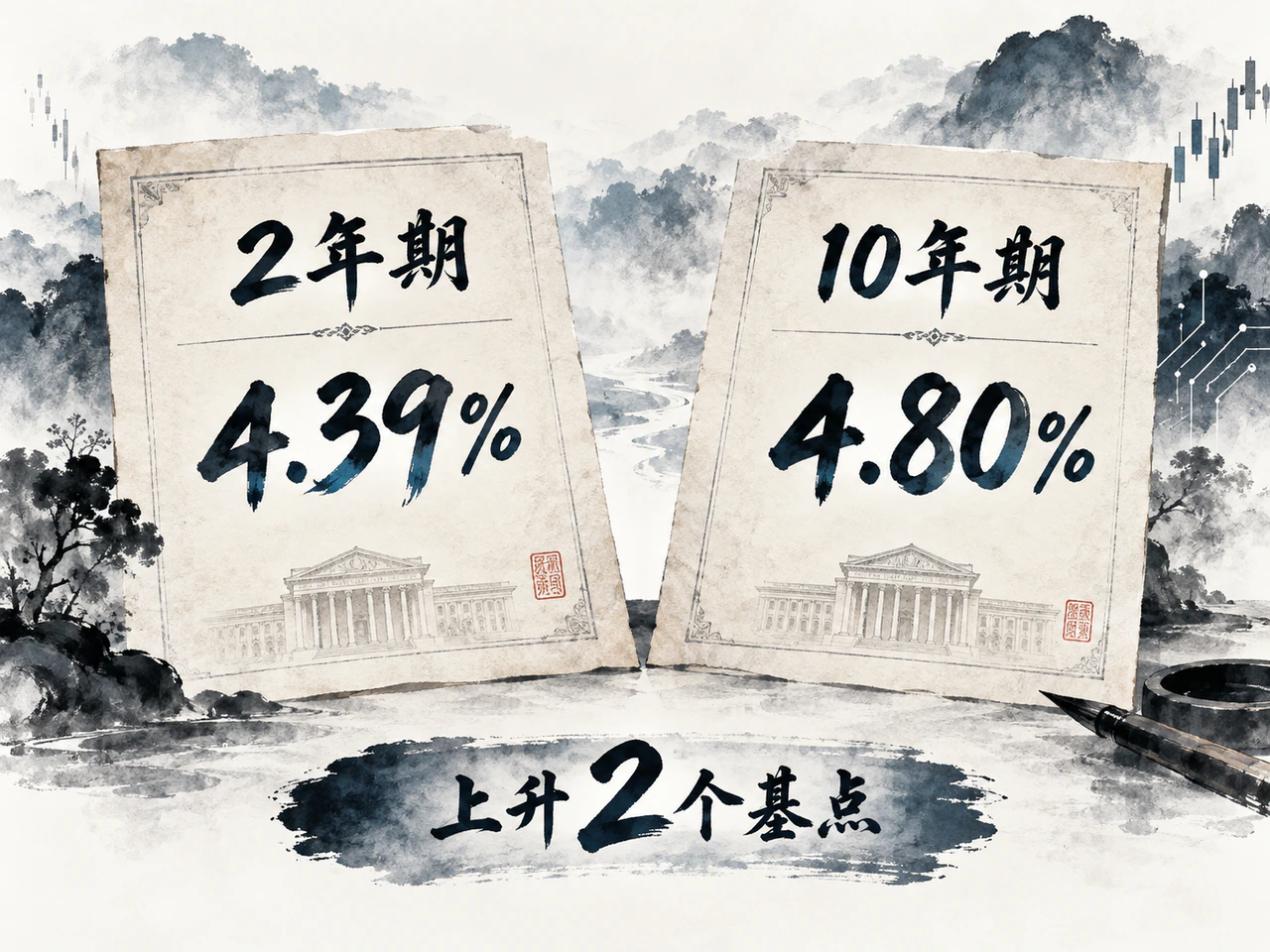
The Treasury's daily curve showed September 8 yields of 4.39% for 2-year bonds and 4.80% for 10-year bonds, both up 2 basis points. The 5-year rose 3 basis points to 4.57% and the 30-year 1 basis point to 5.25%. September 7 was Labor Day, making September 4 the prior trading day.
The curve moved slightly higher, with a milder ultralong adjustment. The 2–10-year spread stayed at 41 basis points; the 5–30-year spread narrowed from 70 to 68. Wells Fargo's premarket commentary identified holiday geopolitics, hike expectations following employment data and the week's inflation releases as the main bond pressures.
The day's issuance schedule included a $58 billion 3-year Treasury auction. Higher yields increase benchmarks for dollar-bond issuance and pressure valuations of outstanding long-duration debt; credit spreads and hedging costs determine the final funding-cost increase.
UK long-bond issuance showed higher costs had not weakened demand everywhere. The Debt Management Office reopened a 2056 gilt with £4.25 billion nominal issuance at 5.8168%, settling September 9. Orders reached £87.2 billion, with about 71% allocated domestically. Demand was strong, but high yields had become actual costs on new debt.
Employment Expectations Weaken as Household Debt-Service Pressure Rises
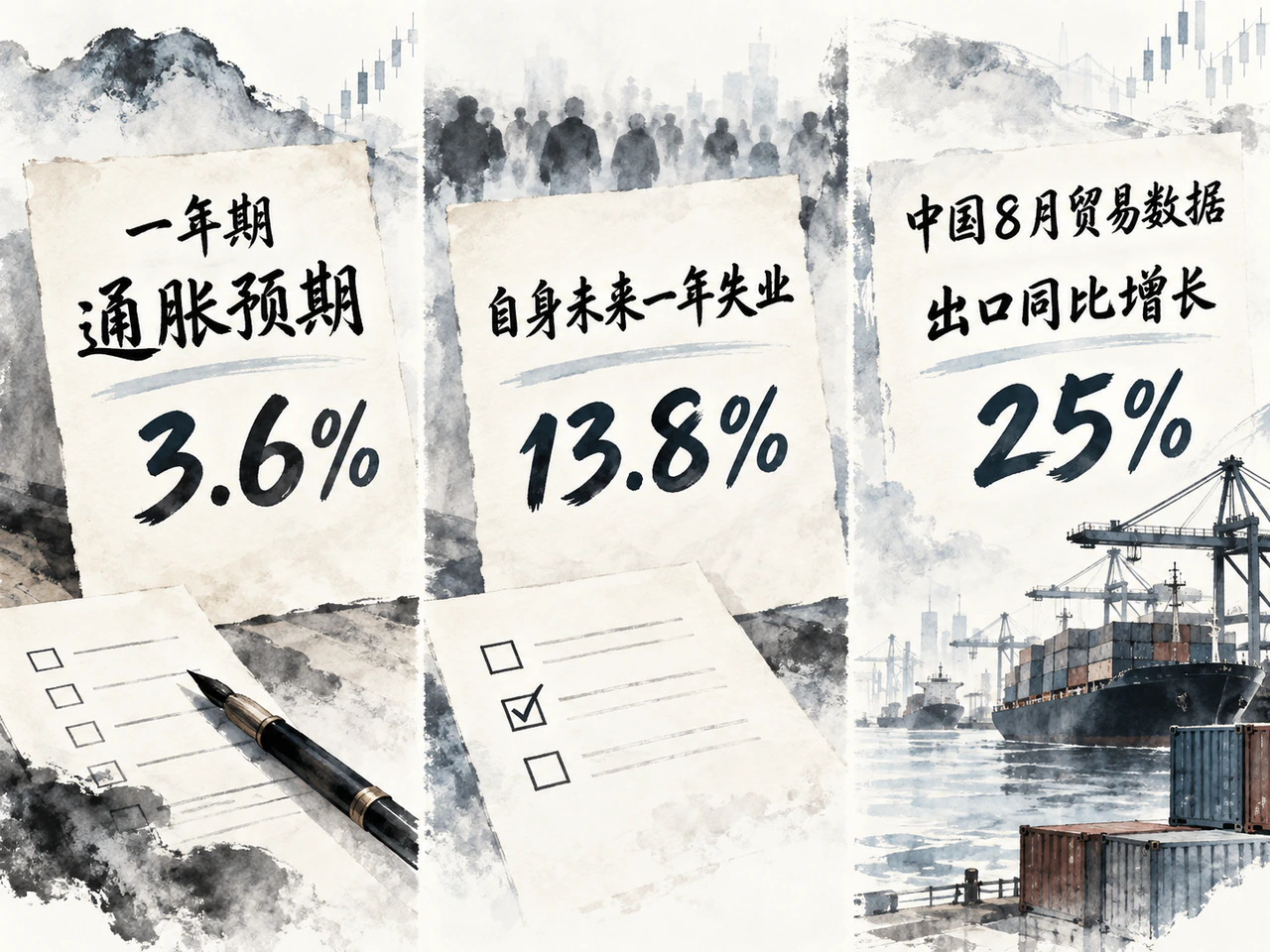
The New York Fed's August survey showed weaker labor-market confidence. The average perceived probability of rising US unemployment over the next year increased 1.6 percentage points from July to 44.4%; the chance of finding work after job loss fell 0.8 point to 45.4%. Yet personal job-loss probability declined 0.4 point to 13.8%, while expected household-income growth stayed at 3.0%. Greater concern about the overall environment coexisted with relatively stable views of individual jobs and income.
Inflation expectations changed little overall: one-year and five-year medians held at 3.6% and 3.0%, while three-year expectations edged down 0.1 point to 3.2%. Expected gasoline inflation over the coming year rose 1.7 points to 4.6%. Energy-cost upside risk therefore accompanied weaker job confidence.
Household finances also showed pressure. The average perceived probability of missing a minimum debt payment within three months rose 1.2 points to 13.2%. Fed figures released that day showed July consumer credit growing at a seasonally adjusted annual rate of 4.2%, above revised June growth of 3.4%, excluding real-estate mortgages. Expanding credit alongside worse repayment expectations suggested weaker cash-flow confidence among some households.
China's August trade continued growing rapidly. Dollar exports rose 25% year on year, above July's 23.9% and matching the Reuters forecast. Imports rose 28.2%, above July's 27.5% but below the expected 30%. The surplus reached $119.09 billion. External demand remained resilient and imports accelerated, but nominal values reflect both volumes and prices, requiring the import mix to assess domestic demand.
Trade friction kept increasing costs. Canada's previously announced countertariffs took effect September 8, covering C$27.6 billion of US imports at product-specific rates of 15%, 25% or 50%. Exemptions, alternative sourcing and margins would determine cost-sharing between producers and consumers. AP reported Canadian officials saying communication continued but formal trade talks had not resumed.
August PPI and CPI were due September 10 and 11, respectively, at 8:30 a.m. Eastern. Persistent inflation would limit room to ease in response to weak employment expectations; further core disinflation could increase the weight of growth risks.
Supply Risks Support Oil While Rate Expectations Restrain Gold
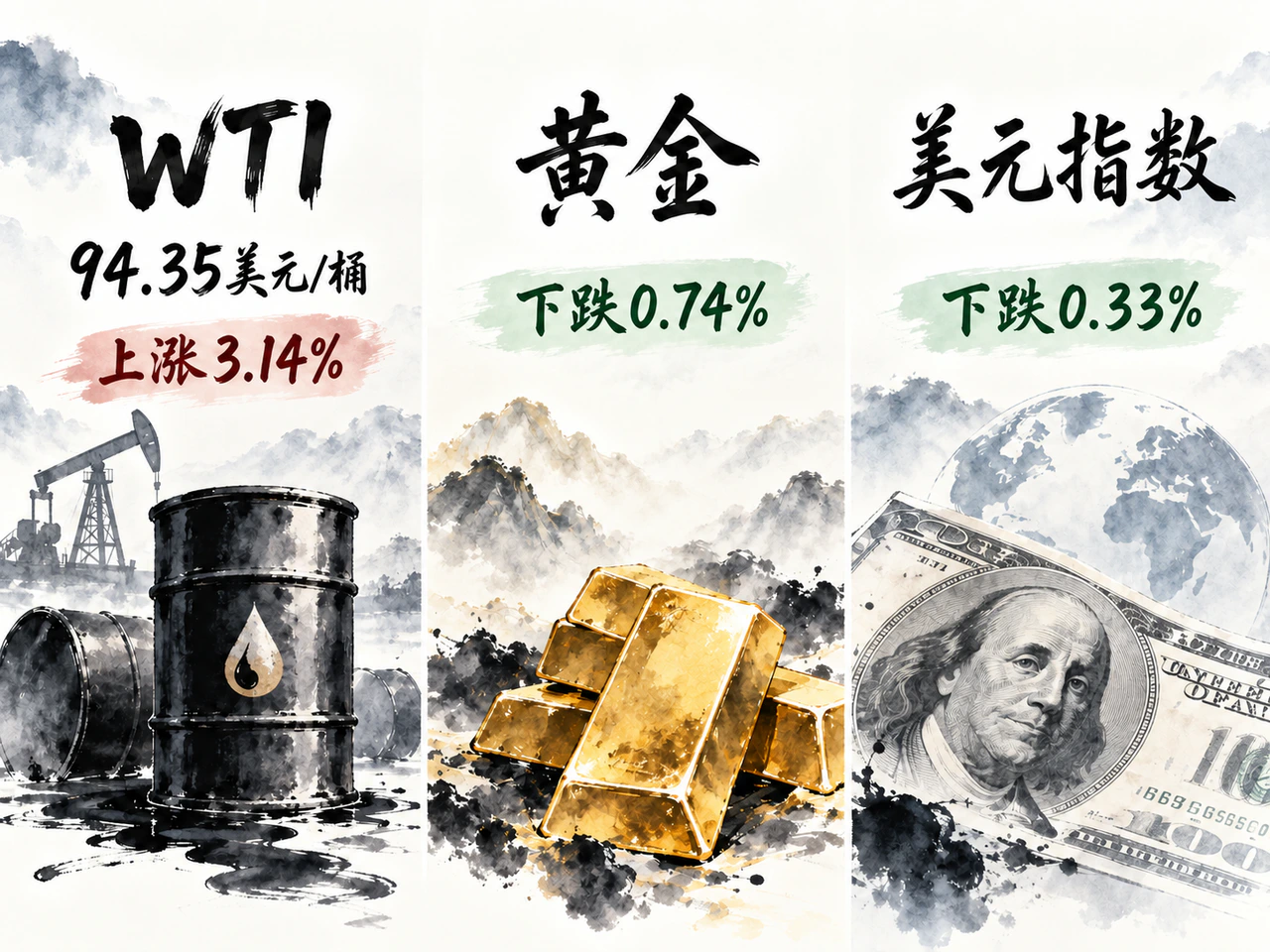
Using provider continuous-futures daily closes, September 8 WTI was $94.35 a barrel, up 3.14% from September 4; Brent was $99.39, up 3.23%; gold was $4,397.10 per troy ounce, down 0.74%. The series does not distinguish delivery months and differs from official settlements for specific exchange contracts. Over the same interval, the dollar index fell 0.33% to 98.836.
Supply and transport risks mainly supported crude. OPEC announced September 6 that seven participating countries would keep October production requirements at September levels, adding no quotas. Reuters reported continued disruption to Gulf exports, only partly offset by alternative ports and transfers. Limited near-term delivery supported prices, while high-fuel-cost demand destruction limited upside.
Gold faced opposing forces: a weaker dollar supported it, but oil-driven inflation and hike expectations pressured it. Reuters cited analysts September 8 saying the latter limited gold. The decline showed rate expectations continuing to constrain geopolitical safe-haven demand.
Copper's gains concerned inventory geography and trade policy more. SP Angel's September 8 morning commentary said London copper reached an intraday record because of stockpiling ahead of possible US tariffs and scarce deliverable metal outside America. Regional mismatch differs from broad growth in global end demand.
Energy and Technology Resist the Decline as Financials Weaken
On September 8, the S&P 500 closed at 7,673.52, down 0.58% from September 4; the Dow at 52,786.07, down 1.18%; Nasdaq 100 at 29,507.70, down 0.12%; and Russell 2000 at 2,960.20, down 0.52%. VIX rose from 14.53 to 15.72 as demand for downside protection increased.
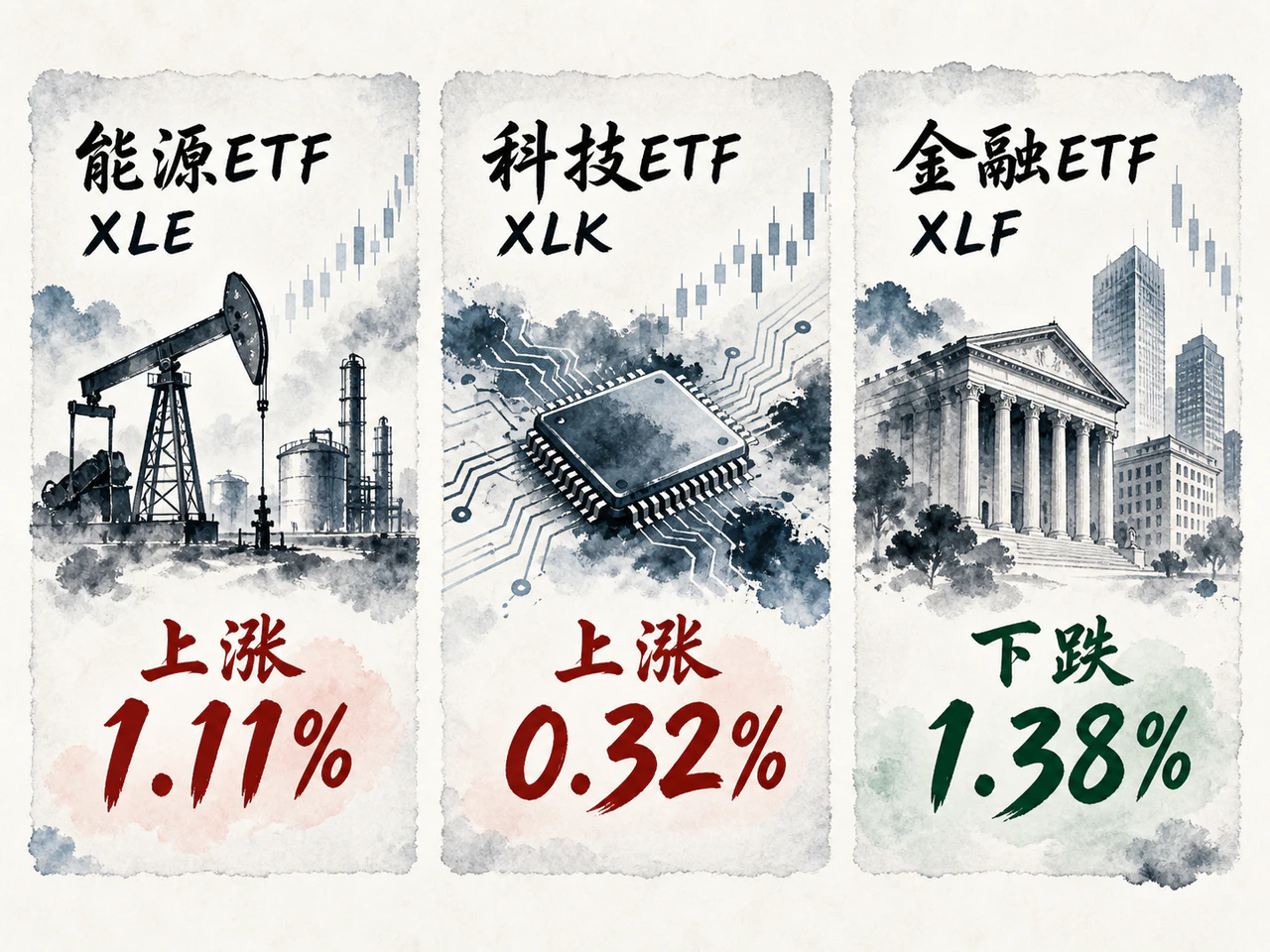
On the same dollar-denominated basis, energy ETF XLE rose 1.11%, technology ETF XLK 0.32%, and financial ETF XLF fell 1.38%. AP and Barron's both linked equity pressure to oil and inflation concerns. Energy benefited from oil and technology retained growth support, while financials were weaker.
Company earnings also shaped prices. AP's intraday report said Qualcomm and Amazon agreed on large AI-data-center cooperation. Boston Scientific said a cyber incident made earlier quarterly and annual guidance unlikely to be met. New opportunities and operational disruption further differentiated earnings prospects.
Asian markets also faced cost and currency pressure. Media said major Hong Kong, Japanese and Korean indices failed to hold early gains on September 8, with yen strength additionally hurting Japanese exporters. All three markets closed before that night's US close; at 07:32 Hong Kong time September 9, their regular sessions had not begun. Relative US technology resilience could support related Asian sectors, but imported energy costs and yen pressure on exporter profits would dilute some benefits.
A broader recovery still required disinflation and better earnings. Persistently high energy would keep funding and operating costs weighing on valuations; softer core inflation and earnings growth spreading across industries would support a more lasting recovery in risk appetite.