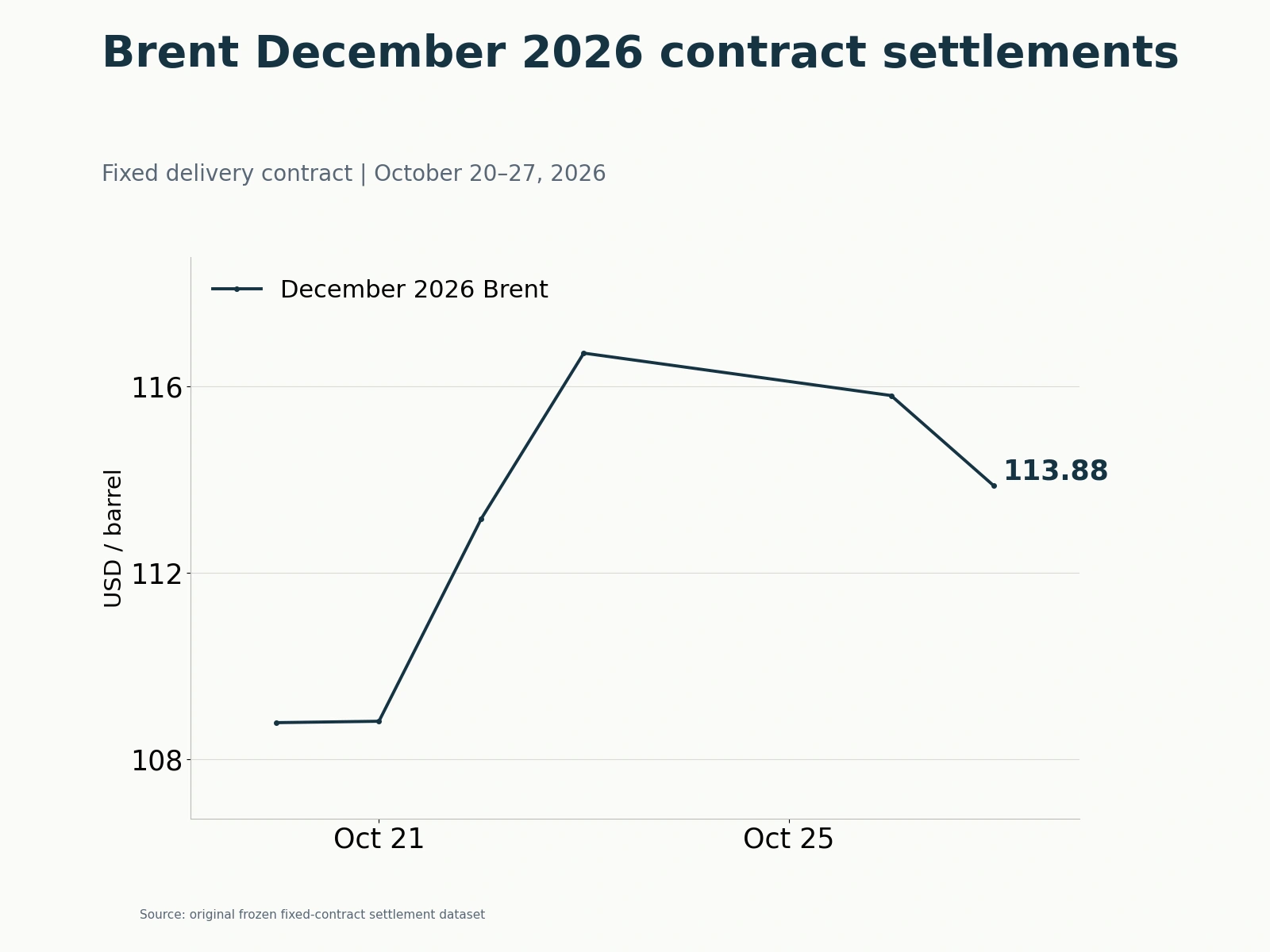
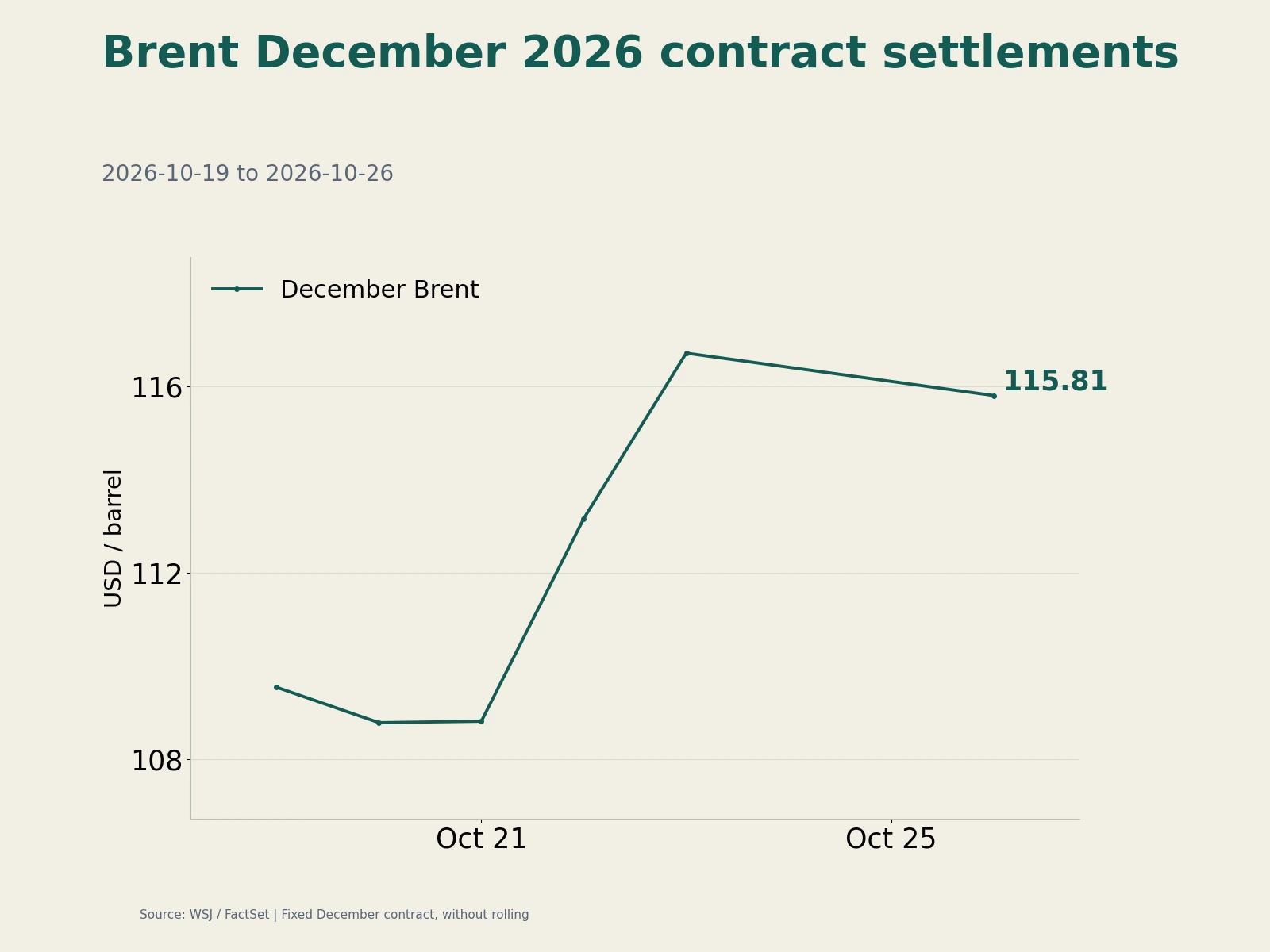
On September 9, renewed disruption to crude transport undermined hopes of supply recovery and lifted international oil prices more than 4%. On Yahoo Finance's continuous-contract daily-close basis, Brent reached $102.09/barrel, up 4.26%, and WTI $97.13, up 4.41%.
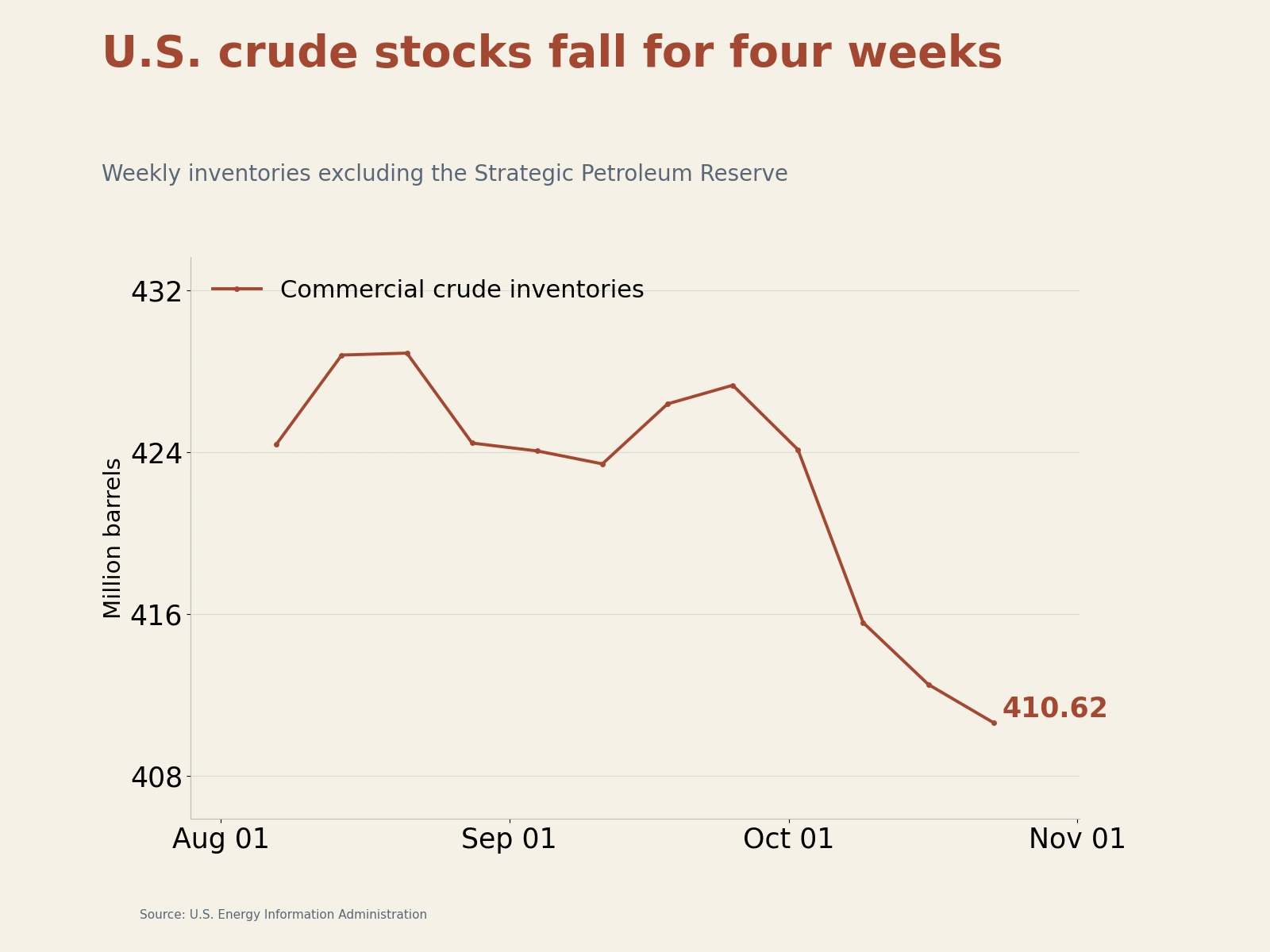
The disruption came after months of global inventory depletion. In its September outlook released that day, the EIA estimated that global oil stocks had fallen by around 400 million barrels so far this year and would continue falling. Thinner inventory buffers make transport interruptions more likely to create immediate replenishment pressure.
Strait flows fall again as alternative corridors also come under pressure
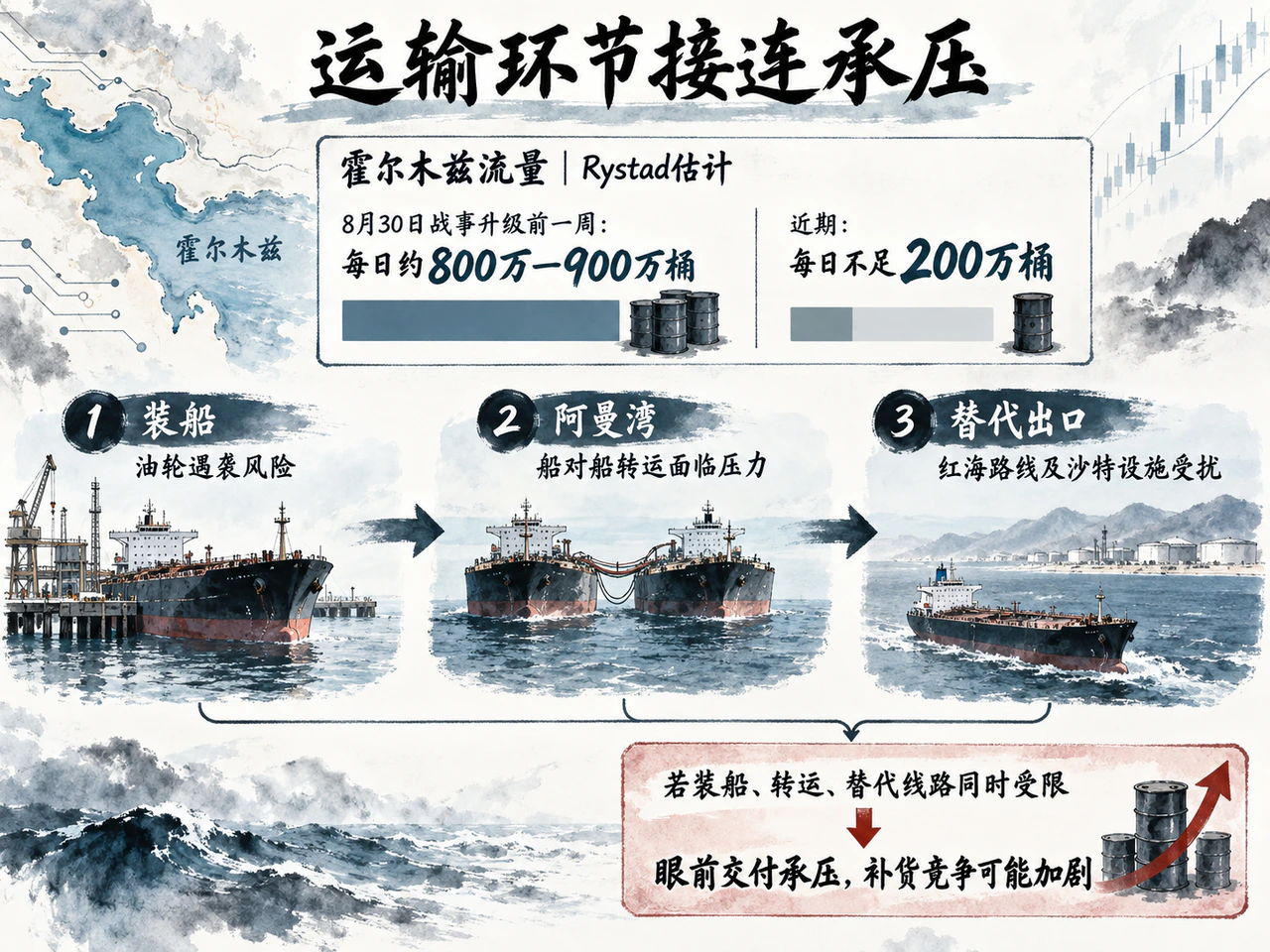
Reuters reported on September 9 that the United States and Iran had attacked each other's tankers and the Houthis had struck Saudi energy facilities, intensifying fears about Gulf crude exports. The Red Sea had been an important alternative to Hormuz; attacks on Saudi infrastructure raised concern that this route could also be affected.
Reuters cited Rystad Energy chief economist Claudio Galimberti's estimate that Hormuz oil flows had recovered to around 8 million–9 million barrels/day in the week before fighting escalated again on August 30, but had recently fallen below 2 million.
Capital Economics economist Hamad Hussain said the next question was whether tanker attacks would reduce STS transfers in the Gulf of Oman, which had helped some Gulf oil reach world markets. Simultaneous restrictions on loading, transshipment and alternative exports could prevent producers from delivering on time despite available production capacity. The resulting competition for replenishment could first lift spot and nearby prices.
Production recovery stalls; actual deliveries matter more than quotas
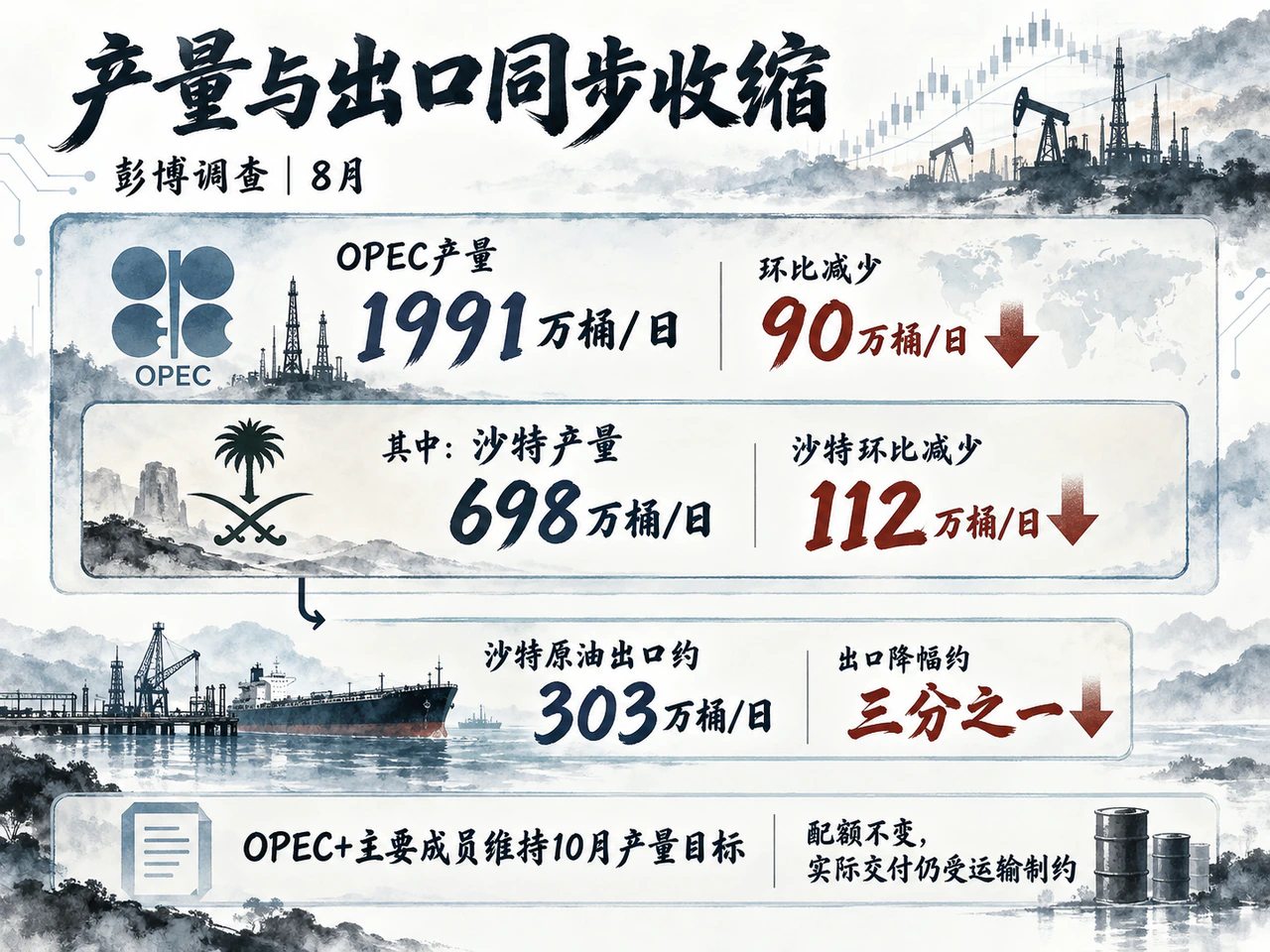
A Bloomberg survey disclosed September 9 showed OPEC crude output falling 900,000 barrels/day month on month in August to 19.91 million, ending two consecutive months of recovery. Saudi output fell 1.12 million to 6.98 million barrels/day. Increases in Iraq and Venezuela were insufficient to offset the Saudi decline.
Preliminary vessel-tracking data cited in the survey also showed Saudi crude exports falling to around 3.03 million barrels/day that month, down approximately one-third. Simultaneous declines in production and exports underscored how export disruption constrained supply recovery.
Bloomberg reported that major OPEC+ members agreed to keep October output targets unchanged. Earlier quota increases had nominally completed the unwinding of some production cuts, but Hormuz disruption hindered actual output growth. Markets were more concerned with successful loading and arrival than with how much additional output quotas allowed.
Weekly inventories offer some relief, but cumulative depletion remains a constraint
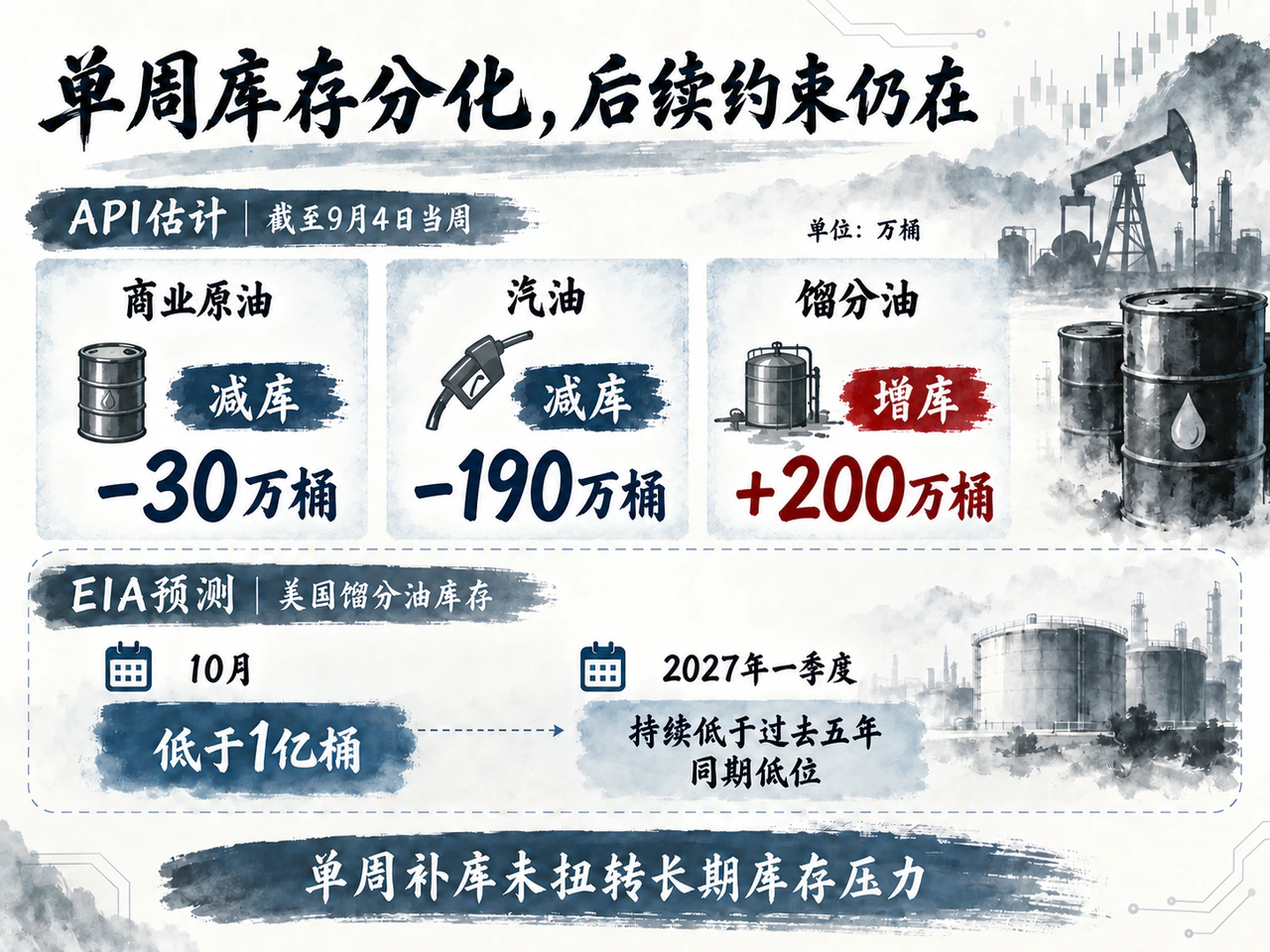
The latest US inventory information did not show all products tightening together. Citing API estimates for the week ended September 4, OilPrice reported commercial crude stocks down 300,000 barrels, gasoline down 1.9 million and distillates up 2 million. The small crude draw and distillate replenishment provided some near-term supply cushioning.
One week's replenishment was insufficient to reverse longer-term inventory pressure. The EIA expected US distillate stocks to fall below 100 million barrels in October and remain below the previous five years' seasonal lows in the first quarter of 2027. Supply constraints in diesel and other products could become more pronounced. Even with gradually recovering crude transport, refineries' ability to produce the required fuels promptly would still affect the transmission of energy prices into inflation.
Financial conditions offered no obvious easing-driven boost. On September 9, the dollar index slipped only around 0.06% on the supplier daily-close basis, while the US 10-year Treasury yield rose 3 basis points. Transport and delivery risks explained oil's gain of over 4% better than small dollar fluctuations. Persistently high oil prices could nevertheless suppress consumption and economic activity, feeding back into lower oil demand.
The durability of high prices depends on transport and inventory recovery
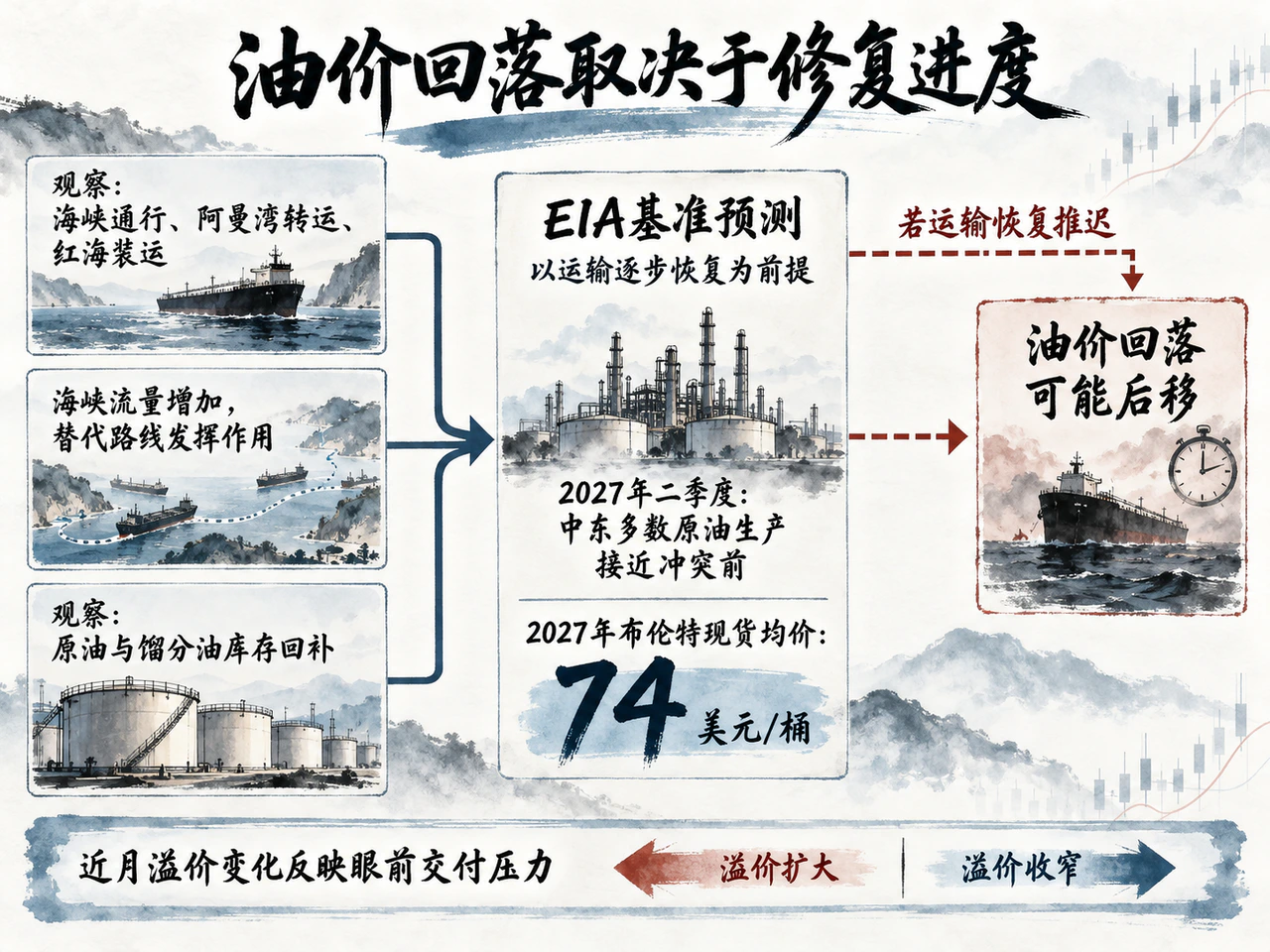
Immediate scarcity did not mean high prices would last indefinitely. The EIA's September forecast still assumed gradually rising strait flows and functioning alternative routes. It projected most Middle Eastern crude production approaching preconflict levels by the second quarter of 2027 and average Brent spot prices falling to $74/barrel in 2027. Further delays in transport recovery could also postpone the price decline.
Assessing the rally's durability first requires watching whether cargoes move again: whether Hormuz passage and Gulf of Oman transfers recover continuously, and whether Saudi Red Sea loadings and affected facilities normalize. Second is whether improved supply rebuilds inventories, particularly whether US crude and distillate stocks rise sustainably.
The price structure offers another indicator. A wider Brent nearby premium over deferred contracts would mean buyers were willing to pay more for immediate delivery. Recovering loadings and inventories together with narrower nearby premiums would instead put downward pressure on the supply-risk premium embedded in current prices.