U.S. prices rose more sharply in August and households' near-term inflation expectations rose sharply. Two releases on September 11 gave the Fed more reasons to raise rates the following week. But annual core inflation continued falling and consumer sentiment weakened. The choice still depended on persistence and how widely price pressure spread.
Stronger core price growth raises expectations of a hike
The BLS reported seasonally adjusted August CPI up 0.4% monthly, above July's 0.1%, and 3.4% annually, unchanged. Gasoline rose 3.9% monthly, contributing more than one-third of the headline increase.
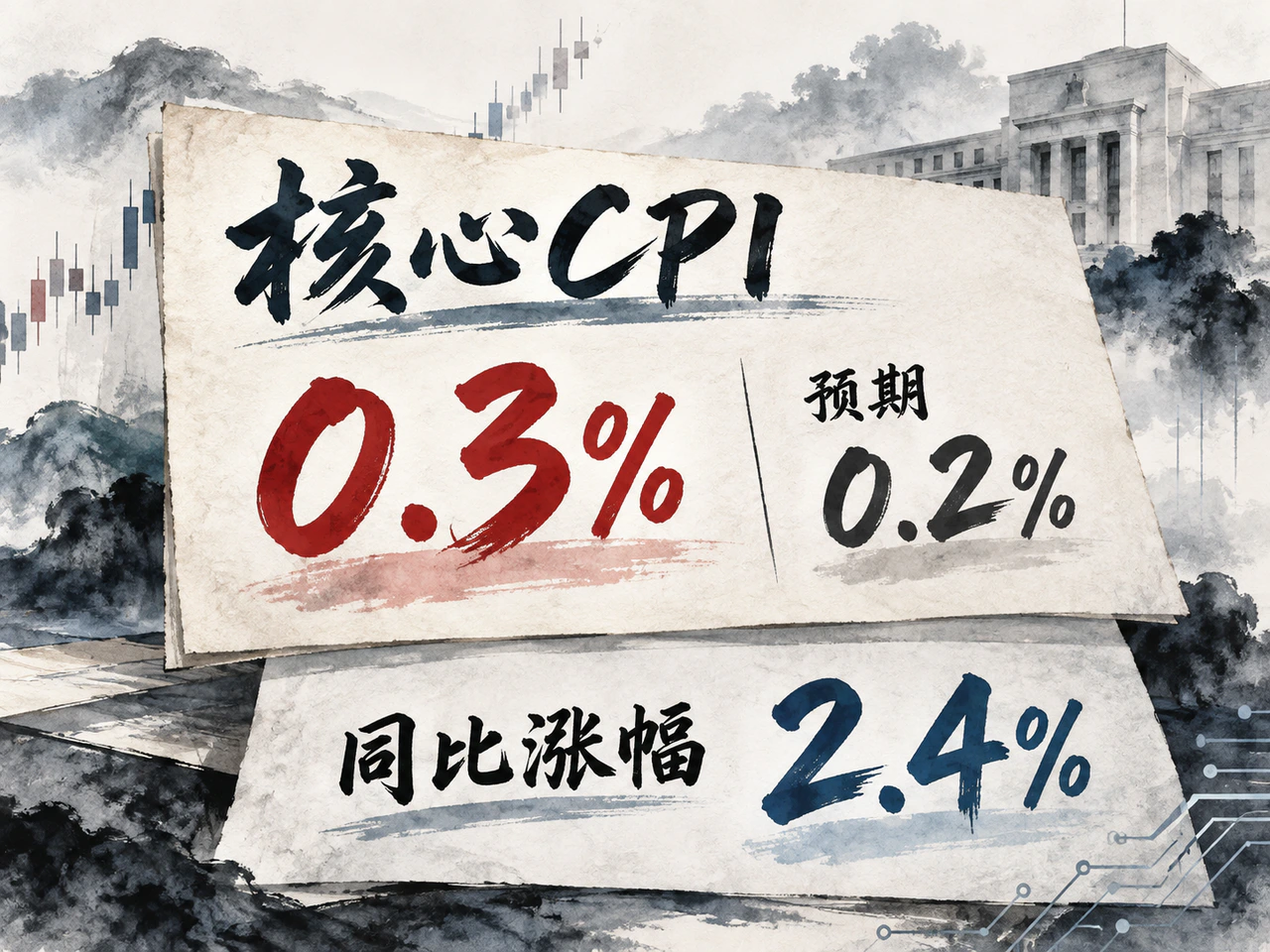
Core CPI excluding food and energy, more closely watched by policymakers, accelerated from 0.2% to 0.3% monthly, above the Reuters consensus of 0.2%. Shelter increases recovered, while communications and airfares also lifted the index, showing pressure beyond energy.
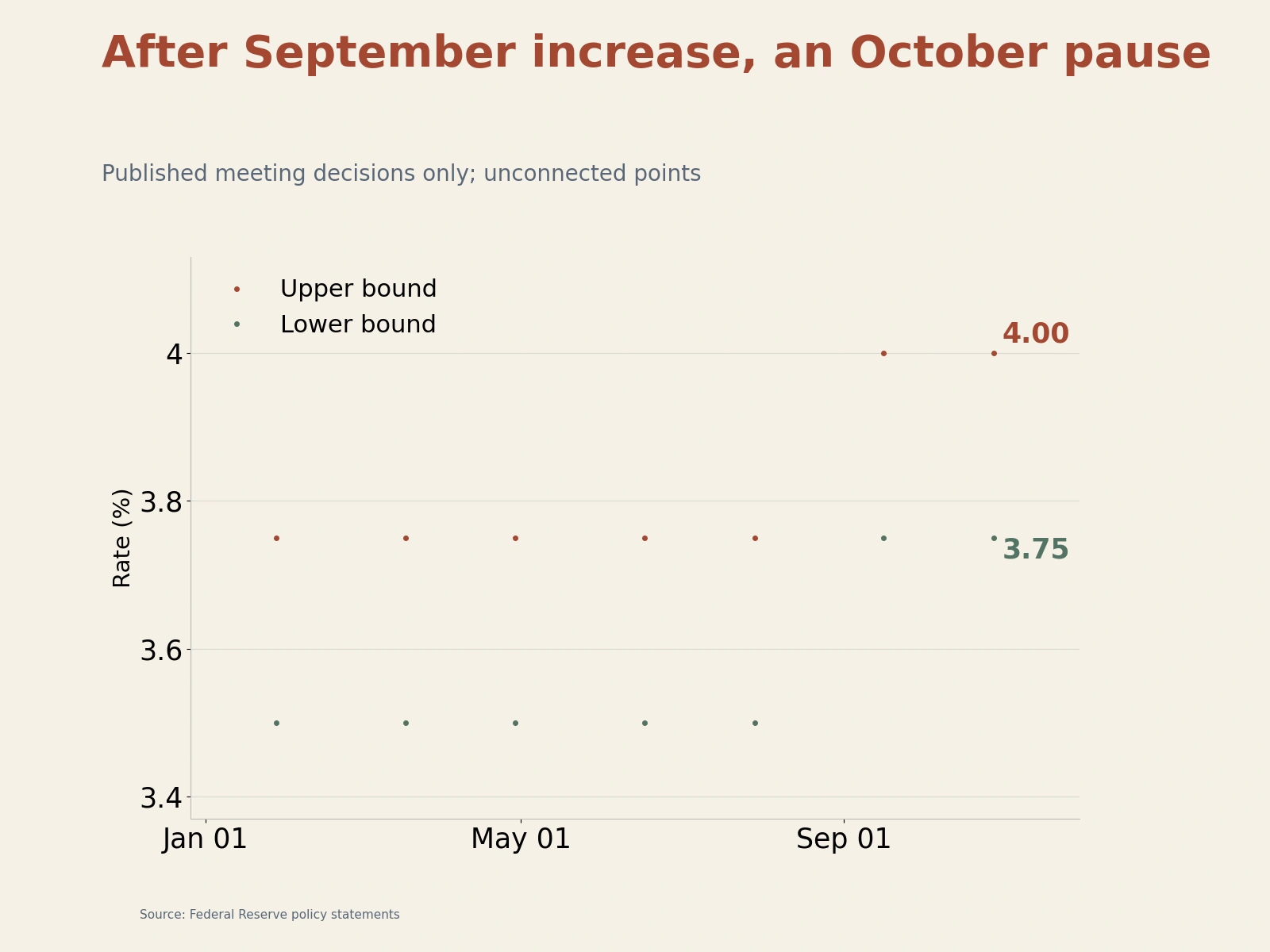
Reuters reported on the morning of September 11 Eastern time that Nationwide chief economist Kathy Bostjancic changed her forecast after the release to a 25-basis-point hike the following week. She feared energy inflation would spread to other goods, services and expectations. The Fed already had hike advocates: on July 29 it held rates at 3.50%–3.75%, but three members favored a 25-basis-point increase. The new data strengthened their case.
Core prices nevertheless did not show broad, sustained acceleration. August annual core CPI fell from 2.5% to 2.4%, while medical and auto-insurance prices declined monthly. Inflation Insights economist Omair Sharif told Reuters an unusual wireless-services increase boosted the core reading; excluding it, the rise would be much milder. Individual volatility must still be distinguished from broad price trends.
Inflation expectations rebound while weakening confidence complicates policy
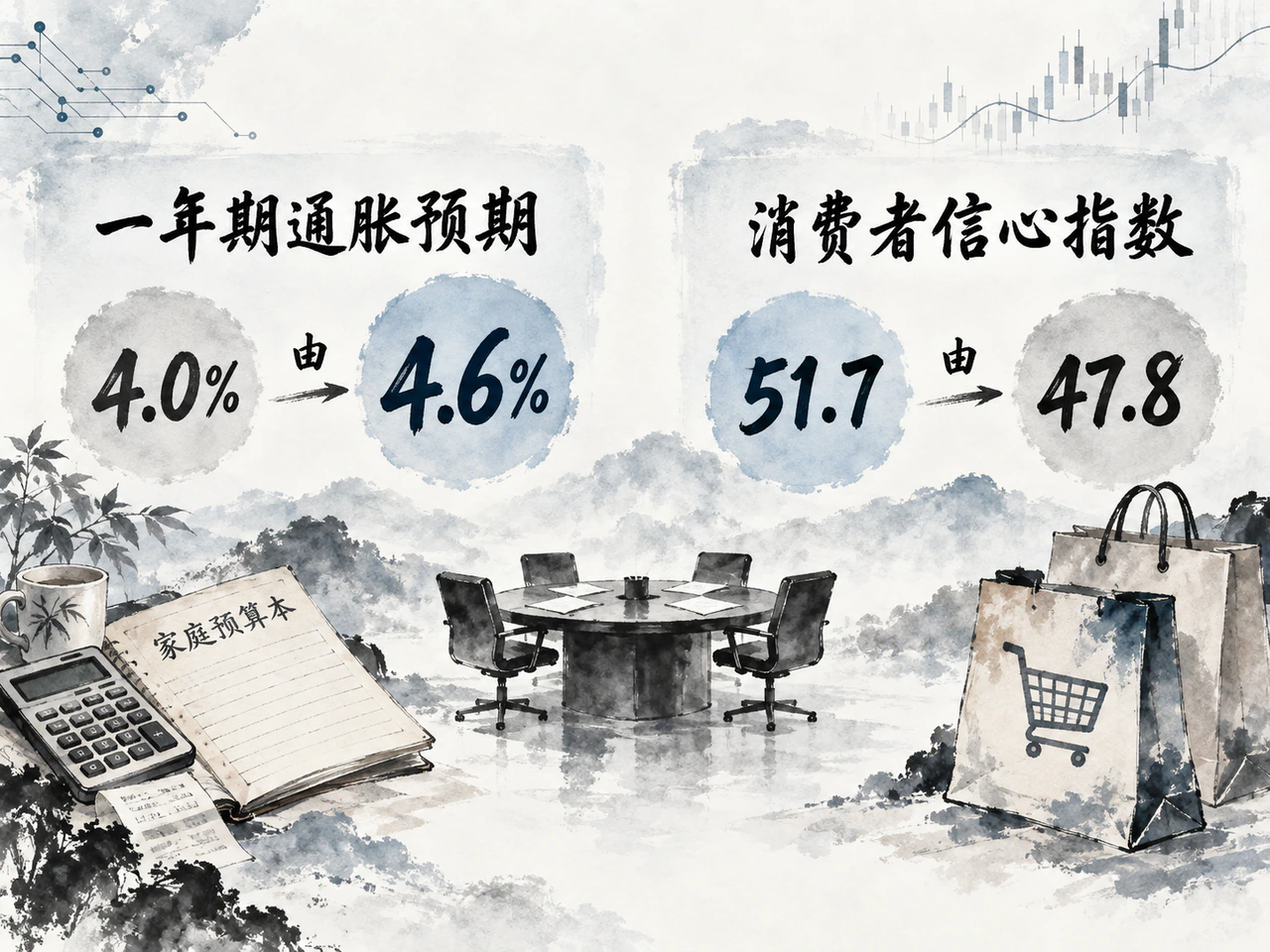
The preliminary September Michigan survey showed one-year expectations rising from 4.0% to 4.6%, the highest since June. Long-term expectations rose to 3.4% after three months at 3.3%. Director Joanne Hsu said renewed fuel increases and trade tensions intensified worries about household finances.
Sentiment fell from 51.7 to 47.8, with markedly weaker expectations for personal finances and business conditions. Households feared both inflation and income and economic prospects. Weaker confidence could restrain demand without directly removing higher inflation-expectation pressure. Waiting risked entrenching expectations, while a hike required weighing additional demand damage.
The September 15–16 meeting would hinge on how the Fed balanced these risks. Latest data strengthened the hike case, but individual price disturbances, falling annual core inflation and weaker confidence did not support a firm judgment on subsequent tightening. Even after a hike, guidance would be needed to distinguish a one-off response from the start of further tightening. Michigan's final September 25 survey would provide the next test of whether the expectations rebound persisted.