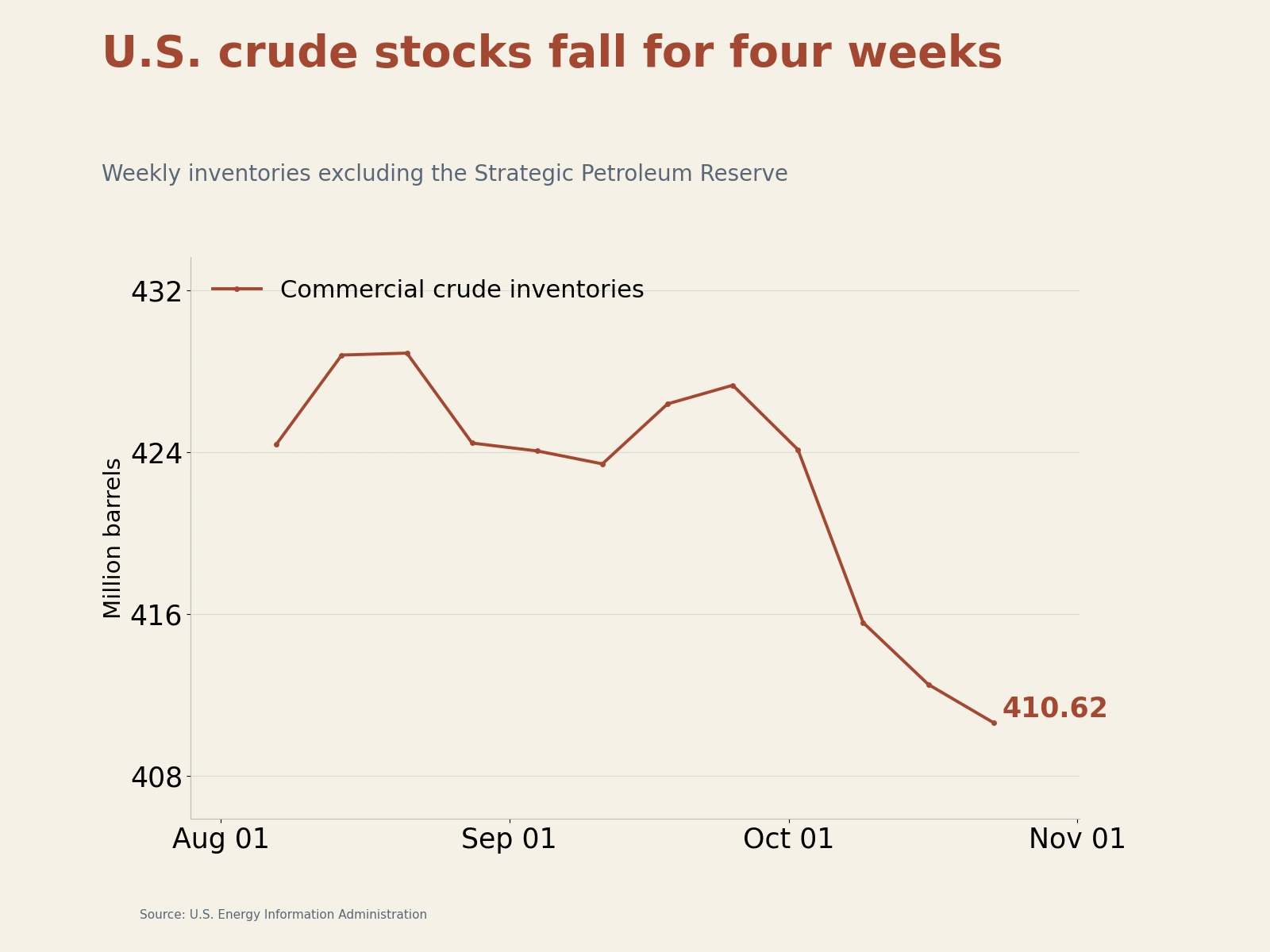
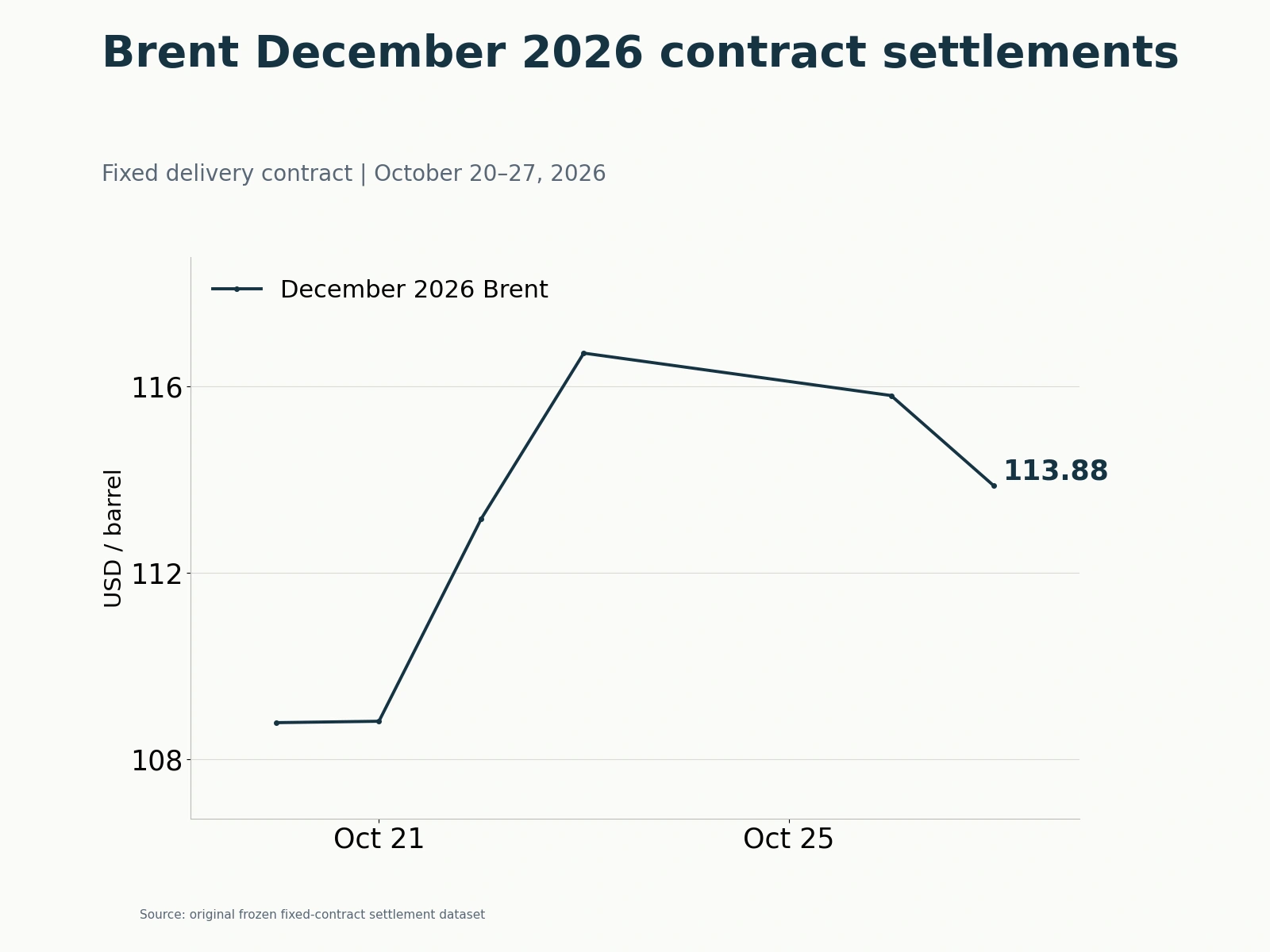
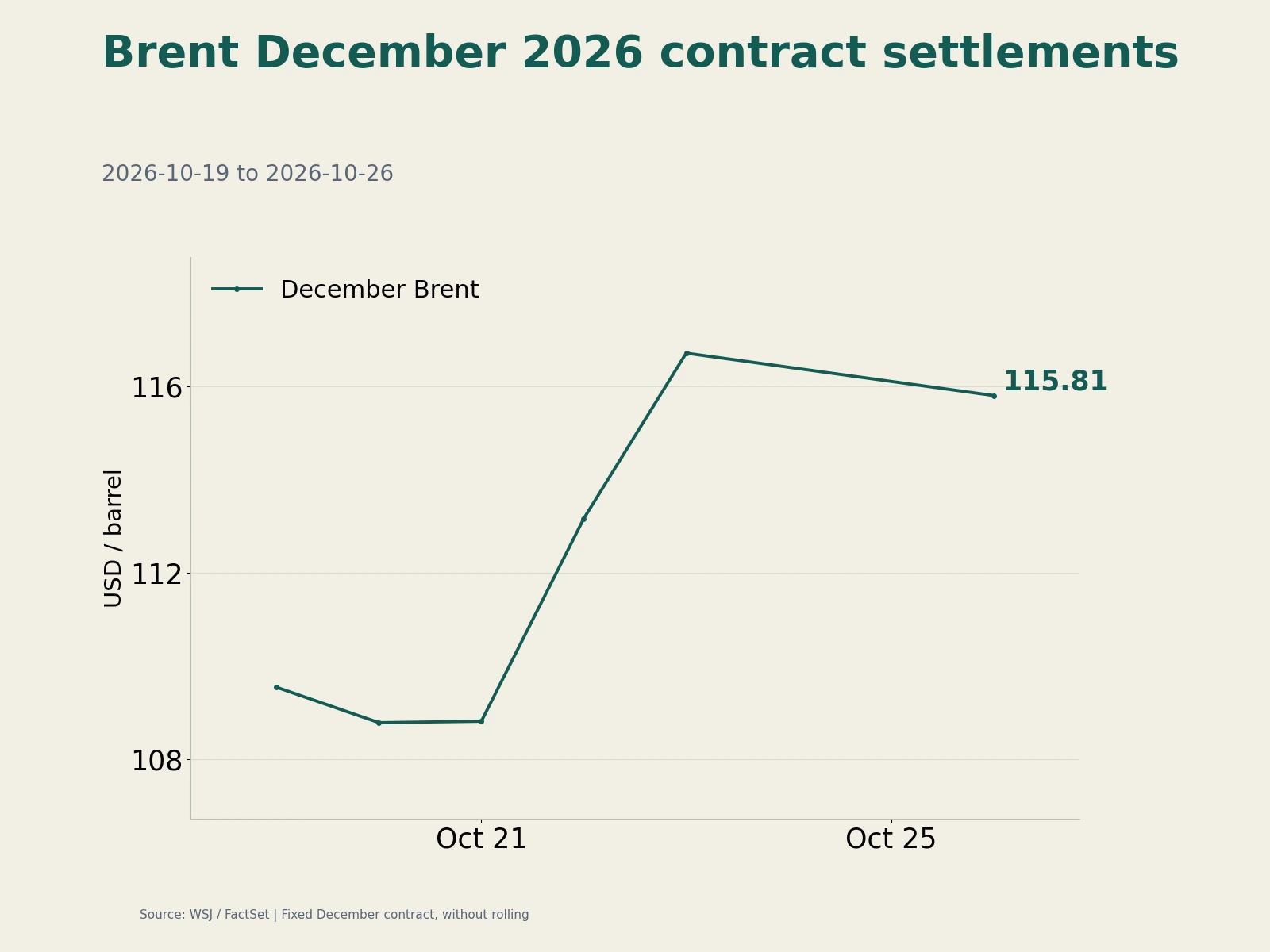
On September 11, crude retreated after the previous day's surge. Yahoo continuous-contract daily closes put WTI at $99.99 a barrel, down 2.43%, and Brent at $104.42, down 2.98%. Shipping talks led markets to reduce risk premiums, but the IEA report released that day showed supply recovery still delayed and stocks still depleting. Prices reacted before transport conditions improved; physical tightness remained unresolved.
Talks create an opening, but transport remains obstructed

Reuters reported Middle Eastern foreign ministers seeking an interim arrangement with Iran to manage Hormuz shipping. Brent and WTI surrendered early gains on the news. Both had risen more than 6% the previous day, and Friday's retreat also reflected adjustment of that sharply higher risk premium.
Actual transit had not improved accordingly. Reuters cited preliminary tracking data showing seven vessels passing Hormuz on September 10, down from eleven the day before. Vessel counts cannot directly be converted into crude volumes, but the change showed expectations from talks were not yet supported by recovering traffic.
Routes bypassing the strait were also threatened. Reuters reported smoke near Saudi Arabia's East-West pipeline and reports of pumping-station damage. The pipeline moves crude to the Red Sea and is an important Hormuz alternative. The extent of damage and effect on throughput remained unconfirmed. Reliable operation of alternative export routes had become another constraint on recovery.
The dollar explained little of the day's reversal. Its index was 99.095 on the provider's daily close, almost unchanged. Crude's nearly 3% decline was more likely attributable to expectations from shipping talks and correction of earlier gains.
Blocked exports constrain output as inventories fill the gap

In its September 11 report, the IEA increased its forecast decline in 2026 global supply to 5.7 million barrels a day year on year. August global stocks fell by an average 3.1 million barrels a day, showing continued use of reserves to bridge supply and demand.
Saudi supply contracted particularly sharply. The IEA said August crude supply fell 2.3 million barrels a day month on month to 6 million. Obstructed exports constrain production in turn: resources and some facilities may remain, but crude that cannot be shipped cannot become deliverable supply.
The EIA's September 9 outlook further explained the transport-production link. Citing Vortexa, it estimated August Yanbu exports around half July's level, with some cargoes rerouted to Asia via Suez at longer distances and higher cost. Regional output shut because of transport constraints rose to 6.7 million barrels a day in August from 5 million in July.
Nominal capacity and willingness to increase production therefore do not establish short-term supply. Actual loading and departure, sustained alternative-pipeline flows and refinery receipt matter more. Talks must translate into improvement at those stages to ease physical pressure gradually.
High prices erode demand; further declines still depend on supply recovery
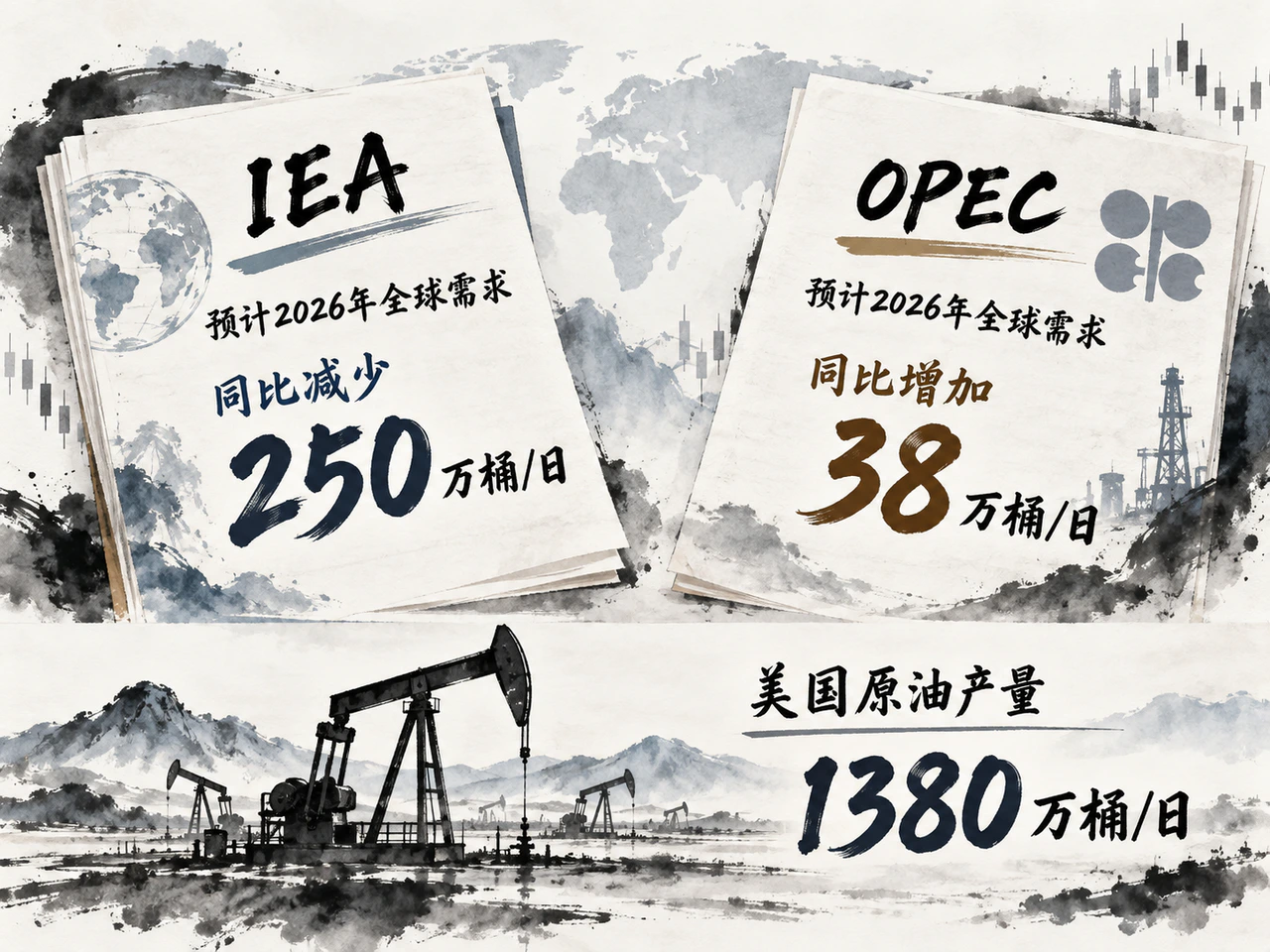
High fuel prices' squeeze on consumption is the other side of supply shortages. The IEA expanded its forecast 2026 demand decline from 1.6 million to 2.5 million barrels a day year on year. OPEC cut its demand-growth forecast for a fifth consecutive time on September 10, to 380,000 barrels a day. Both lowered expectations, but still differed markedly on growth versus contraction for the year.
Higher U.S. production offers a partial buffer. The EIA forecast on September 10 that 2026 U.S. crude output would average 13.8 million barrels a day, above 2025's 13.7 million. The increment was limited relative to Middle Eastern losses and could not quickly fill the gap.
Product prices showed no relief for end users. Reuters cited GasBuddy saying the U.S. national diesel average first exceeded $6 a gallon on September 10. Gulf transport constraints and attacks on Russian refineries created a double supply burden. A one-day crude decline need not immediately lower fuel prices.
Institutions still saw conditions for medium-term price declines. Commerzbank raised its year-end Brent forecast from $75 to $85, still below current prices. Assuming exports and shut-in capacity gradually recover, the EIA expected most production and trade flows back at preconflict levels by Q2 2027. These forecasts depend on actual supply recovery and do not establish a confirmed downward price trend.
Sustained increases in Hormuz traffic and actual loadings, and restored Saudi pipeline and Yanbu exports, would directly test the talks. Slower global stock depletion and cooler diesel prices would show relief reaching refineries and consumers. Until those signs appear, talk-driven price declines can coexist with tight physical supply.