U.S. price data and consumer surveys released September 11 strengthened expectations for a September Fed hike. A higher monthly core CPI reading and growing household price concerns increased pressure against waiting for disinflation. Yet some increases were concentrated in individual categories and confidence weakened, leaving consecutive hikes an open question.
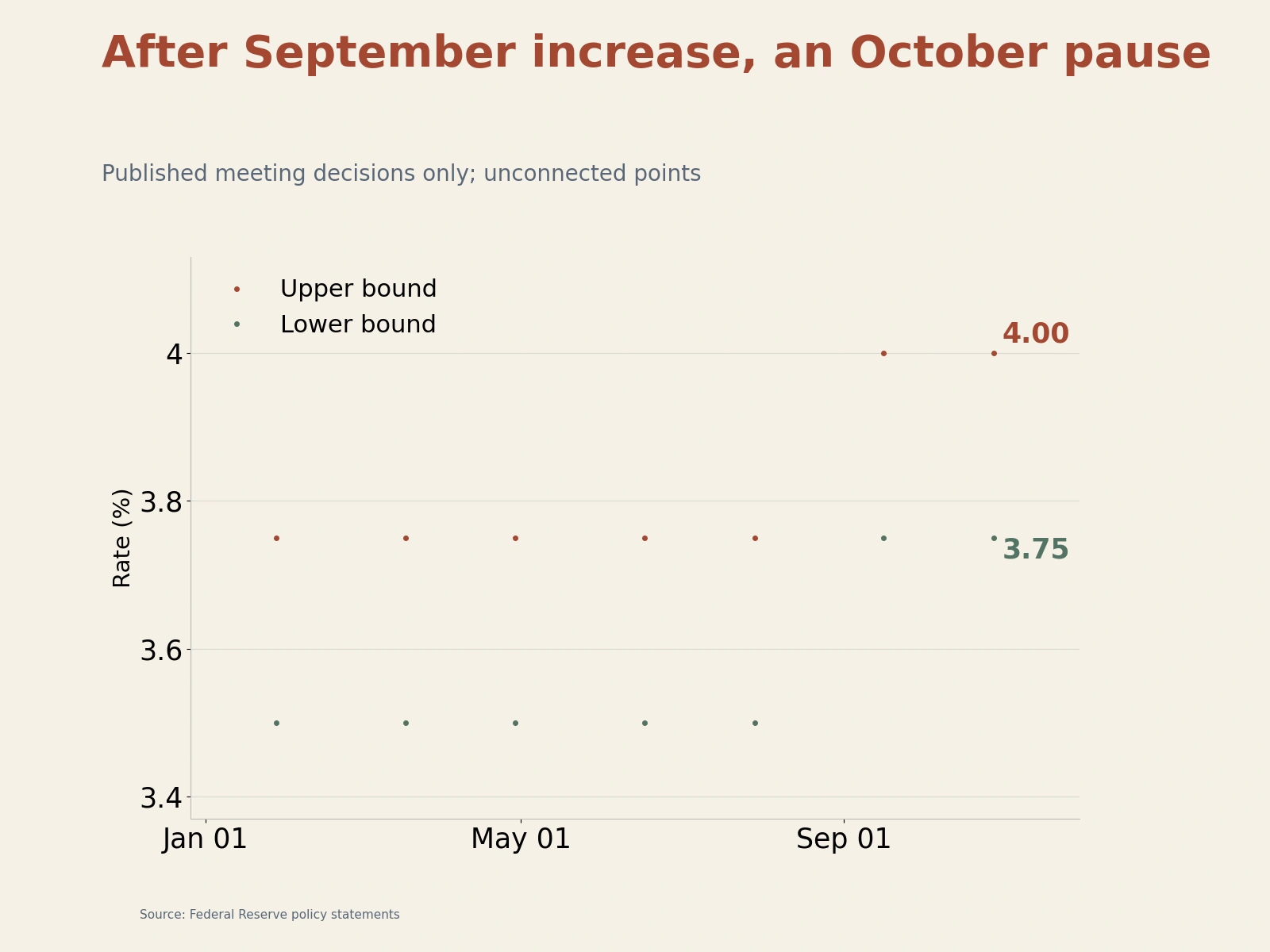
The current funds target is 3.50%–3.75%. Reuters' post-CPI report put futures-implied probability of a September 25-basis-point increase near 85%, versus about 70% beforehand. Markets clearly favored a hike, with the final decision due September 15–16.
Monthly core inflation rebounds; disinflation remains uneven
BLS reported seasonally adjusted August CPI up 0.4% monthly, above July's 0.1%, with annual inflation unchanged at 3.4%. Gasoline rose 3.9%, contributing more than one third of the monthly increase.
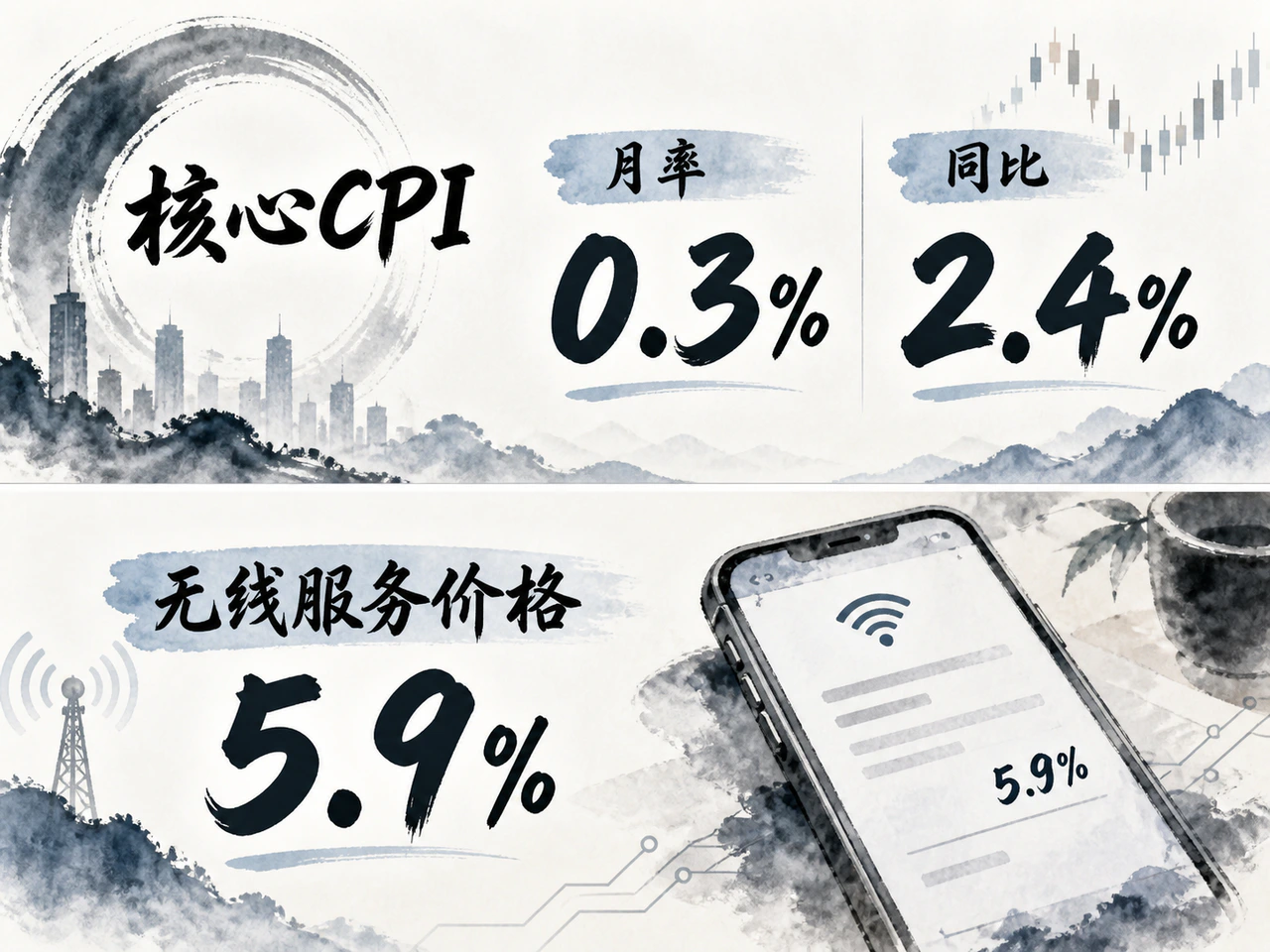
Pressure extended beyond energy. Core CPI excluding food and energy rose 0.3%, above July and the Reuters consensus of 0.2%. Shelter accelerated from 0.1% to 0.3%, with communication, lodging and airfares also rising. Even excluding energy, monthly pressure failed to continue easing.
The figures do not yet establish broad acceleration. Annual core CPI fell from 2.5% to 2.4%, and medical care and vehicle insurance declined monthly. Reuters highlighted a 5.9% wireless-service increase that substantially lifted the core reading. The surprise increased hike likelihood, but persistence and breadth remain key to subsequent policy. The Fed's 2% target is for PCE, so core CPI cannot directly establish target attainment.
Higher price expectations and demand pressure complicate policy
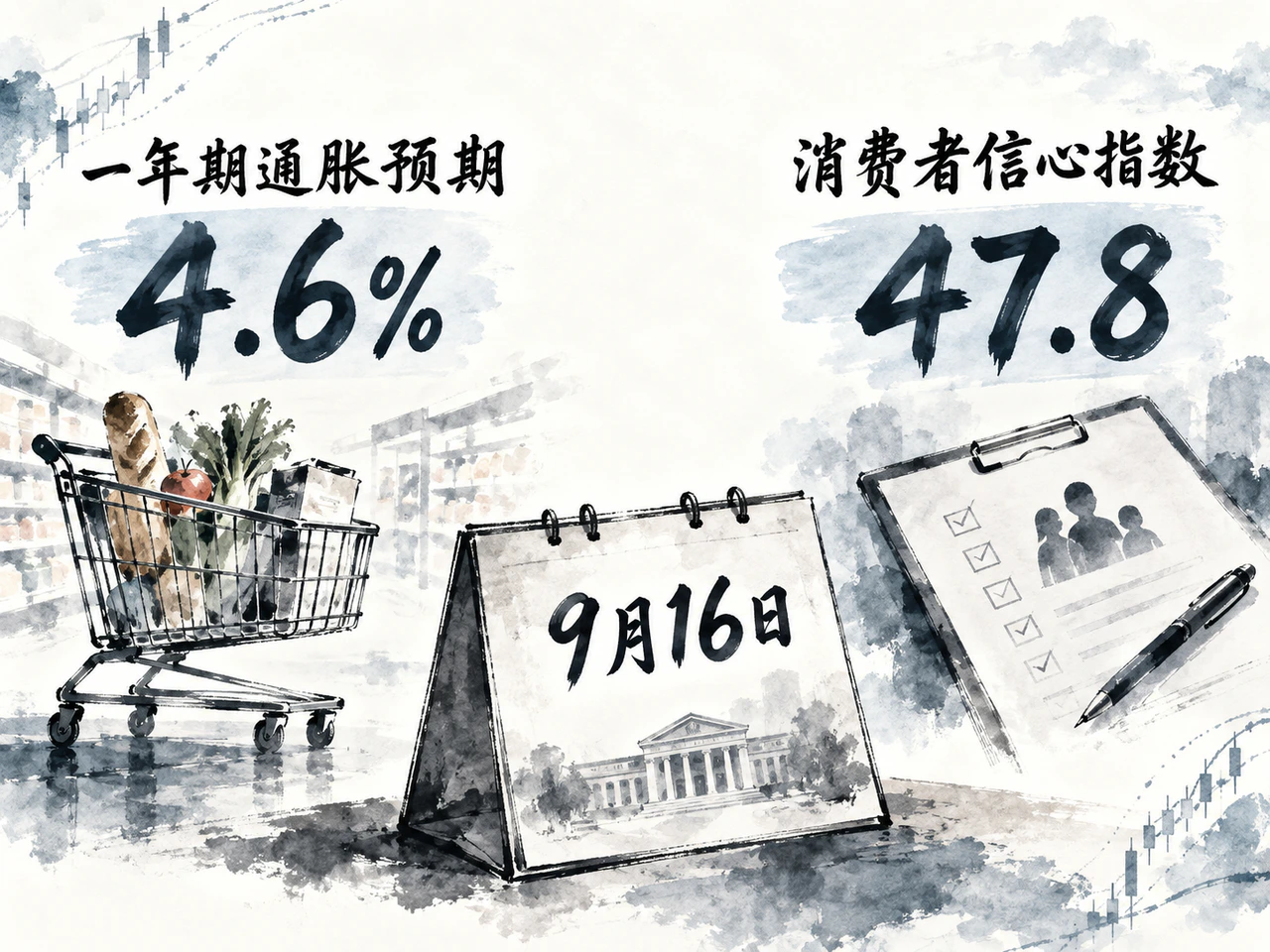
The preliminary September Michigan survey released the same day sharpened the tradeoff. One-year inflation expectations rose from August's 4.0% to 4.6%, longer-term expectations from 3.3% to 3.4%, while confidence fell from 51.7 to 47.8. Survey director Joanne Hsu linked purchasing-power concerns with recovering fuel prices and trade tensions.
The near-term expectations increase suggests energy costs may be affecting views of future prices as well as current bills. Slightly higher long-term expectations make it harder to dismiss the shock as temporary. Weaker confidence, meanwhile, shows purchasing-power anxiety; further financing-cost increases could add demand pressure.
Reuters reported Nationwide shifting to expect a 25-basis-point hike next week, while Principal Asset Management argued restoring stability could require more than one hike. Those views reflect inflation concerns, but the need for sustained tightening depends on whether subsequent price pressure fades.
The September 16 decision and press conference are the nearest checkpoints. Beyond the rate itself, the Fed's assessment of persistence and diffusion will indicate whether a possible increase is a single adjustment or the beginning of further tightening. Michigan's September 25 final survey will add evidence on the scale of higher household expectations.