From September 7–13, Middle Eastern fighting spread from naval confrontations around Hormuz to the Red Sea coast, Bab el-Mandeb and Saudi Arabia's East-West Pipeline. U.S. forces struck Iranian tankers, Iran threatened wider maritime restrictions, and Houthi advances along western Yemen disrupted Saudi bypass arrangements. Energy transport faced a deeper problem: alternatives were under new pressure before the original strait risk had eased.
Regional diplomatic contacts increased over the weekend, with Iran proposing shipping-security discussions with Gulf countries in Oman. Yet ship attacks, coastal fighting and evacuations continued without concrete navigation arrangements. Expanding military pressure alongside diplomatic contact defined the week.
Tankers struck as maritime risks spread outward
Early in the week, Iranian parliamentary speaker Qalibaf warned that further U.S. attacks on Iranian assets would bring retaliation against Gulf oil and gas facilities and U.S. corporate interests. New naval clashes then brought that threat more directly into energy transport.
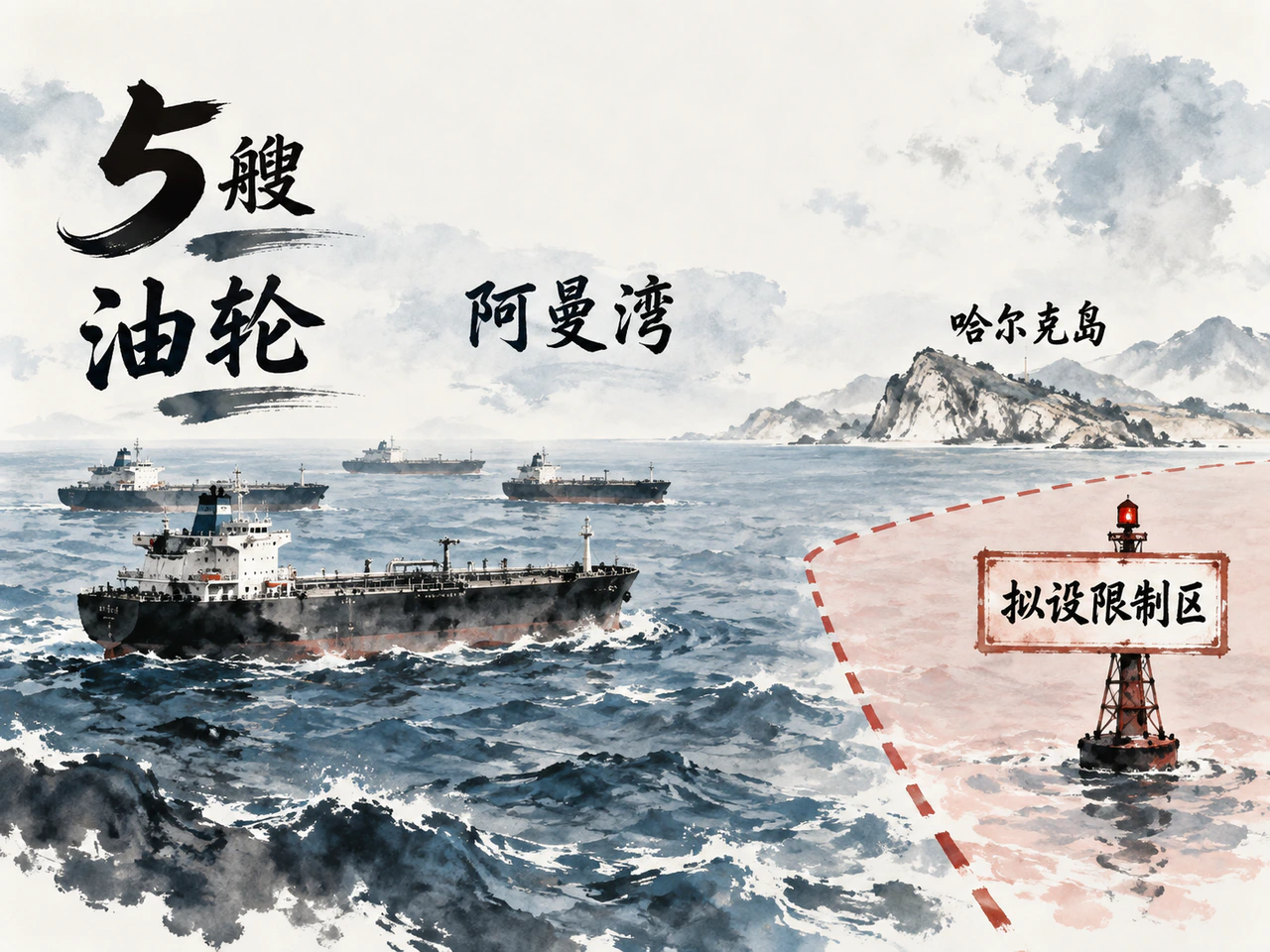
On September 8 local time, Central Command said it struck 5 tankers linked to the Revolutionary Guards: 4 in the Gulf of Oman and 1 near Kharg Island, Iran's main oil export hub. It described retaliation for earlier Iranian missile fire at a U.S. warship and said crews were told to abandon ship. Iran subsequently claimed missile attacks on U.S. targets in Jordan. Jordan's military reported 18 interceptions and 2 missiles falling in uninhabited areas, with no casualties.
Targeting tankers directly threatened Iranian export revenue and vessel safety. On September 9, the Revolutionary Guards said a proposed restricted area would extend from Chabahar toward parts of the Gulf of Oman and Arabian Sea, with sanctions on uncoordinated entry. This pushed threatened risk beyond Hormuz, but coordinates had not been published and actual control remained unclear.
On September 13, Iranian local officials said an attack on an Iranian merchant vessel in Hormuz killed one and injured four. UKMTO reported an unidentified projectile causing fire and local authorities evacuating crew. Iran blamed the U.S.; responsibility was not independently established. Continued weekend attacks showed fragile security conditions for a shipping recovery.
Red Sea advances pressure bypass routes too
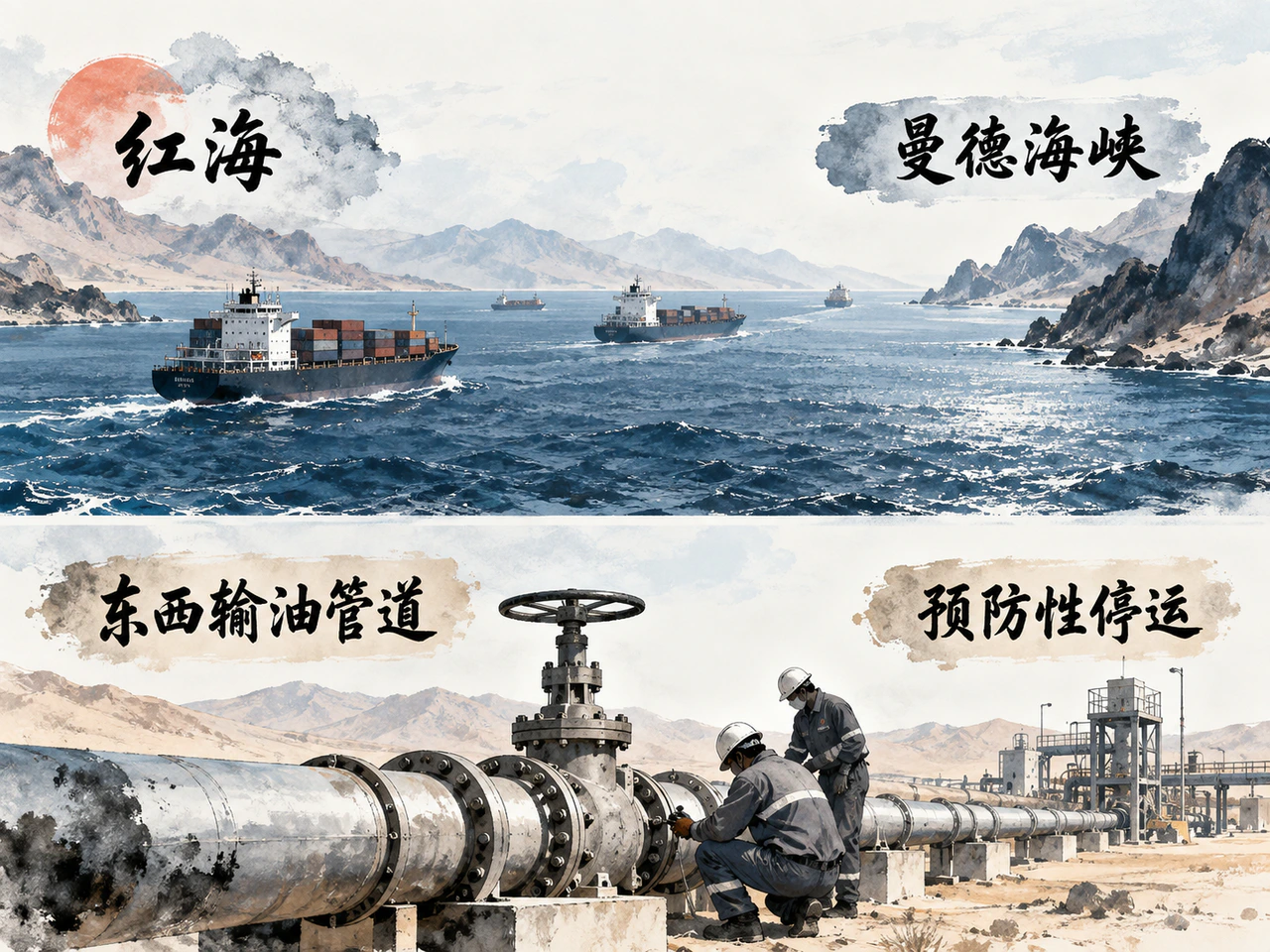
Yemen saw the clearest front-line changes. The Houthis captured Mocha and the Hanish Islands on September 10 and advanced toward Bab el-Mandeb. Reuters cited government sources saying they reached Perim Island on September 11, prompting government withdrawal and the loss of Dhubab on the opposite coast.
Changing coastal control raised southern Red Sea navigation risk and pressure on Saudi exports. A Houthi spokesperson said the ban targeted Saudi vessels and others could pass. This did not amount to complete closure of Bab el-Mandeb, but deployments and attacks on Saudi-linked ships made assurances alone insufficient for shipowners.
Overland alternatives were also struck. Saudi Arabia announced September 11 that multiple attacks the previous day prompted a precautionary East-West Pipeline shutdown while technicians checked integrity. It said drones originated in Iraq and some personnel were injured, delaying retaliation to allow Iraqi action. Perpetrators remained unclear and any relationship to the Houthi coastal offensive unconfirmed.
The pipeline connects eastern Saudi fields to Red Sea exports and is a major Hormuz bypass. Its shutdown alongside Bab el-Mandeb pressure subjected alternatives to both overland and sea-leg risks. Recovery depended on inspection and repairs, actual loading and passage; shutdown duration and supply effects remained uncertain.
Humanitarian pressure worsened. IOM reported September 7 that about 18,500 people had fled since escalation on September 3. Its September 13 tracking recorded 85,818 displaced, including 82,164 since early September and over 2,000 fleeing to Djibouti. Coverage had expanded between reports, so the difference was not this week's new displacement. Blocked roads, lost communications and repeated moves complicated aid.
Nuclear dispute deepens; diplomacy awaits implementation
Alongside escalation, verification disputes worsened. On September 9, the IAEA Board referred Iranian nonproliferation violations to the UN Security Council. Director General Grossi had again sought access to attacked facilities and relevant materials. Iran responded September 10 that the agency's political actions could drive withdrawal from the Non-Proliferation Treaty. By the weekend this remained a warning; referral itself did not mean new sanctions were imposed.
Regional states sought de-escalation. Senior Iranian and UAE officials met over the weekend; Iran's foreign minister spoke with counterparts in Turkey, Iraq and Oman about the strait and regional security. Tehran proposed September 14 Oman talks with Gulf countries on safe merchant routes. Bloomberg sources said the meeting and participation were not final, making it an important next checkpoint.
Washington retained room to enter Yemen directly. U.S. officials told media it was providing Saudi intelligence and targeting assistance but was not then preparing direct Houthi strikes. Policy could change if Red Sea shipping threats rose substantially.
As conflict geography widened, more security issues required coordination. Oman contacts could ease local pressure through concrete routes, but Hormuz passage, Saudi facilities and Yemen had not improved together. Diplomatic success ultimately requires safe ships and working infrastructure.
Key developments
| Key developments (Beijing time) |
|---|
| September 13, 19:09 Beijing timeIranian local officials reported one dead and four injured in an attack on an Iranian ship in Hormuz; UKMTO said an unidentified projectile caused fire and crew were evacuated. |
| September 13, 17:00 Beijing timeBloomberg said Oman was seeking a September 14 GCC-Iran meeting on Hormuz, with the meeting and attendance not finalized. |
| September 13, 06:45 Beijing timeIranian and Turkish foreign ministers discussed Hormuz and Saudi attacks, stressing prevention of escalation; Iran also consulted Iraq and Oman. |
| September 13, 06:00 Beijing timeHouthis claimed ballistic-missile and drone attacks on Saudi Arabia's Sharurah base and threatened more; effects were not independently verified. |
| September 13, 05:30 Beijing timeIranian and Iraqi ministers discussed border security; media said Iraq temporarily shut three Iran crossings after locating drone launch sites linked to the Saudi pipeline attack. |
| September 13, 03:45 Beijing timeSaudi civil defense reported a projectile in Tuwal, Jizan, injuring two and damaging a mosque, buildings and vehicles. |
| September 13, 03:15 Beijing timeMedia reported Iran's president and Abu Dhabi's crown prince met during a BRICS gathering and supported restraint; Bahrain reportedly refused an Iranian meeting. |
| September 13, Beijing time — IOM put Yemen displacement at 85,818, including 82,164 since early September; over 2,000 had fled to Djibouti. |
| September 12, 21:50 Beijing timeTrump said the Houthis contacted Washington asking it not to intervene; he called Iran a possible culprit in the Saudi pipeline attack without presenting evidence. |
| September 12, 03:18 Beijing timeU.S. officials said Washington provided Saudi intelligence and targeting assistance without direct Houthi strikes for now; policy could change with shipping threats. |
| September 12, 03:16 Beijing timeSaudi Arabia announced a precautionary East-West Pipeline shutdown after multiple attacks and injuries; technical teams checked integrity. Saudi Arabia said the drones came from Iraq. |
| September 12, 00:24 Beijing timeIran proposed Oman discussions September 14 with Gulf states on safe merchant routes; no GCC state had confirmed specific attendance. |
| September 11, 02:06 Beijing timeSecurity council secretary Rezaei said IAEA political actions could push Iran out of the NPT; no formal withdrawal had been announced. |
| September 11, Beijing time — Reuters cited Yemeni government sources saying Houthis reached Perim at Bab el-Mandeb; government troops withdrew and lost Dhubab opposite the island. |
| September 11, Beijing time — A Houthi spokesperson said non-Saudi vessels could pass safely despite the ban on Saudi vessels; risks remained high. |
| September 10, Beijing time — Houthis captured Mocha and the Hanish Islands, extending the front toward Bab el-Mandeb. |
| September 9, 20:24 Beijing timeRevolutionary Guards said a proposed restricted zone would extend from Chabahar into parts of the Gulf of Oman and Arabian Sea; coordinates would follow. |
| September 9, 10:17 Beijing timeIranian media claimed missile attacks on U.S. targets in Jordan; Jordan reported 18 ballistic interceptions and two impacts in empty areas, with no casualties. |
| September 9, 06:33 Beijing timeCentral Command said it struck five Guard-linked tankers, four in the Gulf of Oman and one near Kharg, in response to earlier missile fire on a U.S. warship. |
| September 9, 02:02 Beijing timeThe UN secretary-general condemned Houthi cross-border attacks on Saudi locations and expressed concern over civilian casualties and energy infrastructure. |
| September 9, 00:18 Beijing timeThe U.S. announced aviation sanctions involving 36 entities; Iran's foreign minister criticized continued sanctions. |
| September 9, Beijing time — The IAEA Board referred Iranian nonproliferation violations to the Security Council; the resolution itself did not impose new sanctions. |
| September 8, 13:31 Beijing timeThe Saudi-led coalition said Houthi attacks injured 73; Houthis named Abha Airport, King Khalid Air Base and Aramco facilities as targets. |
| September 7, Beijing time — Iran's speaker warned further U.S. strikes would bring retaliation and that Gulf energy facilities and U.S. corporate interests were exposed. |
| September 7, Beijing time — IOM reported about 18,500 displaced after September 3 escalation along western Yemen and in Taiz and Hodeidah, straining aid and access. |


