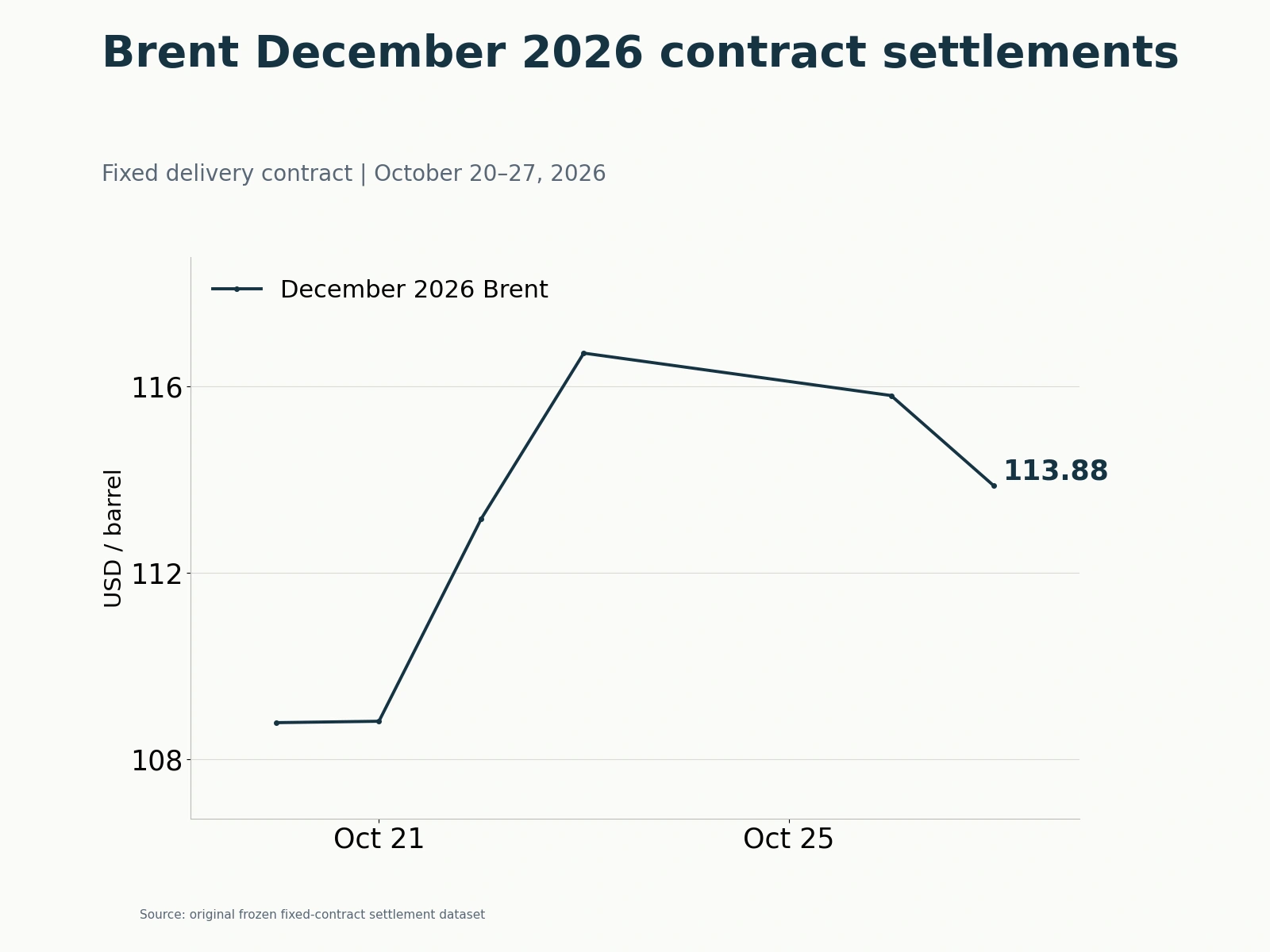
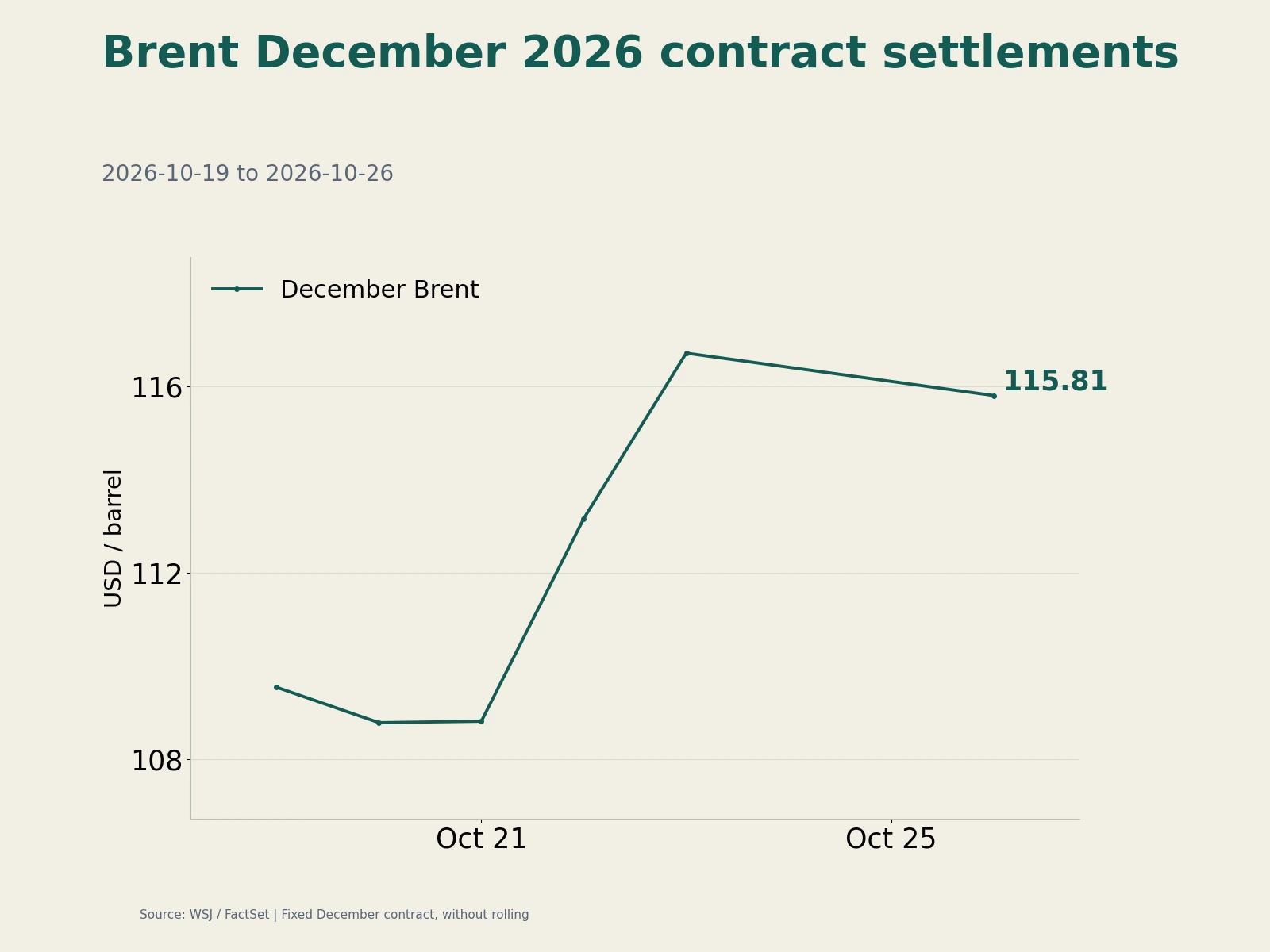
The Saudi East-West Pipeline shutdown intensified worries about crude delivery. Yahoo continuous-contract daily closes for September 14 put WTI at $102.18 a barrel, up 2.13%, and Brent at $106.57, up 1.87%. With Hormuz transport restricted, disruption to its alternative export route made timely delivery a key price driver.
Diplomatic news kept prices from retaining all their gains. Reuters said both benchmarks rose about 4% intraday before retreating. Further gains depend mainly on whether port stocks last until the pipeline restarts and whether additional transport interruptions occur meanwhile.
Pipeline repairs measured in weeks, port inventories in days
Reuters reported September 14 that the pipeline shut after an attack the preceding Friday. Carrying crude west to Yanbu on the Red Sea, it is an important Hormuz bypass. Successive strait and pipeline disruptions further limited Saudi export flexibility.
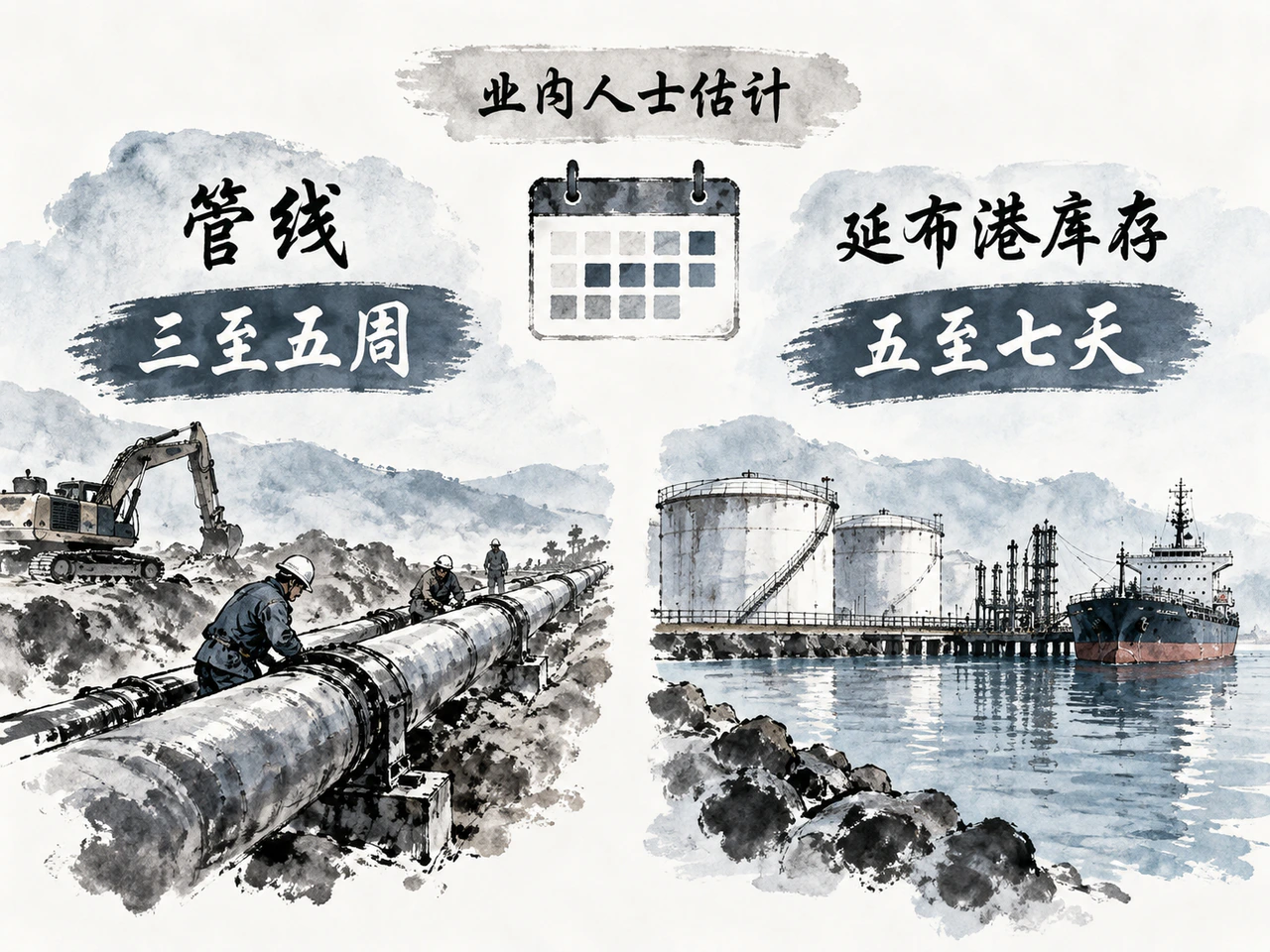
AP cited two regional officials estimating three to five weeks to repair the line and major pump stations. One said partial flows might resume during repairs without specifying volume. This was an informed estimate, rather than an official Saudi restart plan.
Reuters cited three industry sources estimating Yanbu stocks could support only about five to seven export days. If both estimates are accurate and restored partial flows are limited, stocks could become insufficient before repairs finish. Storage can temporarily sustain loading, but cannot replace interrupted incoming crude indefinitely. Buyers would then seek spot supplies elsewhere, potentially paying higher freight or waiting longer.
Route risks persist after loading. AP reported greater Houthi control of islands near Red Sea routes, increasing uncertainty for Saudi exports to Asia. Reuters' preliminary ship tracking showed weekend Hormuz commodity passages in single digits per day, below the preceding ten-day average of 14. Strait traffic had declined, while Red Sea threats did not yet mean all shipping had stopped.
Stocks keep falling; more production cannot solve delivery constraints
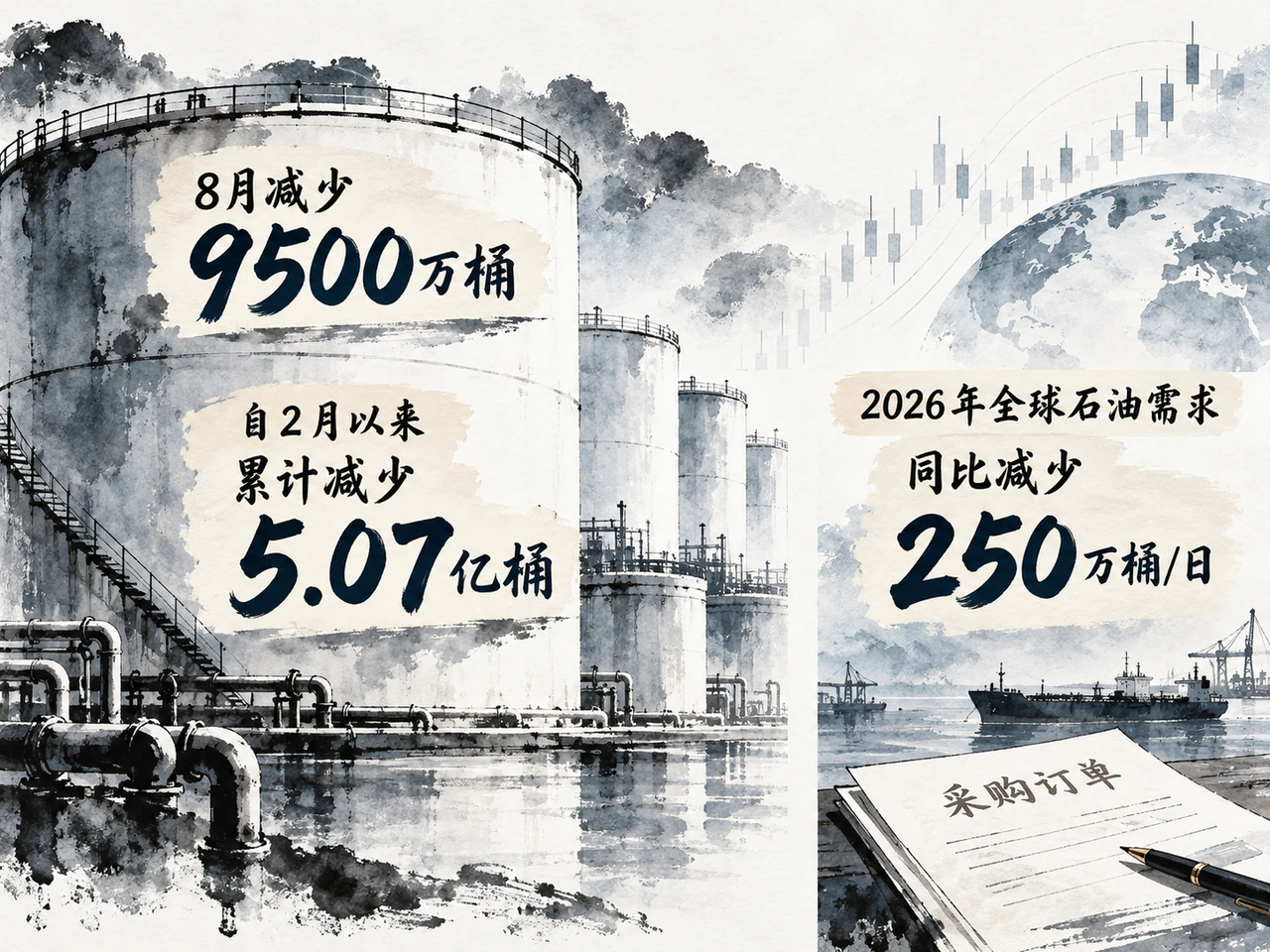
The shock arrived amid falling global stocks. The IEA's September 11 report estimated observable inventories down 95 million barrels in August and 507 million since February. It also described exceptionally high backwardation, with earlier deliveries much more expensive than later ones, reflecting urgency for timely supplies.
Near-term tightness and weakening demand coexist. The IEA lowered its 2026 global demand estimate to a year-on-year decline of 2.5 million barrels a day. High prices curb consumption, and restored transport could release previously blocked crude. Prompt delivery pressure therefore does not imply deferred oil will keep rising equally. Lower demand may ease the balance, but not necessarily as quickly as port stocks are consumed.
Production policy cannot immediately remove transport constraints. Seven OPEC+ members decided September 6 to maintain September's prescribed production levels in October. Importers now care more about how much pipelines, ports and routes can deliver. Capacity alone cannot ease prompt-arrival pressure when cargoes cannot load and reach buyers.
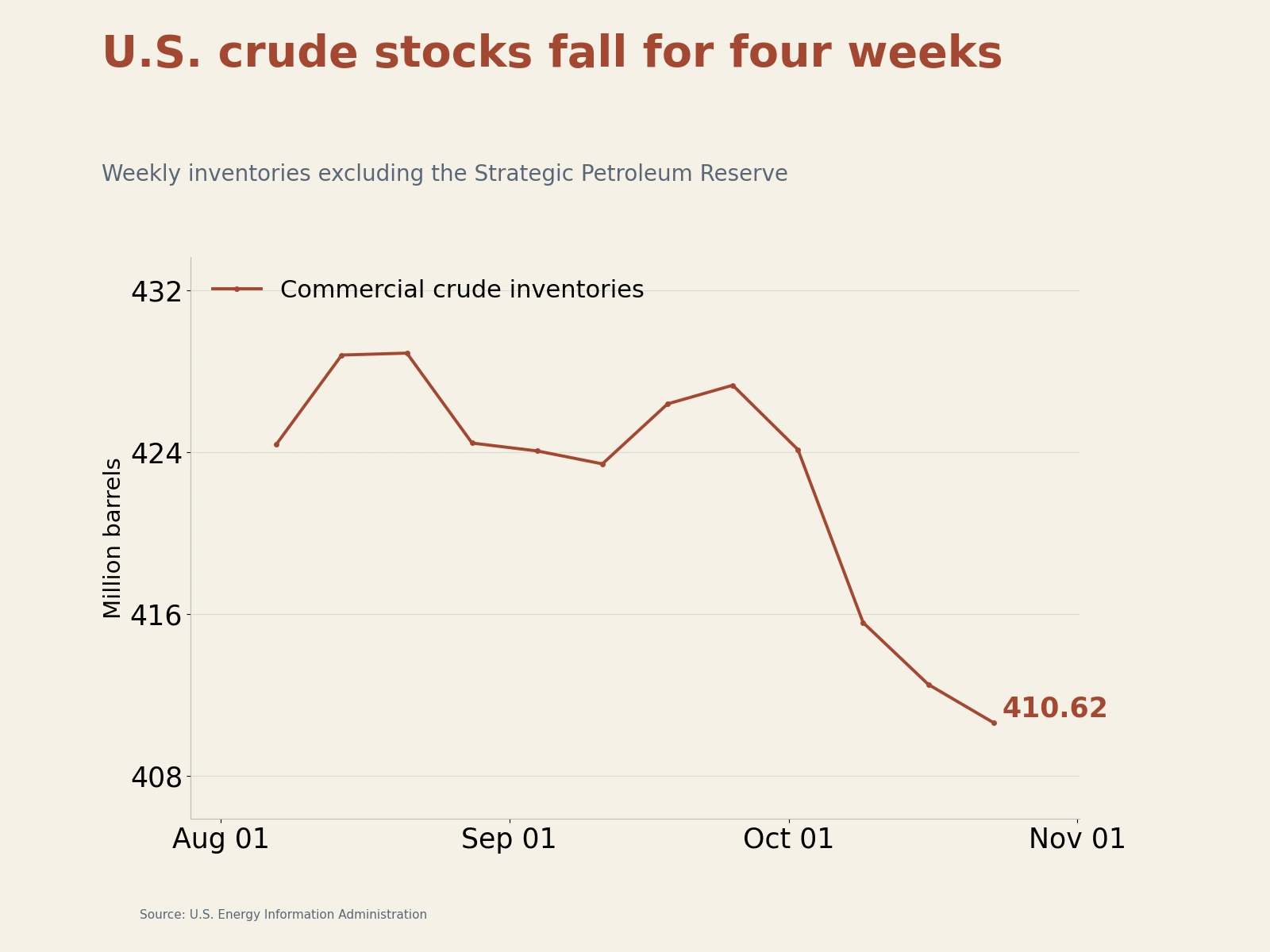
U.S. inventories did not show uniformly rapid declines. Data released September 10 for the week ending September 4 showed commercial crude down 400,000 barrels to 424.1 million, still around the five-year seasonal average; gasoline and distillate stocks rose 1.3 million and 2.1 million. Those figures did not yet reflect the later Saudi pipeline disruption.
Diplomacy eases expectations; export recovery determines staying power
The dollar index rose 0.35% on September 14 on the same vendor-close basis. It failed to prevent oil gains, with supply and transport news the more direct drivers.
Diplomatic comments eased fears of further disruption. Reuters said gains narrowed after Trump said Russia and Ukraine agreed to stop attacking each other's energy targets, and eased further after he said Iran wanted a deal. Better expectations move prices quickly; actual supply still depends on fewer attacks and restored facilities.
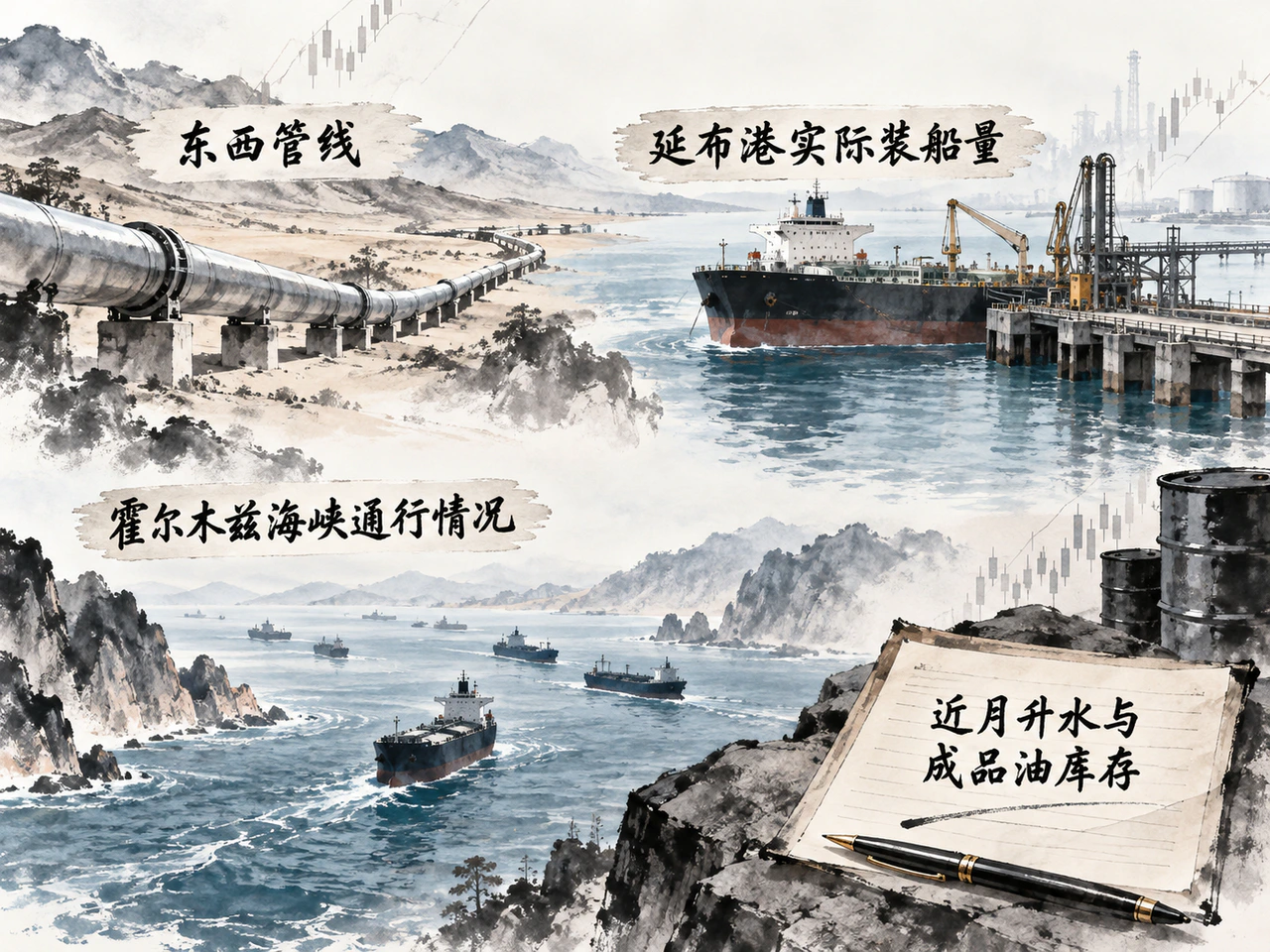
The first question is when the East-West Pipeline restarts and at what volume. Incoming crude restored before Yanbu stocks fall materially would ease prompt shortages; delayed repairs and inadequate partial flows would gradually exhaust the buffer.
Actual Yanbu loadings and Hormuz traffic will show export damage. Persistently lower exports could intensify competition for other regions' spot cargoes. Backwardation and product inventories gauge tightness: narrower premiums and rebuilding stocks signal easing arrival pressure, while widening premiums show continued willingness to pay for earlier delivery. Sustained oil gains ultimately depend on timely cargo delivery.