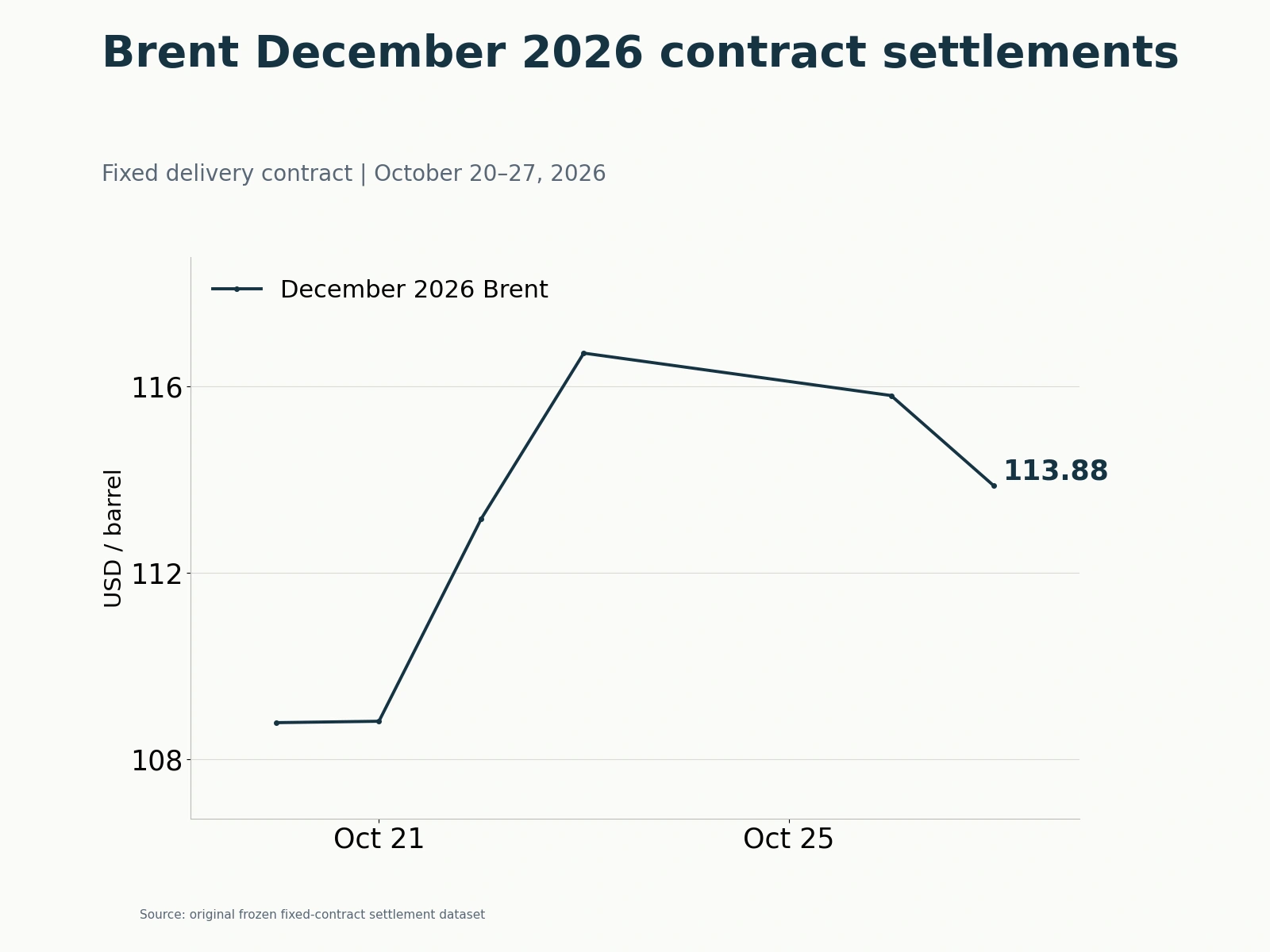
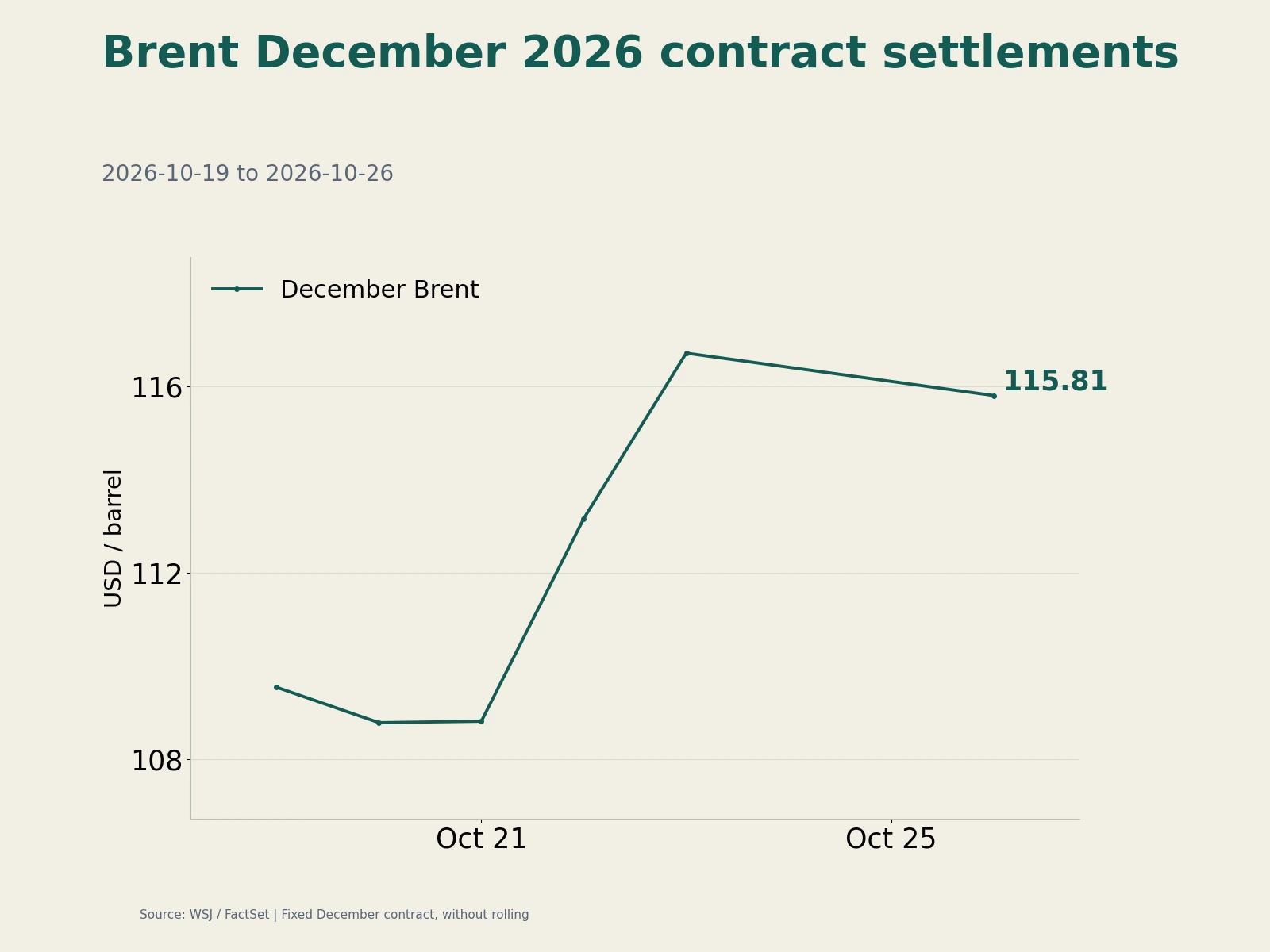
Oil rose again September 15. Yahoo continuous-contract daily closes put Brent at $108.44 a barrel, up 2.61%, and WTI at $105.39, up 3.95%. Disrupted loading at Saudi Arabia's Yanbu drove Europeans to other supplies, with some North Sea physical crude above $130 a barrel. Supply risk was turning from fear of conflict into practical questions of timely refinery deliveries and procurement costs.
Red Sea bypass disrupted; North Sea physical prices rise
Reuters reported September 15, citing trading and shipping sources, that Saudi Arabia notified European customers of some canceled September cargoes and suspended crude loading at Yanbu. Aramco had not commented. The previously attacked and halted East-West Pipeline moves Gulf crude to the Red Sea to bypass Hormuz; its disruption forced Yanbu-dependent buyers to seek alternatives too.
Reuters industry sources said Poland's Orlen bought several North Sea cargoes and inquired about U.S. WTI Midland and Kazakhstan's CPC Blend. Orlen said refinery feedstock deliveries remained normal. Immediate pressures were replacement costs and logistics adjustments, rather than proof that refinery supplies had already stopped.
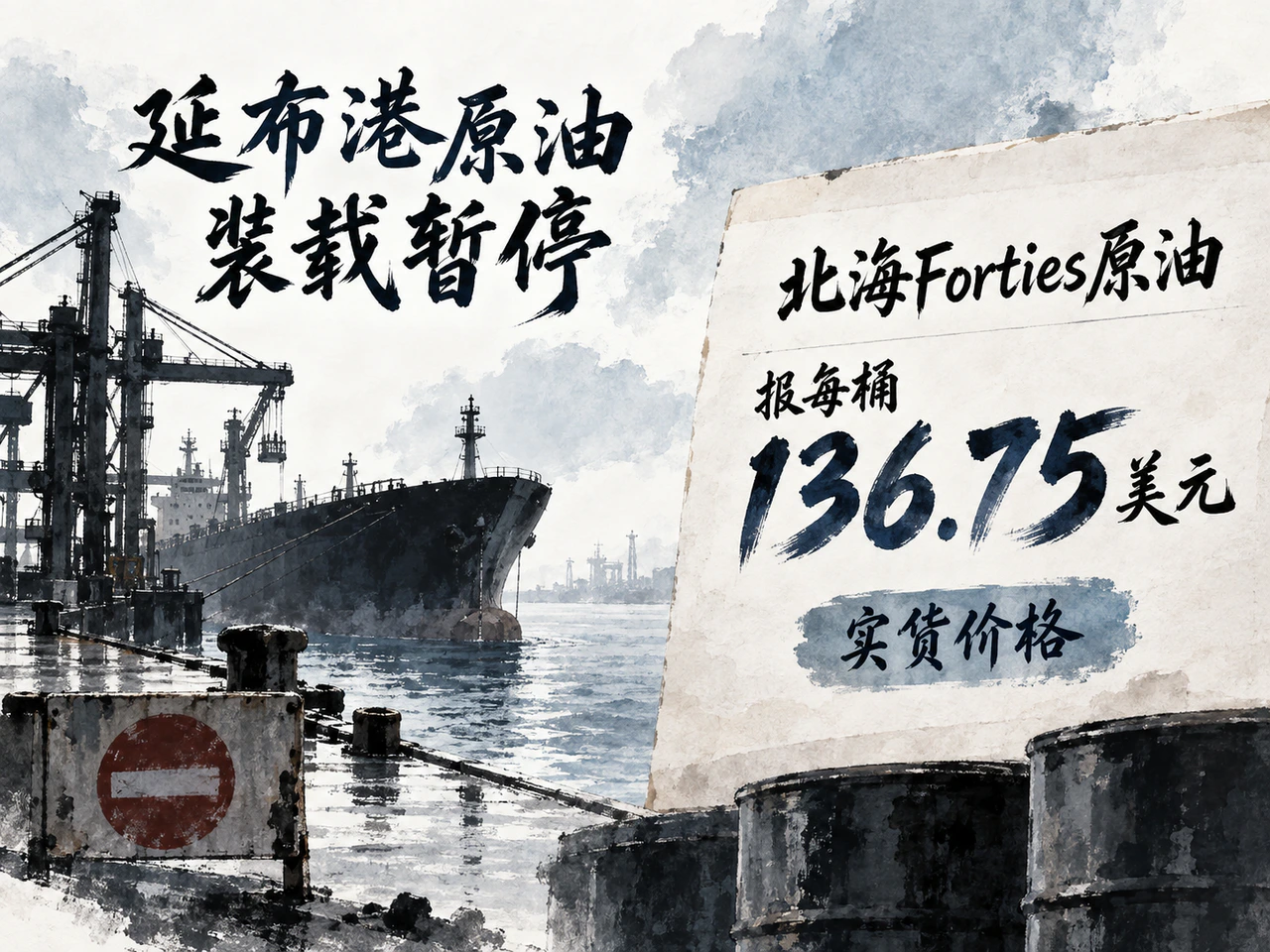
Urgent replacement demand lifted physical quotations. Reuters cited LSEG showing North Sea Forties at $136.75 a barrel September 15. This is a particular physical grade; front-month Brent futures that day were for November delivery. Physical cargoes normally arrive within weeks, so the spread includes quality, location and timing differences. High physical prices show demand for prompt arrival: refiners are paying more to fill canceled-cargo gaps.
Falling inventories erode buffers; expensive oil weakens demand prospects
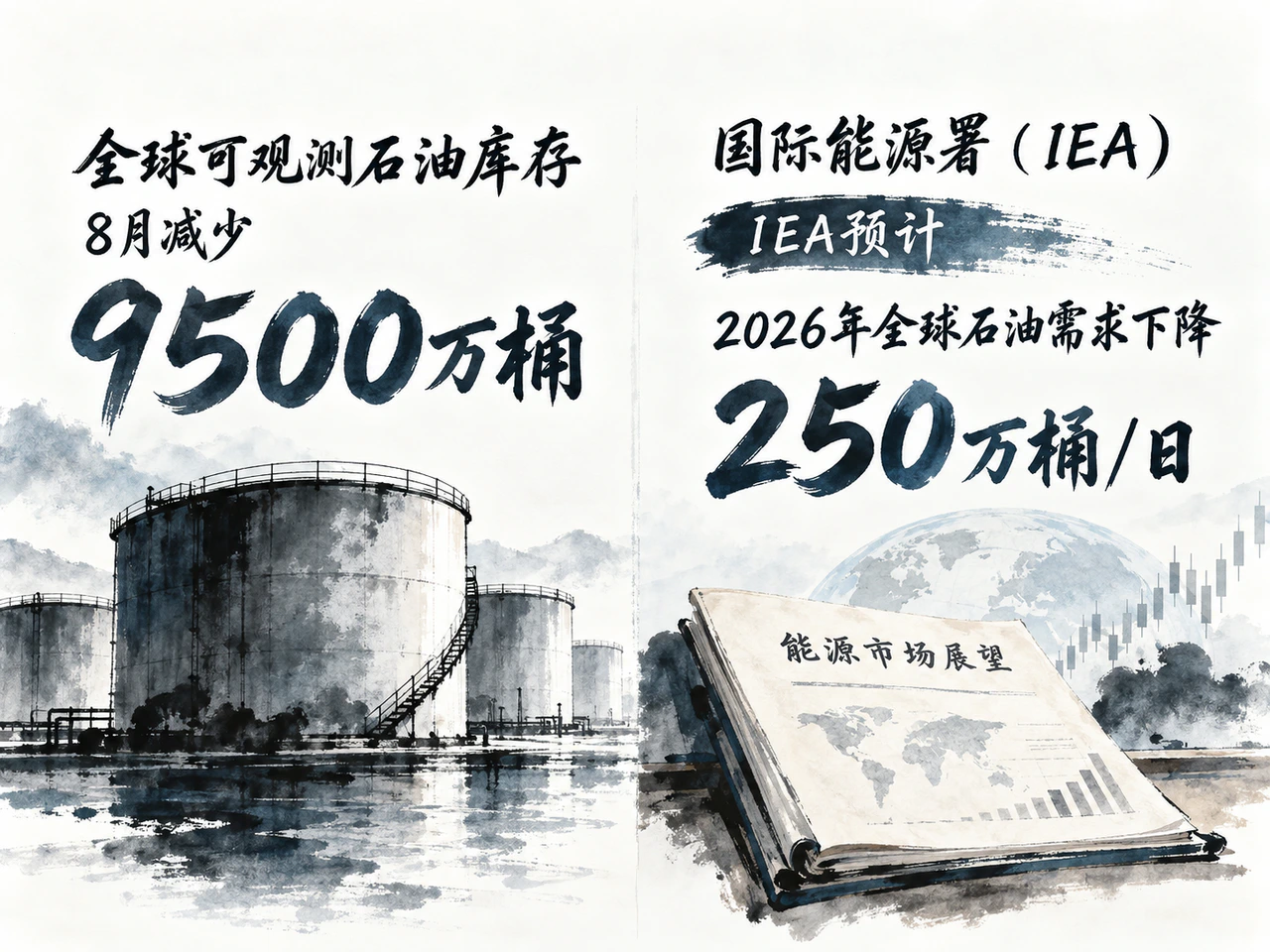
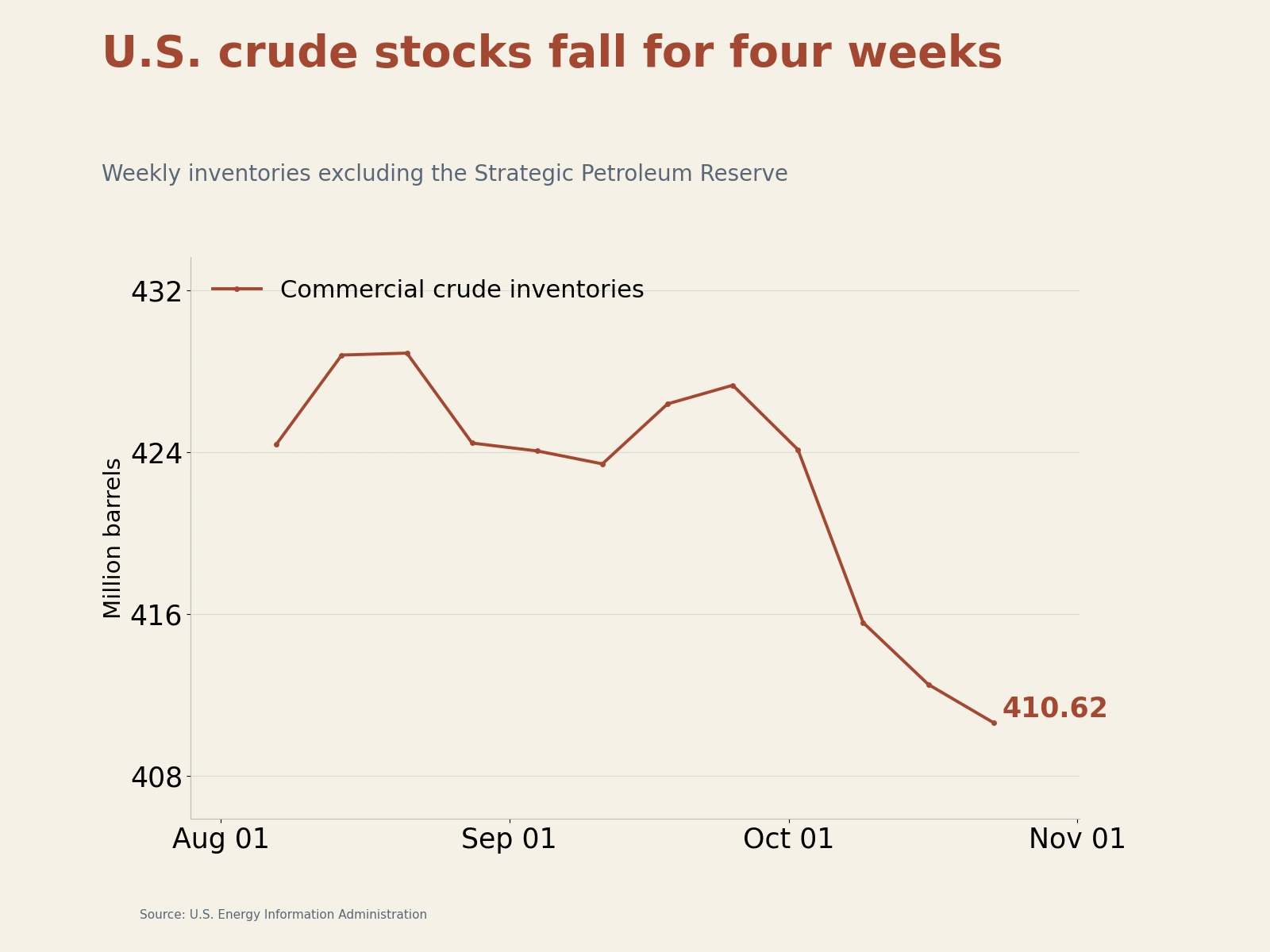
The new disruption arrived after sustained inventory depletion. The IEA's September 11 report showed observable global oil stocks down 95 million barrels in August and 507 million since February. Prompt oil was far more expensive than deferred deliveries, with exceptionally strong backwardation. Disrupted Middle Eastern and Russian supply shifted purchases toward the Atlantic Basin and raised tanker costs.
Lower stocks make it harder to cover loading interruptions from storage. Tight supply does not mean persistently strong demand: the IEA forecast a 2.5 million-barrel-a-day decline in 2026 global demand as expensive fuel and product-supply losses constrain consumption. Diesel was particularly tight: combined Gulf and Russian net diesel/gasoil exports in August were 1.6 million barrels a day below February. Crude and refining constraints jointly lifted fuel prices while gradually weakening final use.
Production policy offered no fresh buffer. Seven OPEC+ countries decided September 6 to keep October targets at September levels. With transport disrupted, production capacity also cannot directly become deliverable supply; crude must pass through pipelines, ports and shipping routes to reach buyers.
U.S. inventories differed. OilPrice cited API estimates for the week ending September 11 showing crude stocks up about 7.14 million barrels, gasoline and distillates also higher, but Cushing crude down 246,000 barrels. National builds alongside delivery-hub draws indicate regional differences. The forthcoming EIA report would test whether U.S. stocks were recovering and refinery runs changing; one industry estimate cannot establish easing global pressure.
Repair-time estimates differ widely; loading recovery determines the premium

U.S. Energy Secretary Wright told CNBC September 15 that the interruption would be measured in days and end quickly. AP had cited two regional officials the previous day estimating three to five weeks for repair, with partial operation possible meanwhile. Partial flows and full repair are different milestones; Yanbu's loading restart date and scale remain key.
Financial conditions also raise holding and procurement costs. On September 15 the dollar index rose 0.22% and the daily U.S. 10-year yield reached 5.00%. A stronger dollar burdens non-dollar buyers and higher funding costs constrain inventories and demand. Oil's continued rise despite this, alongside loading disruptions and rising physical quotes, underscores near-term supply support.
Easing first depends on sustained loading at Yanbu and greater actual Hormuz cargo flows. North Sea physical premiums and calendar spreads will show whether buyers still pay up for prompt cargoes. Restored transport and narrowing spreads could quickly reduce the premium; delayed restoration and expensive physical oil may leave an immediate gap even with a weak annual demand forecast.