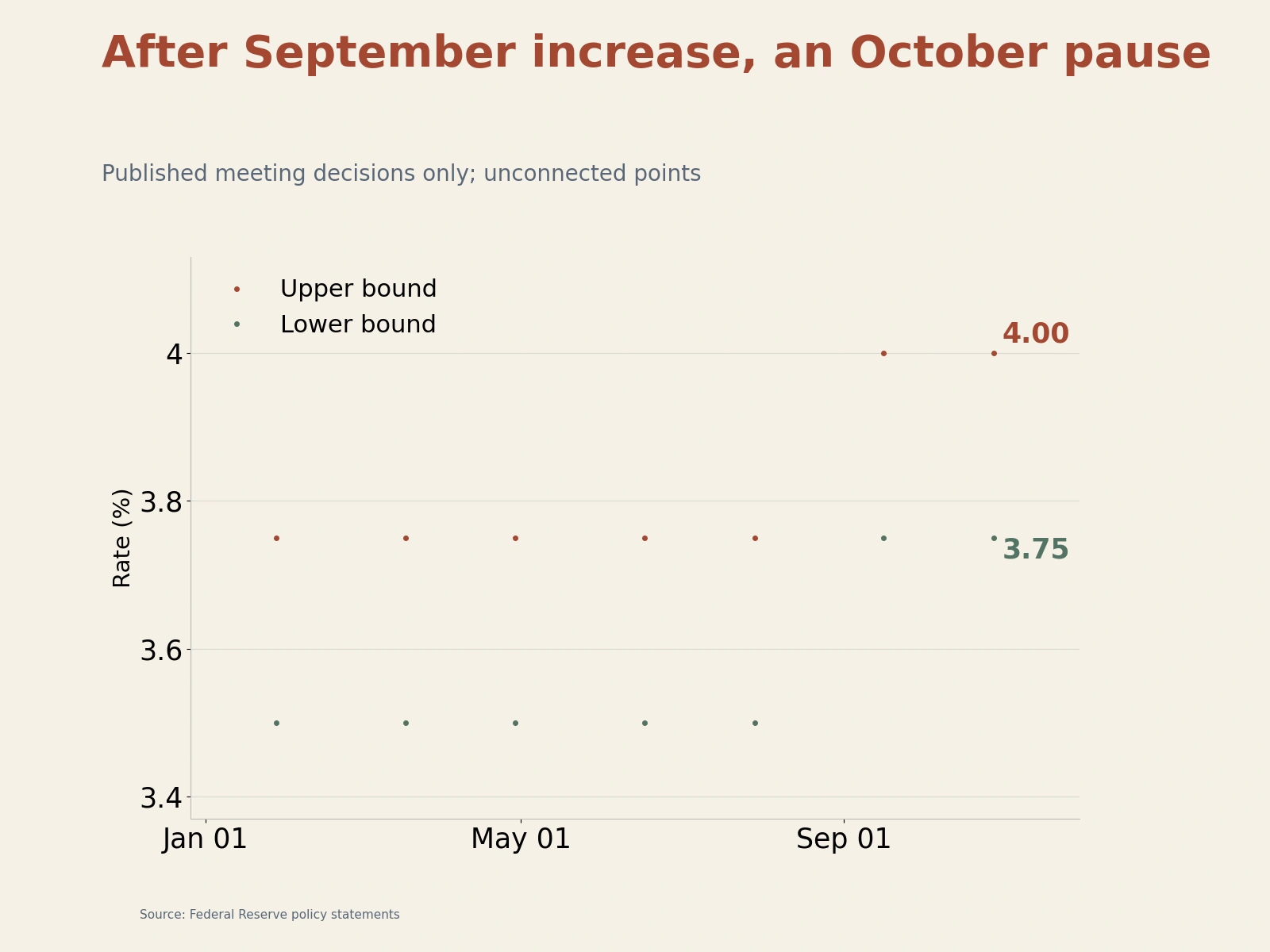
The Federal Reserve voted unanimously, 12–0, on September 16 to raise its federal funds target 25 basis points to 3.75%–4.00%. Its latest quarterly Summary of Economic Projections (SEP) raised growth and inflation forecasts across the board and lowered unemployment forecasts. These changes mark a shift from passively waiting for price pressure to fade toward moderate active tightening to accelerate inflation's return to 2%.
Broad financial conditions are not yet restrictive; resilient demand supports withdrawing accommodation
The statement described a solidly expanding economy, resilient domestic spending, strong capital investment and productivity, with employment growing broadly in line with labor supply. Those fundamentals led the Fed to judge the economy capable of absorbing further tightening.
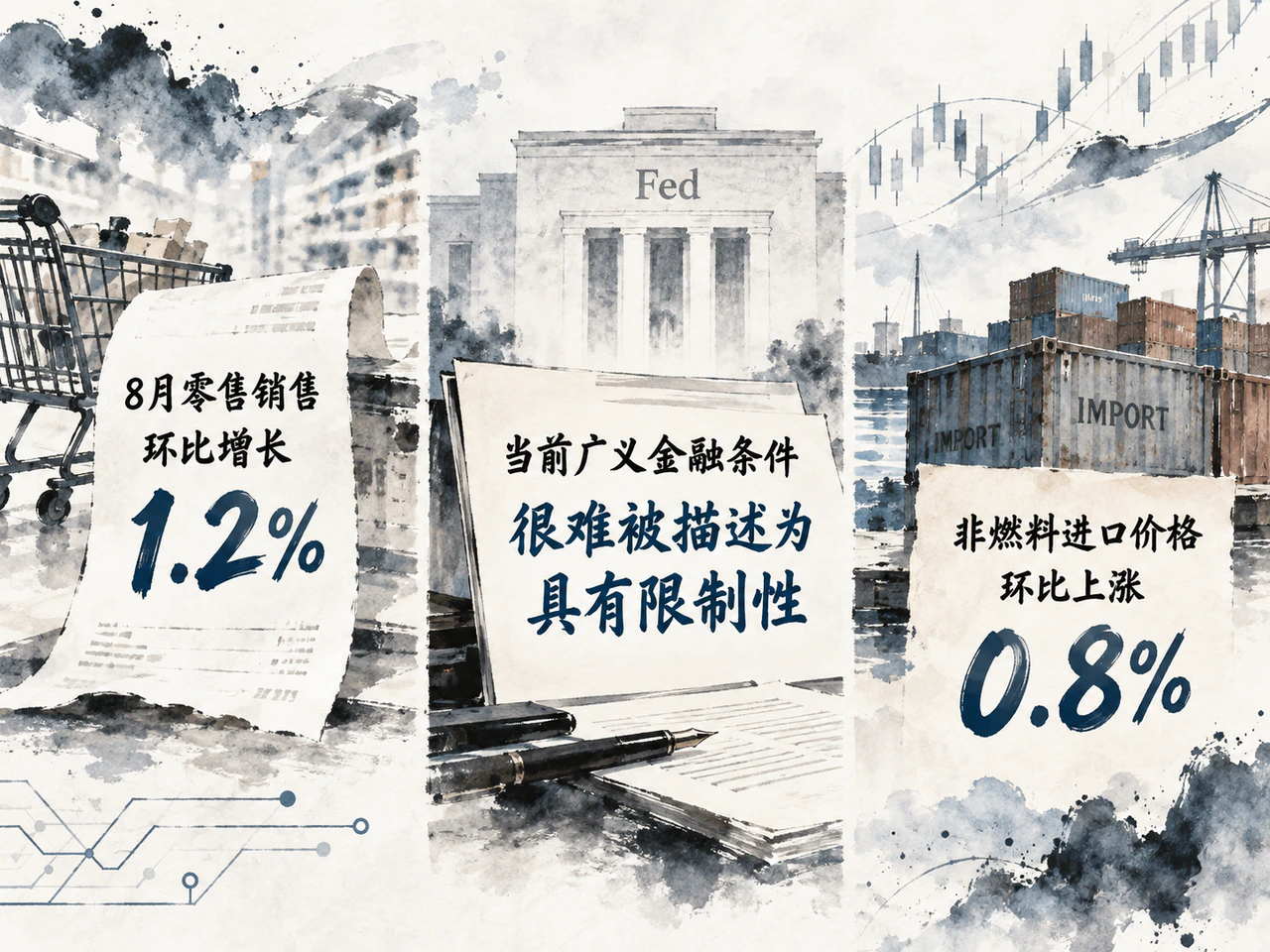
Reuters reported Chair Warsh saying at the press conference that broad recent data indicated stronger activity and that financial conditions were difficult to describe as restrictive; the hike therefore withdrew some accommodation. The Fed was looking beyond the absolute nominal rate to the actual restraint financing imposed on investment and consumption.
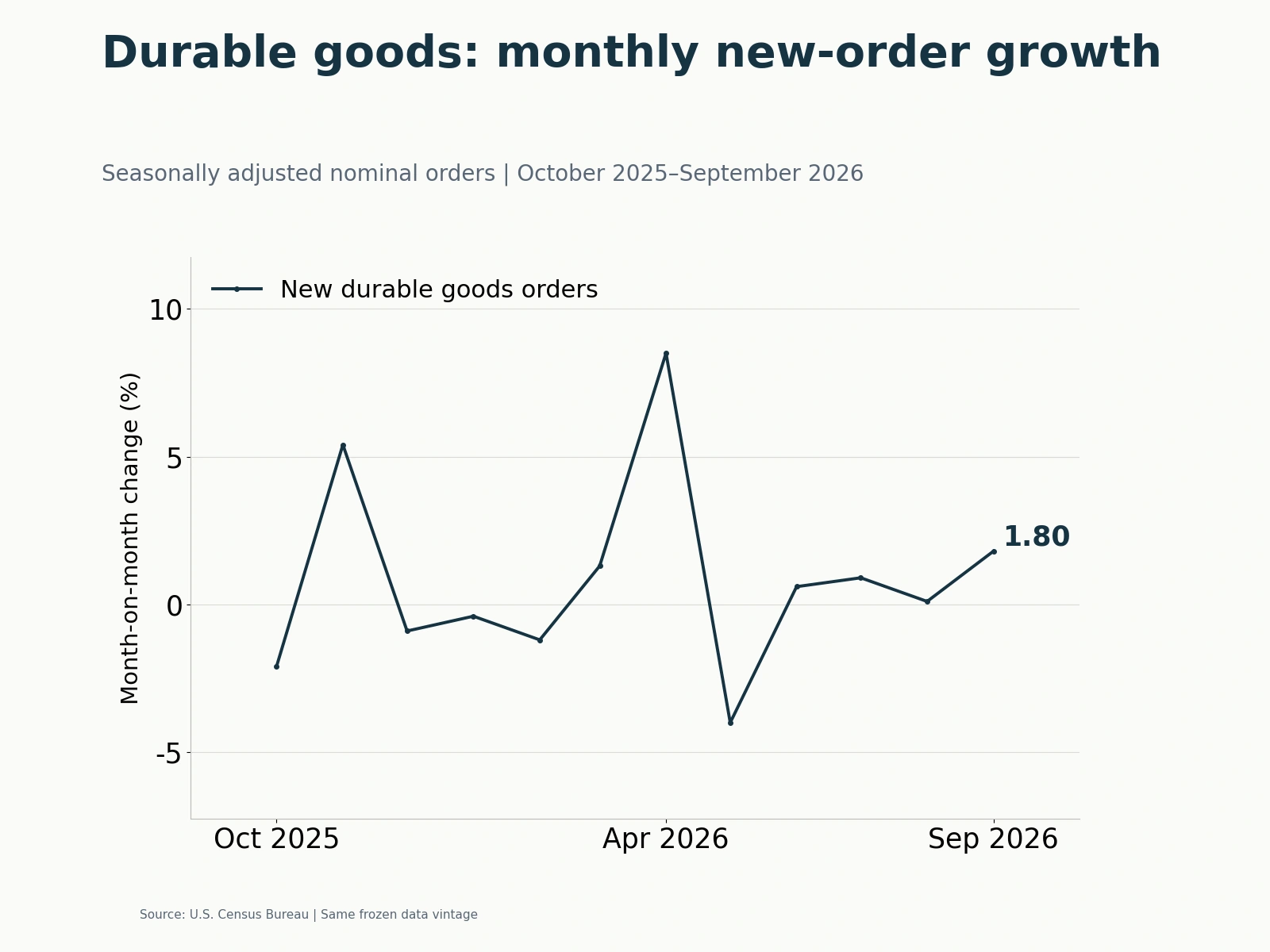
August retail sales released the same day added demand evidence. Sales rose 1.2% monthly, reversing July's revised 0.5% decline; the control group excluding autos, gasoline, building materials and food services rose 1.4%. These nominal figures are not inflation-adjusted, however, and gasoline price increases raised some sales totals, so they cannot be equated directly with a large real-volume gain.
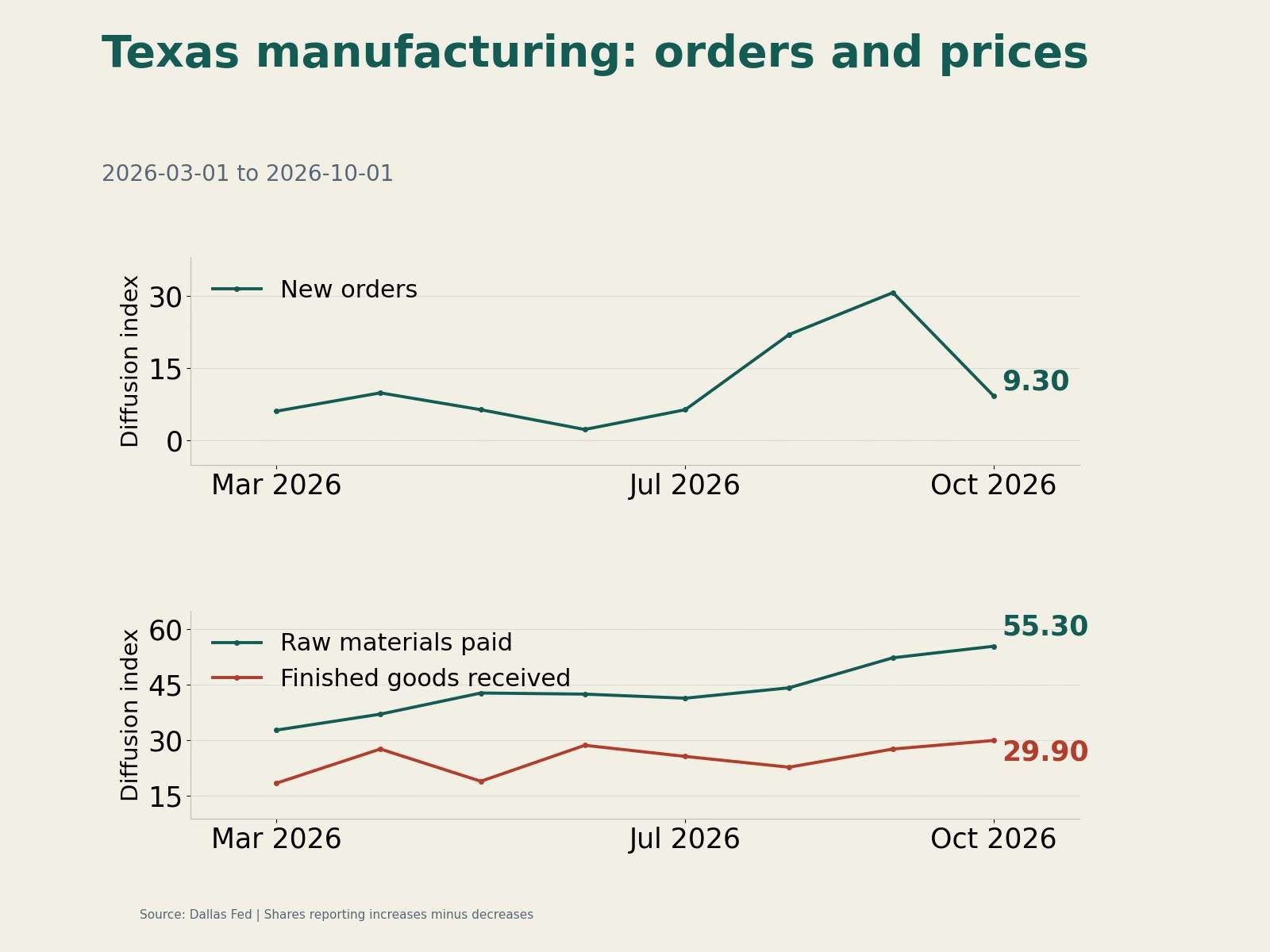
Price pressures continued spreading. BLS figures showed August nonfuel import prices up 0.8% monthly, while fuel imports edged down 0.1%. Rising nonenergy import costs supported concerns of broader inflation. Import-price changes do not pass directly through to final consumer prices, but add uncertainty to disinflation's pace.
Dot plot raises median path; nearly 90% expect another hike this year
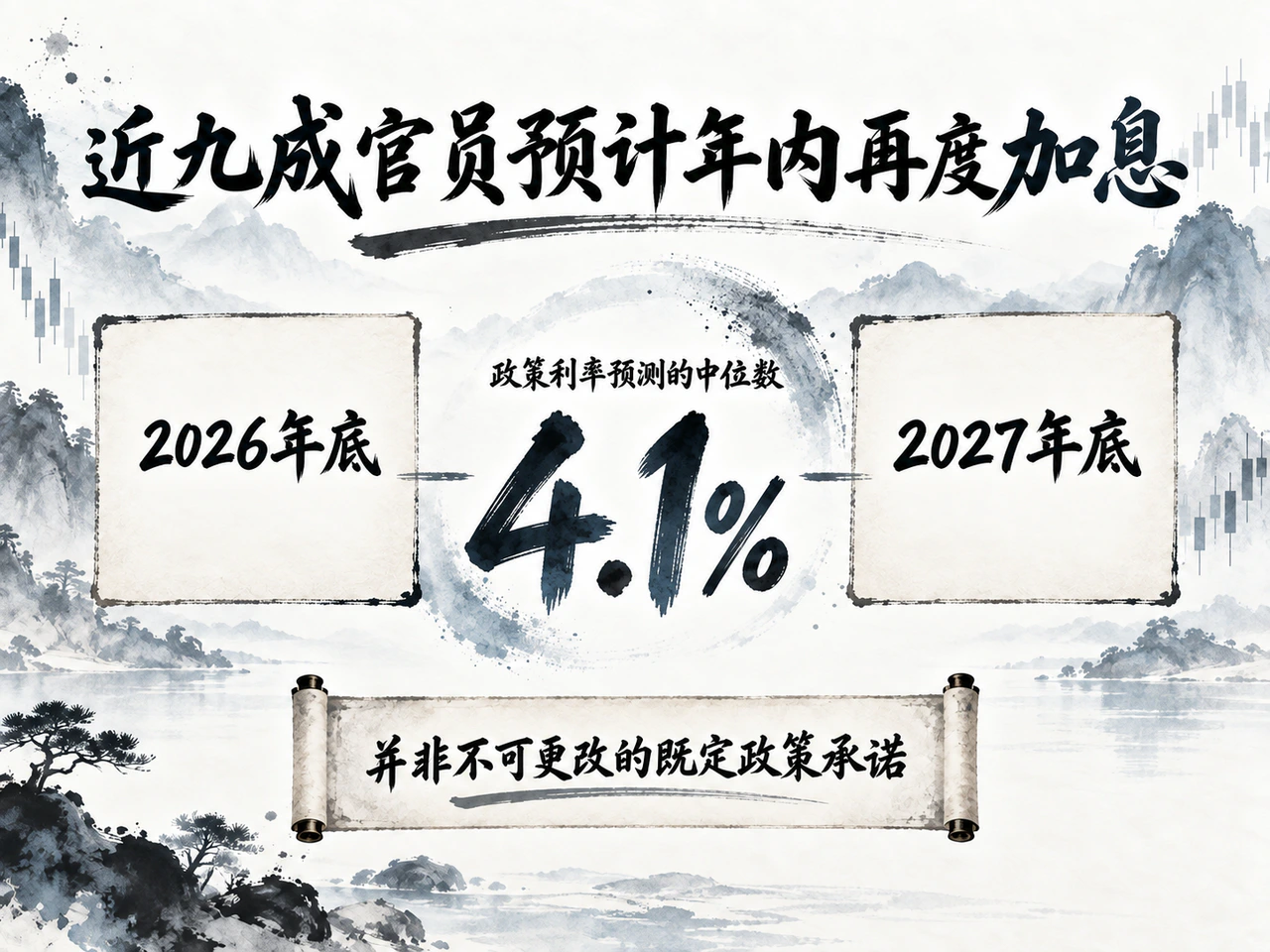
The latest dots put median policy-rate forecasts for both end-2026 and end-2027 at 4.1%, above June's 3.8% and 3.6%. In target-range terms, that points to 4.00%–4.25% by this year-end, maintained through end-2027. Of 18 submitting officials, 16 expected at least one more increase this year, showing strong internal consensus.
The higher path accompanied stronger growth and stickier inflation. Officials raised expected fourth-quarter 2026 GDP growth over a year earlier from 2.2% to 2.3% and lowered average fourth-quarter unemployment from 4.3% to 4.1%. Headline and core PCE inflation forecasts for the same period rose to 3.7% and 3.4%, each 0.1 percentage point above June. Strong growth and labor reduce urgency to support activity, while slower disinflation strengthens the case for restrictive rates.
The dots are officials' currently appropriate paths, not immutable commitments. Further policy depends on data: strong final demand and persistent core inflation support additional hikes; emerging restraint on spending and employment would change the balance. The next key window is August personal income and outlays, including real PCE and core prices, due September 30, testing the basis for this tightening decision.