On September 21, oil markets eased their extreme pricing of short-term disruption. Saudi exports shifted back toward Persian Gulf ports, Gulf of Oman ship-to-ship transfers expanded and hopes of U.S.–Iran diplomatic contact increased, sending Brent lower for a fourth consecutive session. Yet shipping risks in Hormuz and surrounding waters persisted. High tanker freight means futures declines need not reduce refiners' landed costs proportionally. Falling prices chiefly reflected a temporary release of prompt scarcity premium; Middle East physical supply chains remained under emergency pressure.
Calendar spreads weaken together as nearby contracts lead the release of scarcity premium
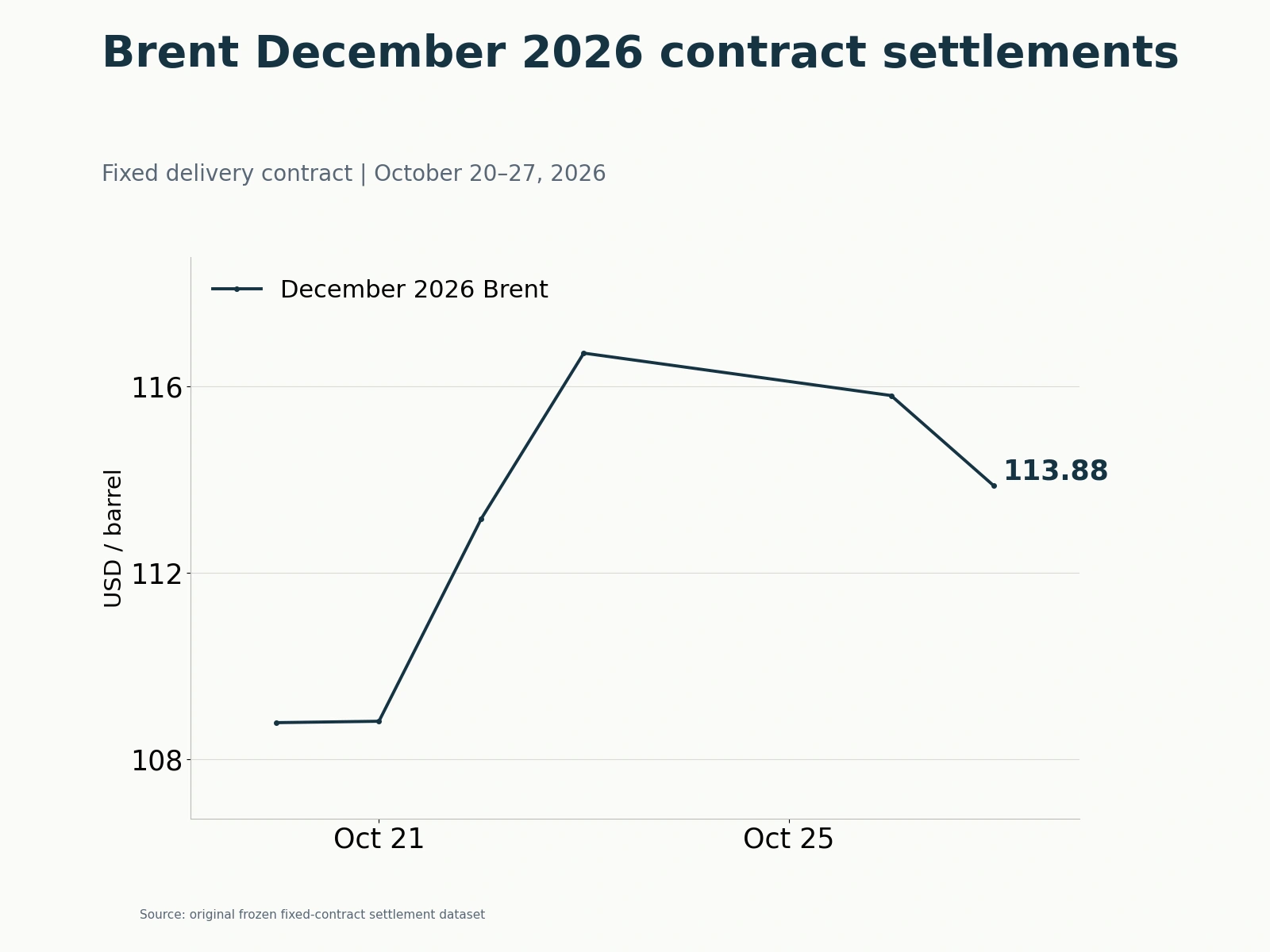
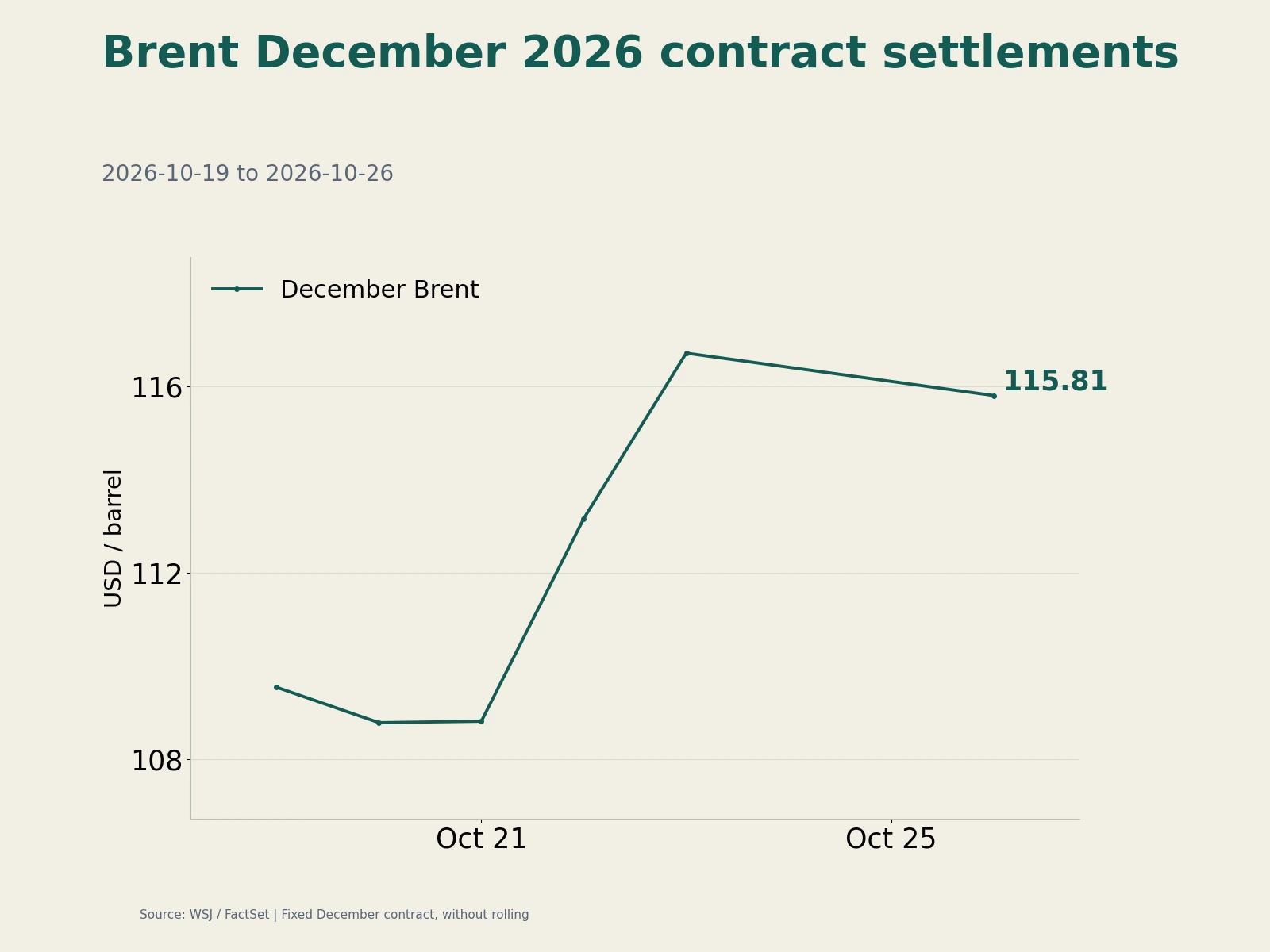
September 21 NYMEX settlements published by the Associated Press showed October WTI at $95.78 a barrel, down $4.52 or 4.51%, and November at $92.37, down $3.71. Bloomberg separately reported main November Brent closing at $100.34, down about 3.4%, its fourth consecutive decline.
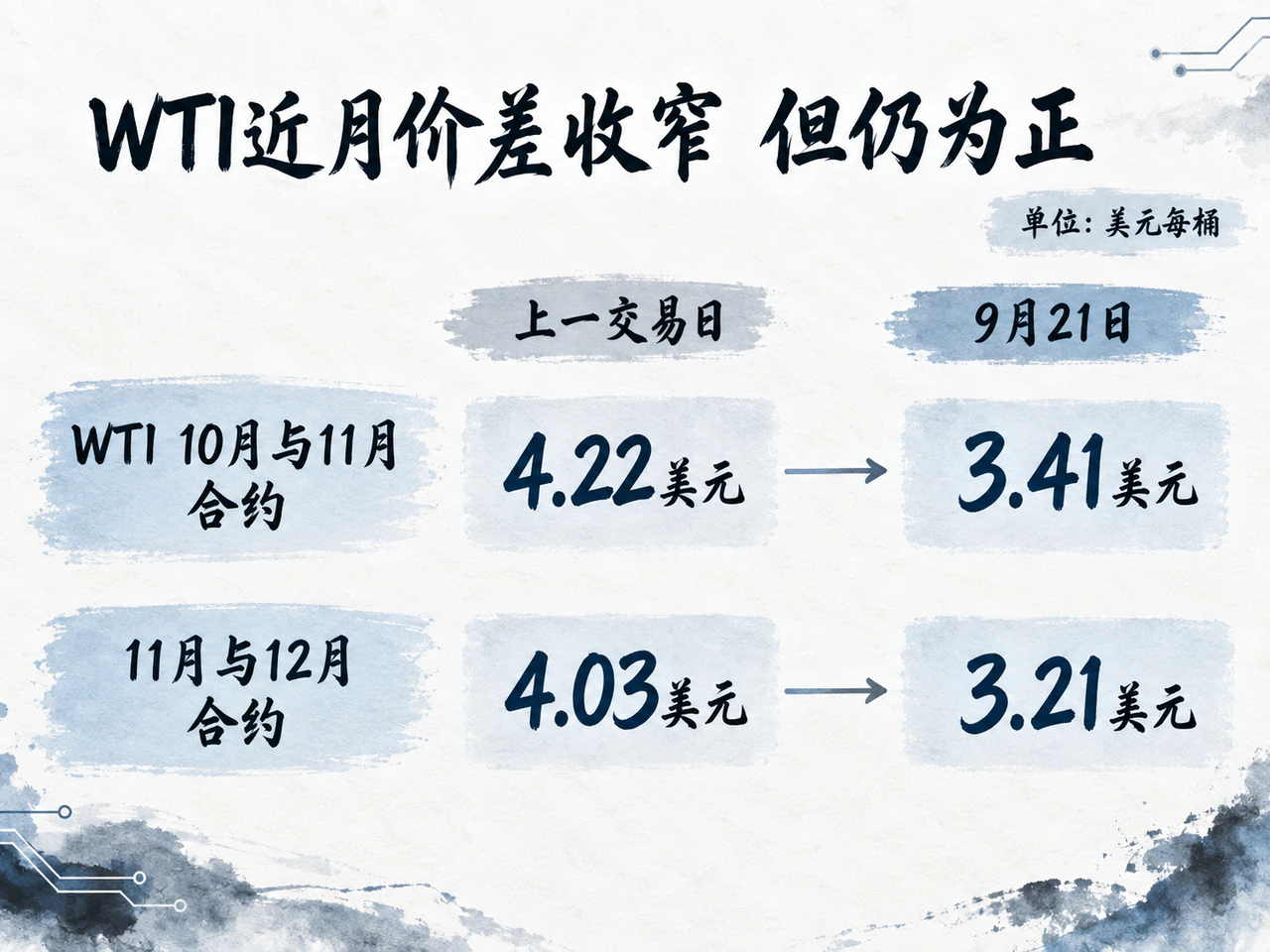
The adjustment was concentrated at the front of the curve. WTI October–November narrowed from $4.22 the previous session to $3.41; November–December narrowed from $4.03 to $3.21. Simultaneously narrowing adjacent spreads show buyers' extreme premium for immediate barrels cooling.
Both spreads nevertheless remained positive, with nearby prices above deferred months. October WTI expires September 22, so delivery rolling and position changes may affect front-month volatility. The simultaneous November–December decline, however, suggests narrowing premiums were not solely an October-expiry effect.
Ship-to-ship transfers reshape logistics, but extreme freight holds up landed costs
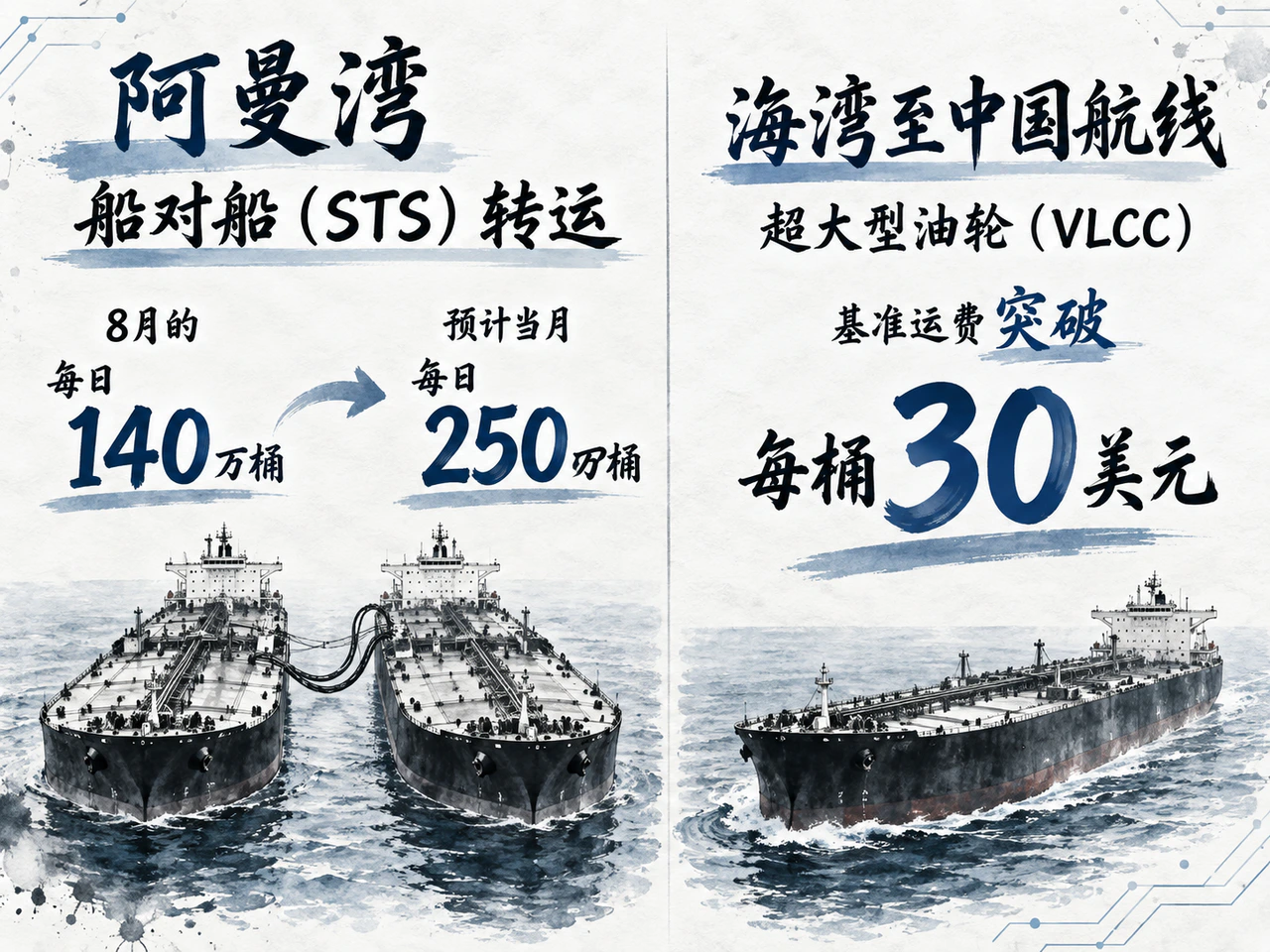
Emergency reconfiguration of Middle East physical flows underpinned the retreat. Bloomberg satellite tracking showed Saudi exports quickly shifting to major Persian Gulf ports after the east-west pipeline attack. Weekend loading increased markedly and visiting vessel numbers reached their highest since June, partly offsetting lost Red Sea exports.
Offshore transfers accelerated fleet turnover. A Reuters column cited Kpler showing oil exports through Hormuz around 6.5 million barrels daily so far in September and projected Gulf of Oman ship-to-ship crude transfers at 2.5 million barrels daily that month, well above August's 1.4 million. Smaller tankers shuttle within the Gulf and transfer outside the Strait to oceangoing vessels, reducing large ships' direct exposure to dangerous waters and improving turnaround.
This logistical resilience comes at an extreme cost. The column cited LSEG showing benchmark VLCC freight from the Gulf to China exceeding $30 a barrel. Futures declines therefore struggle to pass through proportionally to landed costs; spot sellers may need discounts to share buyers' logistics expenses. Publicly tracked merchant-vessel transits fell sharply from 37 the preceding weekend to 17 last weekend, with several tankers switching off AIS to sail covertly. Fewer visible vessels alongside recovering loading shows safety far from restored and supply chains relying on exceptional measures.
Global inventory buffers keep shrinking; physical evidence must validate the retreat
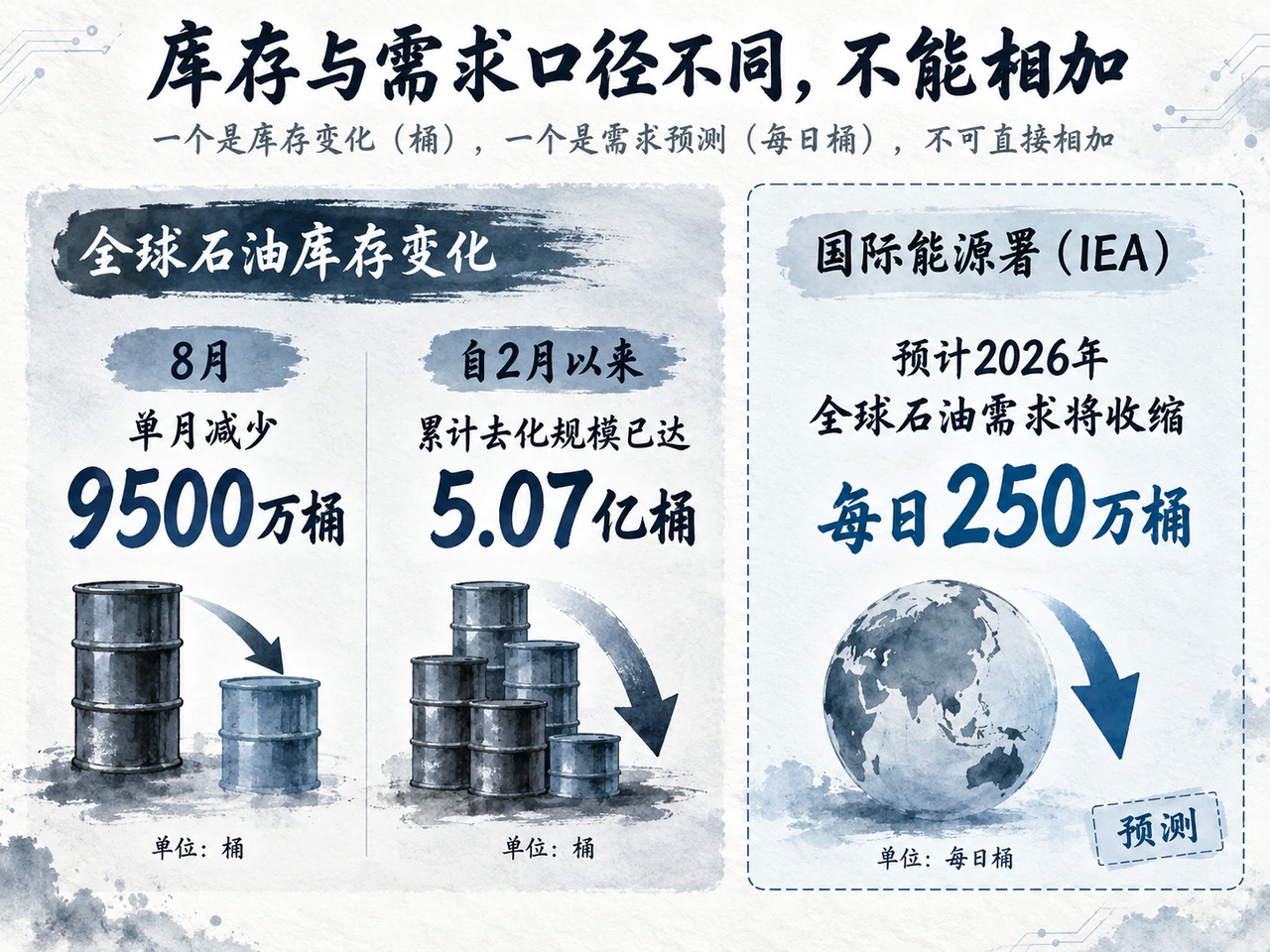
Beyond rerouting and fleet reorganization, fundamentals remain constrained. Shipping risks persist: UKMTO reported a tanker entering Hormuz was hit by an unidentified projectile September 21, slightly injuring two crew. It could proceed under its own power, but geopolitical deterrence remained. Global observable stocks also continued declining. IEA's September report put August depletion at 95 million barrels and cumulative depletion since February at 507 million, further narrowing the buffer against sudden disruptions.
High prices are also restraining demand. The IEA forecast 2026 global oil demand contracting by 2.5 million barrels daily as expensive fuel and intermittent shortages hurt industry and consumers. The dollar index's roughly 0.20% rise on September 21 added marginal pressure to dollar-denominated commodities.
A sustained short-term decline depends on four developments: Saudi Gulf-port loadings converting into actual destination discharges; a turn in benchmark VLCC freight after expanding Gulf of Oman transfers; continued narrowing of WTI November/December premiums; and clear crude and distillate builds in the September 23 official U.S. inventory report. Smooth delivery, lower logistics premiums and rising stocks must reinforce one another for durable fundamental downside support. New route disruption or faster inventory depletion could rebuild prompt scarcity premiums.