September's forward-looking US business surveys sent a stronger but more difficult economic signal: demand expansion accelerated sharply while upstream cost pressure accumulated. Speaking at a Chicago housing-affordability summit on September 23, Fed Governor Barr said upside inflation risks had increased and downside labor-market risks had diminished. His baseline judgment was that the Fed might still need to adjust policy further. Coming after the previous week's hike, his remarks reflected growing personal concern about overheating demand and persistent inflation.
On September 16, the Fed raised the federal funds target range by 25 basis points to 3.75%–4.00%. Barr confirmed his support for that decision, saying economic developments had made the earlier stance no longer appropriate and the tightening direction suited current conditions. He provided no timing or size for future action, and his personal assessment did not constitute a settled committee commitment.
Expansion accelerates and upstream costs climb, but pass-through to final prices remains constrained
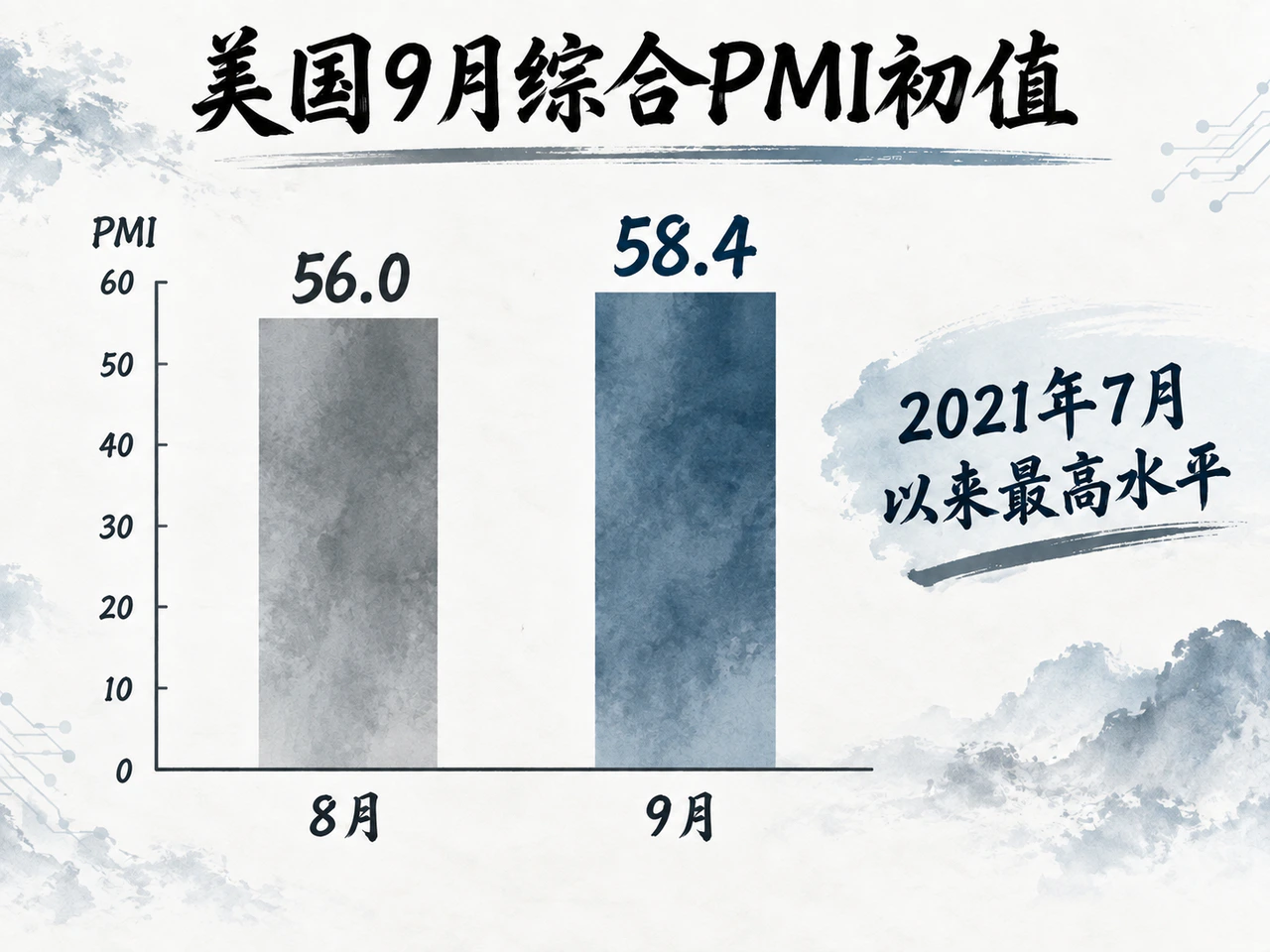
S&P Global data released September 23 showed the flash September US composite PMI jumping from 56.0 in August to 58.4, the highest since July 2021. Services activity and manufacturing output both accelerated, with strong new orders. Backlogs continued building even as firms stepped up hiring. Strong supply and demand suggested no broad economic weakness requiring an easing backstop; some areas instead began confronting capacity and staffing bottlenecks.
Demand expansion came with renewed cost pressure. Composite input-cost inflation rose to its highest since October 2022, with respondents citing fuel, transport and wage pressure in some sectors as major drivers. Stronger final demand marginally improved firms' ability to pass through costs. Supply disruptions combined with demand expansion increased the risk of inflation remaining high for longer.
Pass-through to final consumer prices nevertheless showed structural differences. S&P Global noted that although September overall selling-price inflation rebounded from August, it remained below levels seen from March through July. Intense competition still prevented some service businesses from passing through costs fully. Rising input costs therefore did not imply an equal acceleration in final inflation. The flash survey primarily showed the direction of accumulating pressure; hard data were still needed to establish its magnitude.
Policymakers watch persistent supply shocks as the trade-off shifts toward inflation risks
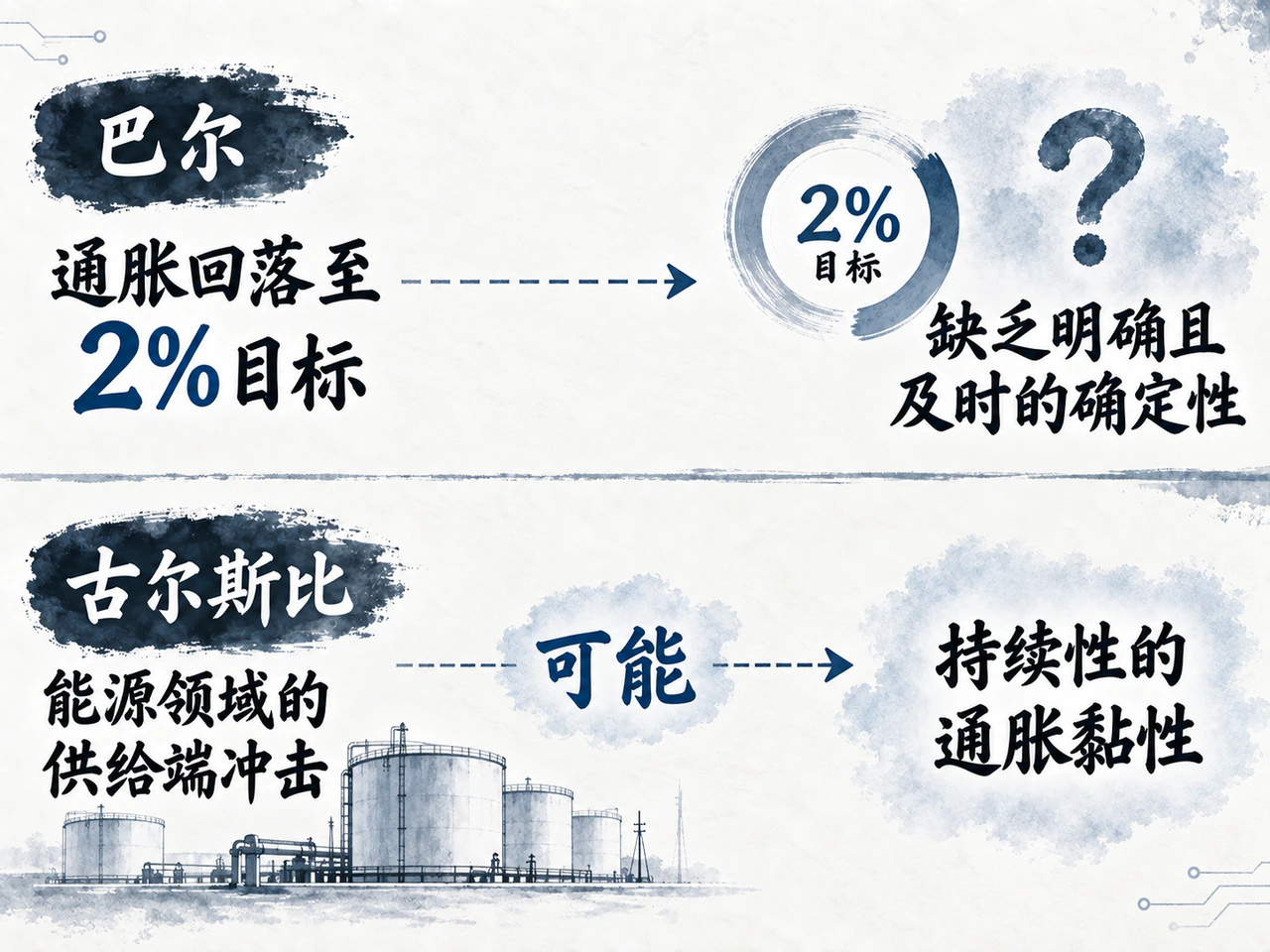
Barr highlighted upward price pressure from tariff adjustments, Middle Eastern conflict and the AI-infrastructure investment boom. His central reasoning was that, with growth and employment still solid, a clear and timely return of inflation to the 2% target lacked certainty. In his view, the balance of risks was shifting from guarding against employment weakness back toward containing prices.
That same day, Chicago Fed President Goolsbee also expressed caution about large adverse supply shocks in an Economics, Applied podcast interview reported by Reuters. He warned that supply shocks such as those in energy could produce persistent inflation that the central bank could not simply wait to disappear. This echoed Barr's reasoning: if resilient final demand lets businesses pass upstream costs on to consumers, waiting for supply to repair itself becomes substantially more costly. The podcast's publication date was not necessarily its recording date and should not be treated as a direct response to that day's flash PMI.
How the next policy tests unfold
The anchoring of inflation expectations and the urgency of tightening depend on two key tests: whether competitive constraints hold down final selling-price increases, and whether cost pressure spreads broadly into core prices.
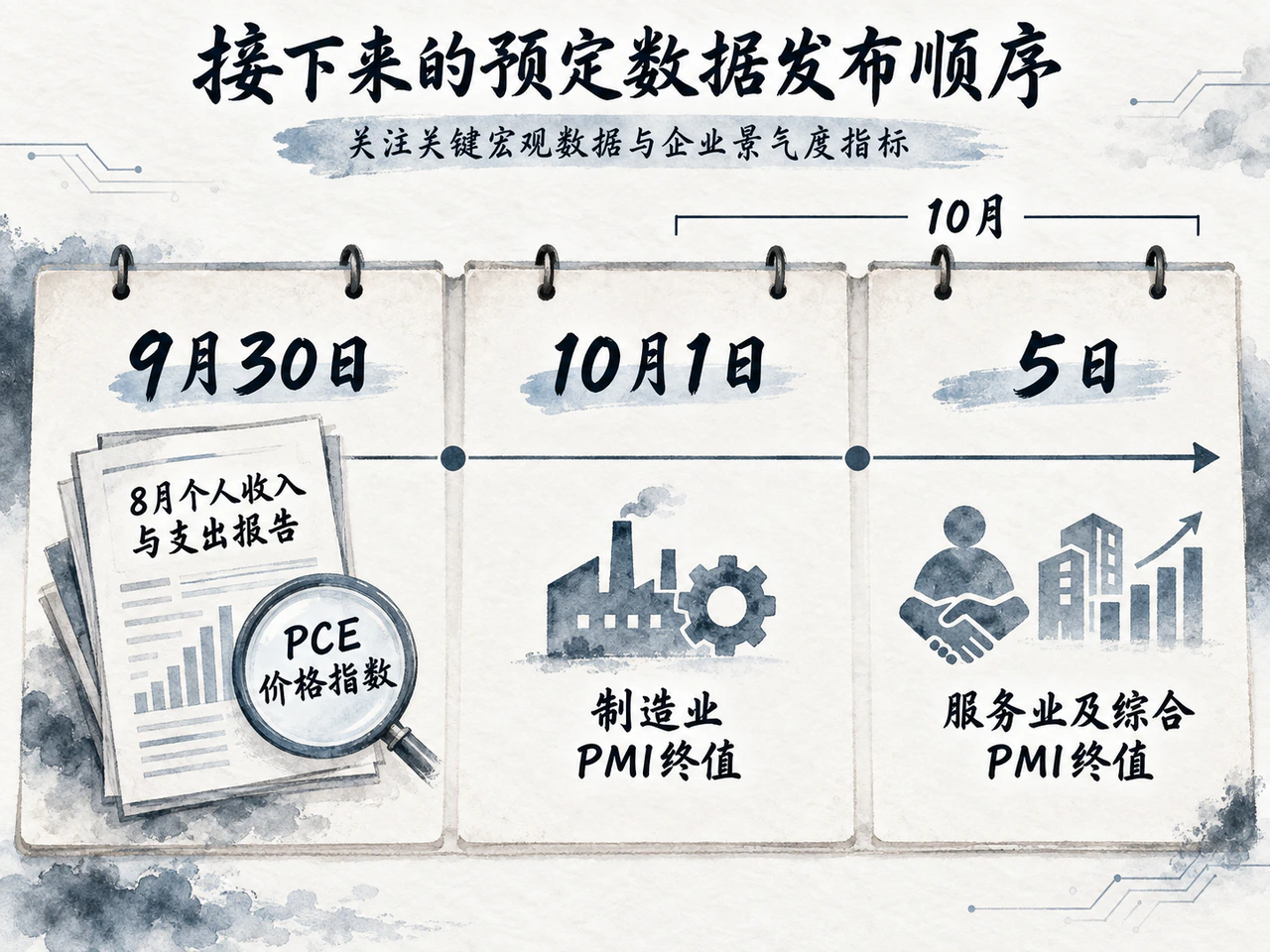
Markets are focused on the next macro releases. August personal income and outlays, including PCE prices, due September 30, will provide a key official inflation benchmark. Final manufacturing PMI on October 1 and services and composite PMIs on October 5 will then test the durability of stronger business conditions and rising costs. Constrained price increases and stable inflation could ease the urgency of consecutive tightening. Faster pass-through to selling prices alongside resilient employment would increase both the scope for discussing further adjustment and the pressure to consider it.


