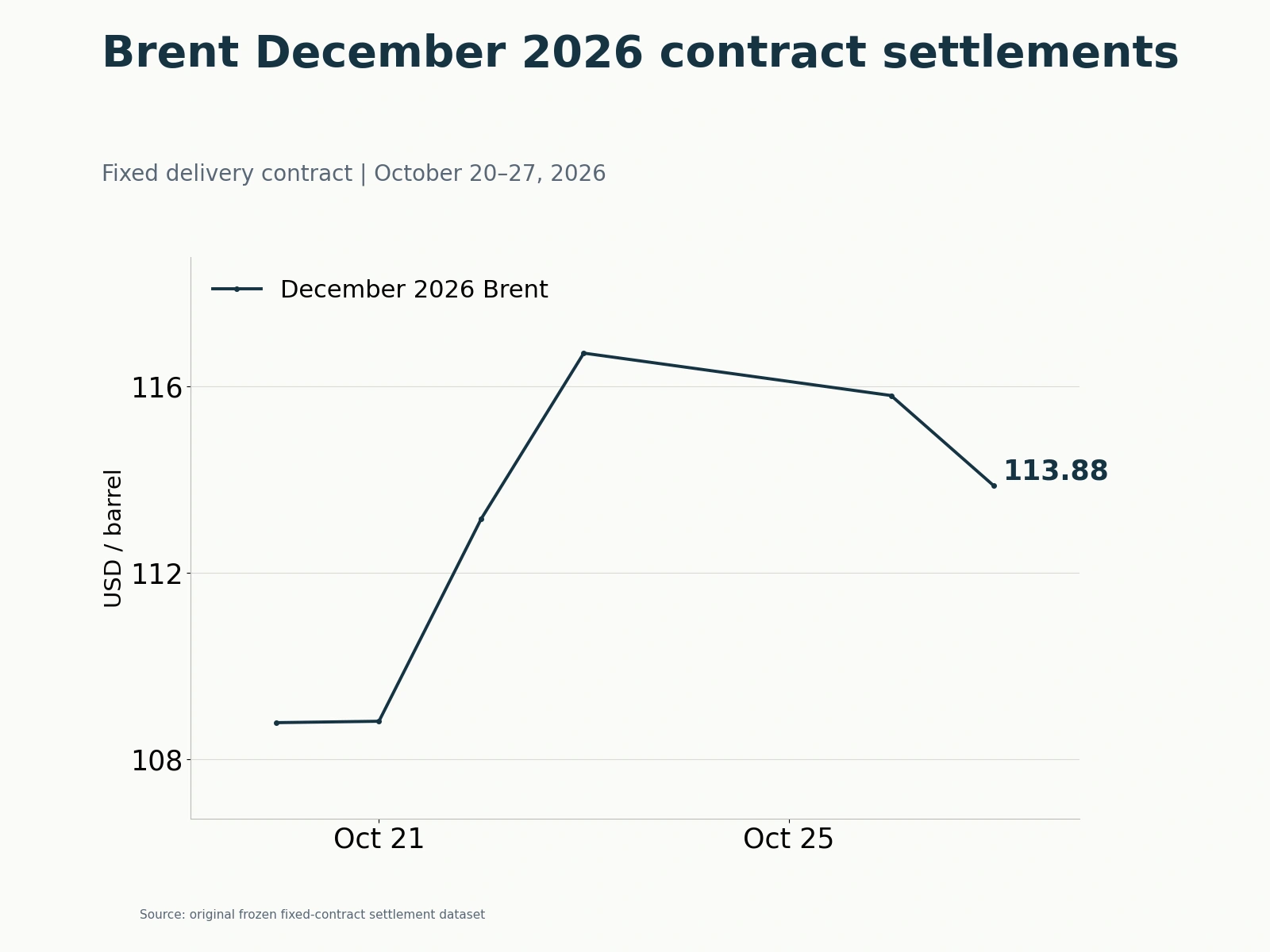
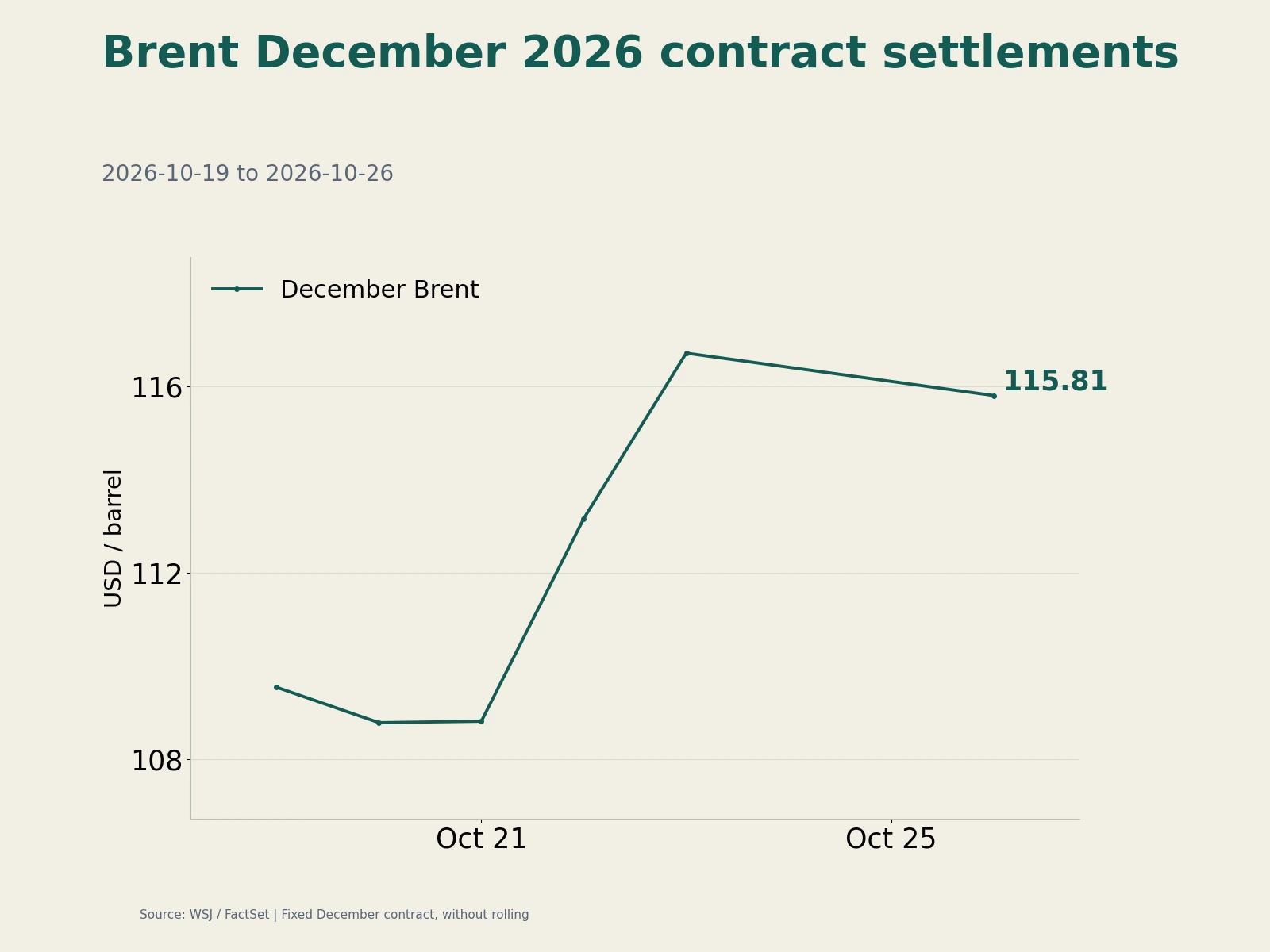
International benchmark oil prices extended their gains on September 24, with Brent outperforming US WTI, according to closing quotations from market-data providers. Brent continuous futures rose $3.02 to $106.10 a barrel, up 2.93%, while WTI continuous futures gained $1.87 to $94.03, up 2.03%.
Macro-financial conditions were a headwind that day: the dollar index edged up about 0.15% and the US 10-year Treasury yield rose 7 basis points. A stronger dollar and higher risk-free yields usually weigh on commodities, but Middle East shipping disruption continued to dominate oil trading. The precise geopolitical risk premium could not yet be isolated and quantified. Phillip Nova senior market analyst Priyanka Sachdeva said the physical oil market was far from fully normal. Brent bore more geopolitical and maritime premium, while domestic US supply provided more of a buffer for WTI. Brent's direct exposure to seaborne delivery risks made it more responsive than WTI.
Yanbu exports remain constrained by loading; reopening talks offer potential premium relief
Security uncertainty around alternative export routes returned to focus. Reuters reported that the Saudi-led coalition said it had intercepted six Houthi ballistic missiles, thwarting attacks on Taif and the Yanbu area on the Red Sea. Yanbu is a key Saudi export terminal bypassing Hormuz and provides an alternative outlet for crude.
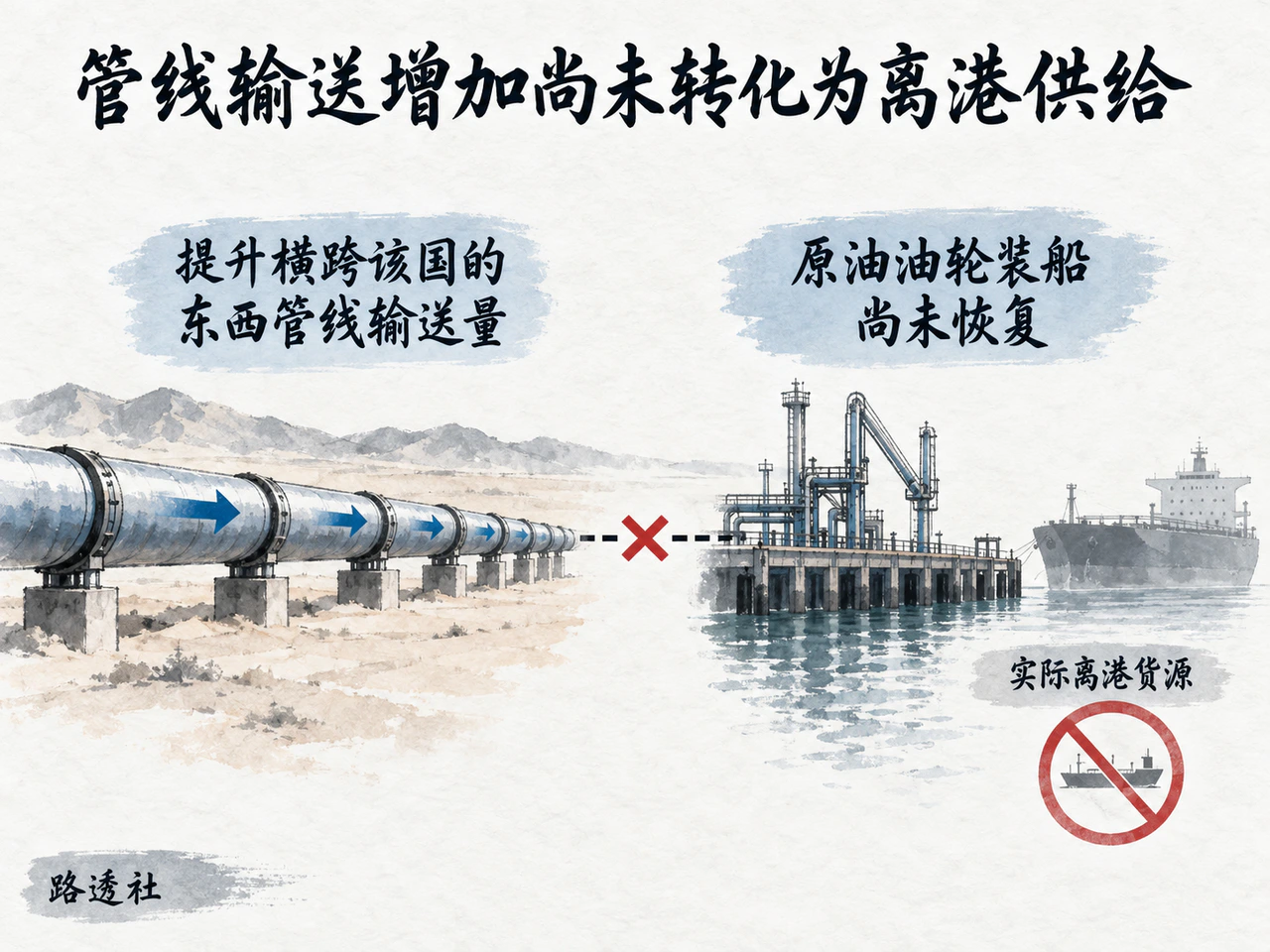
Reuters, citing industry sources, satellite images and shipping-tracking data, said Saudi Arabia was gradually increasing throughput on its cross-country East–West pipeline, but crude tanker loading at Yanbu had not resumed. Increased pipeline dispatch demonstrated inland flexibility, yet halted port loading prevented those barrels from becoming actual departing cargoes in international seaborne markets. Brent faced greater transport uncertainty from Middle East maritime disruption than WTI, which had more extensive inland pipeline and storage buffers.
Prospects of negotiations also created two-way constraints on prices. Sources said Washington and Tehran were discussing phased de-escalation in New York, centered on reopening the strait and lifting the US blockade. Oil subsequently pared gains from intraday highs. Substantive progress or an operational reopening plan could ease the maritime risk premium and lower prices, but until actual passage resumed, fears of logistics disruption continued to provide downside support.
Weekly crude and product stocks diverge; diesel-export soundings complicate refining margins
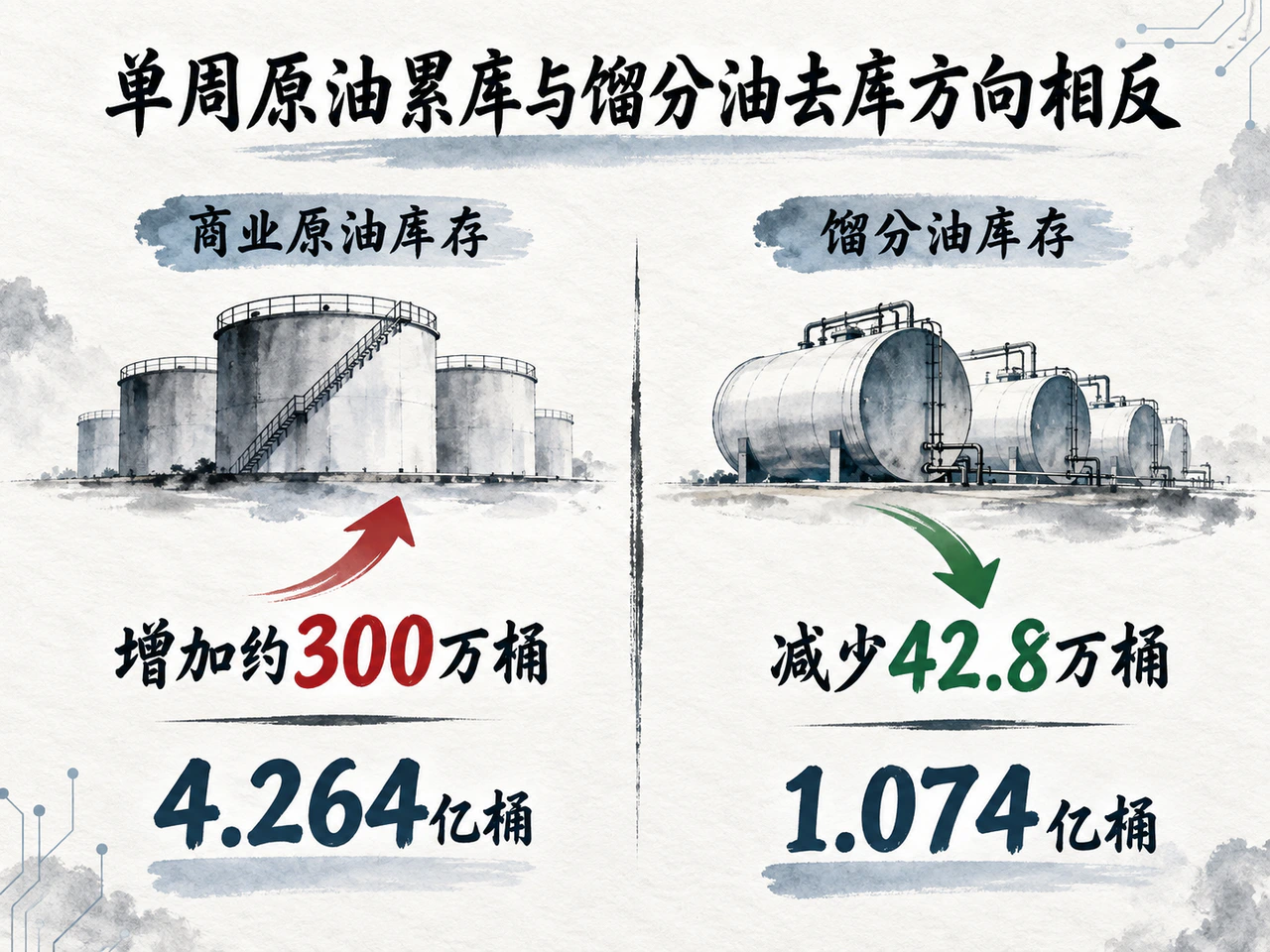
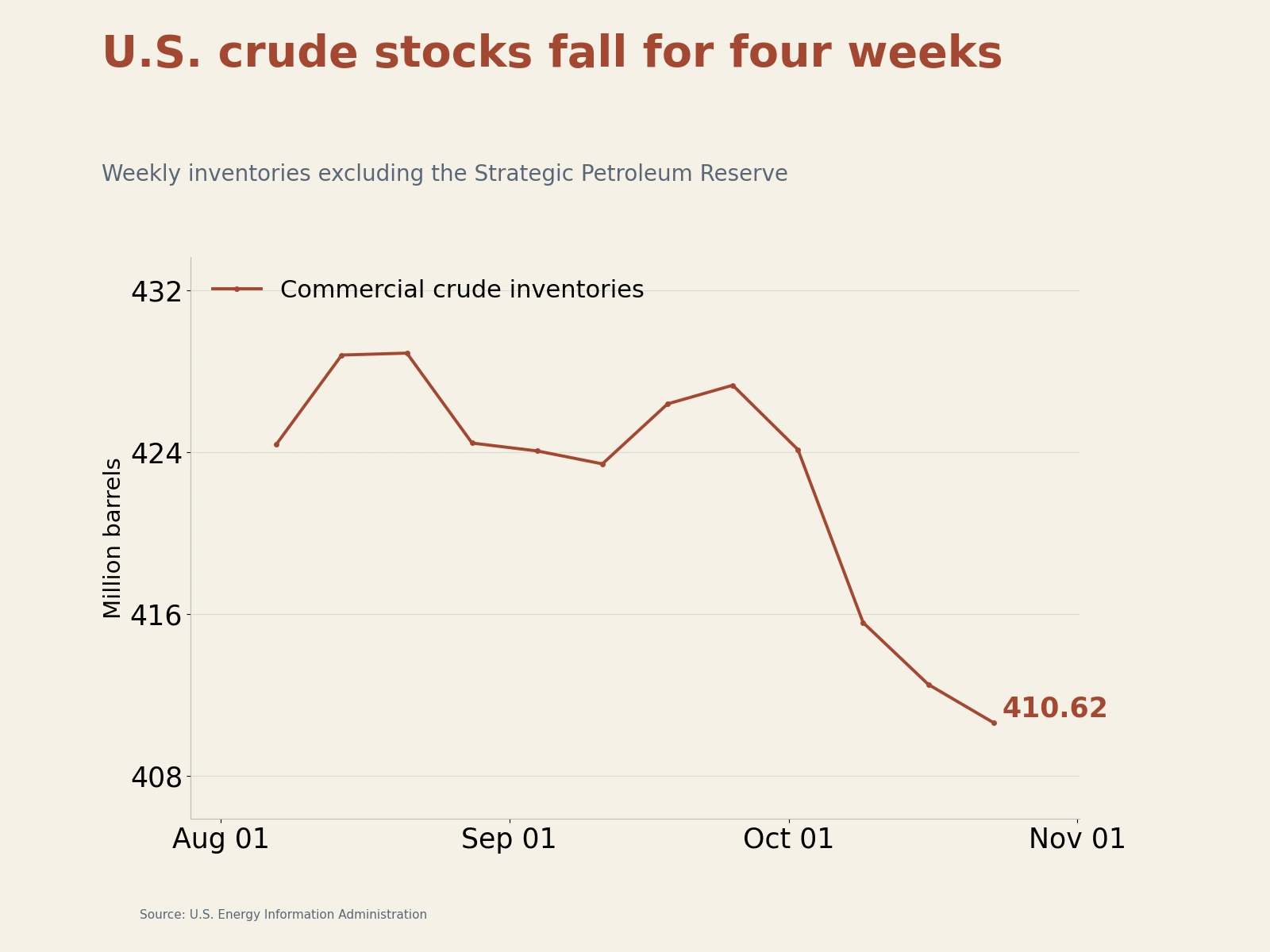
The latest weekly EIA data showed divergence between feedstock and products. US commercial crude inventories rose about 3 million barrels to 426.4 million, against expectations of a 641,000-barrel decline. Distillate stocks, including diesel and heating oil, fell 428,000 barrels to 107.4 million. A crude build alongside a distillate draw showed a temporary feedstock buffer, but no improvement in that week's tight physical product market.
Diesel-export policy expectations added volatility to downstream crack spreads. After the White House denied plans for a direct 90-day diesel-export ban, Reuters cited people familiar with the matter saying Energy Secretary Wright had sounded out several refiners on voluntary export restrictions. The mechanism remained at an initial consultation stage, with the scale of reductions, oversight and implementation agreement still unresolved.
The potential policy would have structurally asymmetric effects. Voluntary restrictions could cause US diesel inventories to build, forcing refiners to reduce utilization, curbing crude purchases and also lowering gasoline and jet-fuel output. Overseas import markets would face a larger diesel shortfall. Tighter foreign fuel supply alongside weaker domestic crude-feedstock demand would deepen pricing divergence between crude and refined products.
Actual delivery constraints determine premium resilience: four developments to watch
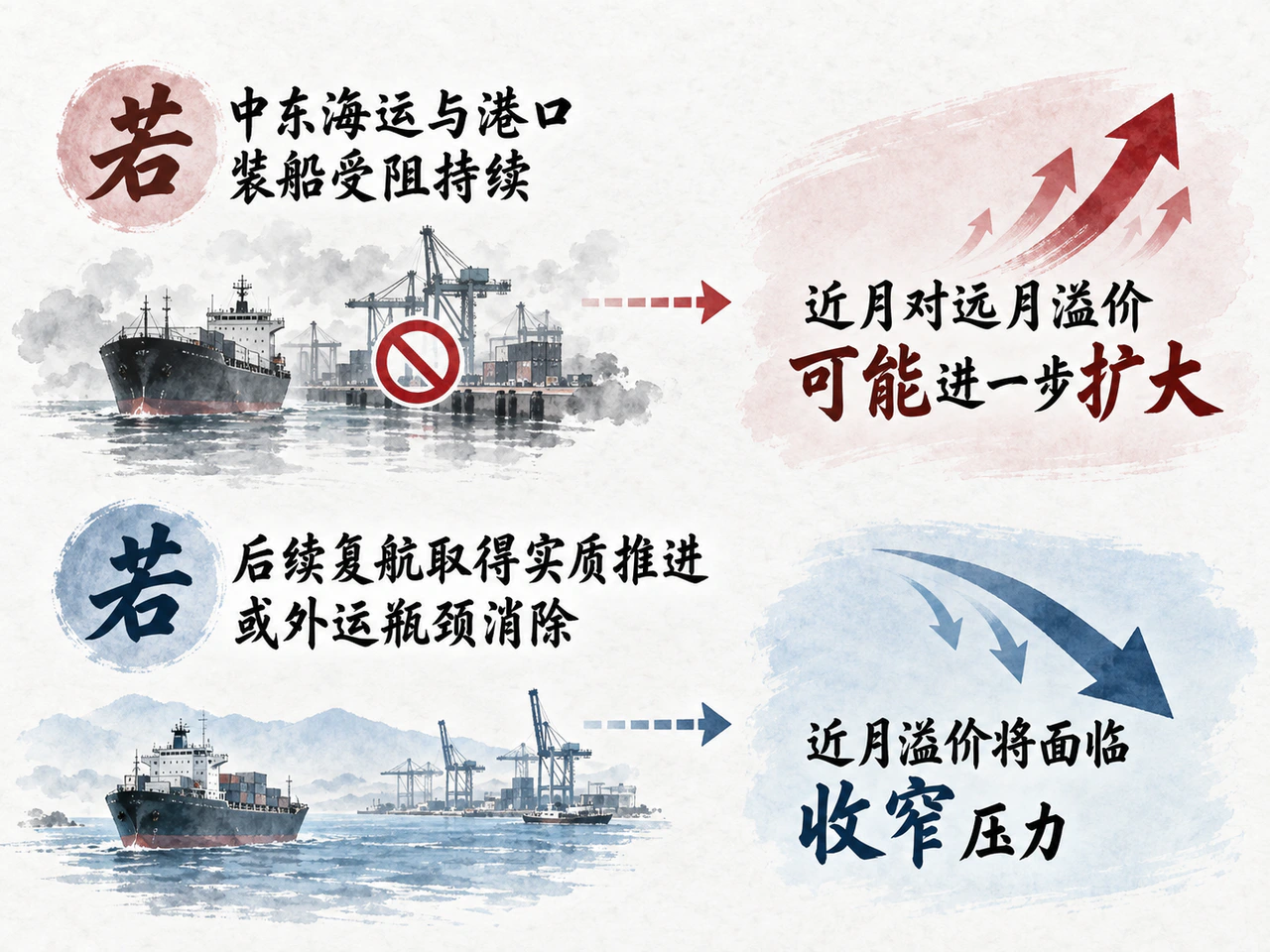
With major OPEC+ producers having agreed on September 6 to maintain existing quotas in October, the key supply question was whether existing capacity could become actual departing cargoes through pipelines and shipping lanes. Persistent Middle East shipping and port-loading disruption could widen nearby premiums over deferred contracts, reflecting scarcity of immediately deliverable physical oil. Conversely, substantive reopening progress or removal of export bottlenecks would put nearby premiums under narrowing pressure. A shift in the center of deferred pricing still required confirmation of the extent of actual global supply-demand imbalance.
Four developments would be central to the next phase:
- Whether Yanbu resumes normal tanker loading, testing whether the alternative outlet can actually deliver export capacity;
- Whether US–Iran talks produce an executable Hormuz reopening plan, a possible marginal trigger for lower maritime risk premiums;
- Progress toward voluntary US refinery diesel-export restrictions, and the resulting changes in refinery utilization and overseas crack spreads;
- If US commercial crude stocks keep building and distillate draws slow, how quickly storage buffers and changing downstream demand might restrain spot premiums.