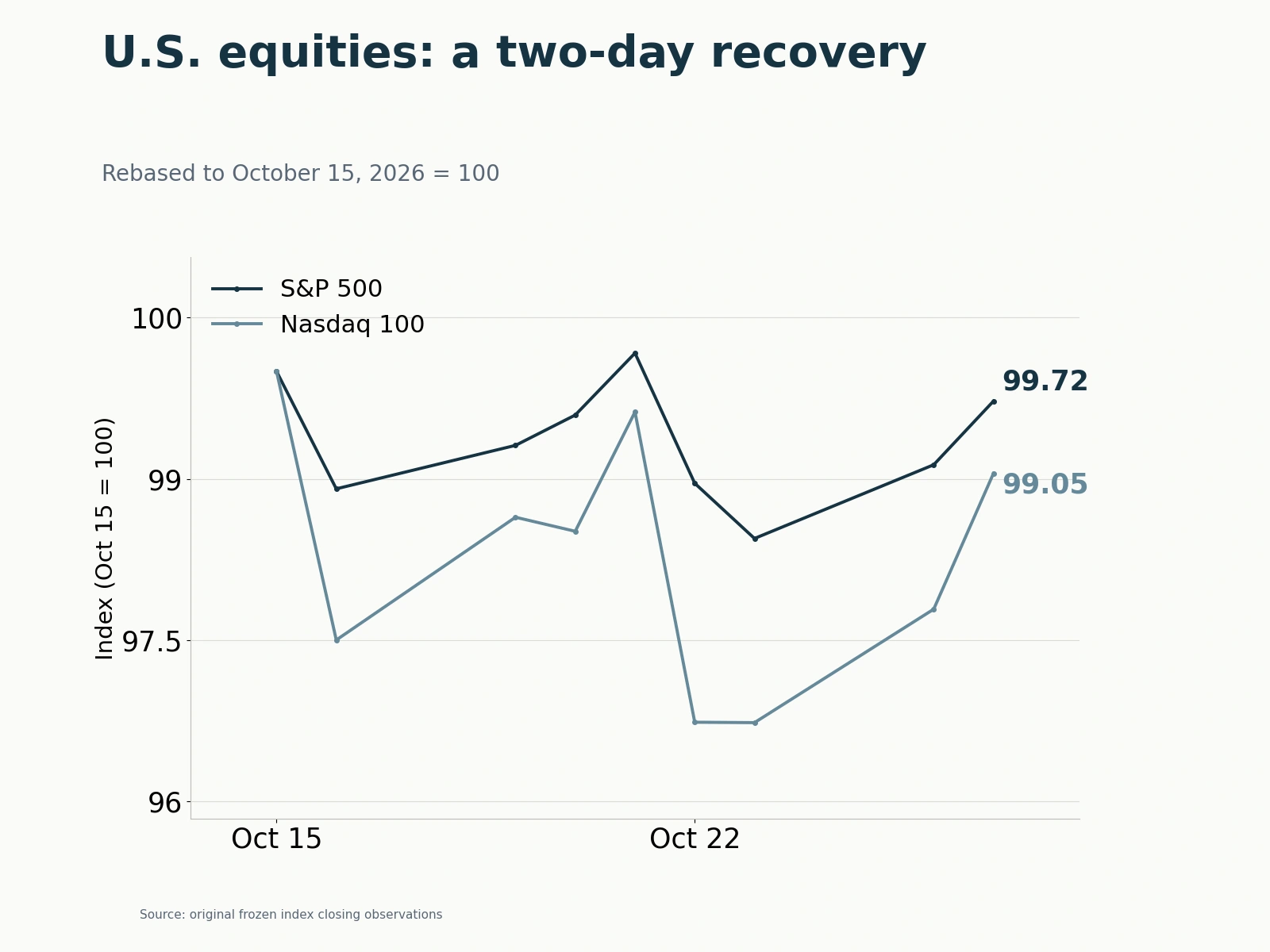
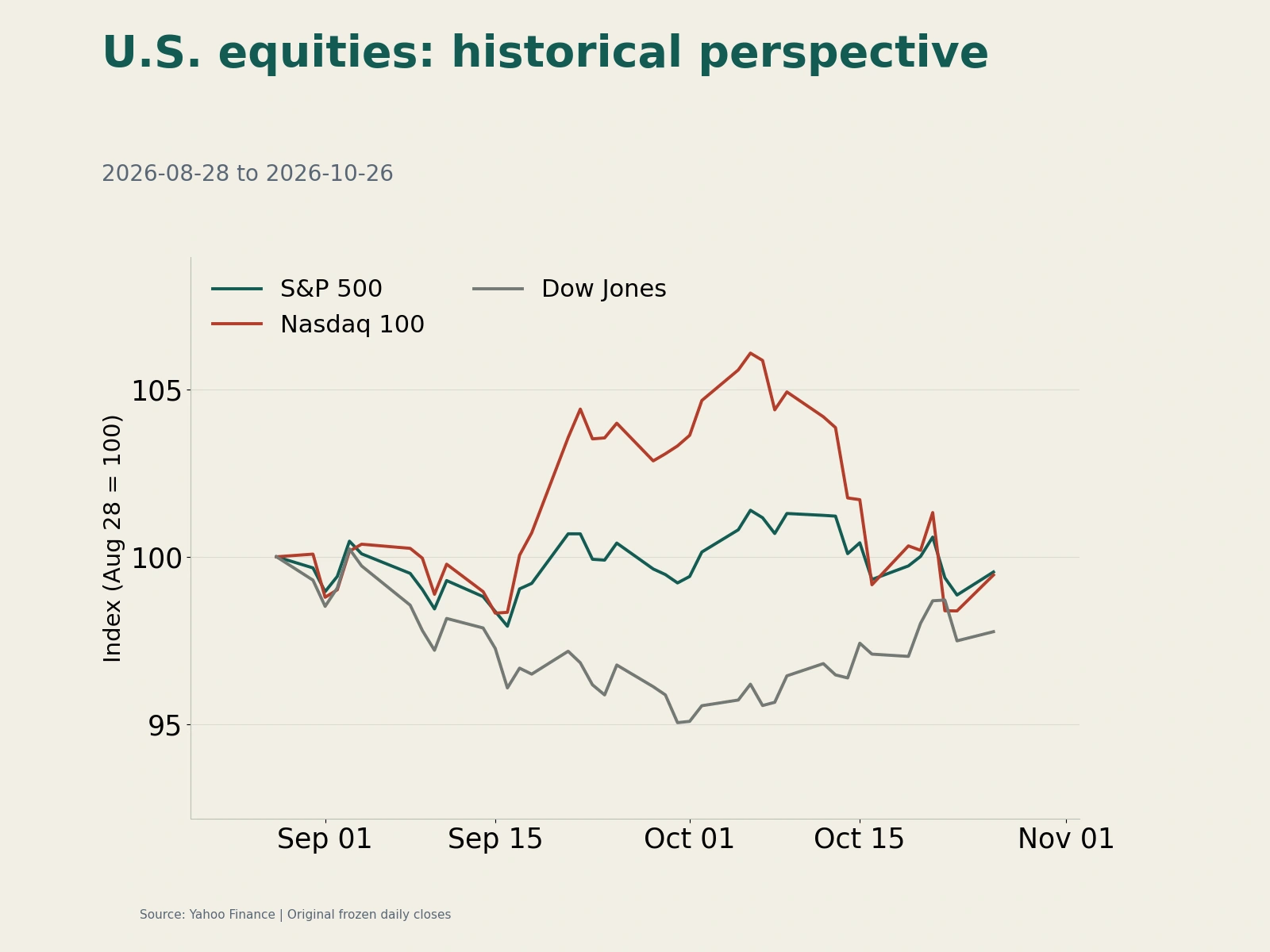
From September 21 to September 27, 2026, global markets diverged as resilient growth and financing costs rose together. Stronger-than-expected U.S. business surveys and core capital-goods orders lifted Treasury yields across maturities, taking the ten-year to 5.17%. Attention to commercialization of consumer AI applications supported large technology stocks, with Nasdaq 100 up 3.25% and S&P 500 up 1.21% for the week. The index gains nevertheless concealed tighter financing: rate-sensitive Russell 2000 small caps, financials and long-term credit generally fell, while higher real yields pressured gold. Higher-rate repricing and uneven sector conditions shaped the week's asset prices.
September composite PMI reaches 58.4, a multiyear high; core equipment orders exceed forecasts and strengthen tightening expectations
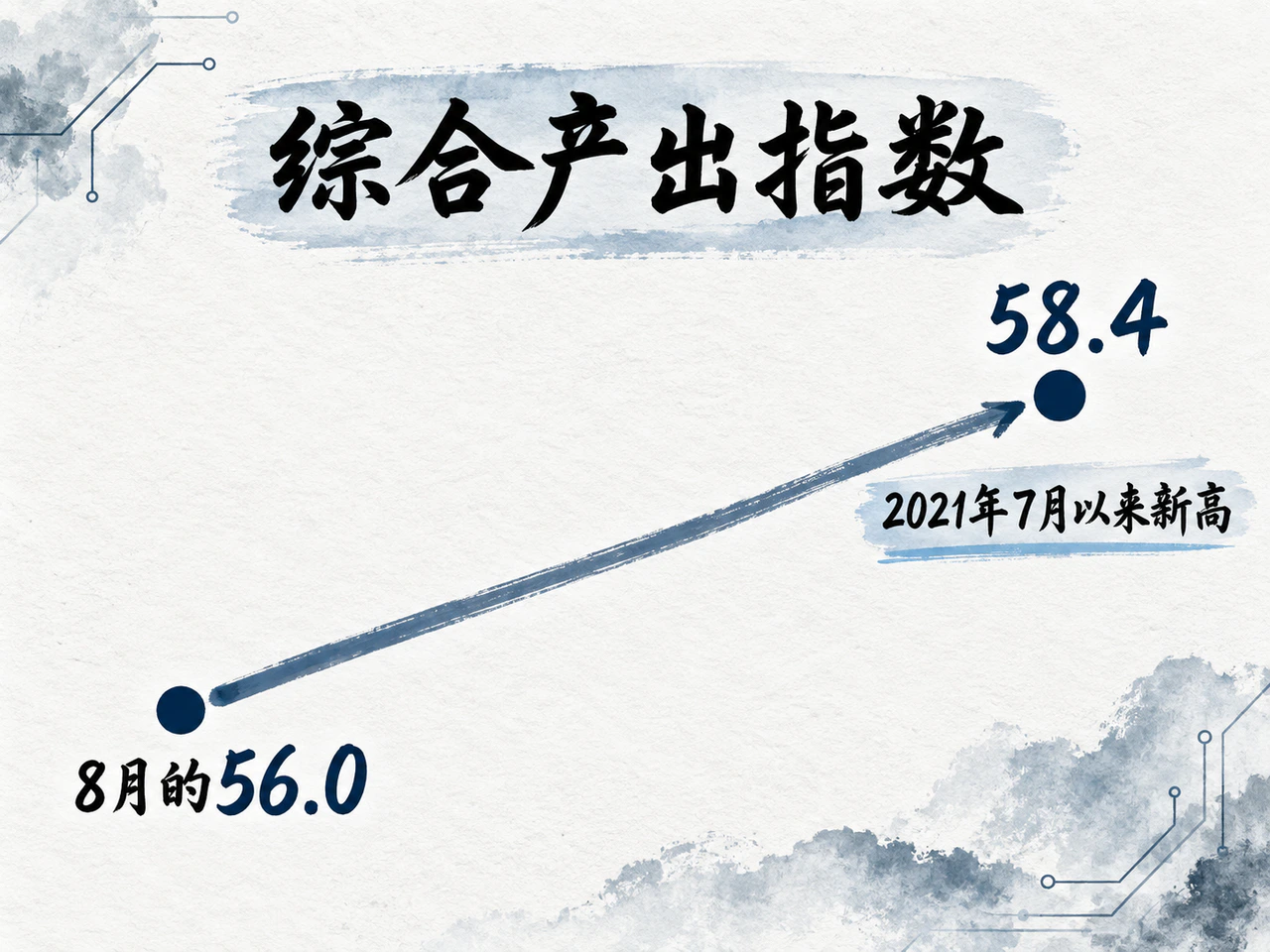
S&P Global's September 23 flash U.S. PMI became the week's pricing turning point. Composite output jumped from August's 56.0 to 58.4, its highest since July 2021. Services PMI reached 58.7 and manufacturing 57.0, both well above prevailing expectations. Strong domestic demand drove additional orders; manufacturing and services new-order growth reached their strongest since 2022, while goods exports continued contracting.
Faster demand is quickly encountering supply constraints. Firms reported backlogs, delayed deliveries and shortages of skilled labor, lifting input-cost inflation to its highest since October 2022, concentrated in fuel, transport and selected labor costs. Selling-price inflation accelerated from August but remained below the March–July average, indicating services competition restrained short-term pass-through. Higher inputs may first erode margins, with full transmission to consumer prices taking time.
Hard data reinforced capital-expenditure resilience. August nondefense capital-goods orders excluding aircraft, released September 25, rose 1.6% month on month versus Reuters consensus of 0.5%; July was revised from unchanged to +0.6%. Related August shipments rose 0.6%. These seasonally adjusted nominal increases reflect continuing investment in infrastructure such as AI, but also partly incorporate price increases. Initial claims for the week ended September 19 were 197,000, down 1,000 from the revised prior week, confirming restrained layoffs.
High survey readings have not settled the pace of actual macroeconomic output growth. S&P's tracking model suggested third-quarter annualized GDP growth near 4%, while the American Bankers Association Economic Advisory Committee's September 23 central forecast was 2.7%. Attention shifted to August core PCE on September 30 and September payrolls on October 2; U.S. Bank forecast monthly core PCE of 0.3% and 80,000 jobs. Confirmation of sticky inflation and resilient employment would strengthen the high-rate case. Weaker pass-through and softer employment could temper the midweek tightening trade.
Ten-year Treasury yield reaches 5.17%; rising real rates intensify credit financing costs
Strong indicators triggered tightening repricing in bonds. By September 25, Treasury yields were up across maturities from the previous week, led by the long end in a classic bear steepening.
| Maturity | September 18 yield | September 25 yield | Weekly change |
|---|---|---|---|
| 2-year | 4.76% | 4.81% | Up 5 basis points |
| 5-year | 4.86% | 4.98% | Up 12 basis points |
| 10-year | 5.01% | 5.17% | Up 16 basis points |
| 30-year | 5.34% | 5.49% | Up 15 basis points |
The ten-year/two-year spread widened from 25 to 36 basis points. After Wednesday's PMI, ten- and two-year yields jumped from 4.96% and 4.71% the previous day to 5.11% and 4.85%. The Federal Home Loan Bank of New York cited data surprises, rebounding oil and hawkish Fed comments as jointly lifting policy-rate expectations. By Thursday midday, derivatives priced nearly four cumulative 25-basis-point increases by October 2027, about one more than the previous week.
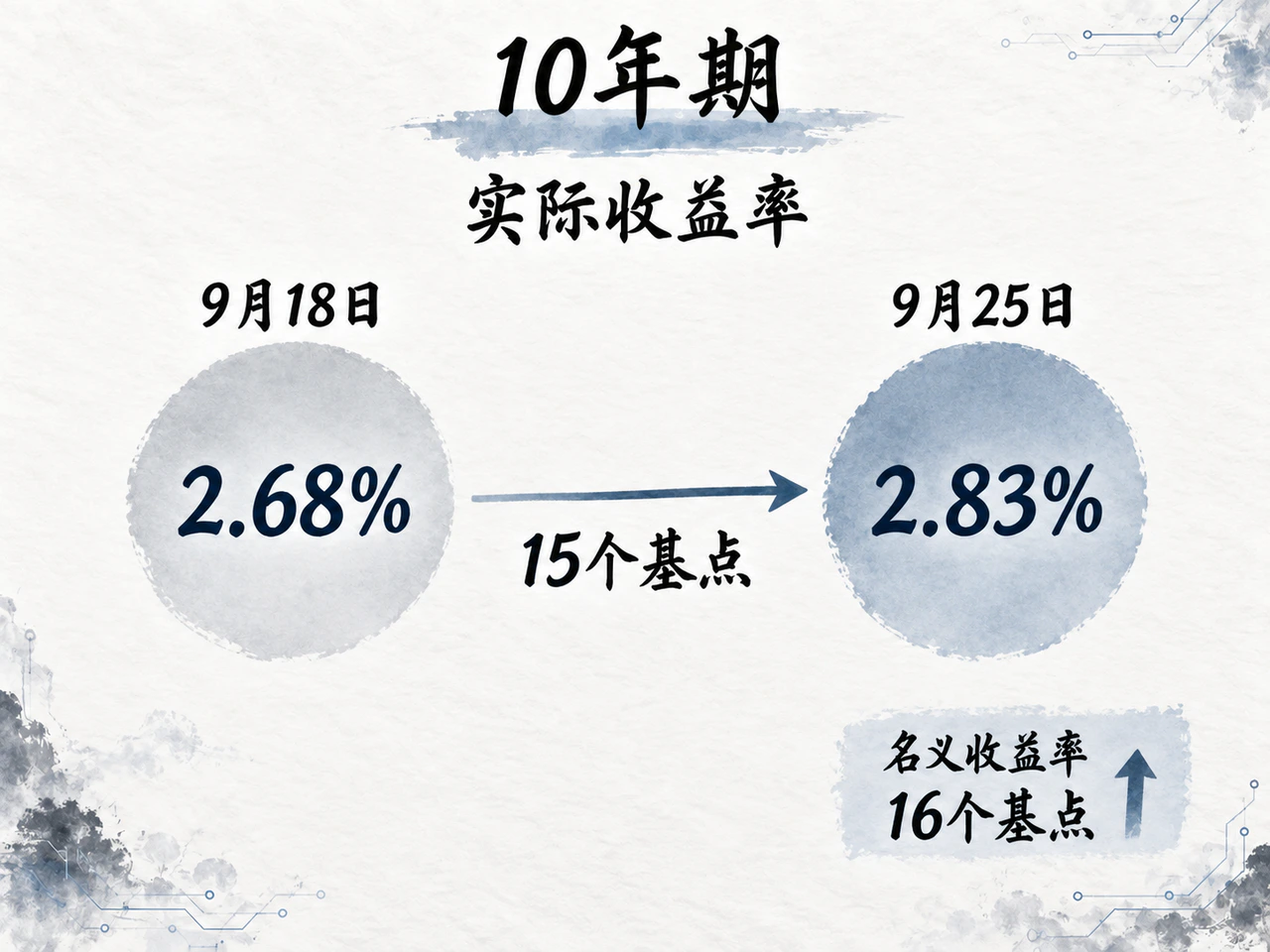
The jump in long nominal yields was mainly real-rate driven. Treasury data showed the ten-year TIPS real yield rising 15 basis points from 2.68% to 2.83%, closely matching the 16-basis-point nominal increase. The main driver was therefore a higher real risk-free borrowing cost, directly repricing real financing for the economy and markets.
Weaker primary-market demand added pressure. The September 24 $44 billion seven-year auction had a bid-to-cover ratio of only 2.42, below the previous 2.50 and the 12-auction average of 2.48. U.S. Bank said the allocation showed investors demanding greater compensation for duration risk against expanding fiscal supply.
Higher risk-free benchmarks quickly reached credit. By September 24, ICE BofA U.S. high-yield OAS widened from 268 basis points on September 18 to 280. Higher benchmarks plus wider spreads raised issuance and refinancing hurdles, directly pressuring cash flow at firms with near-term maturities or floating-rate dependence. Firms that had locked in long-term low fixed rates were better protected in current interest expense, although holders of their long-duration bonds faced lower secondary valuations. Wellington judged aggregate credit fundamentals and cash flow still resilient despite supply- and benchmark-driven spread volatility, without systemic default concerns.
Meta's consumer AI expansion lifts technology; Nasdaq gains over 3% while cyclicals weaken
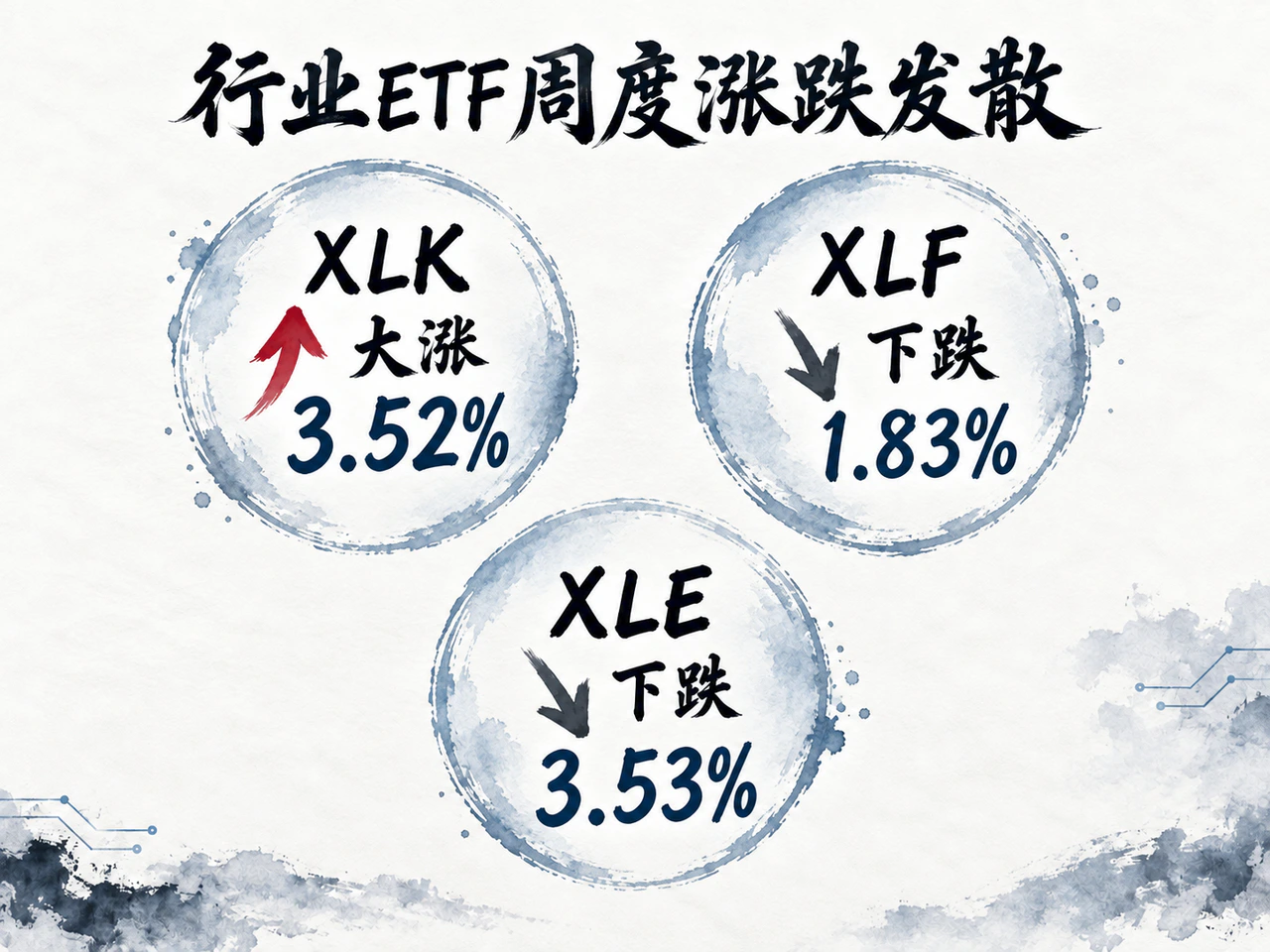
U.S. indices diverged sharply against rising long yields. At the September 25 close, S&P 500 stood at 7,743.41, up 1.21% for the week; Nasdaq 100 at 30,608.13, up 3.25%; and Dow at 51,828.62, up 0.28%. Russell 2000 fell 0.80%. Sector ETFs, measured by closing-price changes, diverged likewise: technology XLK gained 3.52%, while financials XLF fell 1.83% and energy XLE 3.53%.
Weekly gains relied heavily on an early burst. S&P 500 closed Monday at 7,764.70 and Nasdaq 100 Tuesday at 30,732.40. From Wednesday, soaring yields brought high-level volatility and profit-taking. VIX edged from 14.81 on September 18 to 14.87 on September 25, both low closes, while technology diverged markedly from small caps, financials and energy.
The technology catalyst was AI commercialization extending from infrastructure to consumers. Reuters reported September 22 that Meta's standalone AI assistant Muse exceeded 2.8 million downloads in its first 12 days and introduced free and $20- and $100-a-month subscription tiers, sending Meta up more than 11% on Monday. JPMorgan and UBS Wealth Management endorsed its social-ecosystem distribution capacity. New AI interfaces also threatened existing traffic models: fears of agent-driven redistribution pressured Uber, Lyft, Expedia and Charles Schwab. Amazon said it had not authorized Muse to access its e-commerce interfaces and demanded removal, highlighting intensifying competition over ecosystem access and data barriers.
Friday brought localized deals and earnings support. The Associated Press reported Akamai's $11.6 billion multiyear cloud agreement with AI unicorn Anthropic, lifting Akamai 3.2%; Costco gained 2.9% after better-than-expected quarterly net income. Despite stock-specific highlights, weekly underperformance in small caps and cyclicals showed that high financing costs still prevented a broad cyclical rally reliant on easier macro credit.
Brent's nearby premium nears $7; high real rates push gold down more than 2%
Oil and gold followed distinct forces. Continuous Brent daily closes rose a modest 0.43% from $103.87 on September 18 to $104.32 on September 25. Daily swings were substantial: U.S.–Iran diplomacy and shipping expectations pushed Tuesday's close to $99.25, before uncertain implementation led to a rebound to $106.60 on Thursday and partial retreat Friday. Main November WTI settled at $92.41 on September 25.
Behind volatile high futures prices, physical tightness intensified. Bloomberg reported September 25 that front-to-second-month Brent backwardation had widened to nearly $7 a barrel from below $1 in late August, indicating extremely tight prompt deliverable supply. EIA's September 23 release showed commercial crude stocks up 3 million barrels in the week ended September 18, but refinery throughput down 519,000 barrels daily and gasoline and distillate inventories both declining. Crude accumulation mainly reflected lower refining rather than broadly weaker final product demand.
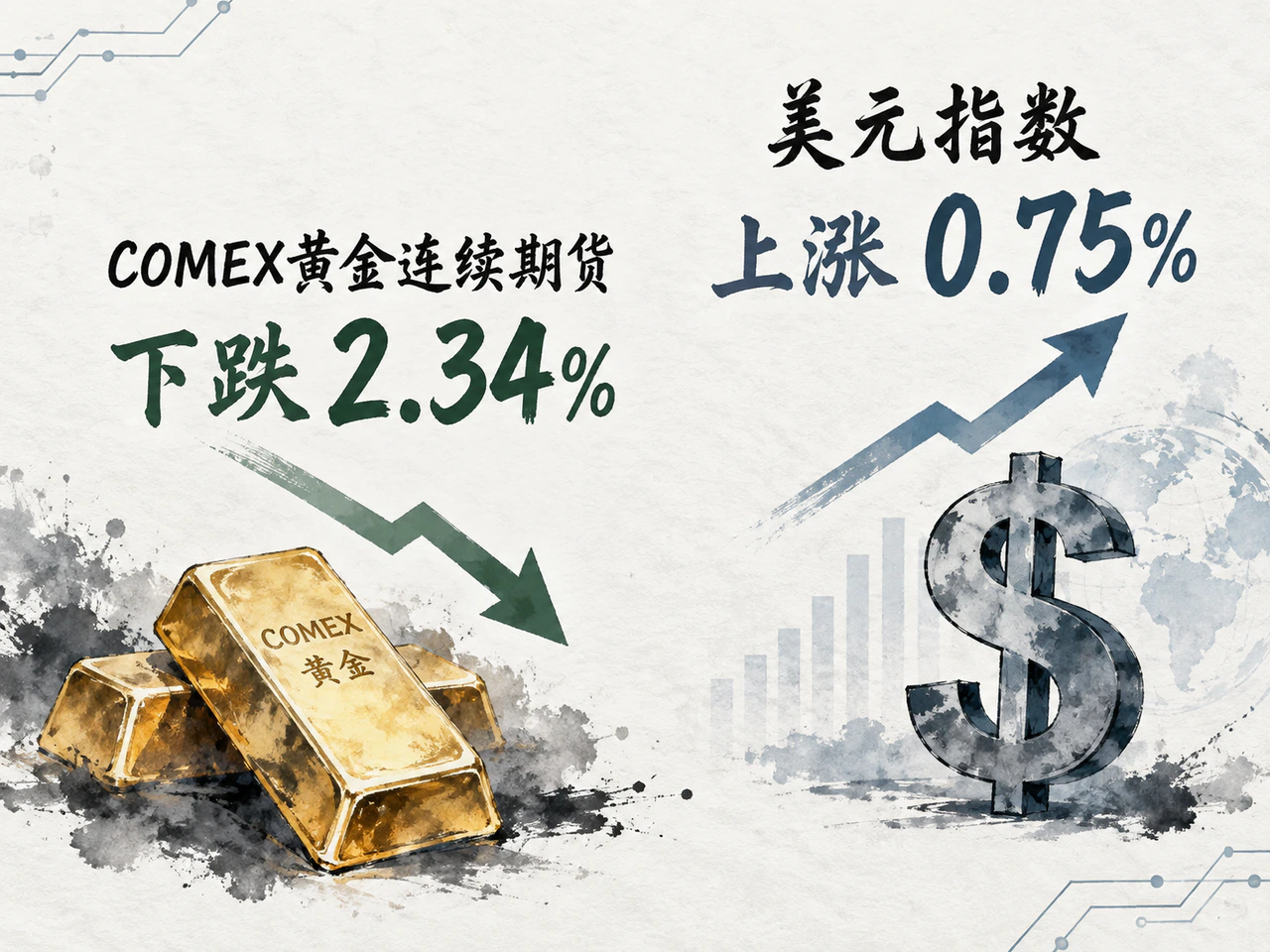
Gold faced both higher real rates and a stronger dollar. COMEX continuous gold fell 2.34% for the week to a daily close of $4,321.20 an ounce, while the dollar index rose 0.75% to 100.97. A 15-basis-point ten-year real-yield jump raised the opportunity cost of a non-yielding asset; energy resilience strengthened tightening expectations and the dollar. Rate costs temporarily outweighed gold's geopolitical haven role. Friday's technical buying did not remove the substantial weekly loss.
Asian markets diverge with currencies and supply chains; trade extension and liquidity ease short-term disruption
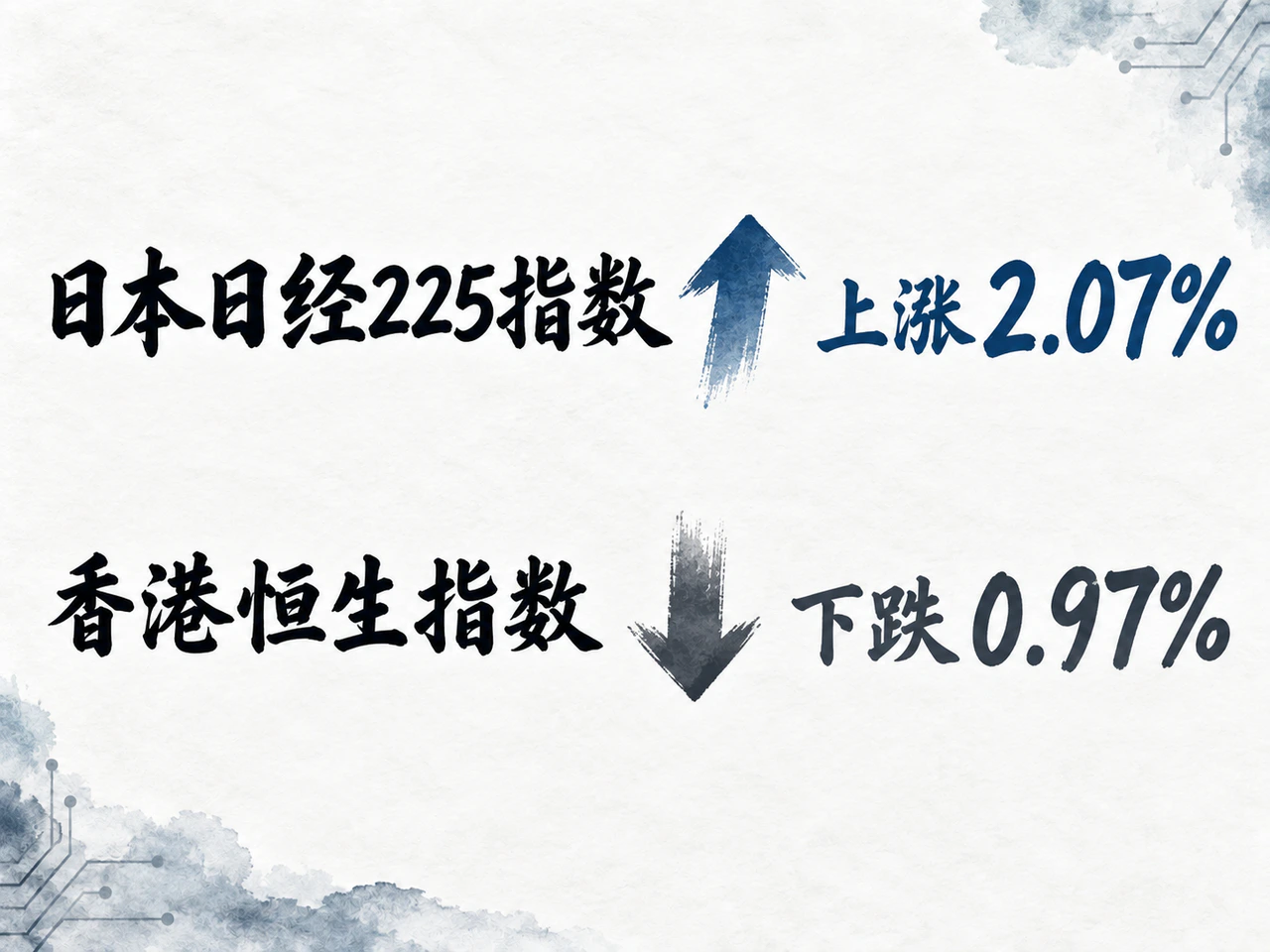
U.S. technology strength did not spread evenly to Asia. At September 25's close, Hang Seng was down 0.97% for the week at 24,510.09 and Nikkei 225 up 2.07% at 66,364.20. Korea was closed September 24–25, leaving KOSPI at its September 23 reading of 7,080.92. USD/JPY rose from 156.13 to 158.81; yen depreciation supported translated earnings expectations for Japanese exporters and provided some equity support.
AI commercialization opens long-term possibilities for Asian hardware chains, but market responses are pragmatic. Japanese chip-equipment and Korean memory leaders still need confirmation of actual downstream capital orders. Hong Kong-listed Chinese internet leaders have AI application settings but face both domestic competition reshaping traffic and higher overseas discount rates.
Short-term trade uncertainty eased marginally. Reuters quoted Treasury Secretary Bessent on September 24 saying China and the U.S. agreed to extend the bilateral trade agreement, originally expiring in November, by two months. Extension helps exporters plan procurement and deliveries; CNBC reported Boeing civilian-aircraft purchases proceeding in sequence. Friction nevertheless remained in some high-tech and critical-mineral implementation, including rare-earth export approvals, so deeper supply-chain constraints persisted. On September 22, the EU extended Ukraine-crisis-related individual and entity sanctions by three years to September 22, 2029, embedding geopolitical financial-compliance and transport scrutiny as long-term constraints on multinational banking.
China's monetary policy clearly supported domestic liquidity. On September 24, the PBOC conducted RMB800 billion of one-year MLF operations against RMB600 billion maturing that month, injecting a net RMB200 billion. Ample medium-term liquidity offset quarter-end funding volatility and supported government-bond absorption. Policy extensions and targeted liquidity provide downside support, but with overseas rates high and supply-chain compliance constraints unresolved, fundamental asset-price recovery still requires substantive improvement in corporate earnings and aggregate orders.