Federal Reserve Governor Cook spoke at Oakland Tech Week on September 28, warning that the artificial-intelligence investment boom could intensify short-term inflation pressures. Although AI could improve productivity over the longer term, she said, supply-side disinflationary benefits were unlikely to arrive in time this year to offset potentially spreading price pressures. Technology's long-term promise alone did not justify assuming that near-term inflation momentum would fade by itself.
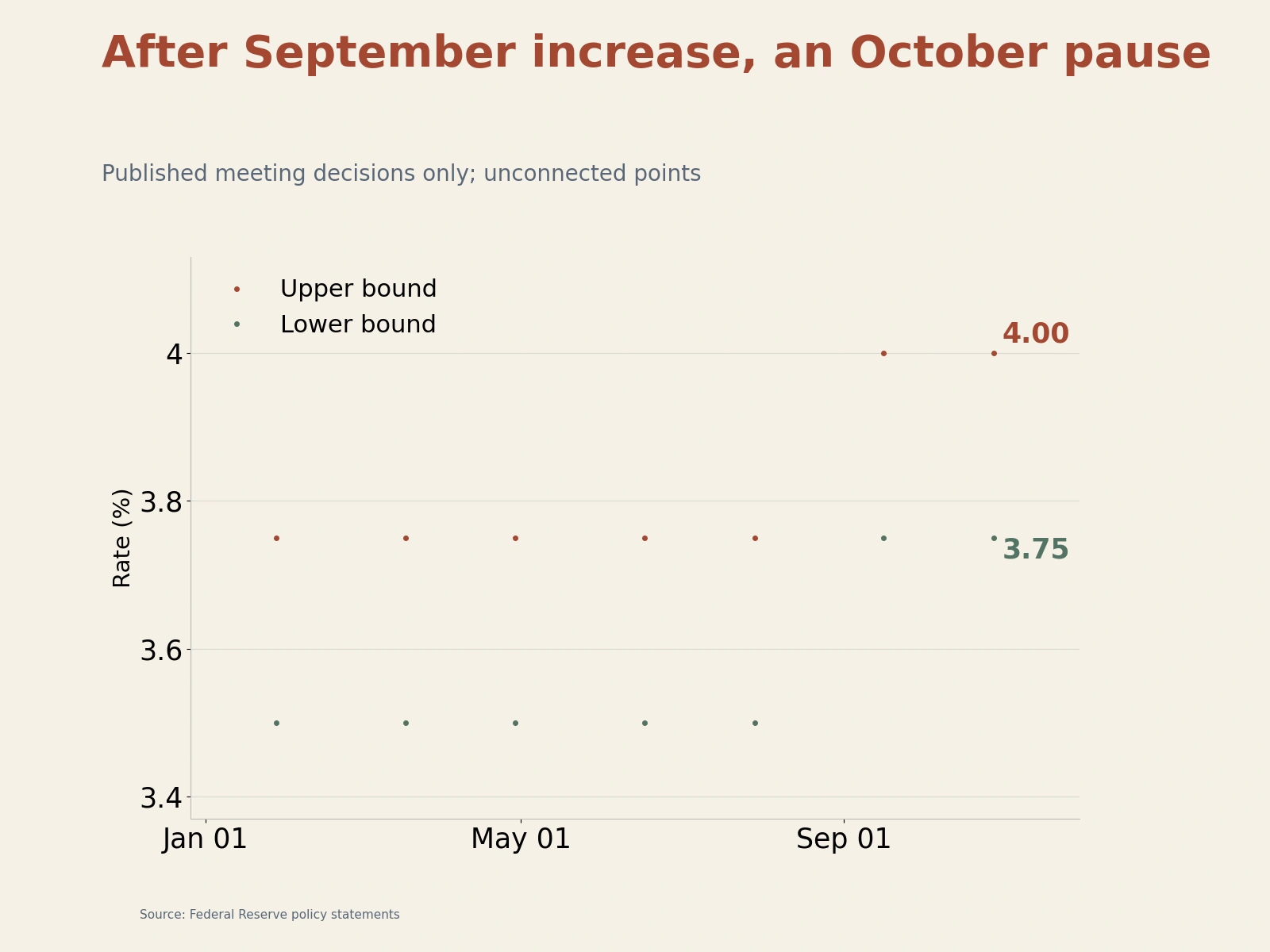
On September 16, the Fed unanimously raised rates 25 basis points, taking the federal funds target range to 3.75%-4.00%. Cook systematically explained the macroeconomic logic supporting that hike, without committing in advance to the timing or size of the next adjustment.
Computing construction may compete for energy and labor as sector investment risks spilling into broad demand pressure
On the policy response, Cook distinguished localized bottlenecks from systemic inflation. If surging computing demand for chips, computers and software remained confined to the industry, supply-chain reorganization and efficiency improvements could gradually moderate prices. Broad rate increases could instead unnecessarily hurt otherwise normally functioning industries.
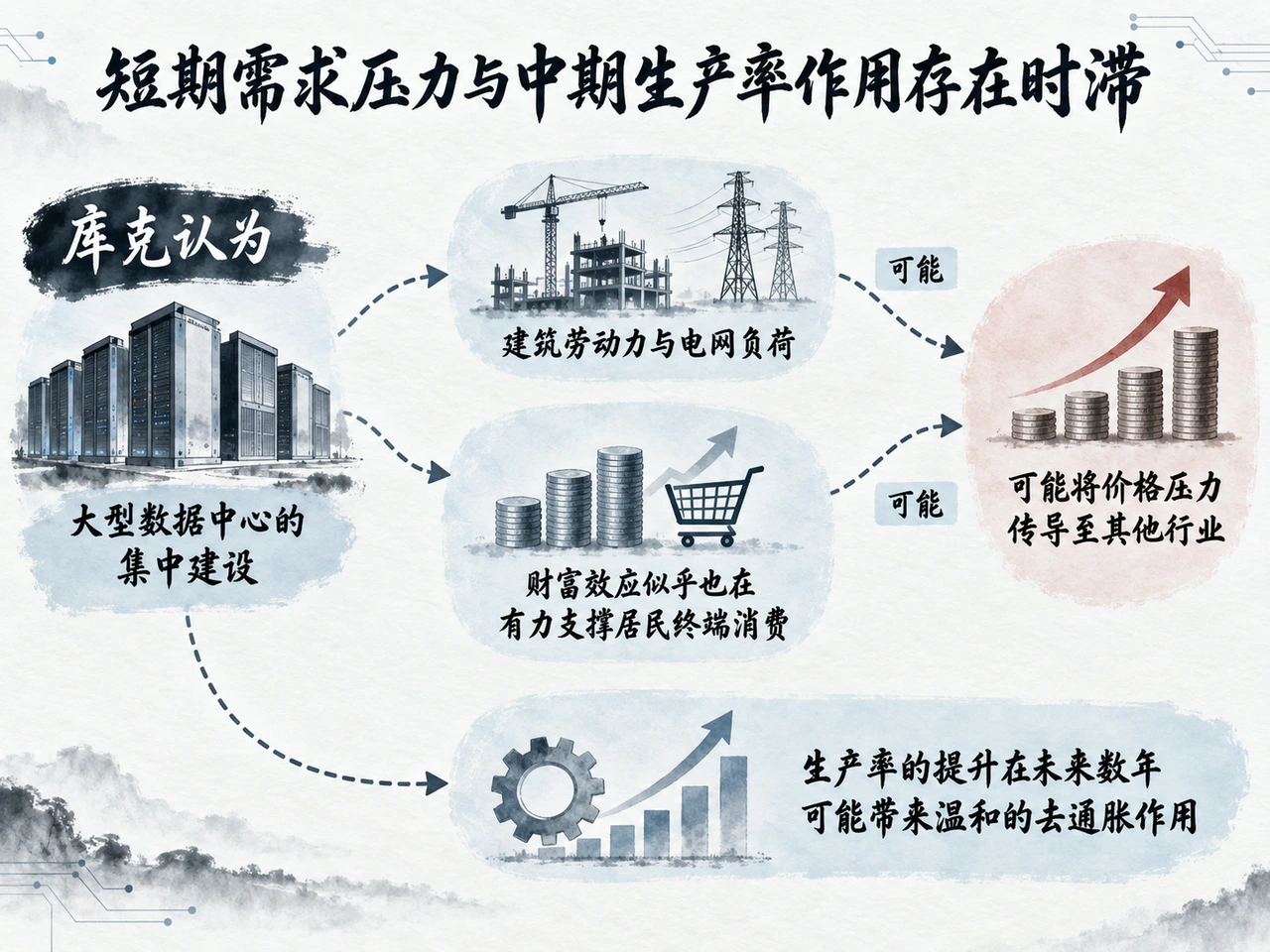
Cook viewed spillovers as the central current risk. Concentrated construction of large data centers could compete with other industries for very limited basic inputs, especially construction labor and power-grid capacity, potentially spreading price pressure. Meanwhile, wealth effects from AI-sector gains appeared to be strongly supporting household consumption. Through this mechanism, a localized investment boom could become a broader increase in aggregate demand and costs.
In the evolving supply-demand balance, better productivity can release potential supply, but technological breakthroughs often stimulate demand first by raising expected investment returns, future income and asset valuations. Their disinflationary effect depends on whether new supply arrives quickly enough to catch up with new demand. Cook expected productivity gains could have a modest disinflationary effect over the coming years, but this potential supply expansion could not directly resolve immediate price risks. The analysis suggested that stronger long-term growth potential could coexist with a short-term need for tightening and rate increases.
Labor resilience supports policy resolve; Dallas survey shows rising production alongside materials costs
Macroeconomic and labor data provided fundamental support for maintaining restraint. Estimates cited by Cook put August U.S. headline inflation at 3.8% year on year and core inflation at 3.4%. Unemployment was 4.1%, while initial claims and vacancies suggested a broadly balanced and improving labor market. The economy and employment still had the strength to withstand the current interest-rate range.
Cook also warned that if rapid AI adoption created skill mismatches, a small rise in unemployment might reflect structural transition frictions rather than weak aggregate demand. Premature cuts would then fail to resolve the structural problem and could encourage renewed inflation. Subsequent decisions would still depend on how the real economy absorbed existing policy and on the actual inflation and employment paths.
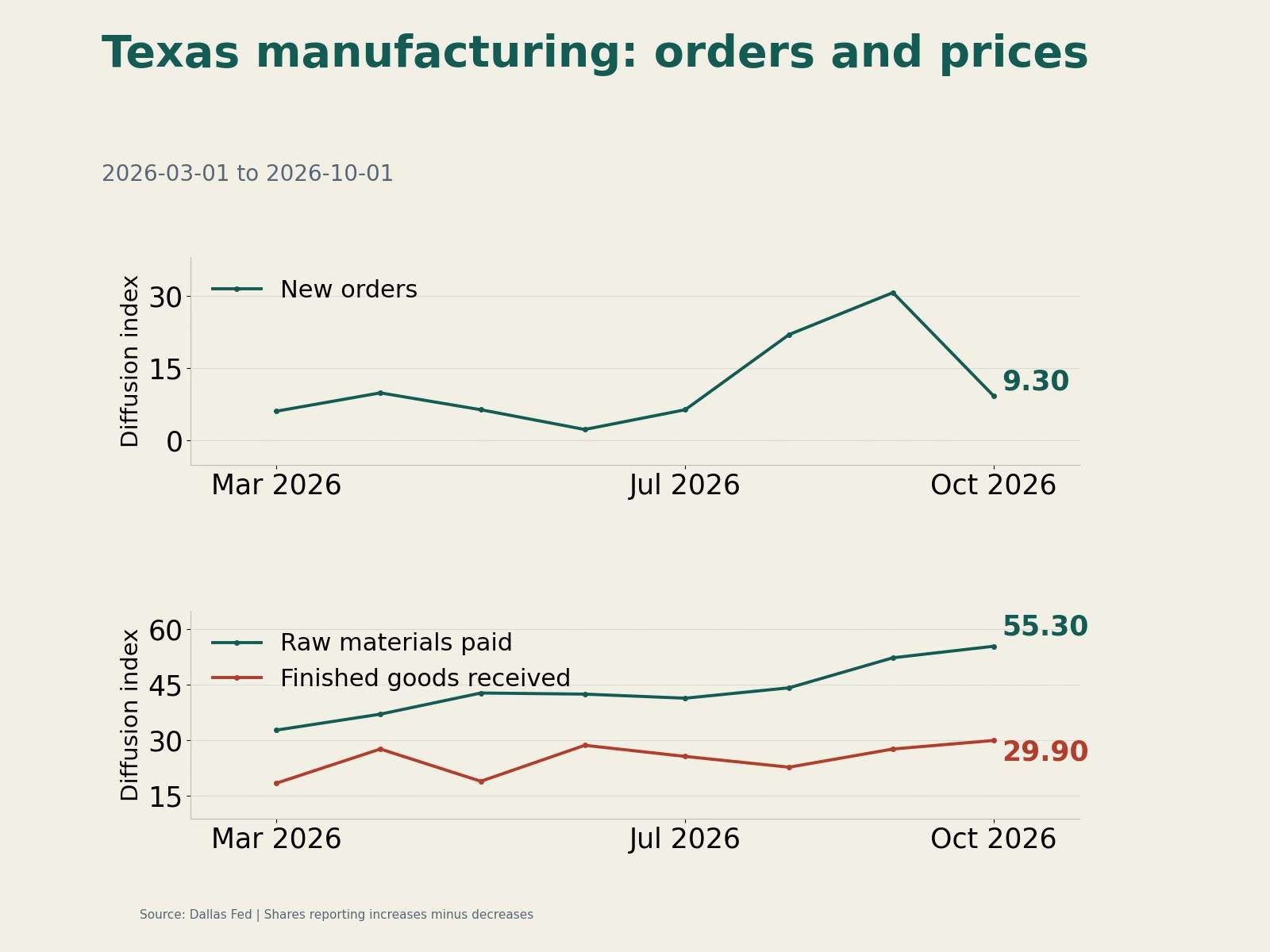
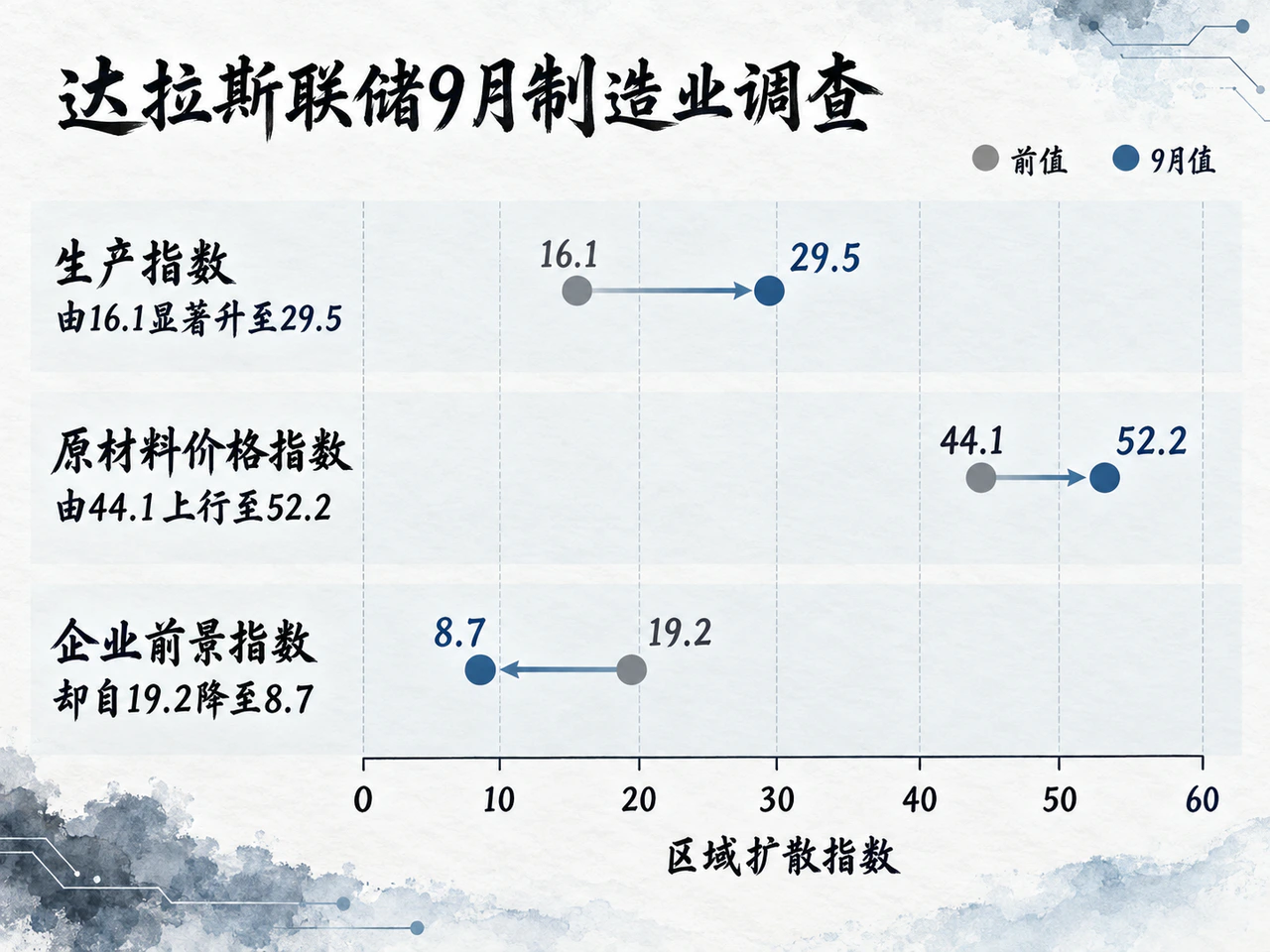
The Dallas Fed's September manufacturing survey released that day provided microeconomic evidence of active regional production alongside rising input costs. Texas manufacturing production rose sharply from 16.1 to 29.5, and raw-materials prices from 44.1 to 52.2, while the company-outlook index fell from 19.2 to 8.7. These regional diffusion indices showed firms facing raw-material inflation and growing concern about future conditions while orders and production remained active; they did not mean cost pass-through was already complete.
Attention was now fixed on the August personal income and outlays (PCE) report due at 20:30 Beijing time on September 30. Official PCE data would verify current inflation estimates, while real consumption would directly test end demand. Further broadening inflation and persistent demand resilience would strengthen the case for continued Fed restraint. Markedly cooling prices and weaker consumption would instead lead to a corresponding adjustment in the policy balance.