International oil reversed intraday gains and closed sharply lower on September 29. Reuters data put Brent at $102.59 a barrel, down $2.69, about 2.6%, and November WTI settlement at $89.38, down $3.22, about 3.5%. Resumed loading through Saudi Arabia's Red Sea export route and a new U.S. Strategic Petroleum Reserve tender drove the decline, removing much of the geopolitical premium accumulated over supply-disruption fears.
Opening a transport route and announcing policy do not immediately make physical supply abundant. Saudi east-west pipeline throughput is still ramping up, U.S. reserve releases require tendering and delivery time, and nearby Brent retains significant backwardation against later contracts. Lower outright futures prices coexist with expectations of near-term physical tightness.
Trade estimates put Yanbu loading back near 2 million barrels a day; full pipeline recovery still takes time
Saudi Arabia's east-west pipeline to Red Sea port Yanbu restarted September 22 after a drone attack shut it on September 11. Reuters reported September 29 that crude loading had formally resumed at Yanbu. Industry sources said Aramco issued October Yanbu schedules to Asian customers on the evening of September 28; two traders estimated loading had recovered to approximately 2 million barrels daily since the preceding week.
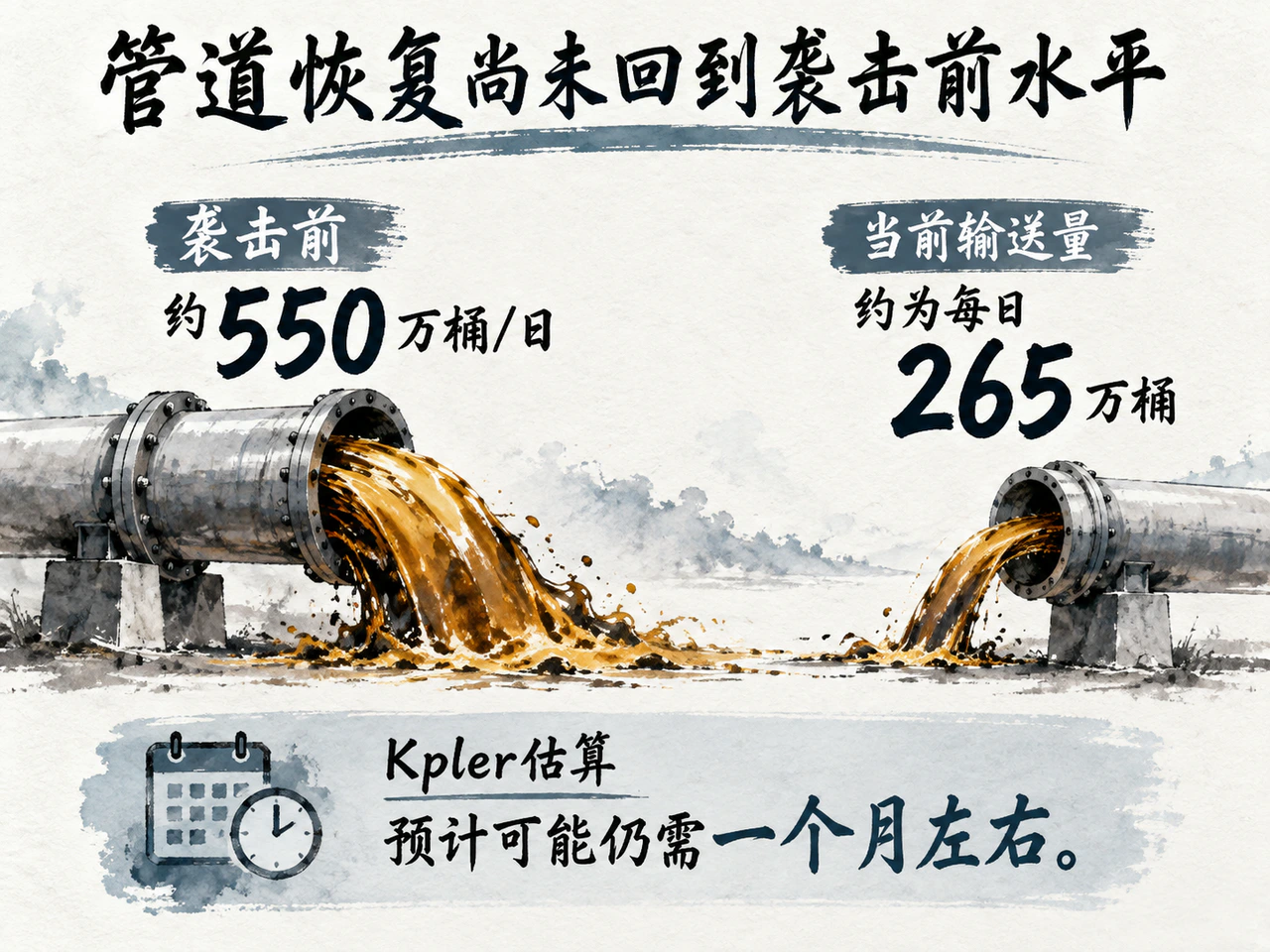
The route provides a strategic corridor bypassing Hormuz, taking eastern-field crude directly to the Red Sea. Recovery nevertheless faces practical constraints. Kpler estimated current throughput at about 2.65 million barrels a day, potentially rising to 3 million–4 million within days, but returning to the pre-attack roughly 5.5 million could still take about a month. Reopening eased immediate disruption fears, but stable physical supply requires sustained loading and throughput increases.
DOE tenders loans of up to 40 million SPR barrels; November–December delivery and uptake remain to be seen
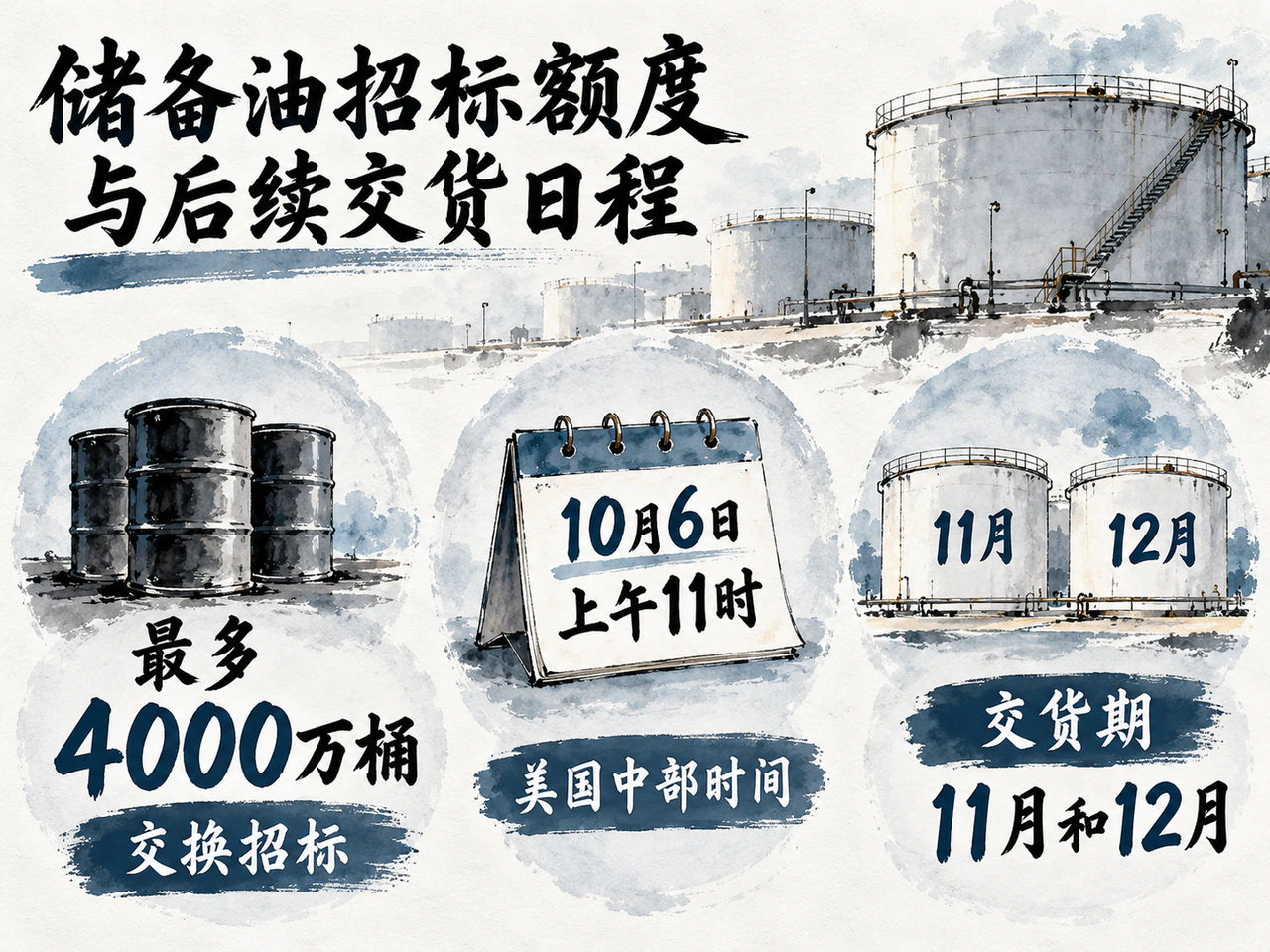
U.S. policy implementation further raised expectations of better supply. On September 29, the Energy Department announced an exchange tender for up to 40 million SPR barrels. This implements the existing framework of a U.S. pledge to release 172 million barrels within IEA members' combined 400 million, rather than adding incremental volume beyond that plan.
The crude comes from Big Hill and Bryan Mound. Bids close at 11 a.m. U.S. Central time on October 6, with delivery in November and December. Participants must later return the borrowed crude plus a premium in additional barrels. The lag means these barrels cannot directly fill today's spot gap; they chiefly improve forward supply availability late in the fourth quarter.
Whether the tender ceiling becomes actual supply depends on companies' uptake. In June, DOE offered to lend 40 million barrels, but companies agreed that month to borrow only about 500,000. With seven OPEC+ countries already deciding September 6 to keep October output unchanged, trading centers on restoration of existing routes and implementation of reserve releases, rather than a fundamental upstream policy shift.
Brent's intraday front spread reaches $7.48; steep backwardation signals continued nearby supply concern
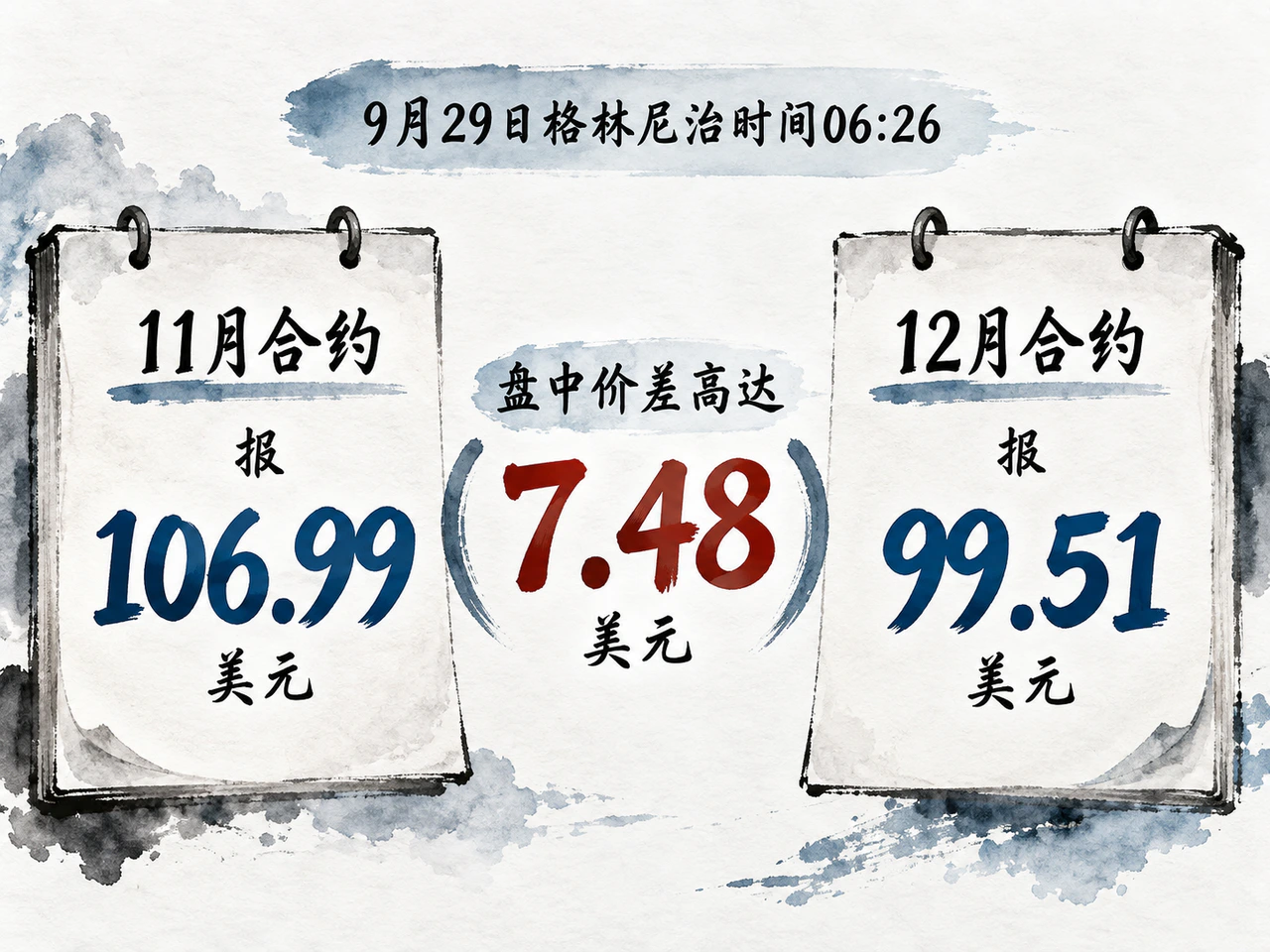
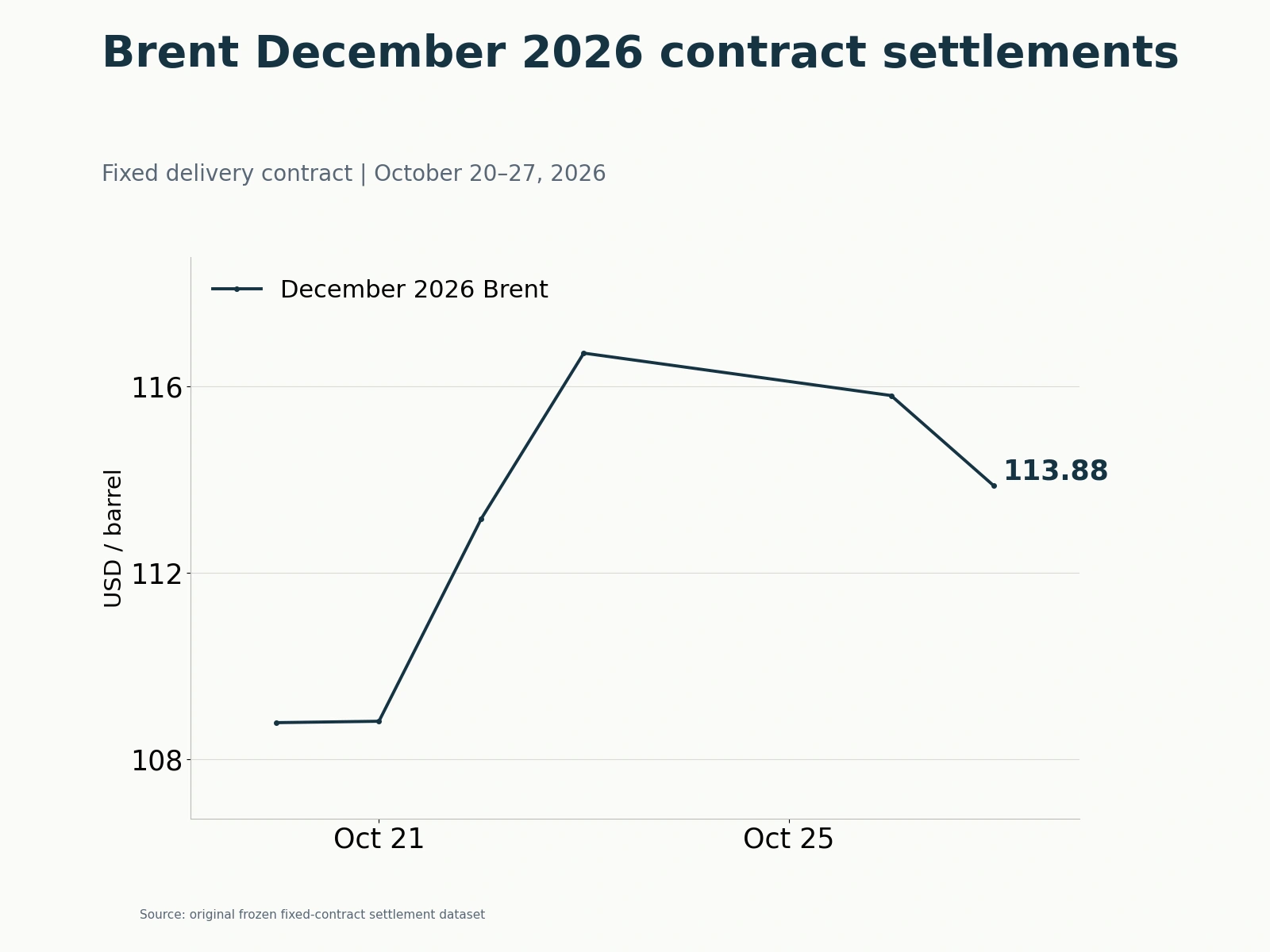
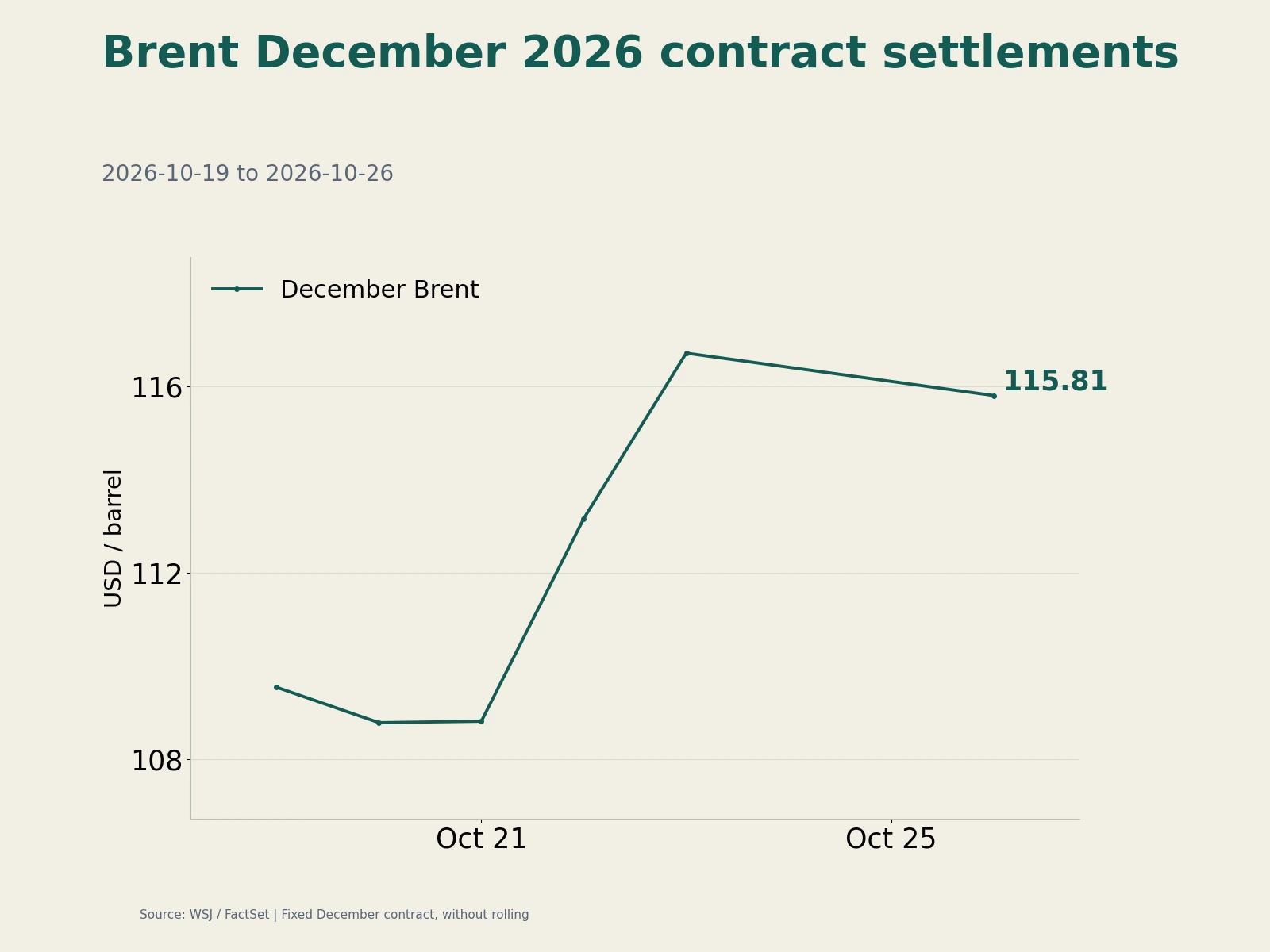
Despite lower outright prices, crude futures retained deep backwardation. At 06:26 GMT on September 29, November Brent traded at $106.99 and the active December contract at $99.51, a front-to-second-month intraday spread of $7.48. The steep nearby premium shows substantial concern about available prompt barrels; reopening the route had not fully removed it.
The provider's data showed the dollar index closing about 0.17% higher, modestly pressuring dollar-denominated crude. Compared with oil's decline, however, currency moves were secondary; physical delivery timing and supply-demand expectations remained dominant.
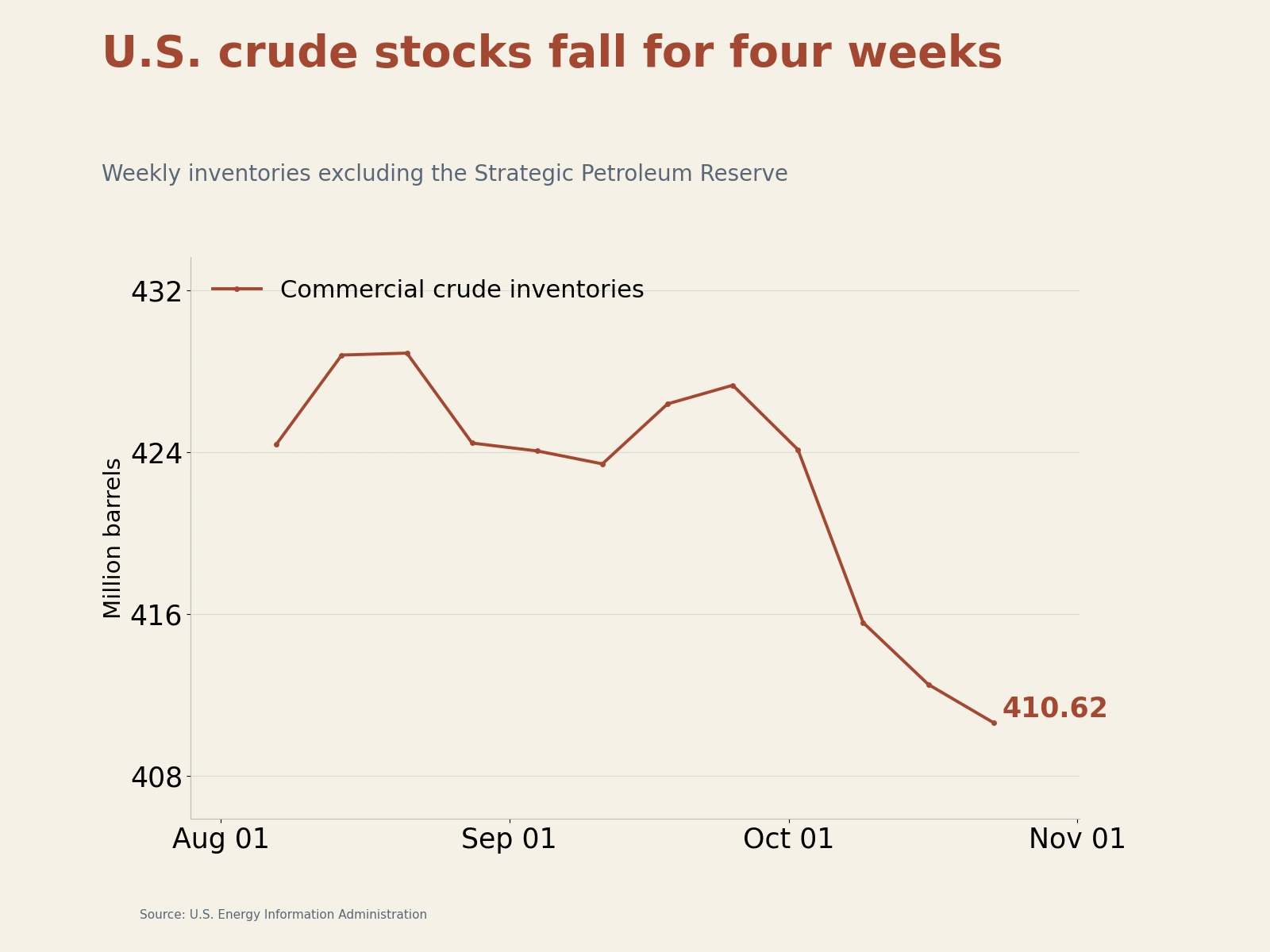
Oil thus combines lower outright prices as risk premium is removed with a curve still stronger nearby than farther out. Four developments matter next: stable increases in Yanbu loading and pipeline throughput; meaningful narrowing in Brent's front spread; actual uptake and delivery from the October 6 SPR tender; and U.S. commercial crude and product inventories. Concurrent logistics recovery, narrower nearby premiums and improved stocks would strengthen the easing-supply case. Renewed loading setbacks and persistently wide spreads would keep near-term concern limiting the scope for lower prices.