International oil prices rose across the board on September 30. The November Brent contract settled at $103.50 a barrel on its final trading day, up $0.91, or approximately 0.9%. November WTI settled at $90.42, up $1.04, or approximately 1.2%. The oil market is caught between opposing forces. Restored operation of a key Saudi pipeline and recovering Gulf exports are gradually easing immediate supply-chain bottlenecks. But slower US refining is sustaining draws in gasoline, diesel and other products, while US–Iran talks have produced no substantive sanctions easing, leaving end-user fuel supply tight. Better upstream transport alongside low downstream inventories explains elevated, choppy prices and resistance to declines.
Backwardation Persists: Brent Months Differ in Price; WTI Prompt Premium Narrows to $2
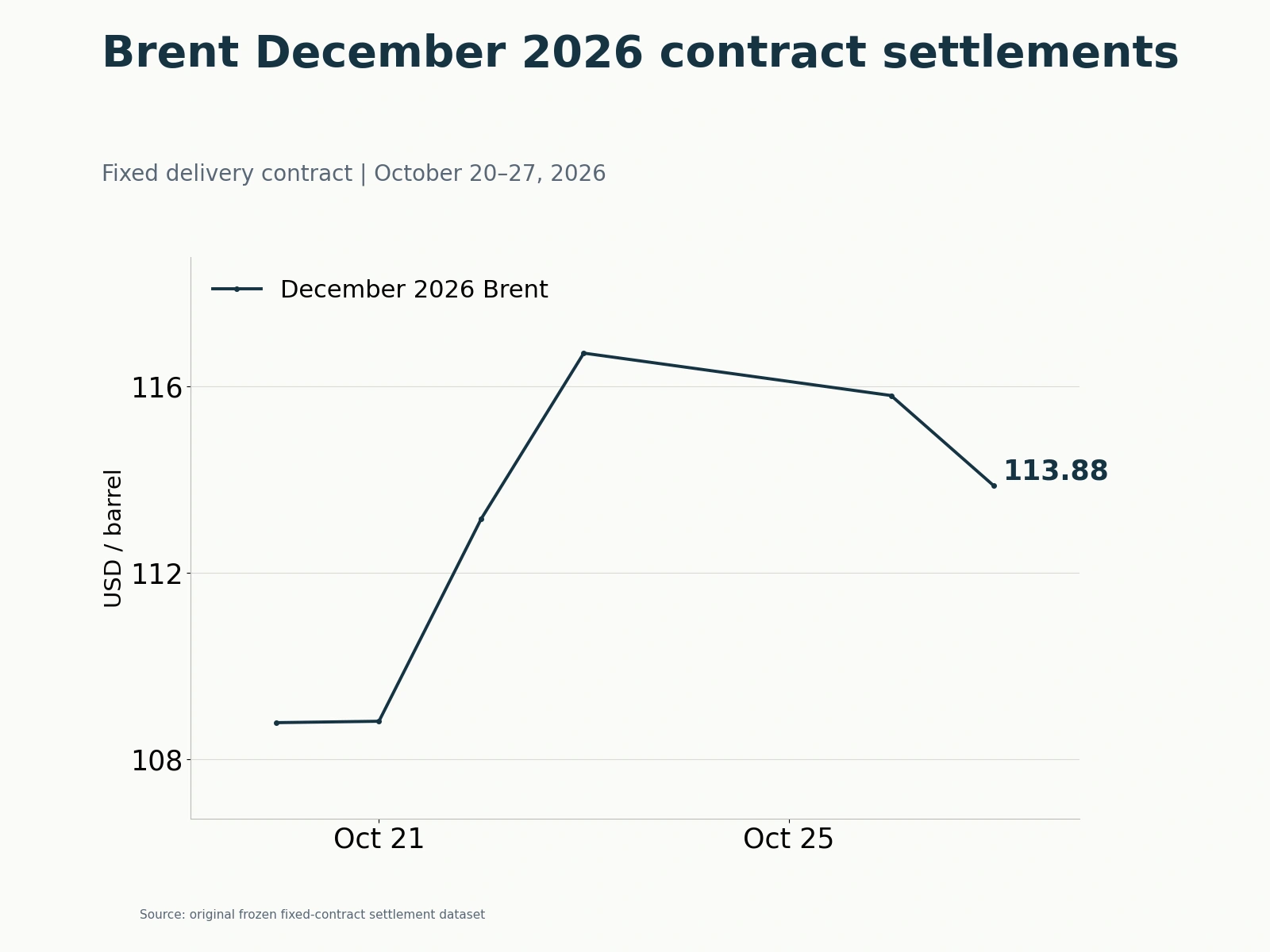
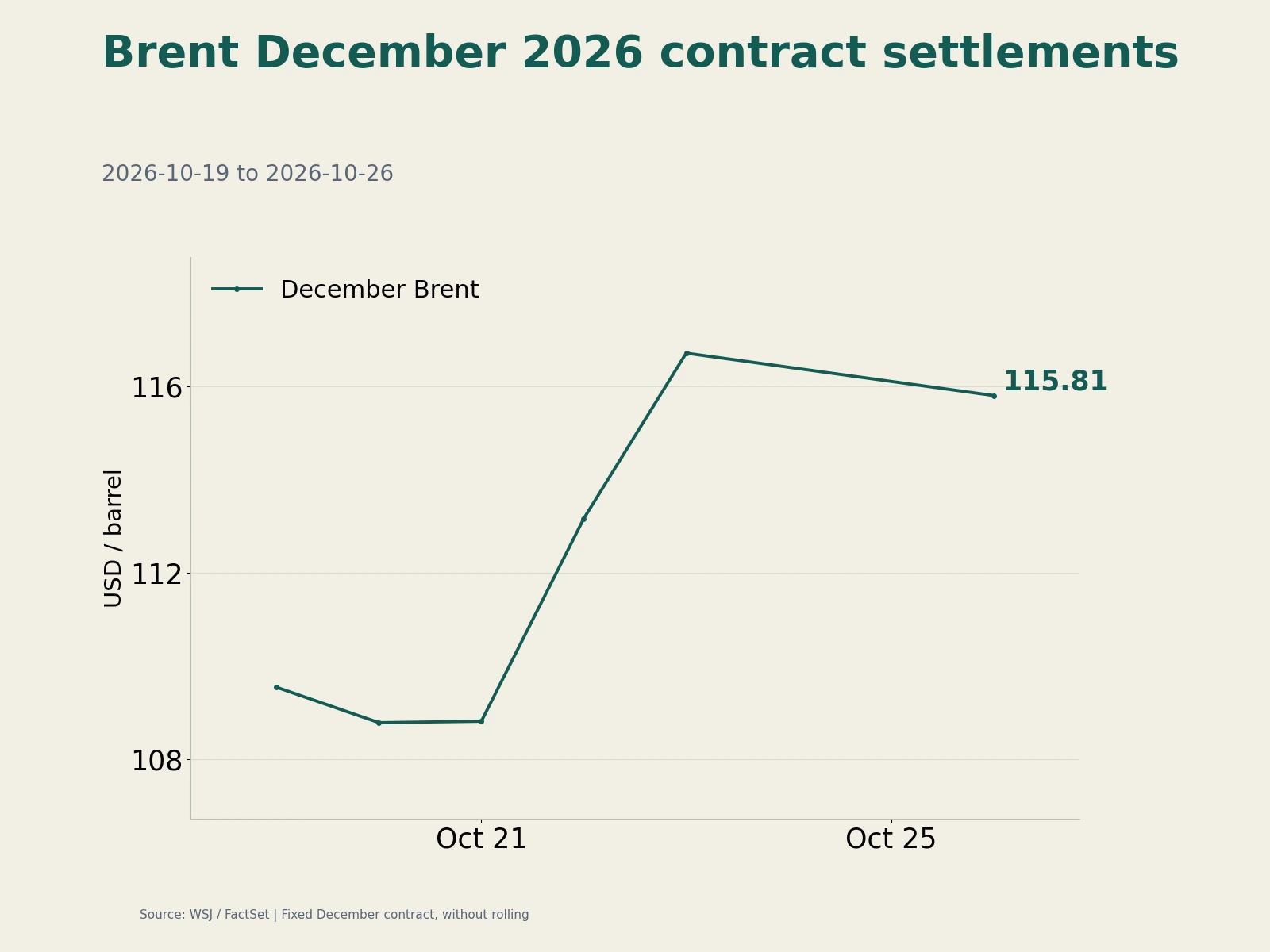
Month-end coincided with the November Brent contract's expiry. Reuters reported that December Brent, taking over as the front-month contract, traded at $98.03, up $1.87, or approximately 1.9%. Under backwardation, different delivery months inherently carry different prices; quotations for different months cannot be directly compared as if they represented gains or losses in the same contract.
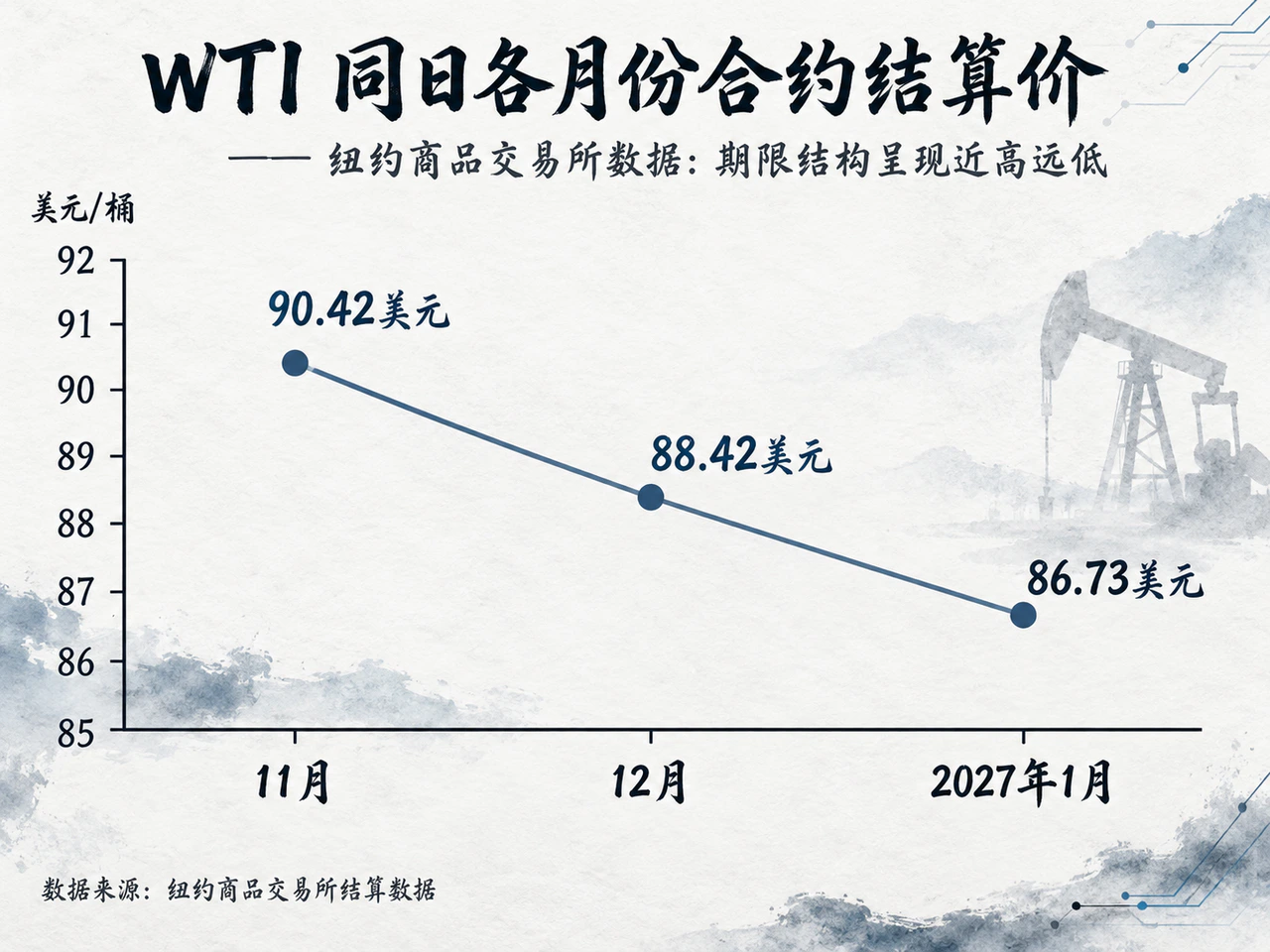
NYMEX settlement data put November and December WTI and January 2027 WTI at $90.42, $88.42 and $86.73, respectively, likewise showing higher nearby than deferred prices. The November premium over December narrowed $0.13 to $2.00 that day. Prompt premiums reflect relatively tighter current physical conditions, but a sustained narrowing could weaken the immediate-shortage rationale previously supporting prices.
Refinery Utilization Falls to 92.5%: Crude Builds 900,000 Barrels While Gasoline and Distillates Tighten
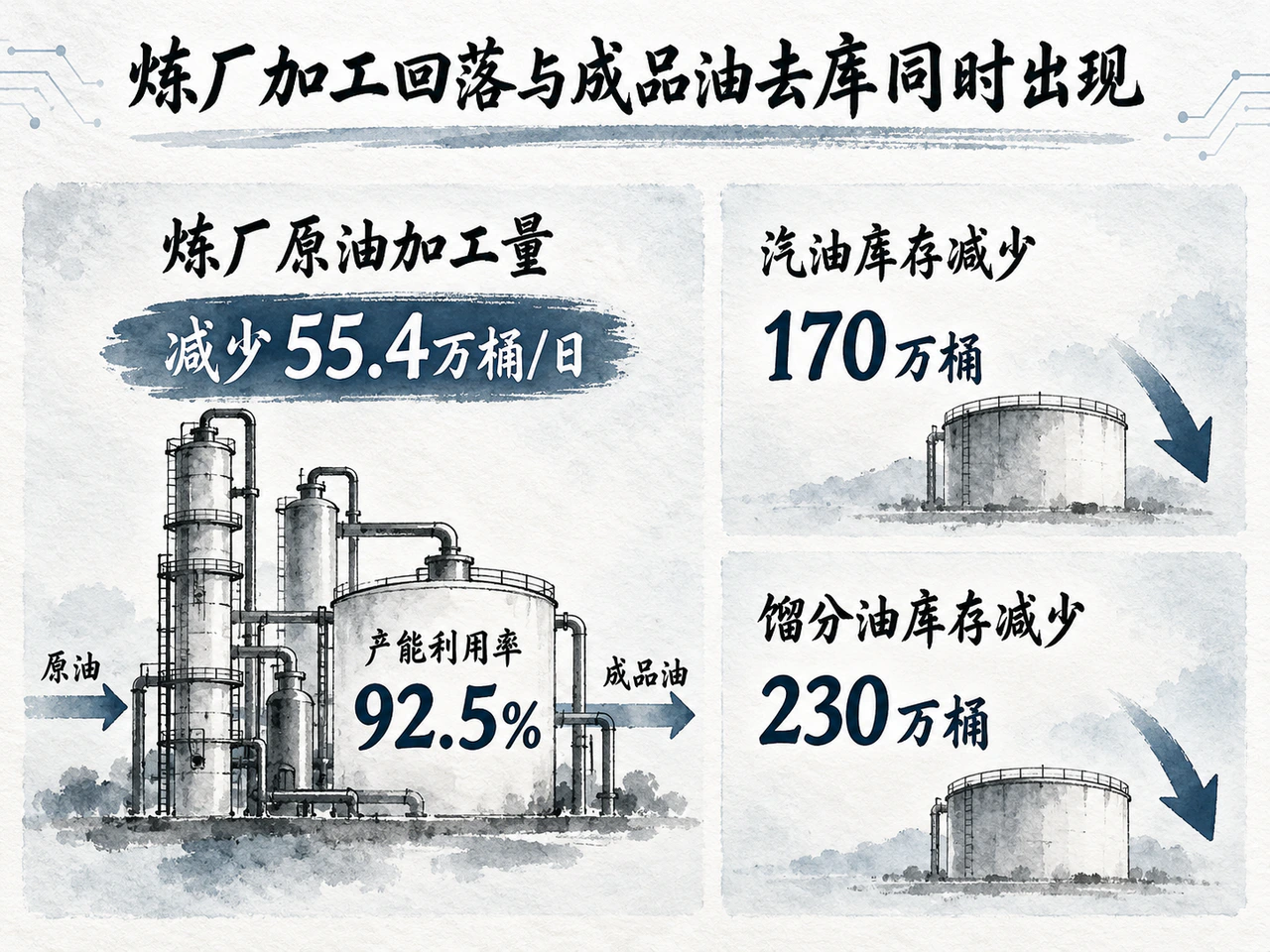
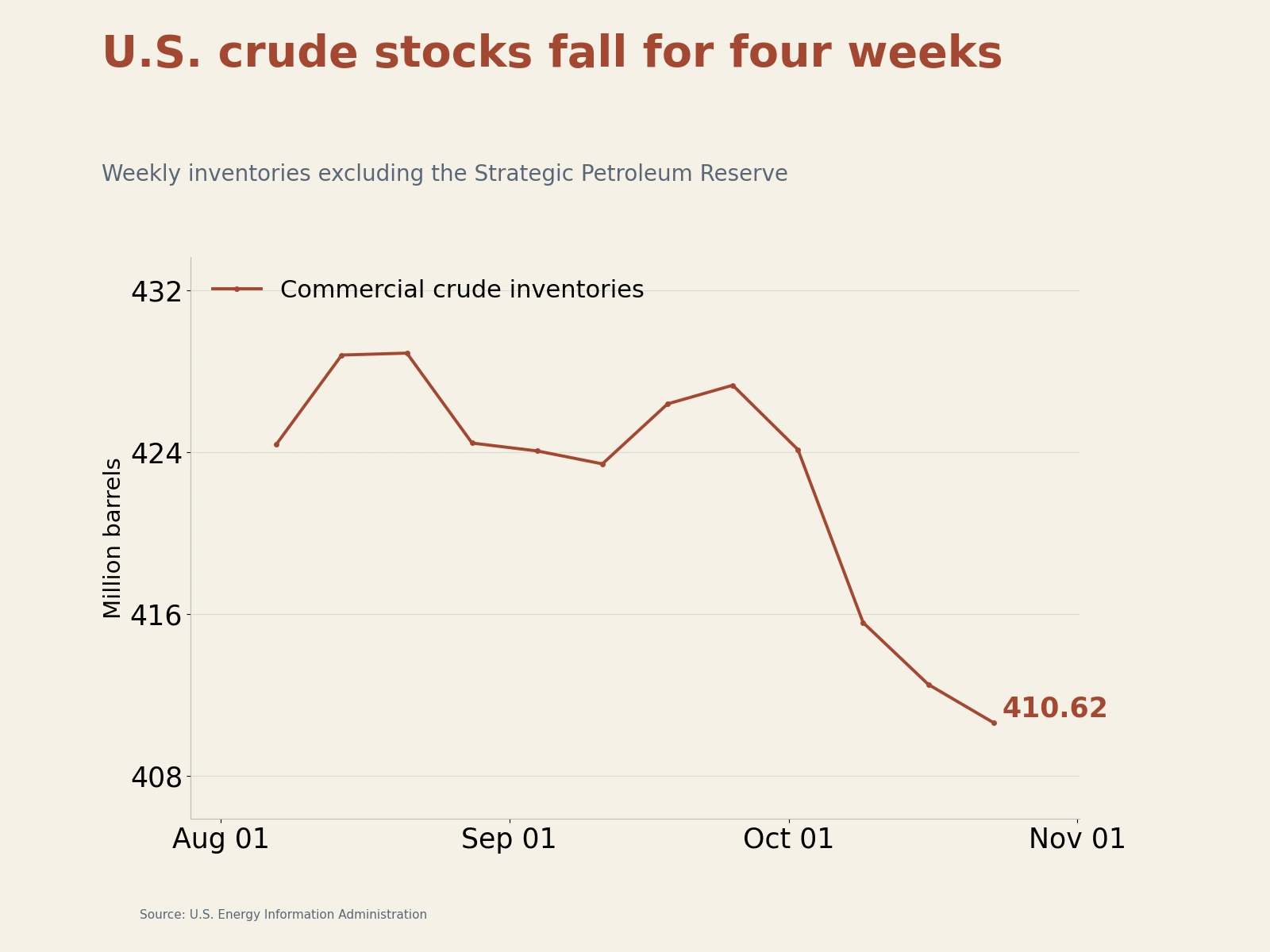
The EIA weekly inventory report released September 30 showed US commercial crude stocks increasing approximately 900,000 barrels to 427.3 million in the week ended September 25, around 2% above the five-year seasonal average. Downstream product inventories continued to draw sharply: gasoline fell 1.7 million barrels and distillates 2.3 million, leaving them approximately 7% and 14% below their respective five-year averages.
The key variable behind crude builds and fuel draws was a temporary decline in refinery throughput. US crude processing fell 554,000 barrels per day to 16.3 million bpd, while utilization slipped to 92.5%. Lower runs directly reduced upstream crude consumption and downstream replacement fuel output. Judging fundamentals as looser solely from a modest crude build would underestimate the supply-demand position in refined products.
End-user demand also showed resilience. Over the past four weeks, US petroleum products supplied, a demand proxy, rose 2.1% year on year. Gasoline supplied edged up 0.3%, while distillates, mainly diesel and heating oil, rose 5.2%. Whether recovering refinery throughput can generate substantive product inventory builds will be a key test of easing fuel tightness.
Gulf Oil Exports Recover to 23.3 Million Bpd: Middle East Logistics Improve, but Added Supply Awaits OPEC+ Confirmation

The main supply-side restraint on continued price increases comes from easing Middle Eastern logistics. Steady operation of Saudi Arabia's east–west pipeline and resumed loadings at Yanbu on the Red Sea substantially reduced obstacles to crude exports. Goldman Sachs estimated in a September 29 report that Gulf oil exports had recovered to 23.3 million bpd over the preceding week, broadly matching their 2025 average.
Recovery remained uneven among producers. Reuters cited sources on September 30 as saying the coming Sunday OPEC+ ministerial meeting leaned toward keeping November production targets unchanged, though the final decision was pending. Citing official OPEC data, the report said seven core members produced a combined 25 million bpd in August, still about 5 million bpd below pre-conflict February levels. Nominal quotas offer less guidance to the current physical market than the pace at which members restore actual extraction and cargo loadings within the existing framework.
The macro-financial environment also offered no one-way driver. The dollar index edged up approximately 0.09% that day, yet oil still rose, indicating the rebound was not driven by dollar depreciation. Geopolitically, US–Iran negotiations and possible sanctions adjustments affected forward expectations, but reports of substantive US concessions were subsequently denied. Diplomatic contacts had not yet translated into deliverable additional supply in the near term.
Four Supply-Demand Signals to Watch: Prompt Premiums and Refinery Activity Determine Resistance to Price Declines

Entering October, the contest between bulls and bears will center on four high-frequency indicators:
First, whether WTI's front-month premium over the second month keeps narrowing;
Second, whether gasoline and distillate stocks stop falling and rebuild as US refinery throughput recovers;
Third, whether loadings at Saudi Arabia's Yanbu port and overall Gulf exports remain at normal levels;
Fourth, whether actual production and loadings further close the gap after Sunday's OPEC+ meeting.
If the first three indicators improve together, accumulated near-term crude risk premiums could face unwinding and downward pressure. If logistics keep recovering but downstream fuel inventories continue falling, support for energy prices will remain more concentrated in refined products.