During September 28–October 4, international crude markets were pulled between two opposing forces. The restoration of Saudi Arabia's East–West pipeline and renewed loadings at the Red Sea port of Yanbu substantially increased Middle East exports, eased fears of geopolitical supply disruption and weighed on the overall oil-price level. Lower US refinery throughput alongside continued product inventory drawdowns, however, left diesel and other distillate stocks deeply tight and limited the decline. Just before the weekend, the G7 announced a coordinated release of 100 million barrels of strategic reserves, initially focused on diesel, shifting policy intervention toward fuel bottlenecks. Whether improved crude transport translates into relief in end-user fuel supply became the central issue for subsequent pricing.
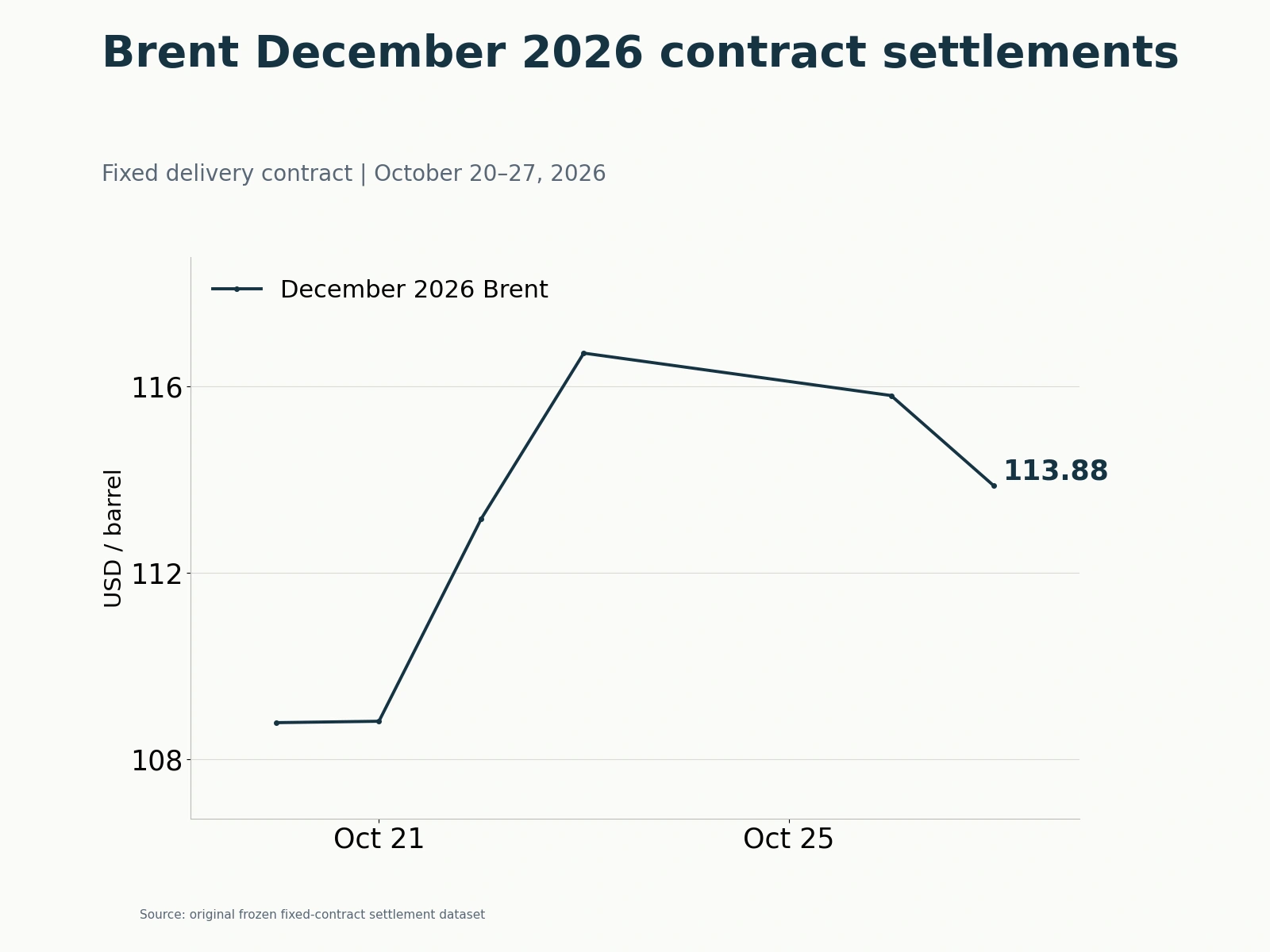
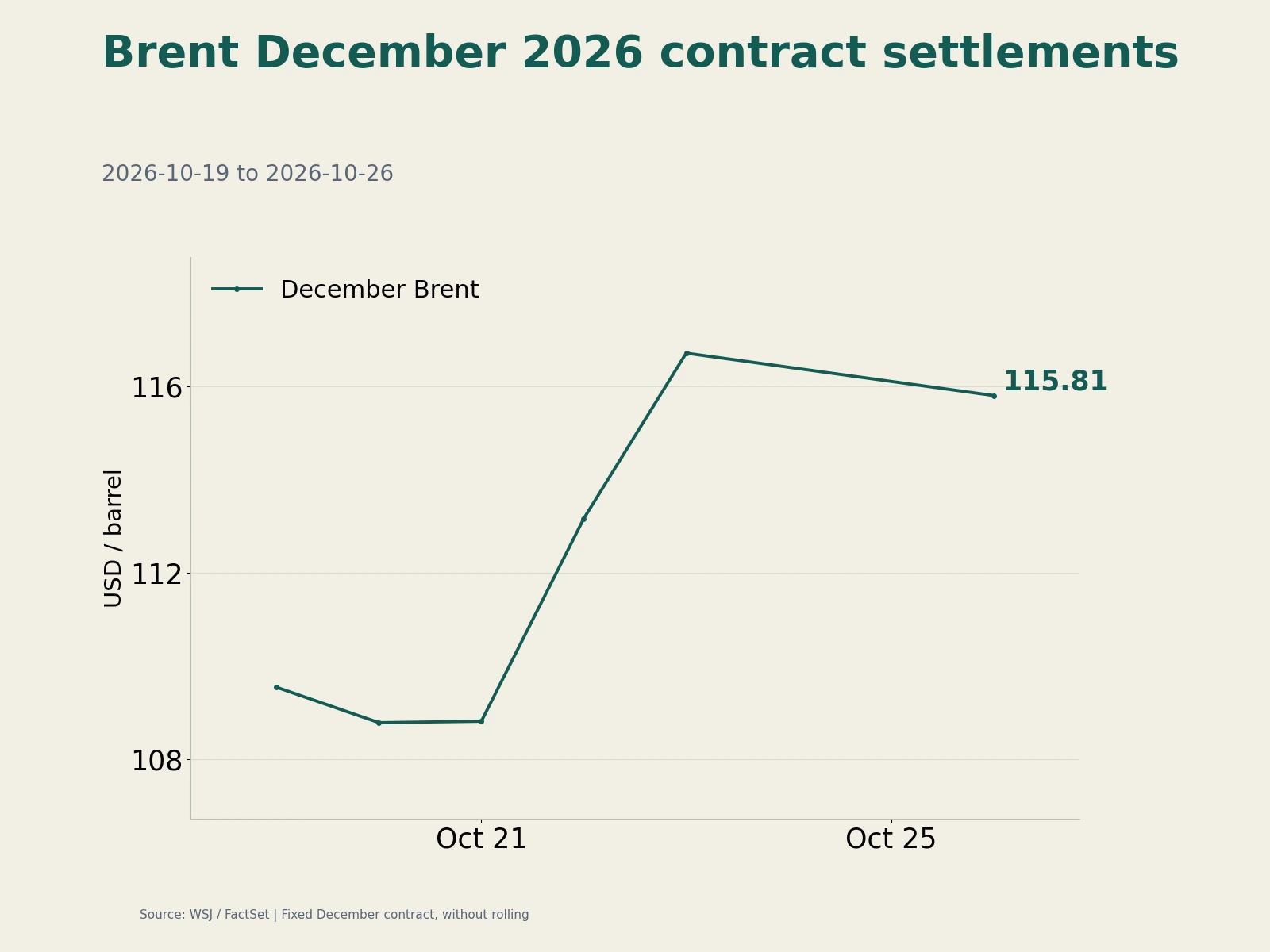
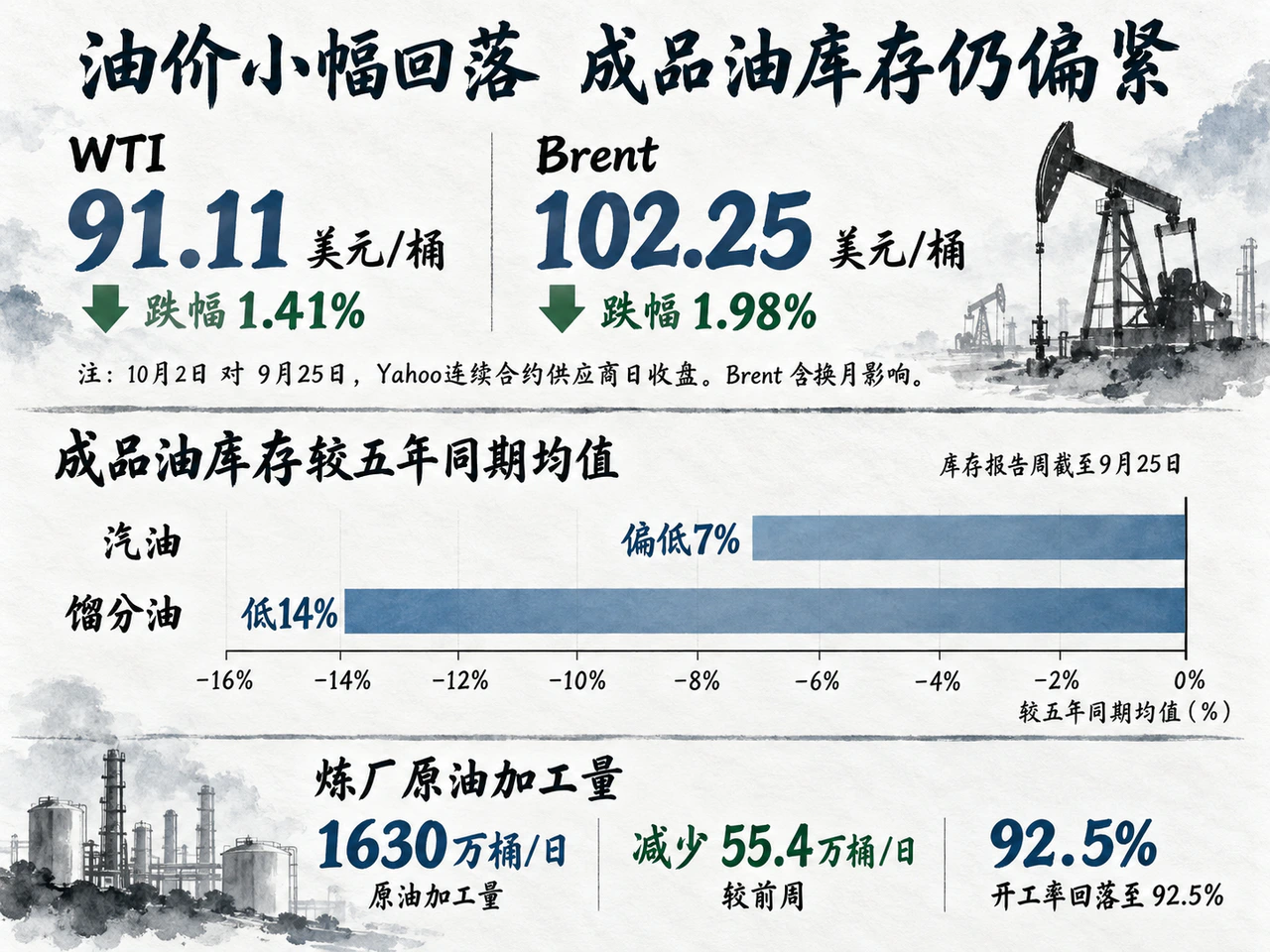
For the week's prices through October 2, Yahoo's continuous-contract provider showed WTI at $91.11 a barrel, down $1.30 or 1.41% from September 25. Its front-month contract at week-end was November. Brent was $102.25, down $2.07 or 1.98%, with December as the week-end front month. Brent's active contract switched from November to December during the week, so the continuous series includes the roll basis and cannot be treated as the uninterrupted settlement-price movement of one contract.
Trading was particularly turbulent. WTI stabilized after a Tuesday close of $89.38, rebounded to $92.87 on Thursday and gave back gains under pressure on Friday. Continuous Brent fluctuated lower from Monday's $105.28 to $102.25 at week-end. Easing supply concerns interrupted the earlier uptrend early in the week, but structural product shortages provided firm support midweek.
Yanbu's Restart Lifts Middle East Exports as US Refinery Runs Fall and Distillates Remain 14% Below Average
The marginal easing of crude-shortage expectations reflected better actual loading data. Reuters, citing shipping data and trading sources, reported that Yanbu resumed tanker loadings after Saudi Arabia's East–West pipeline returned to operation, providing a key export route bypassing Hormuz. Kpler data cited by Reuters put Middle Eastern producers' September crude exports at 16.328 million barrels a day, the highest since the conflict began in late February. More seaborne shipments improved the availability of deliverable crude in transit. The export rebound did not yet demonstrate a recovery in upstream production capacity or establish that shipping through Hormuz as a whole had normalized.
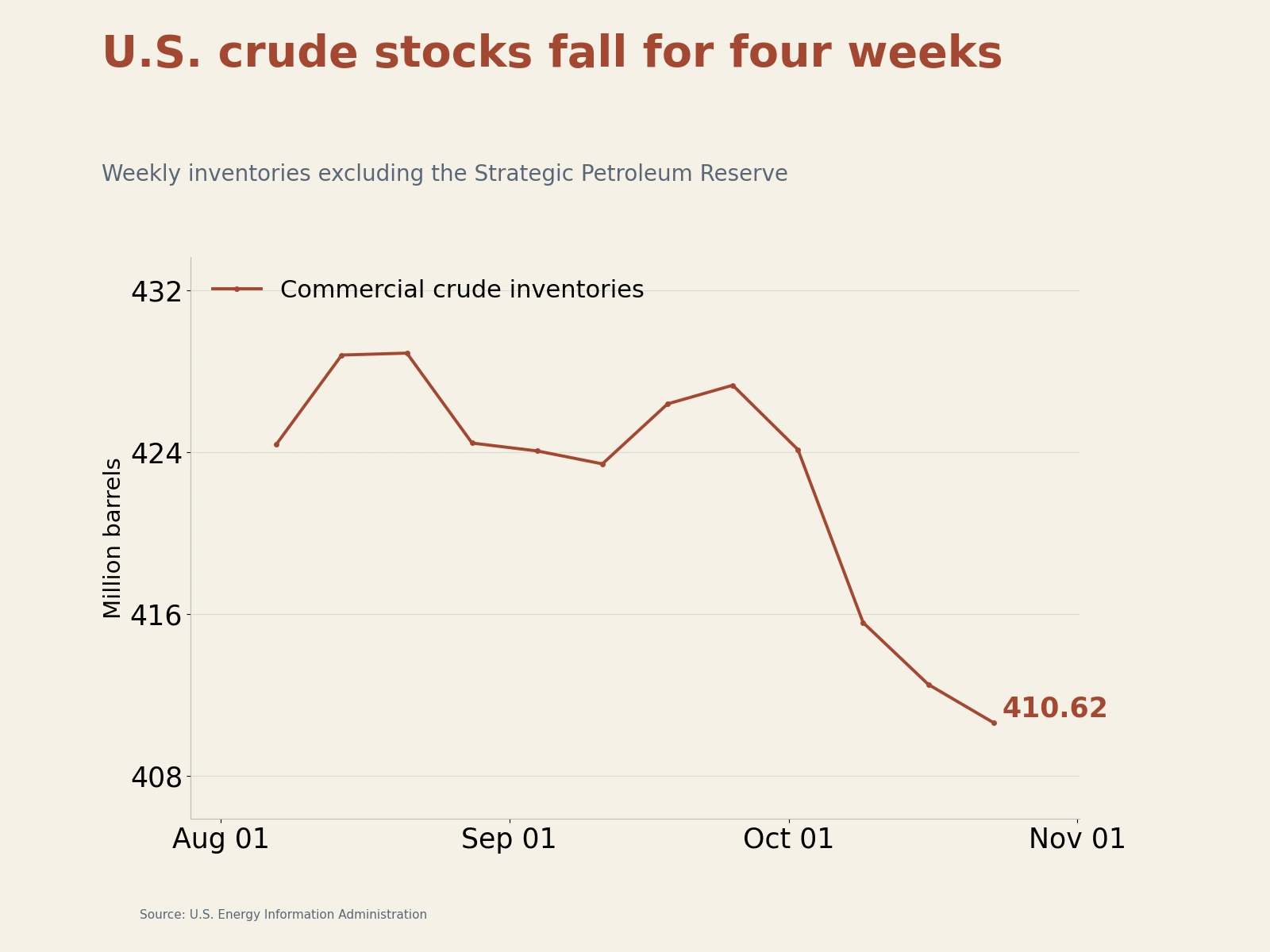
Across the Atlantic, EIA inventory data released September 30 for the week ended September 25 showed the continued fragility of downstream supply. US commercial crude inventories excluding strategic reserves rose about 900,000 barrels to 427.3 million, 2% above the five-year seasonal average. Product inventories drew down faster: gasoline fell 1.7 million barrels to 7% below average, while distillates fell 2.3 million barrels to 14% below average. Dow Jones, citing EIA, noted that US crude output remained around 14 million barrels a day, but refinery crude runs fell 554,000 barrels a day to 16.30 million and utilization declined to 92.5%.
The small crude build therefore did not indicate an across-the-board easing in supply and demand. Mechanically, lower refinery runs can create a mismatch between accumulating feedstock and falling product inventories. EIA's four-week average apparent distillate demand, measured by product supplied, was up 5.2% year on year. Although this is a demand proxy rather than an end-user measure, it supports continued resilience in downstream fuel demand. Refining bottlenecks may thus have contributed to inventory declines, rather than a broad contraction in demand.
The crude curve likewise reflected physical-market conditions. Commodity Context analyst Rory Johnston noted in his October 2 weekly report that prompt spreads had eased from Monday's highs but the curve remained markedly backwardated. Traders had reduced the panic premium for extreme disruption but were still willing to pay extra to secure near-term delivery. A narrower prompt premium indicates less immediate panic, rather than the complete disappearance of physical supply pressure.
G7 Coordinates a 100-Million-Barrel Release With Diesel Priority as Institutions Differ Over Effective Delivery
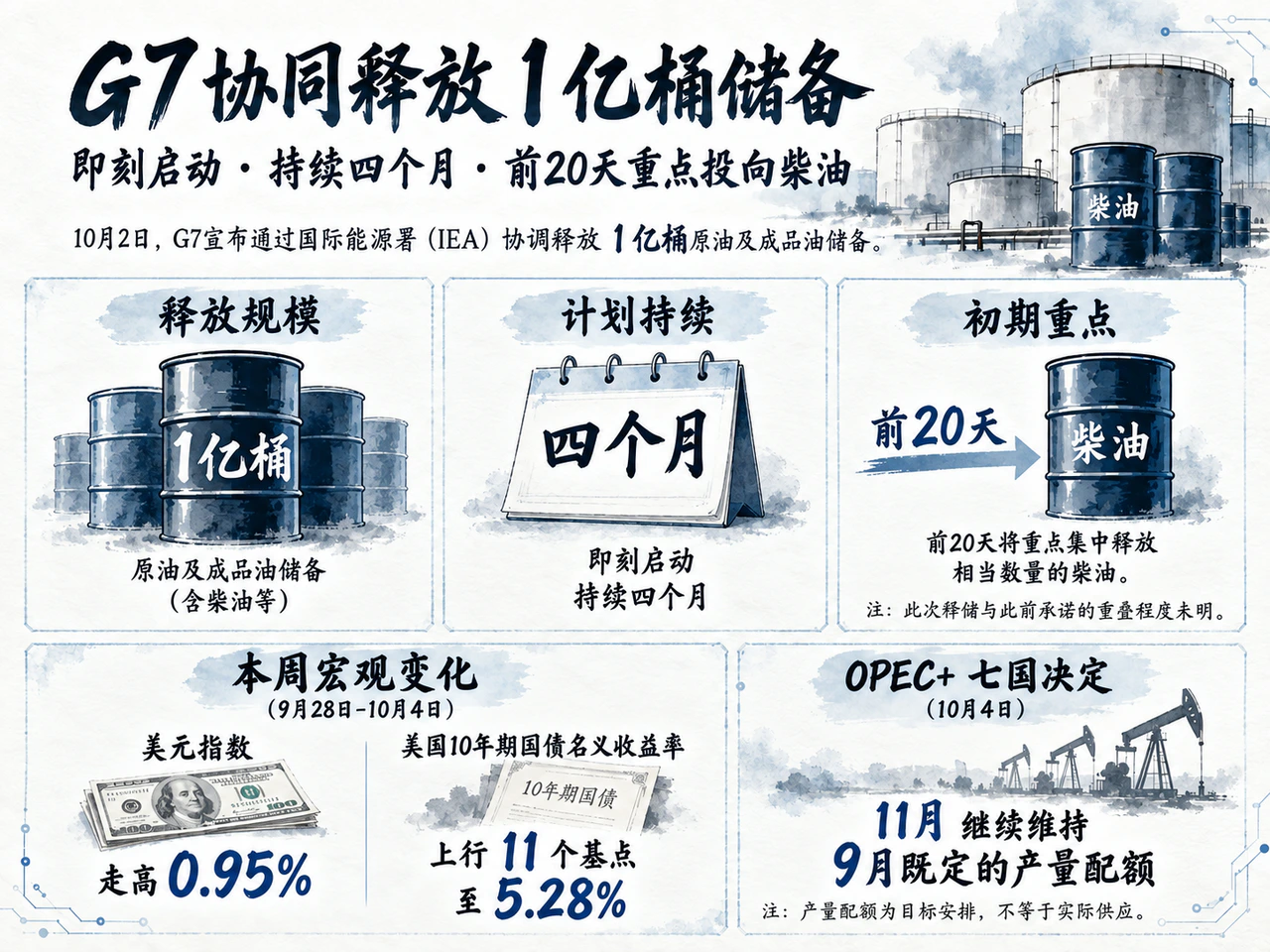
Policy intervention advanced quickly ahead of the weekend in response to worsening fuel shortages. On October 2, the G7 announced an IEA-coordinated release of 100 million barrels of crude and product reserves, beginning immediately and lasting four months, with substantial diesel releases concentrated in the first 20 days. Members also pledged not to impose energy-export barriers on one another. Trump stated that day that the United States would not ban diesel exports, marginally reducing Europe's risk of losing US diesel imports.
The 100 million barrels cannot be equated with entirely new crude supply. Reuters noted that the official G7 statement had not specified national quotas or the product breakdown, and the overlap with earlier reserve-release commitments remained unclear. Strategic releases can ease immediate liquidity tightness, but cannot overcome physical refining bottlenecks or replace long-term upstream production capacity.
Banks and researchers differed significantly over the durability and effectiveness of supply recovery. Capital Economics argued that continued recovery in Middle East seaborne exports combined with reserve releases could even bring a modest global oil surplus. Barclays was more cautious, emphasizing continuing global inventory drawdowns and high physical spot premiums, and raising its fourth-quarter average Brent forecast by $20 to $115 a barrel. Their disagreement essentially concerned whether additional crude loadings and emergency deliveries could actually cover the fuel shortfall in the fourth quarter.
The macro-financial environment also pressured commodities through the week. The dollar index rose 0.95% on the provider's closing series, and the nominal US 10-year Treasury yield increased 11 basis points to 5.28%. A stronger dollar raised procurement costs for non-US buyers, while higher nominal rates increased financing costs for physical inventories, creating a financial counterweight to prices.
On producer policy, seven participating OPEC+ countries announced October 4 that November would retain the production quotas set for September. This occurred after the week's market trading and therefore did not explain its price moves. Target output also differs from actual supply, which still depends on restored transport and production.
Four signals will determine whether oil can establish a sustained decline. First, can Yanbu loadings and Hormuz traffic keep recovering, confirming the reliability of upstream supply improvements? Second, what product mix, national allocations and initial physical deliveries emerge from the G7 release, establishing the effective additional supply? Third, can US refinery runs and distillate inventories stabilize and recover together, signaling a turn in fuel bottlenecks? Fourth, do prompt crude spreads and diesel cracks converge in a way that confirms physical premiums are receding? If Middle East crude shipments keep improving while downstream fuel stocks keep reaching new lows, deeper supply-demand tensions will continue limiting oil's correction.