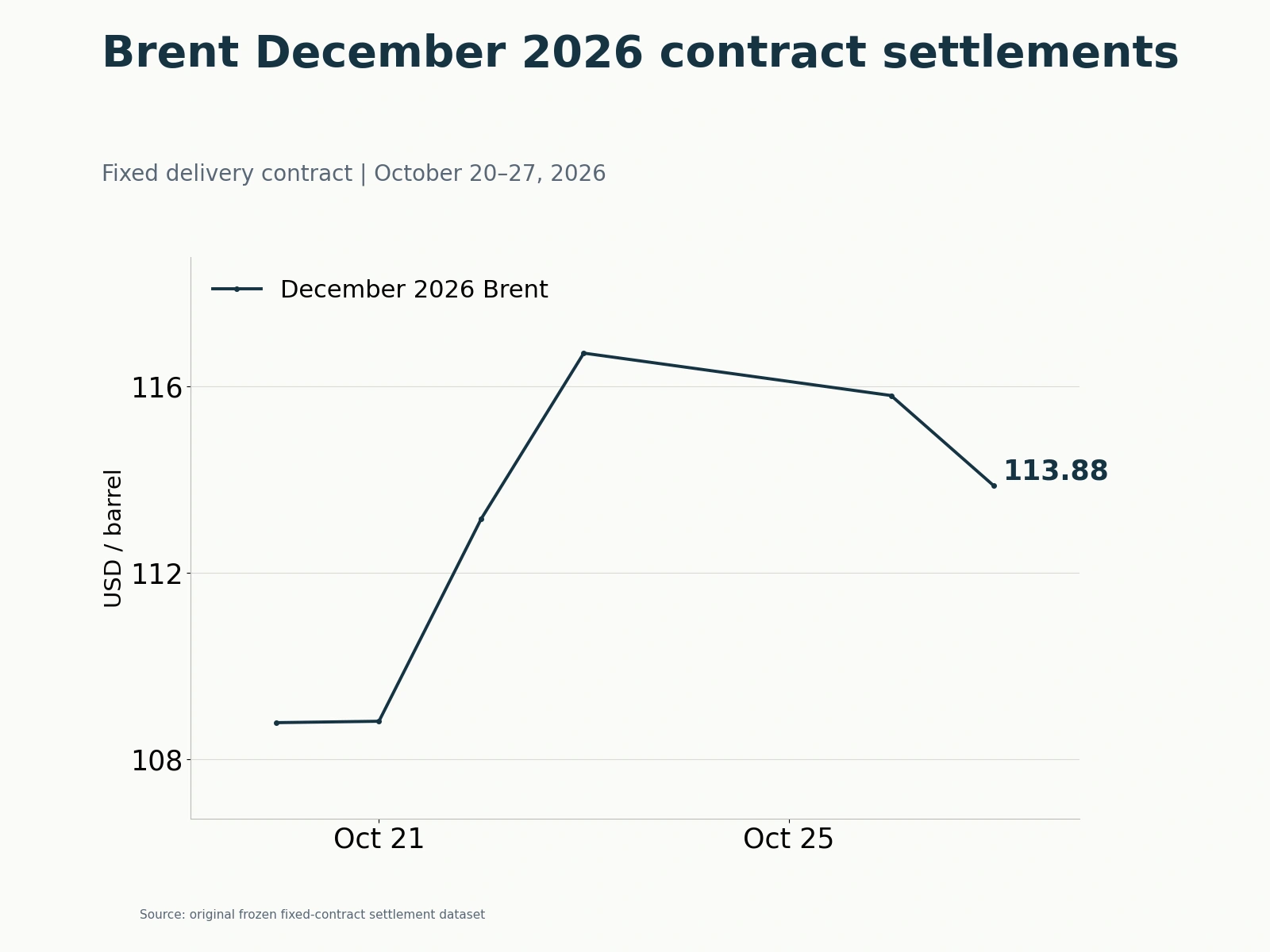
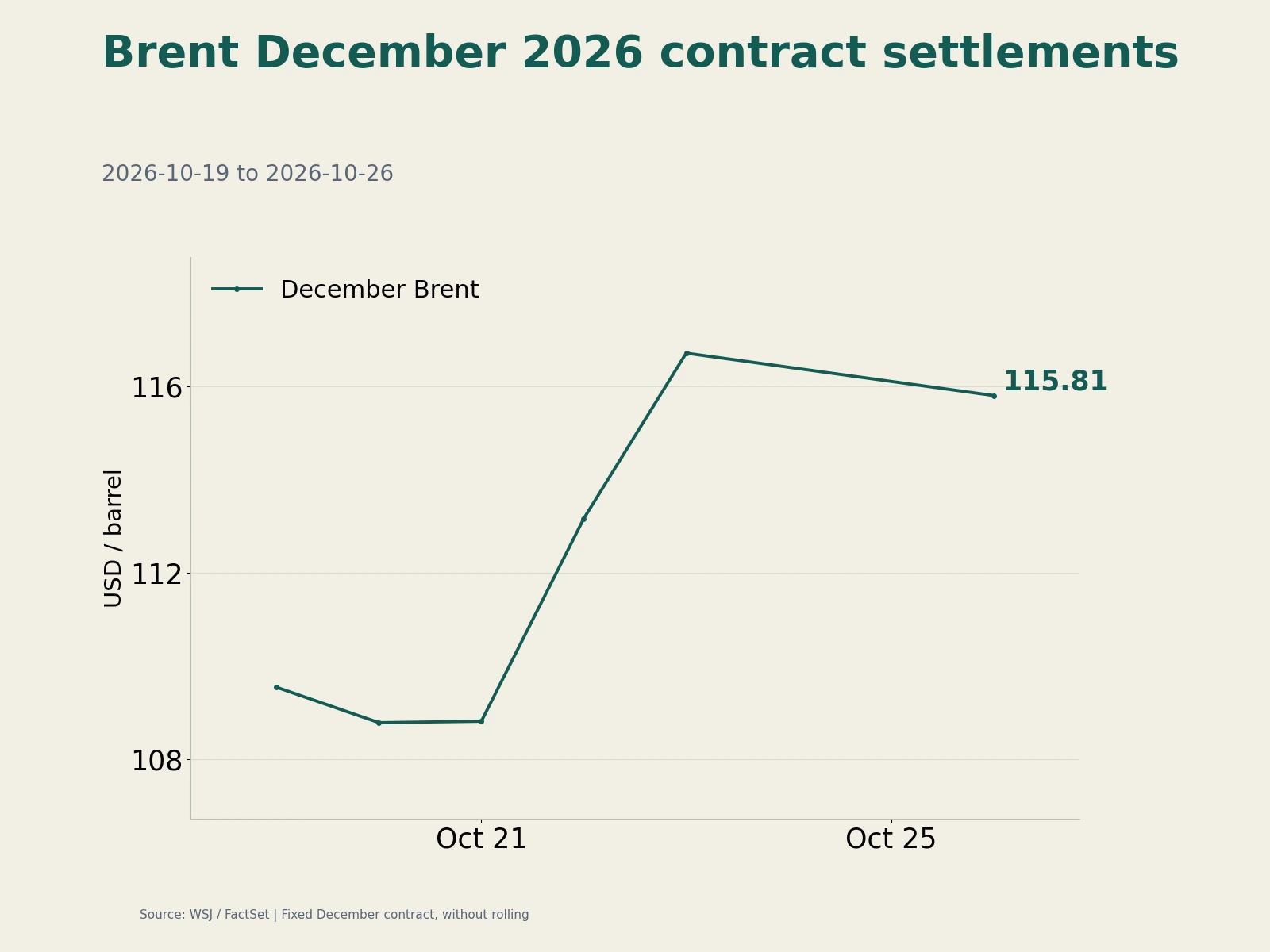
Oil prices diverged amid volatility on October 7 as competing influences interacted. By the morning of October 8, Beijing time, Yahoo continuous-contract provider daily closes showed WTI down $0.57 (-0.64%) at $88.87 a barrel and Brent up $0.34 (+0.34%) at $100.92. Reuters' contract settlement figures put WTI at $88.28 (-1.30%) and Brent at $100.20 (-0.38%). The central market question was whether previously pledged crude and diesel reserves could be delivered faster as planned, and whether those additional supplies could offset potential production interruptions.
Faster reserve releases, with diesel prioritized

A key policy development arrived on October 7, when the IEA announced unanimous member support for completing as quickly as possible the approximately 100 million barrels of reserve releases still outstanding under March's collective action, prioritizing diesel wherever possible. This accelerated an existing commitment rather than creating a new additional quota. Its actual ability to stabilize the market still depended on subsequent delivery rates and the allocation between crude and diesel.
Prioritizing finished diesel has a direct transmission mechanism: supplying end users while bypassing crude processing can reduce importing regions' urgent need for higher refinery output and transoceanic shipments, including in Europe, and thereby ease spillover dependence on U.S. supplies. Again Capital partner John Kilduff said Europe was the center of the current tightness and reserve releases would help ease pressure on U.S. supply. Strategic inventories offer only a transitional buffer, however; fundamental improvement still depends on actual refinery output and the efficiency of seaborne transport.
Refinery runs and exports drive crude drawdowns; product stocks do not fall as expected
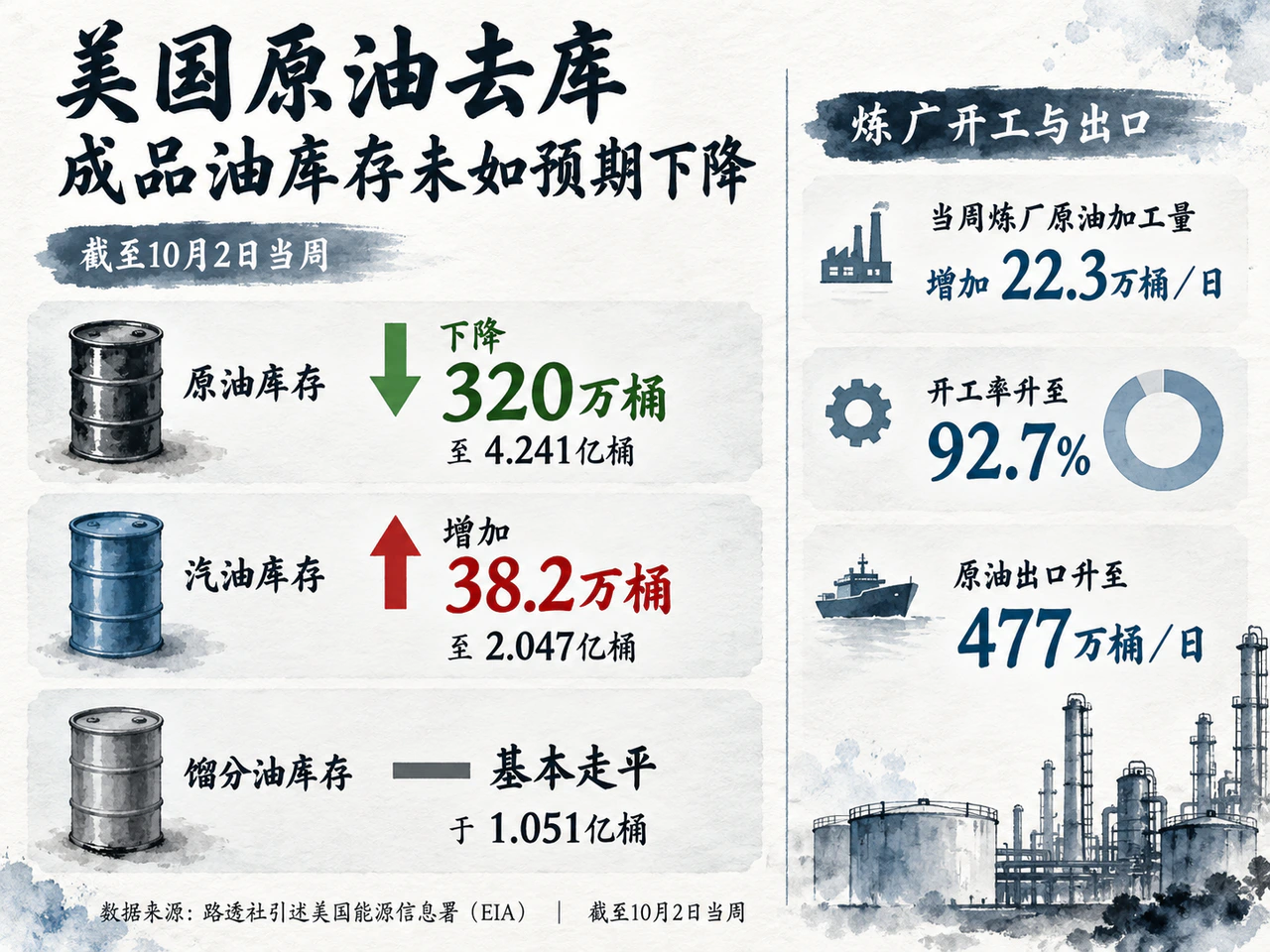
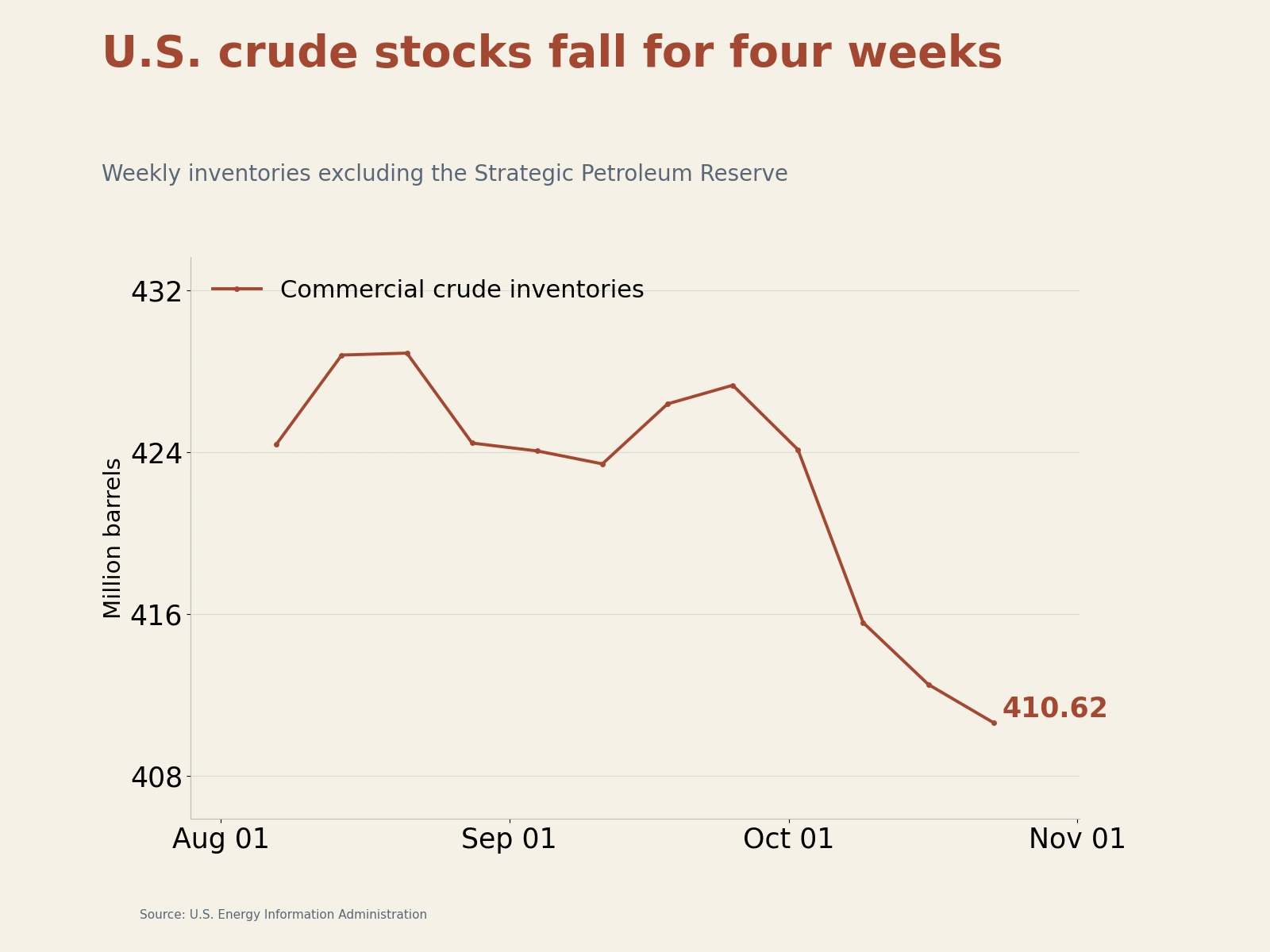
The official U.S. inventory report released that day contained mixed signals. Reuters cited EIA data for the week ended October 2 showing commercial crude inventories unexpectedly falling by 3.2 million barrels to 424.1 million, versus an expected increase of 1.7 million. The draw was mainly driven by greater downstream processing and stronger exports: refinery crude runs rose by 223,000 barrels a day, utilization reached 92.7%, and crude exports increased to 4.77 million barrels a day.
In contrast to the unexpectedly large crude draw, downstream products changed more moderately. Gasoline inventories rose by 382,000 barrels to 204.7 million, and distillate stocks were broadly flat at 105.1 million; the significant drawdowns expected by the market did not materialize. The failure of product stocks to fall weakened the case for chasing oil higher solely on crude drawdowns. Still-low inventories did not indicate that fuel supply had become loose, however.
Middle Eastern export averages recover modestly, while prompt premiums remain tight
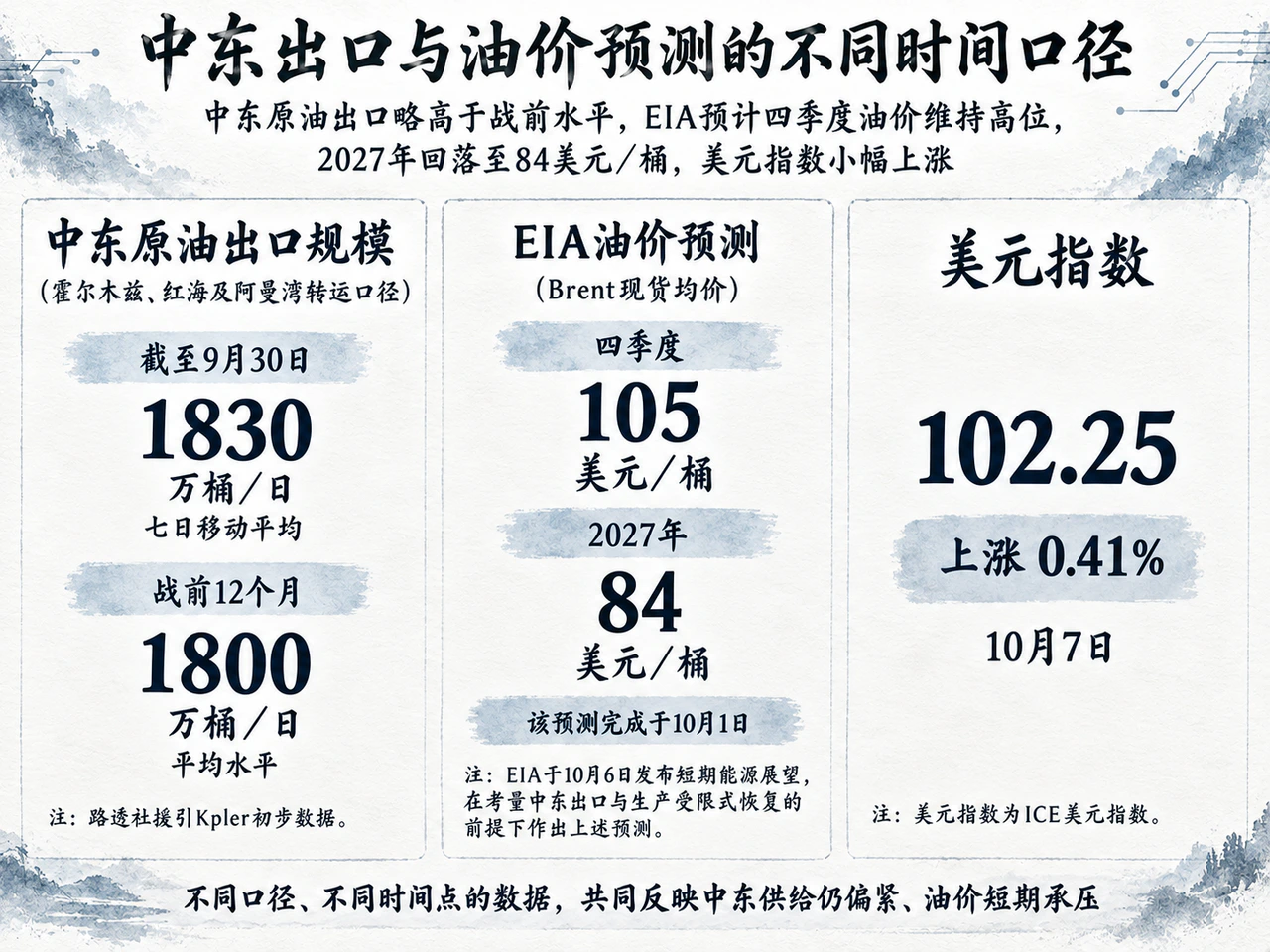
Supply was in a phase of orderly recovery alongside persistent bottlenecks. On October 4, seven participating OPEC+ countries decided to maintain September's required production levels in November. With quotas unchanged, previously disrupted export routes were gradually recovering. Reuters cited preliminary Kpler data showing the seven-day moving average of Middle Eastern crude exports, including Hormuz, Red Sea and Gulf of Oman transshipment routes, at 18.3 million barrels a day as of September 30, slightly above the roughly 18 million average over the 12 prewar months.
Earlier term structures had already reflected tight physical supply. On October 6, Rigzone relayed SEB analysis showing Brent's November contract trading at an average premium of about $6.5 a barrel over December in the last three trading sessions before October 1. That high prompt premium reflected the physical tightness at the time.
In its October 6 Short-Term Energy Outlook, the EIA likewise maintained a baseline of tight fourth-quarter supply and demand. Assuming a constrained recovery in Middle Eastern exports and production, it forecast average Q4 spot Brent at $105 a barrel. As export routes improved and inventories rebuilt, the 2027 average was expected to fall to $84. The forecast was completed on October 1 and excluded subsequent G7 arrangements and this acceleration of IEA releases.
Gulf of Mexico storms threaten production as financial conditions add marginal pressure

Extreme weather introduced a potential variable into supply recovery. OilPrice reported on October 7 that Chevron, Shell and BP had begun evacuating Gulf of Mexico platform personnel. Chevron was then evacuating only nonessential workers, with offshore production operating normally. Storm effects on the supply chain are asymmetric: disruptions mainly to offshore fields directly reduce crude output, while damage to coastal refineries may restrain crude-processing demand and raise product crack spreads.
Macro-financial conditions offered no clear directional support. The dollar index rose 0.41% to 102.25 on the provider's October 7 daily closing basis, raising purchasing costs for non-U.S. buyers through exchange rates. Short- and long-term Treasury yields diverged narrowly: the 2-year fell 2 basis points and the 10-year edged up 1 basis point, offering no clear signal of liquidity-driven support.
Key developments to watch
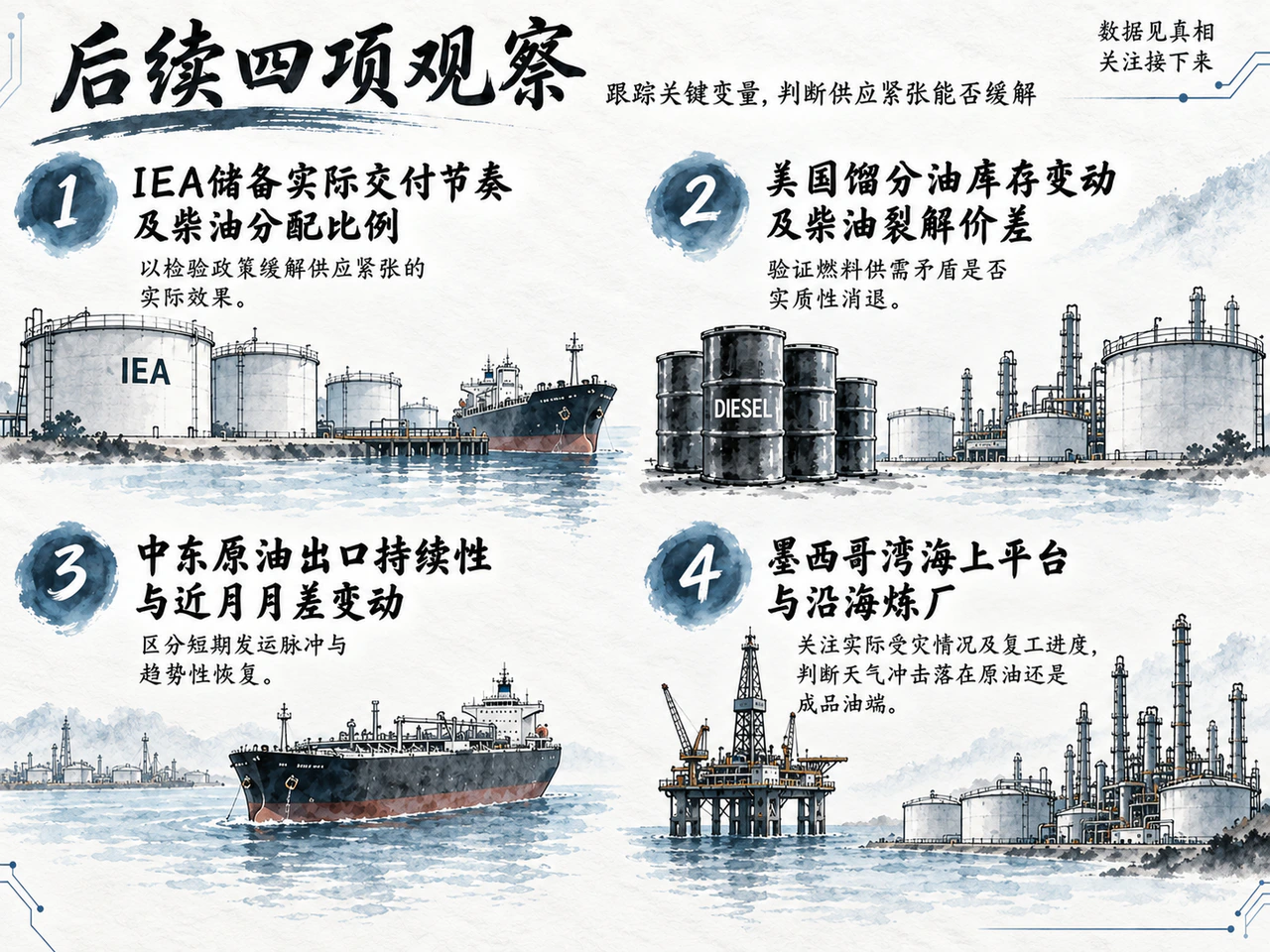
In the near term, crude markets face a tug-of-war among faster fulfillment of existing reserve commitments, a modest Middle Eastern logistics recovery and potential extreme-weather threats. Subsequent price moves require attention to four key dimensions:
- The pace of actual IEA reserve deliveries and the share allocated to diesel, to assess whether policy effectively eases supply tightness;
- Changes in U.S. distillate inventories and diesel crack spreads, to establish whether fuel imbalances are genuinely subsiding;
- The persistence of Middle Eastern crude exports and changes in prompt calendar spreads, to distinguish temporary shipment surges from a sustained recovery;
- Actual damage to Gulf of Mexico offshore platforms and coastal refineries and the pace of restarts, to determine whether the weather shock affects crude or products.