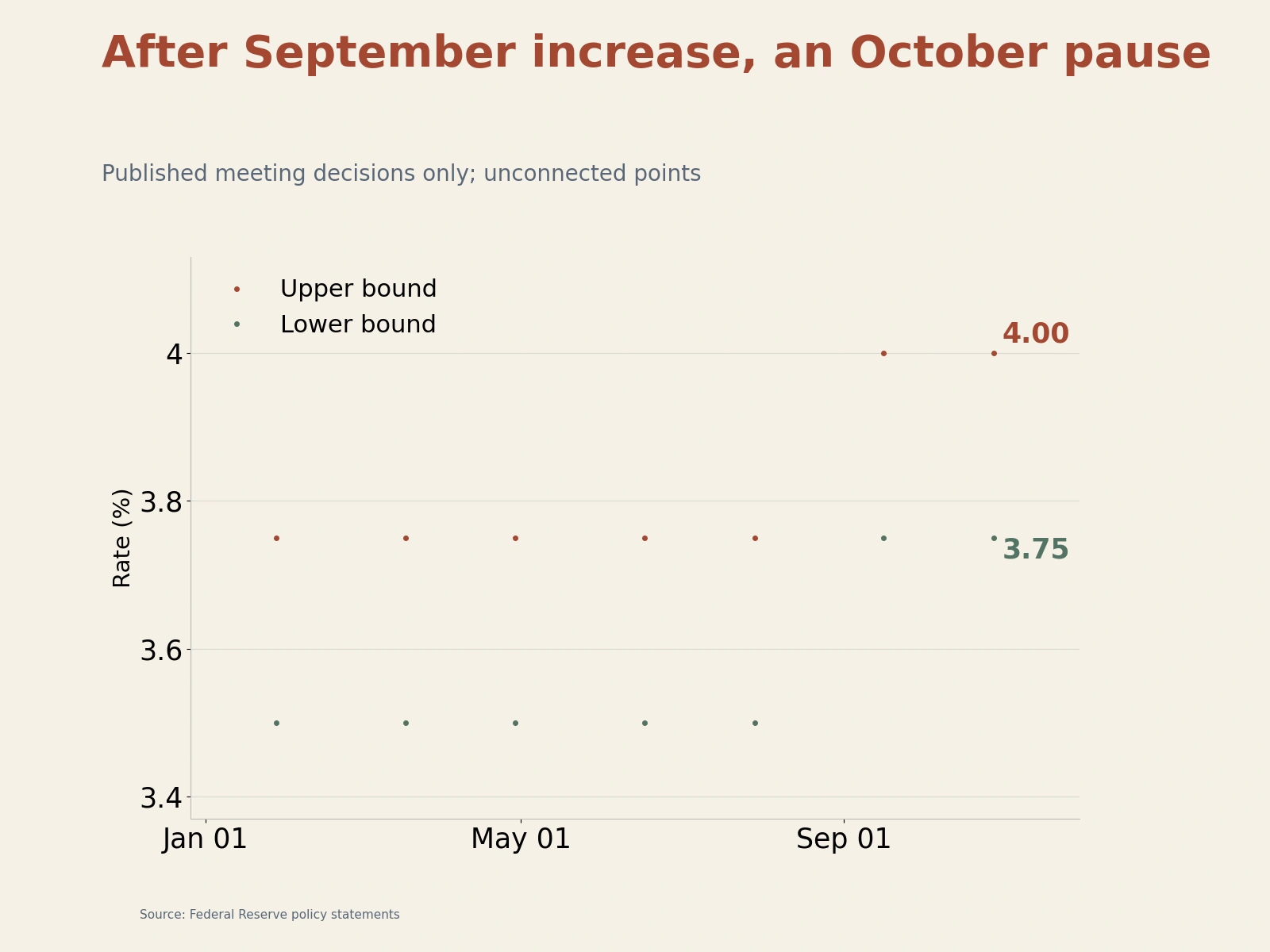
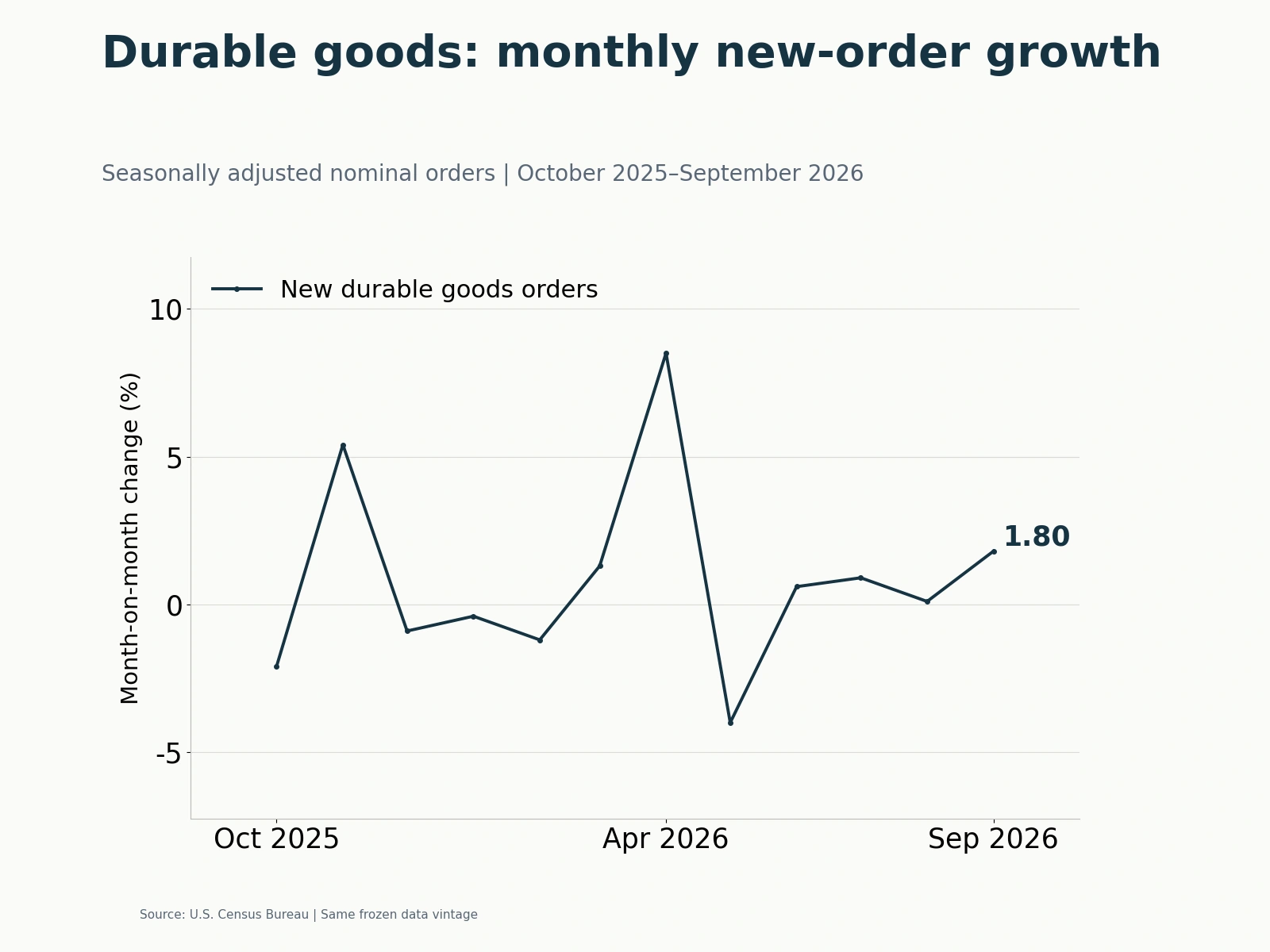
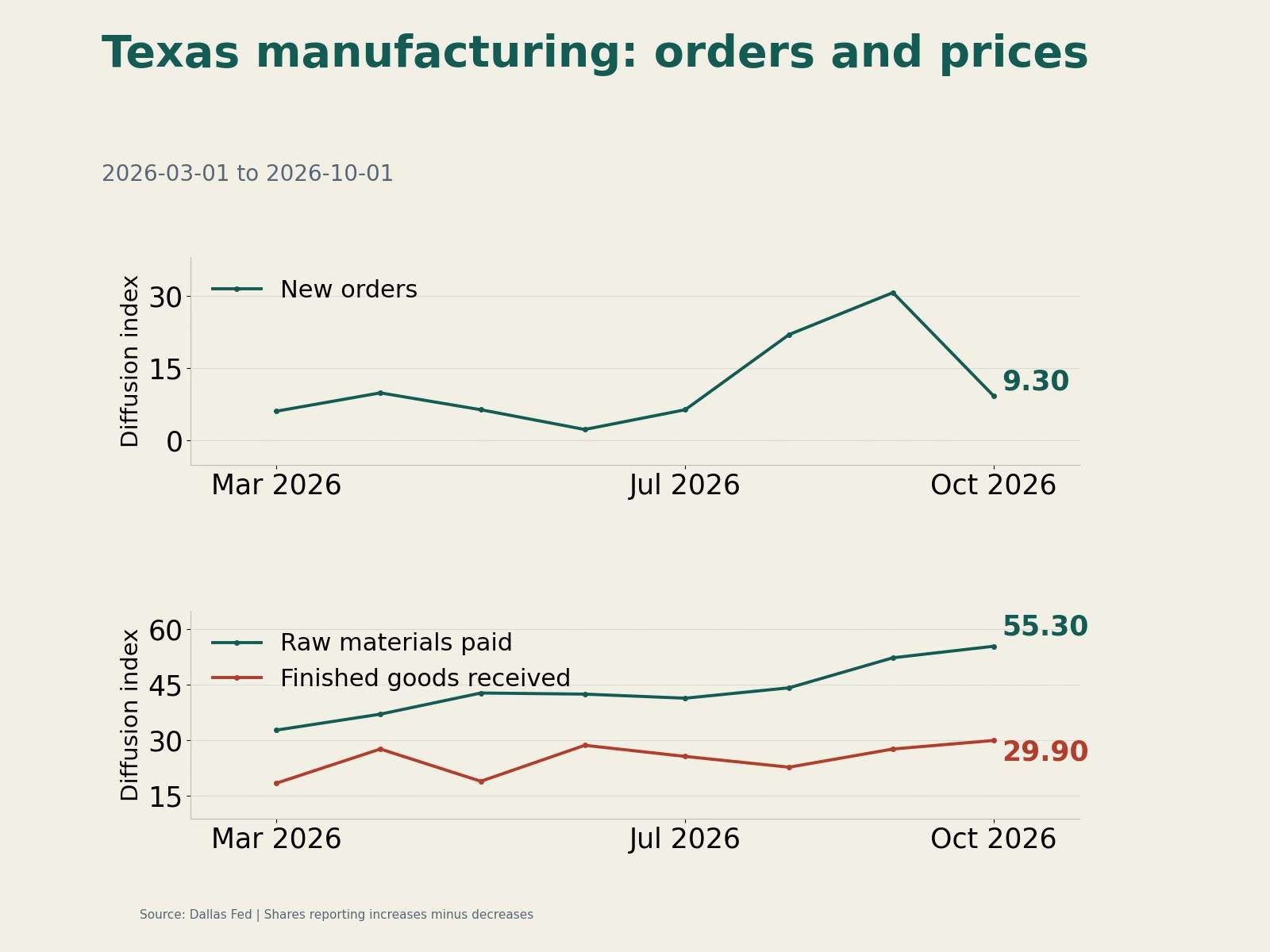
As of the morning of October 9, Beijing time, new comments from Fed officials further clarified the policy emphasis: inflation still requires the restraint of higher rates, but the timing leaves room to observe data. On September 16, the Fed raised the federal funds target range by 25 basis points to 3.75%–4.00%. On October 8, Governor Waller and St. Louis Fed President Musalem both signaled tightening while emphasizing that the next hike need not come immediately at the October meeting.
Officials Support Further Tightening but Play Down the Need for Consecutive Hikes

At the Istanbul Economic Forum hosted by Turkey's central bank, Waller said he expected further rate increases if economic data continued meeting expectations, to return inflation to the 2% target more promptly. Those increases need not occur at consecutive meetings; they could take place within an appropriate time window. His published Fed speech showed concern that persistently high energy costs, price pressure on some technology products from AI construction, and possible new tariffs would create greater resistance to disinflation.
On policy guidance, Waller emphasized that projections communicate the medium- and long-term direction of rates, while data determine the timing and size of individual adjustments. Holding rates unchanged at one meeting is therefore compatible with further tightening later. The central questions for markets are how long the interval between increases will be and whether inflation improves enough to fundamentally reshape the hiking path.
At a Bloomberg event in New York that day, Musalem said bringing inflation to target in about 18 months would require further rate increases at appropriate points over the next six to nine months. Reuters reported that he did not prejudge the action at the October 27–28 meeting. Musalem has no FOMC vote this year, but his view echoed Waller's: relatively strong growth and stable employment give the Fed room to prioritize inflation, while preserving flexibility over the pace at individual meetings.
Employment Data: Initial Claims Edge Down to 197,000 as Labor-Market Resilience Continues
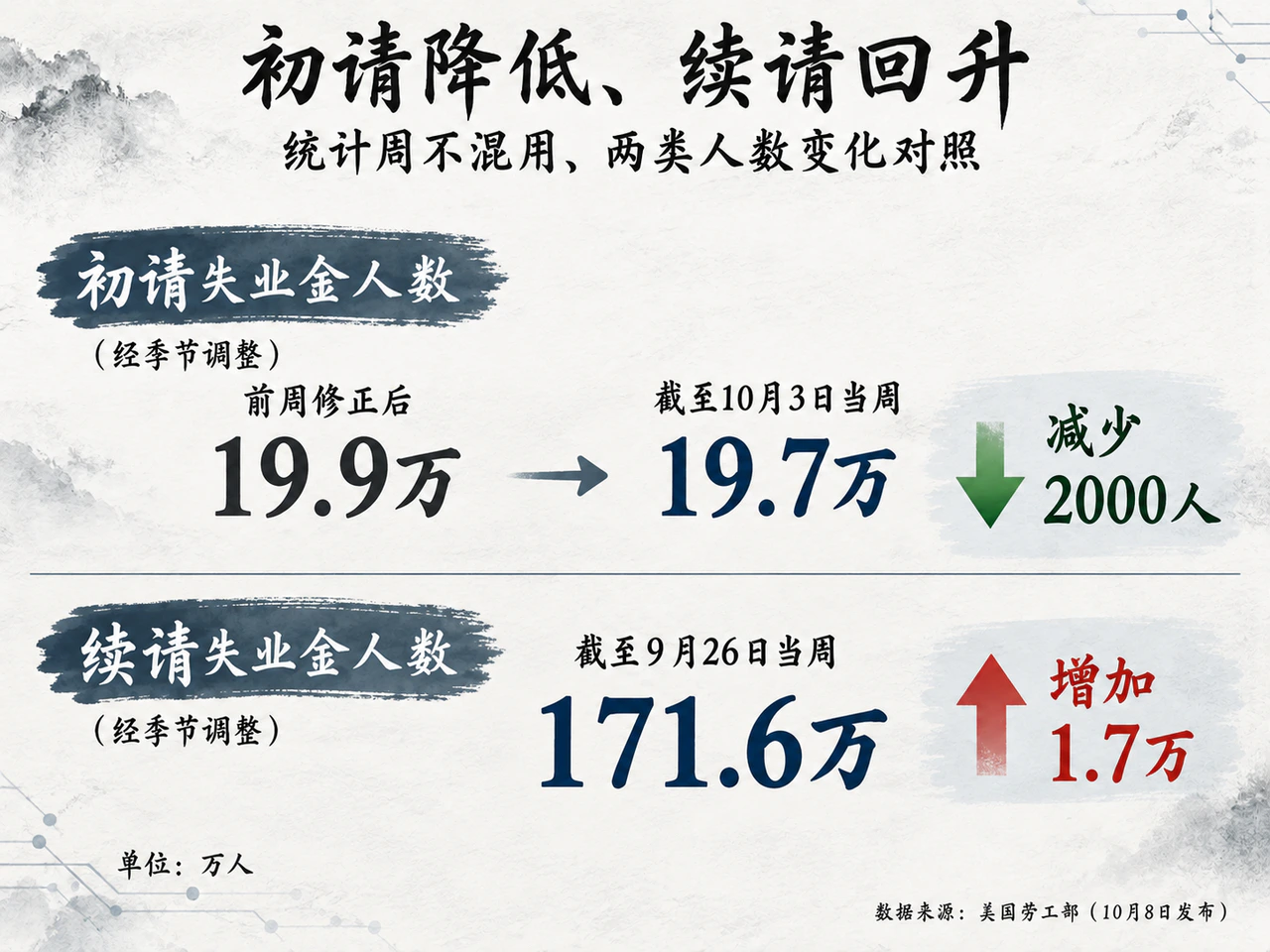
Employment figures released the same day supported a measured approach to observing the data. The Labor Department reported on October 8 that seasonally adjusted initial claims were 197,000 in the week ended October 3, down 2,000 from the previous week's revised 199,000. The four-week moving average fell to 198,000. Continuing claims, however, increased by 17,000 to 1.716 million in the week ended September 26.
Low initial claims suggest corporate layoffs had not spread broadly, while rising continuing claims leave jobseekers' ability to find new employment worth monitoring. Overall labor-market strength did not alter the anti-inflation policy stance, but neither did it create an urgent requirement to raise rates immediately this month.
Coming Tests: September CPI and the Beige Book Will Help Set the Pace

The pace of further tightening will depend directly on forthcoming major data and business-level evidence. September CPI is scheduled for October 14 at 8:30 a.m. US Eastern time, testing whether price pressure is spreading more broadly. At 2:00 p.m. that day, the Fed will release its latest Beige Book, providing firsthand information on businesses' pricing power, hiring and end demand across districts.
If inflation remains elevated and employment stays stable, officials' support for further rate increases will strengthen. If prices show signs of cooling and labor demand slows significantly, the timing flexibility they have preserved will have a substantive basis for use.