Oil rebounded October 8 as production shutdowns and shipping-route risks reinforced one another. Diplomatic comments trimmed some intraday gains, but deliverable nearby supply remained the central pricing driver. By the morning of October 9, Beijing time, Yahoo continuous-contract daily closes showed WTI at $91.16 a barrel, up $2.88 or 3.26%, and Brent at $103.80, up $3.60 or 3.59%.
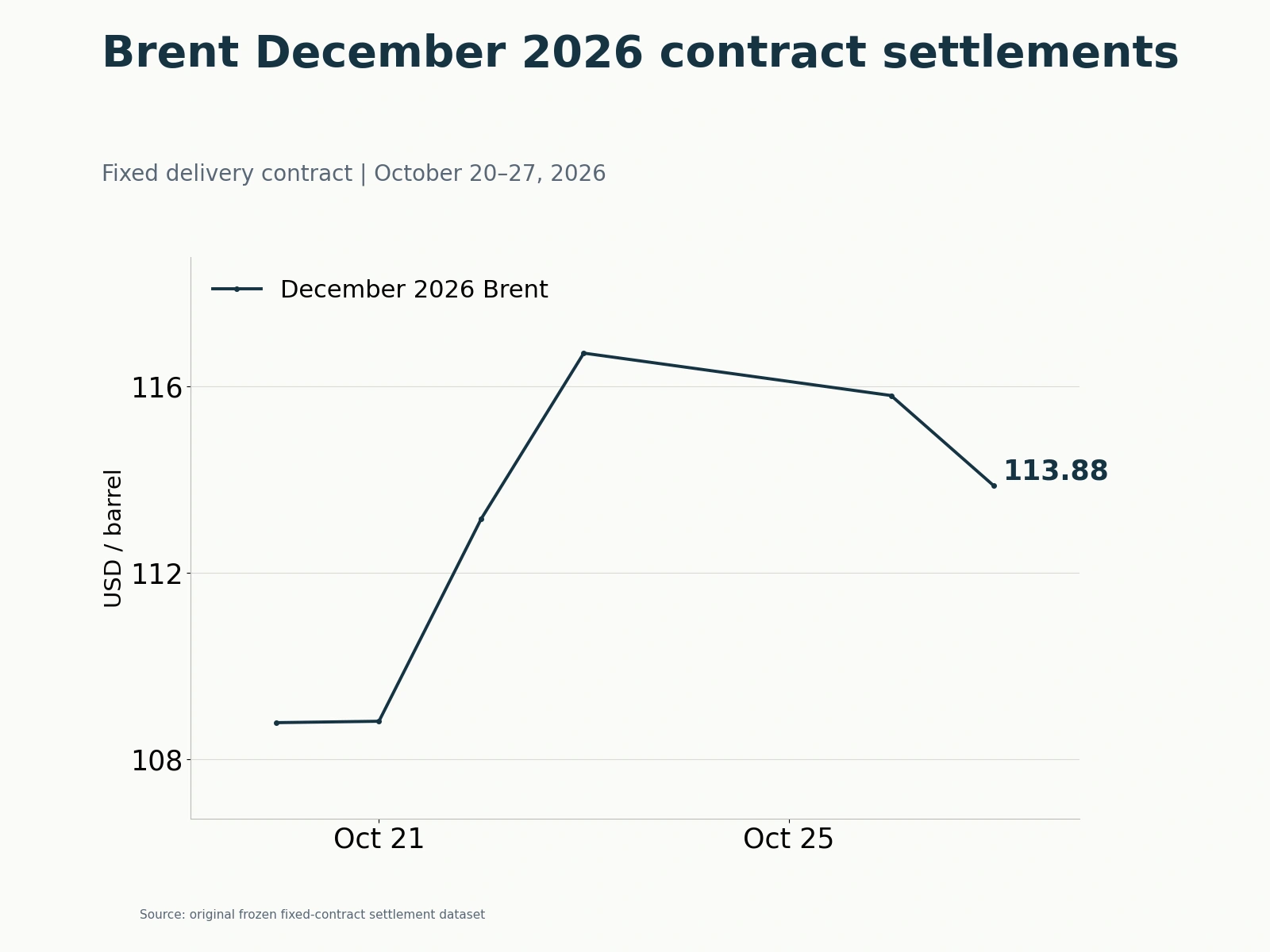
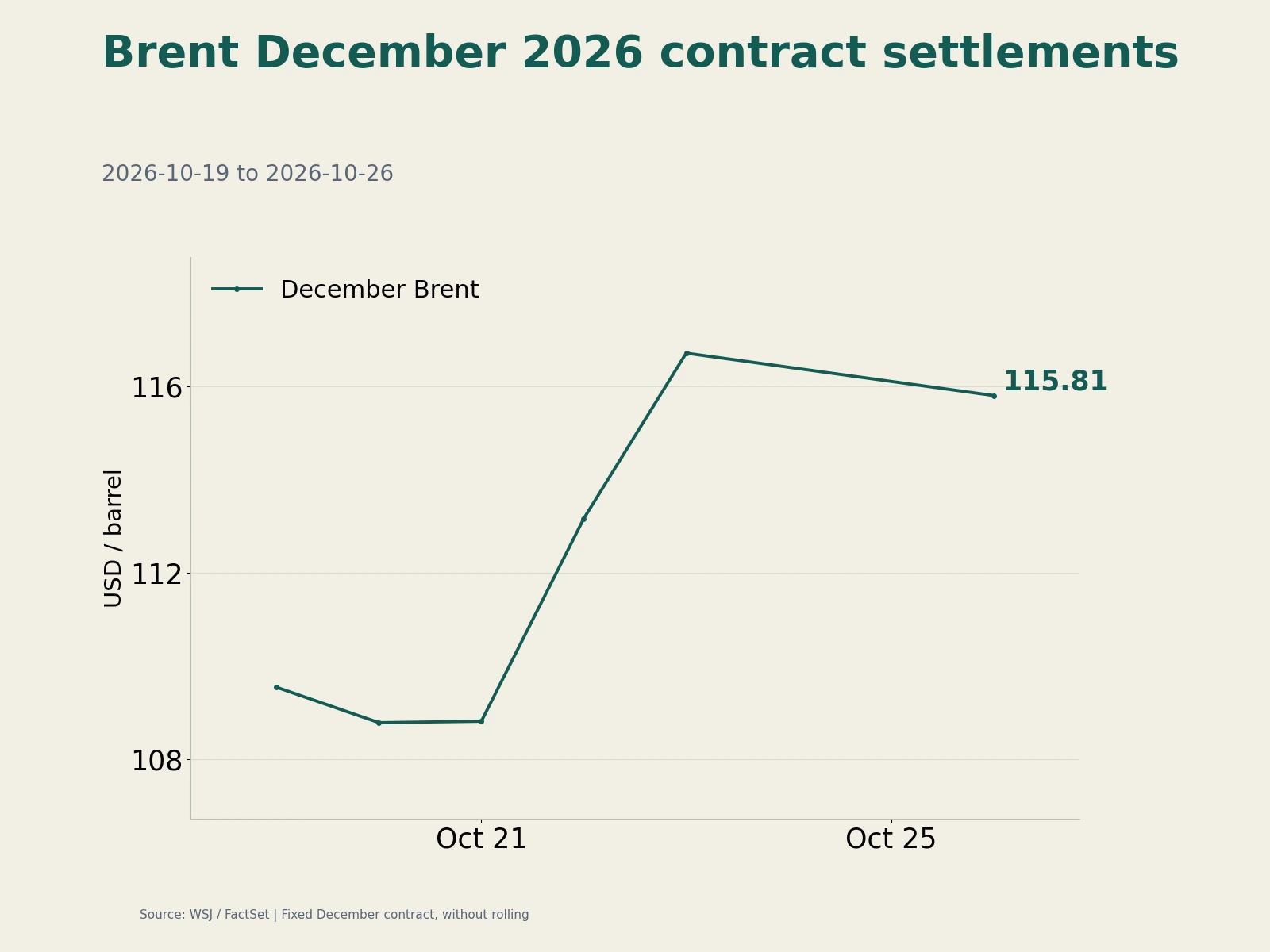
Specified-month settlements also rose. Newsquawk reported October 8 November WTI settling at $91.49, up $3.21, and December Brent at $104.28, up $4.08. Both rose more than 5% intraday, reaching $93.20 and $105.92, respectively, before retreating.
Diplomatic remarks directly drove the retreat from intraday highs. Reuters reported Trump saying the US would not attack Iran before November's midterms and describing bilateral discussions as productive. This quickly compressed premiums previously priced for escalation. Existing physical disruptions and shipping obstacles nevertheless continued supporting nearby oil.
Gulf shutdowns reach 1.28 million barrels/day as commercial draws meet accelerated IEA releases
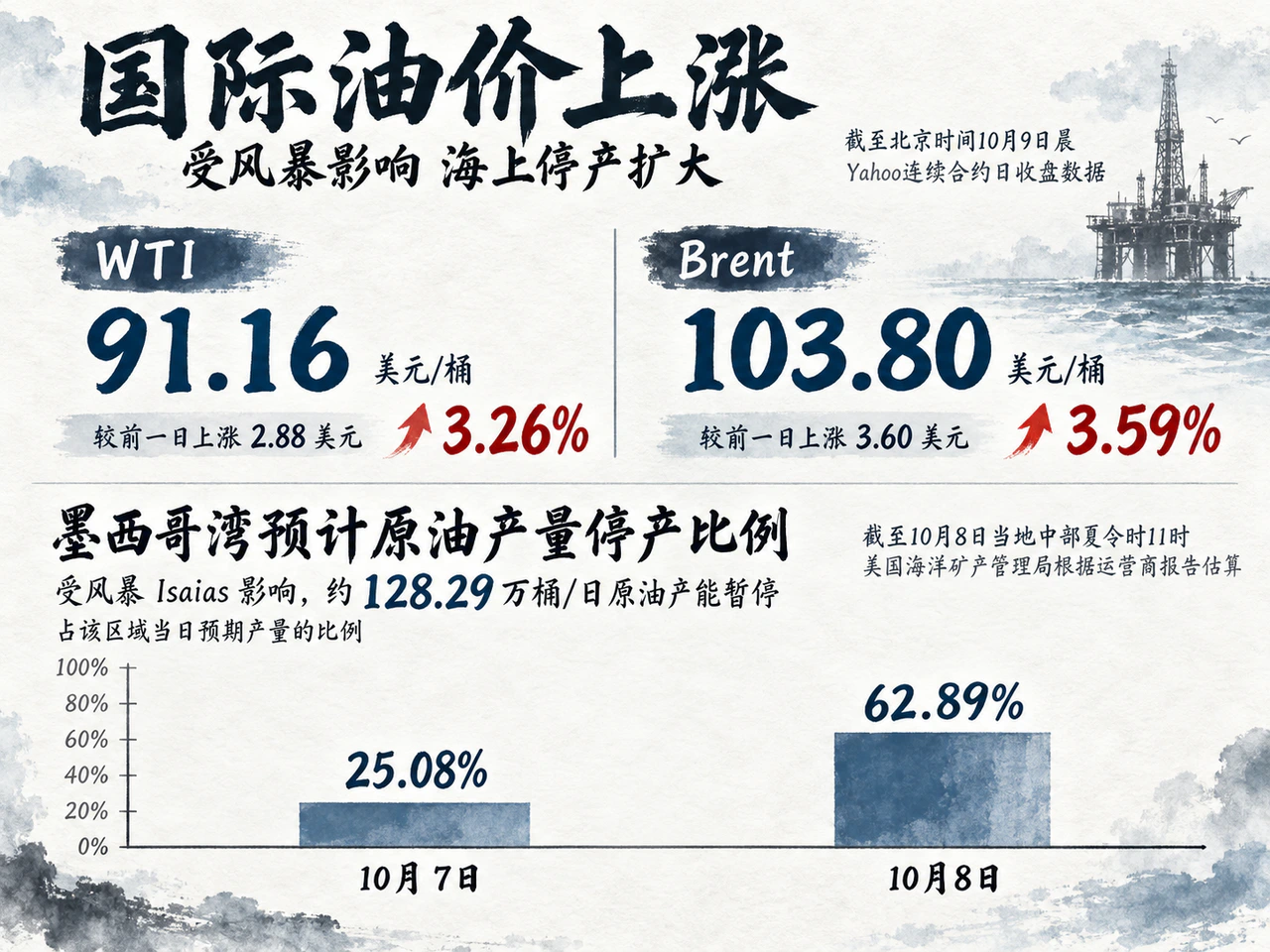
US offshore supply losses expanded rapidly. Based on operator reports at 11 a.m. Central Daylight Time October 8, the US Minerals Management Service estimated storm Isaias had shut approximately 1.2829 million barrels per day in the Gulf, 62.89% of expected regional output, far above the previous day's 25.08%. These were precautionary shut-ins; restarting depends on post-storm inspections and damage assessments. Production and refining transmit differently: shut fields directly reduce crude supply, while simultaneous coastal refinery closures would suppress processing demand and intensify gasoline and diesel shortages. Crude and product prices therefore need not keep moving together.
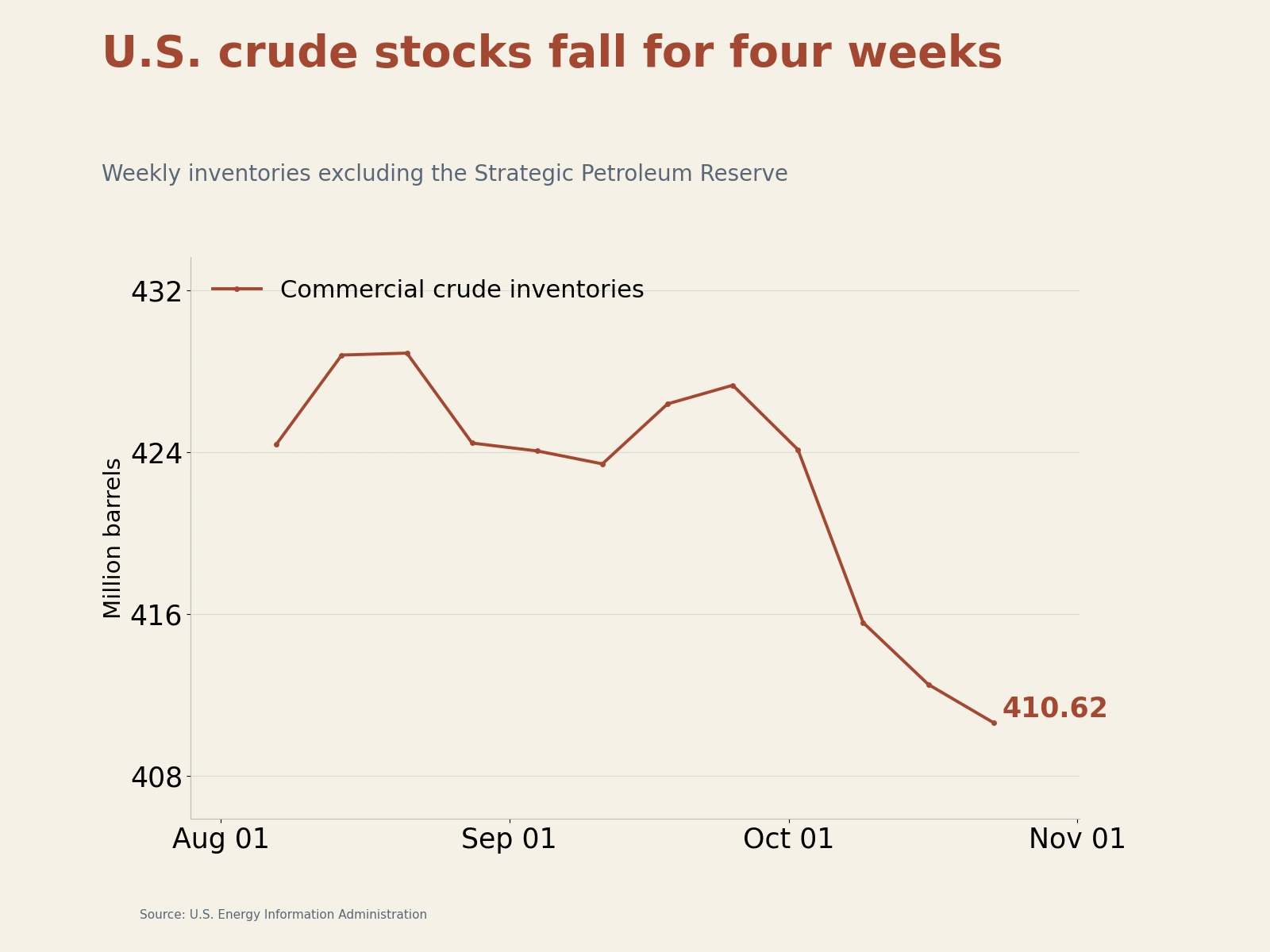
The weather shock comes amid continued US commercial draws. EIA data released October 7 showed crude stocks down 3.2 million barrels to 424.1 million in the week ended October 2. Reuters cited exports rising 1.2 million barrels per day to 4.77 million, refinery runs up 223,000 barrels per day and utilization reaching 92.7%. Products diverged: gasoline stocks rose 382,000 barrels while distillates were broadly unchanged at 105.1 million.
The IEA chose faster policy intervention against tight supply. Its October 7 statement supported accelerating strategic-stock releases already pledged in March, prioritizing diesel. Outstanding commitments could currently deliver approximately 100 million barrels. Member governments still held around 1.1 billion barrels of public emergency stocks, including more than 200 million barrels of diesel, preserving a strategic buffer for further intervention.
Middle Eastern shipping risks constrain resilient exports; deep backwardation prices nearby delivery
Middle Eastern supply remained caught between logistical recovery and transit risk. Reuters, citing preliminary Kpler figures October 5, said the seven-day moving average of Gulf crude exports rose to 18.3 million barrels per day on September 30, slightly above the prewar 12-month average of approximately 18 million. Coverage includes Hormuz, the Red Sea and Gulf of Oman. Shipping safety, however, remained unresolved. Reuters reported October 8 that UK Maritime Trade Operations confirmed a tanker north of Qatar had been hit by multiple projectiles the previous day. With seven core OPEC+ members deciding October 4 to maintain November output targets, limited incremental supply makes markets highly sensitive to existing production and transport routes' delivery reliability.
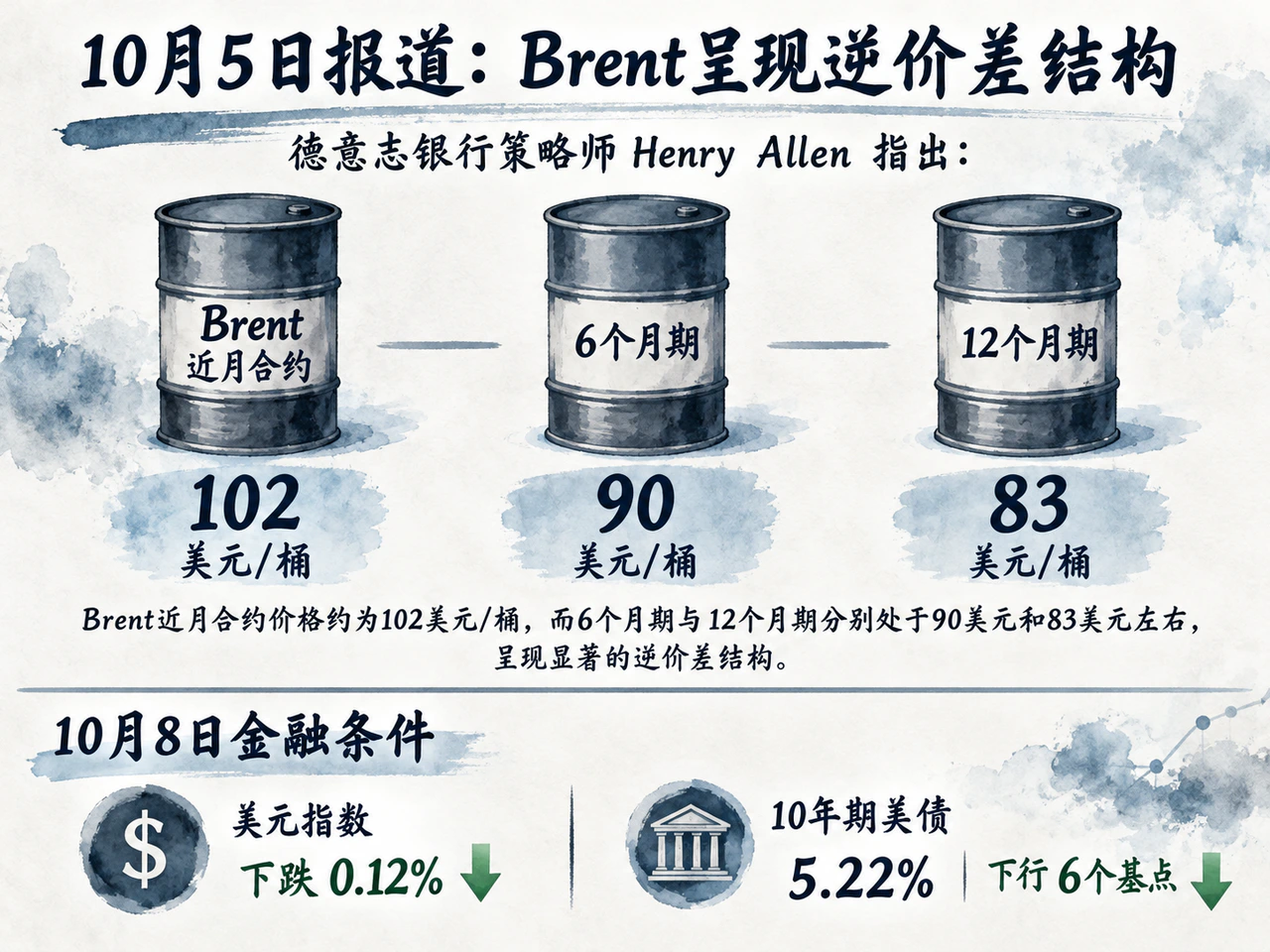
Futures term structure directly illustrates physical tightness. In reporting dated October 5, Deutsche Bank strategist Henry Allen noted nearby Brent around $102 a barrel, versus about $90 six months out and $83 at 12 months: substantial backwardation. This reflects a large premium for immediately deliverable crude and expectations of gradual later supply improvement. If geopolitical and maritime disruption drags on, the forward discount will struggle to converge solely through nearby prices falling.
Macro conditions supplied modest additional support. On October 8, the vendor daily dollar index fell 0.12% and the official daily 10-year Treasury yield declined 6 basis points to 5.22%. Lower nominal rates and a weaker dollar were mildly favorable for commodities, but offshore shutdowns and geopolitical news interacting through deliverability constraints remained firmly dominant.
Four indicators will determine relief in immediate scarcity: rapid post-storm restarts of Gulf shut-in facilities; stable Middle Eastern exports and arrivals after tanker attacks; actual delivery schedules for existing IEA reserve commitments and a turning point in diesel/distillate draws; and the narrowing pace of calendar spreads within consistent contract series. Combined production recovery, safe transit and stock injections would squeeze elevated nearby premiums. Continued supply-chain delays would leave physical delivery risk as oil's central support.