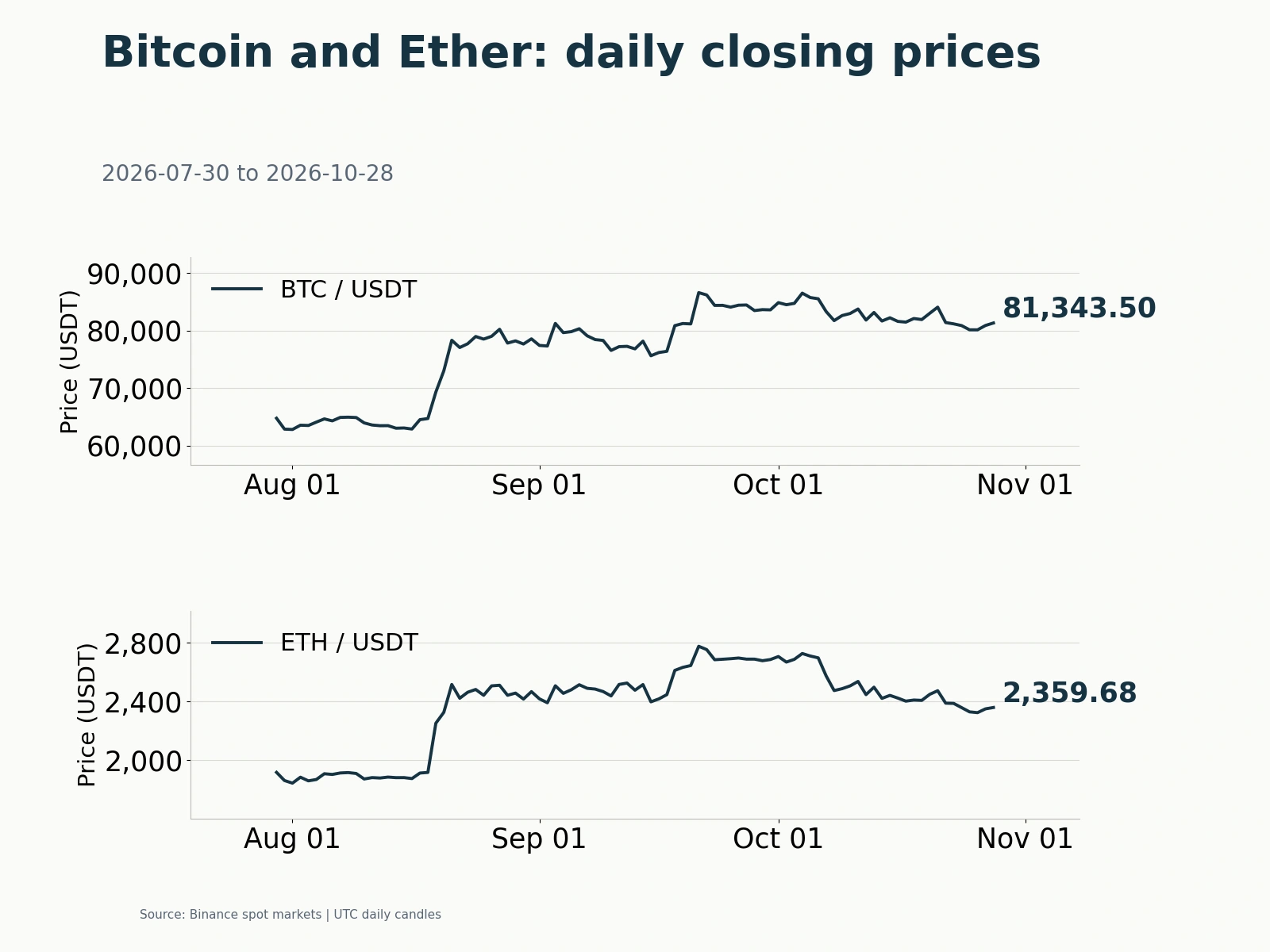
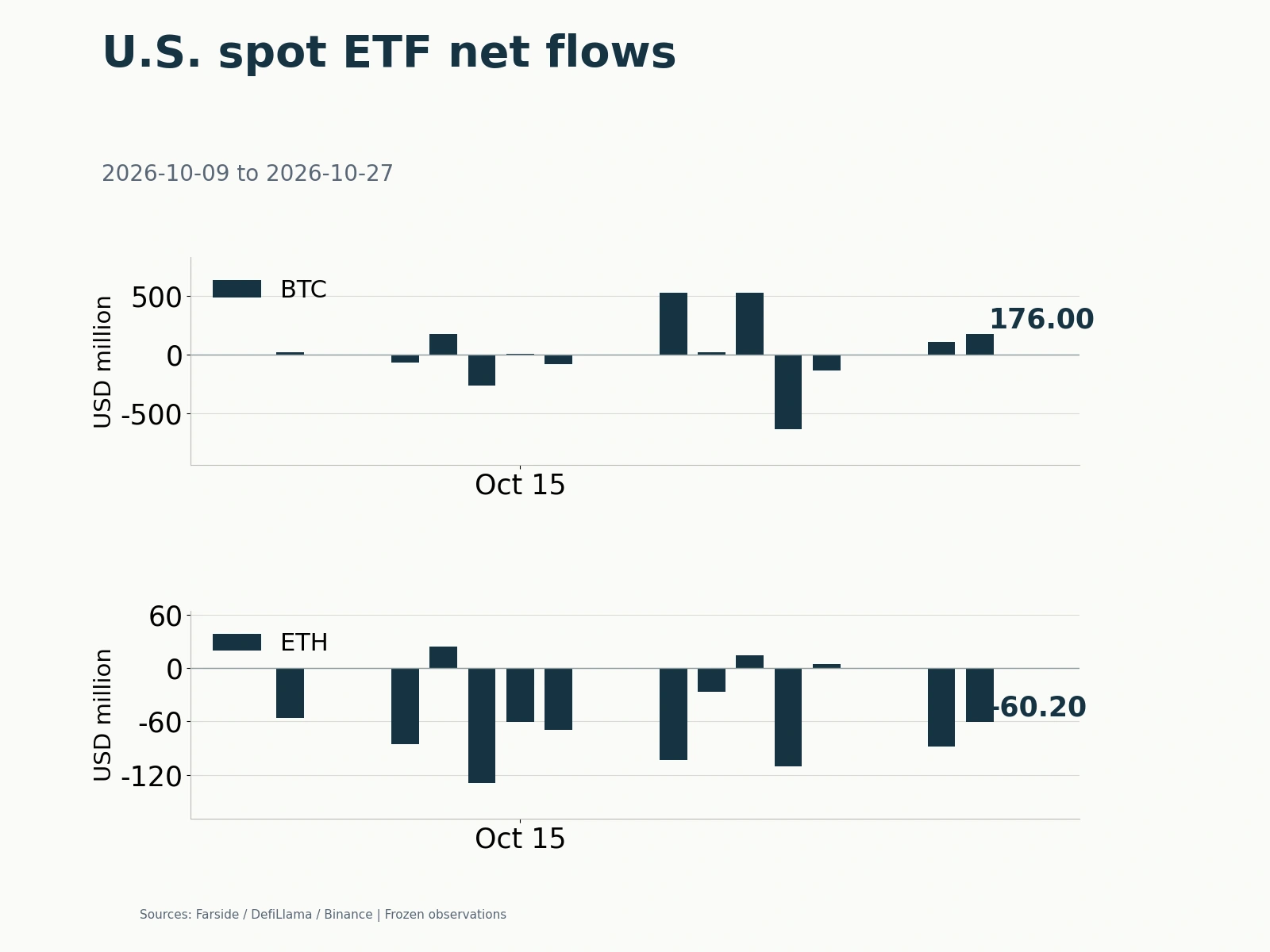
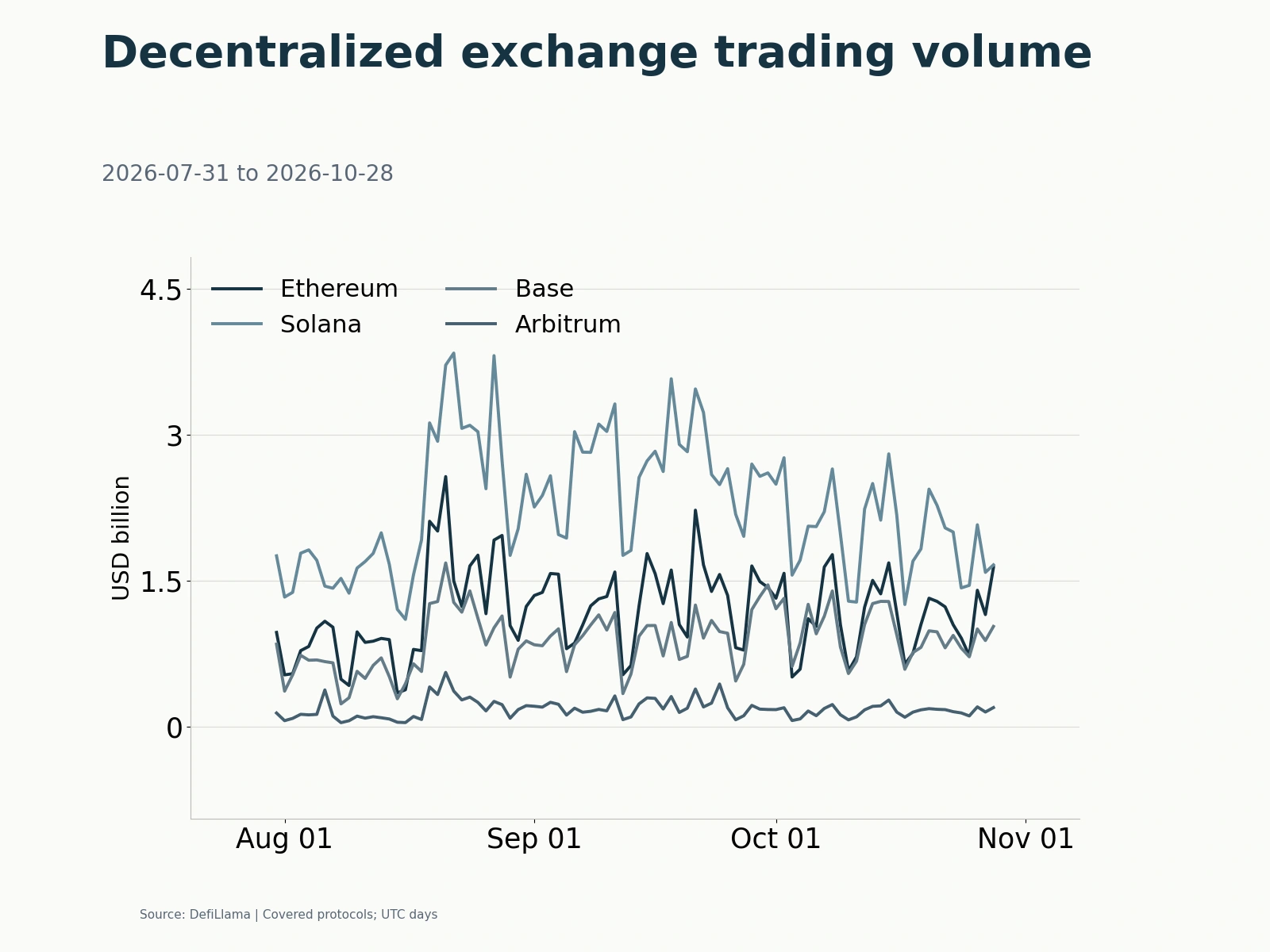
Spot trading cooled, perpetual-futures turnover expanded, and stablecoin swaps and tokenized-equity trading continued to concentrate in a few venues. Onchain data disclosed on October 12 showed demand being redistributed across businesses and networks. For onchain finance, attracting capital is only the start. How efficiently capital circulates, whether it can exit promptly and how trading proceeds are distributed determine how far a business can develop.
By the morning of October 13, Beijing time, liquidity concentration in established venues coexisted with protocols' expansion to new chains. The risk assessment of Aave's proposed USDe integration on X Layer revealed the practical constraint: cross-chain deployment can broaden service coverage, but local trading depth must be rebuilt, directly affecting whether lending markets can liquidate positions smoothly.
Spot turnover falls 19.34%, while stablecoin trading concentrates among leading venues
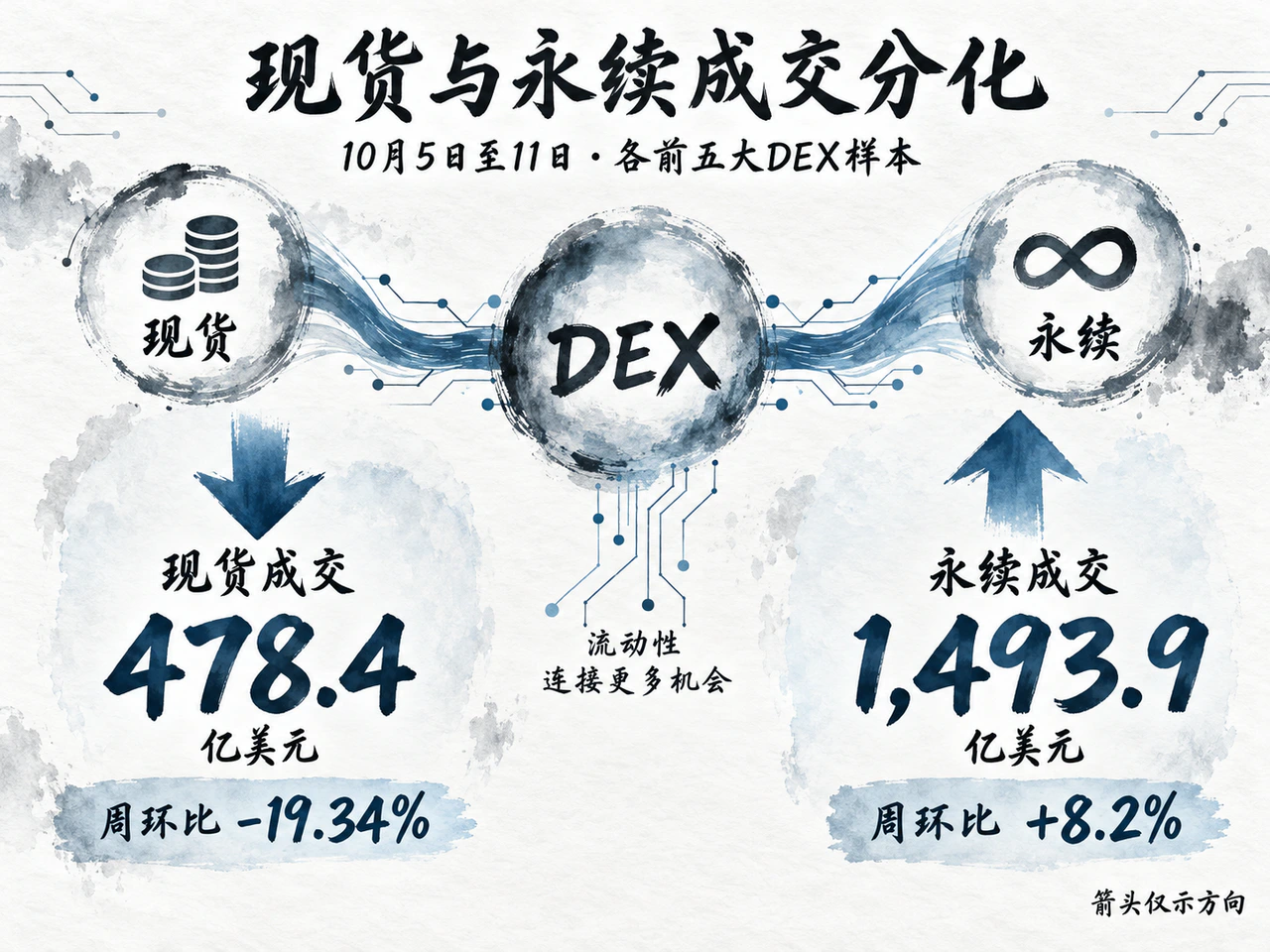
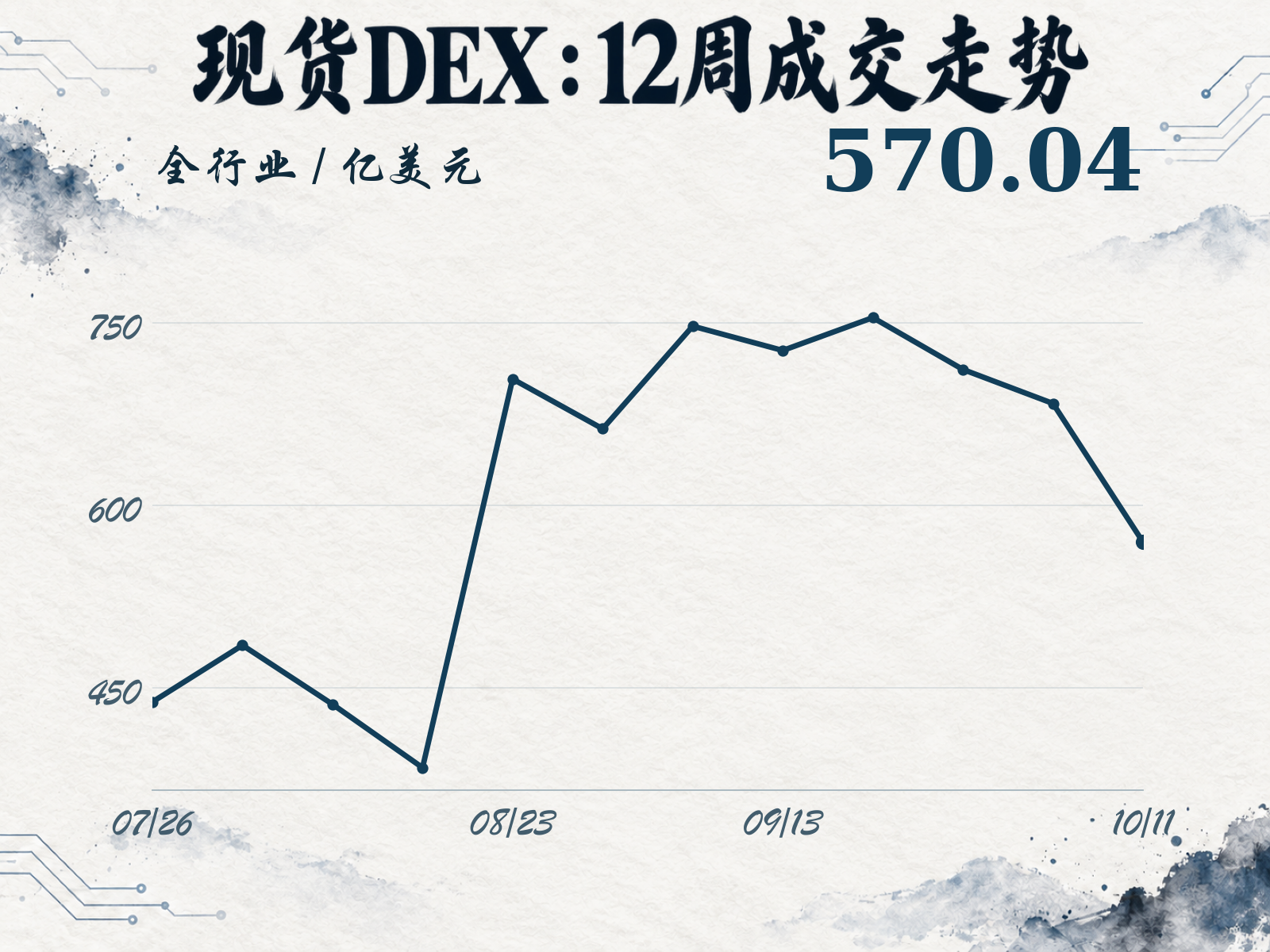
On October 12, BeInCrypto relayed Lookonchain data showing that the five leading spot decentralized exchanges in its sample recorded $47.84 billion in turnover for October 5-11, down 19.34% from the previous week. Over the same period, the five leading perpetual-futures platforms' turnover rose 8.2% to $149.39 billion. Falling spot turnover and expanding leveraged trading showed divergent demand for the two types of applications.
Stablecoins' distribution across networks was also changing. Weekly USDT and USDC figures for 15 major chains cited in the report showed supply declining by $726 million on Ethereum and $619 million on Solana, while increasing by $526 million on Tron. Available funds were not changing in tandem across chains, creating differing liquidity conditions for trading, lending and transfers.
While spot turnover fell, crypto application fees increased 4.44% week on week, with Tether contributing $122.06 million. Revenue drivers differ by business: stablecoin issuance revenue is influenced by reserve-asset scale and yields, while trade-matching revenue depends more on volume, fee rates and liquidity. These differences in business structure provide distinct sources of support for overall industry revenue.
Stablecoin trading itself remained highly concentrated. AMBCrypto reported on October 12 that the 35 venues it cited had generated more than $161 billion in stablecoin turnover over the past 30 days. Uniswap V3 and V4 together accounted for about $76.2 billion, or 47.2%, while PancakeSwap held an 8.7% share. Stablecoin swaps require ample two-way quotes, and sustained trading demand attracts liquidity providers. The two reinforce one another, consolidating the advantages of leading venues.
Tokenized equities displayed a similar pattern. Of roughly $1.5 billion in 30-day turnover listed in the report, around $1.4 billion passed through Aerodrome on Base. New assets need access to mature stablecoin pools and trading routes to form effective markets. For Layer 2 networks such as Base, low-cost execution and application liquidity jointly provide competitiveness.
How the proceeds of active trading are distributed depends on each business's rules. Under DefiLlama's definitions, fees paid by users include amounts received by participants such as liquidity providers; protocol revenue is the portion retained by the protocol itself, while holder revenue depends further on buyback, burn or direct-distribution arrangements. Application activity expands potential revenue, but the specific distribution mechanism determines who ultimately captures the value.
USDe's proposed X Layer launch awaits $5 million in liquidity
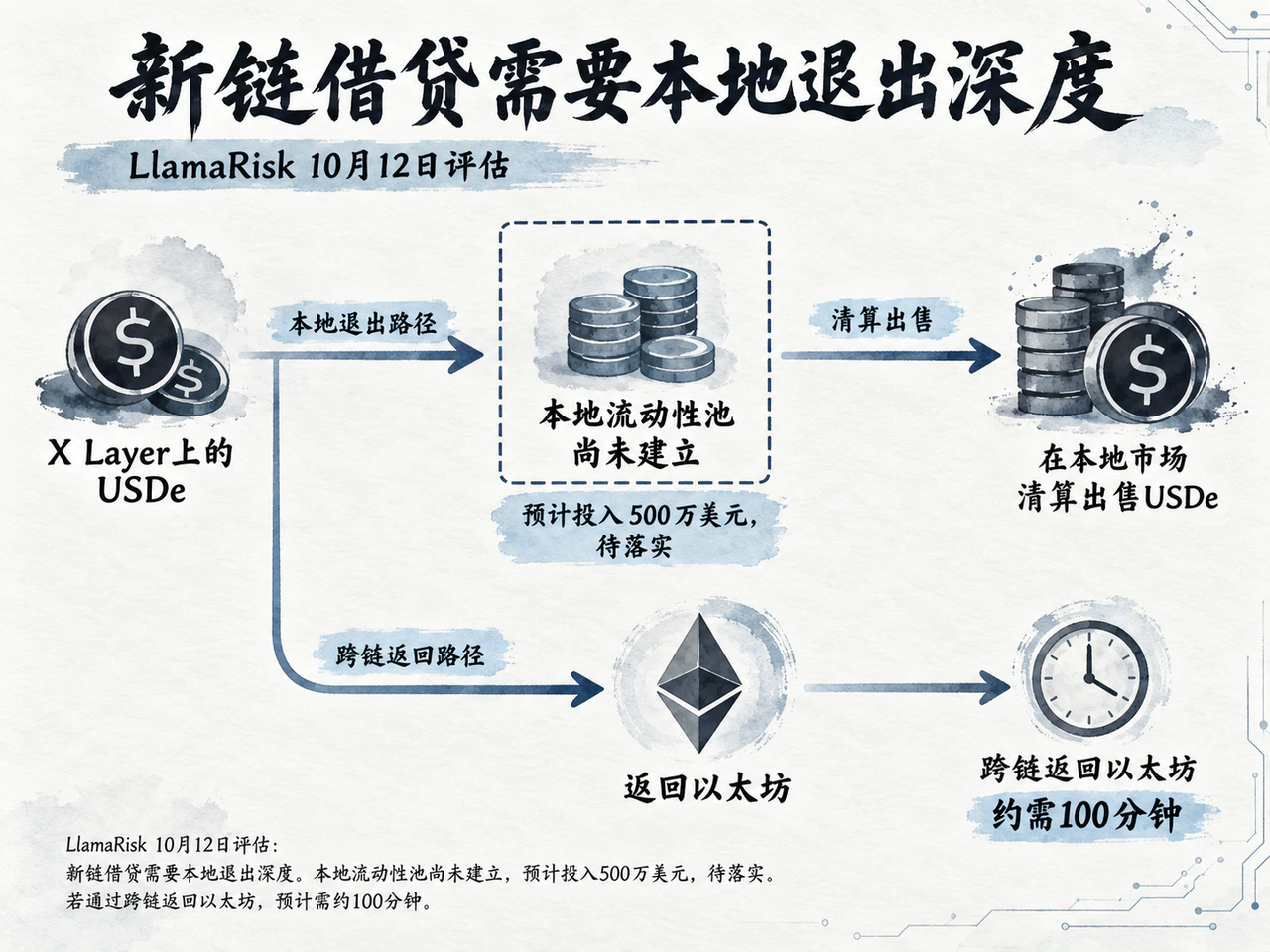
On October 12, LlamaRisk published its risk assessment of USDe's integration into Aave V3's X Layer market, making sufficient local decentralized-exchange liquidity a precondition for launch. Protocols can deploy and assets can bridge across chains, but lending operations also depend on collateral being sold promptly during liquidation.
The report showed only 62.78 USDe on X Layer as of October 12, with no established local decentralized-exchange liquidity pool. The team expected to provide $5 million in liquidity before launch, but that arrangement remained pending. USDe bridges to X Layer through LayerZero, with native assets held by Ethereum contracts; it cannot be minted natively on the local chain.
The current route requires 6,000 block confirmations for USDe returning from X Layer to Ethereum, around 100 minutes at the block rate used in the assessment. Once liquidators receive collateral, they need to convert it quickly into funds for debt repayment. If they must first bridge it and then sell on another network, price fluctuations and execution costs during the wait increase, affecting liquidators' willingness to participate and limiting the position size the market can support.
The proposed $5 million of local liquidity is intended to let liquidators sell assets locally, reducing the lending market's immediate dependence on the bridge. Its actual effect also depends on the asset composition on both sides of the pool, the quote ranges of concentrated liquidity and slippage on large sales. Capital supports liquidation only once it becomes executable market depth.
Established venues use deep stablecoin liquidity to attract more business, while new networks must first improve exit capacity before accommodating more collateral and lending. As onchain finance extends across more networks, competition will increasingly center on capital turnover efficiency and liquidity that remains available under market stress.
Click Read Original for full details.