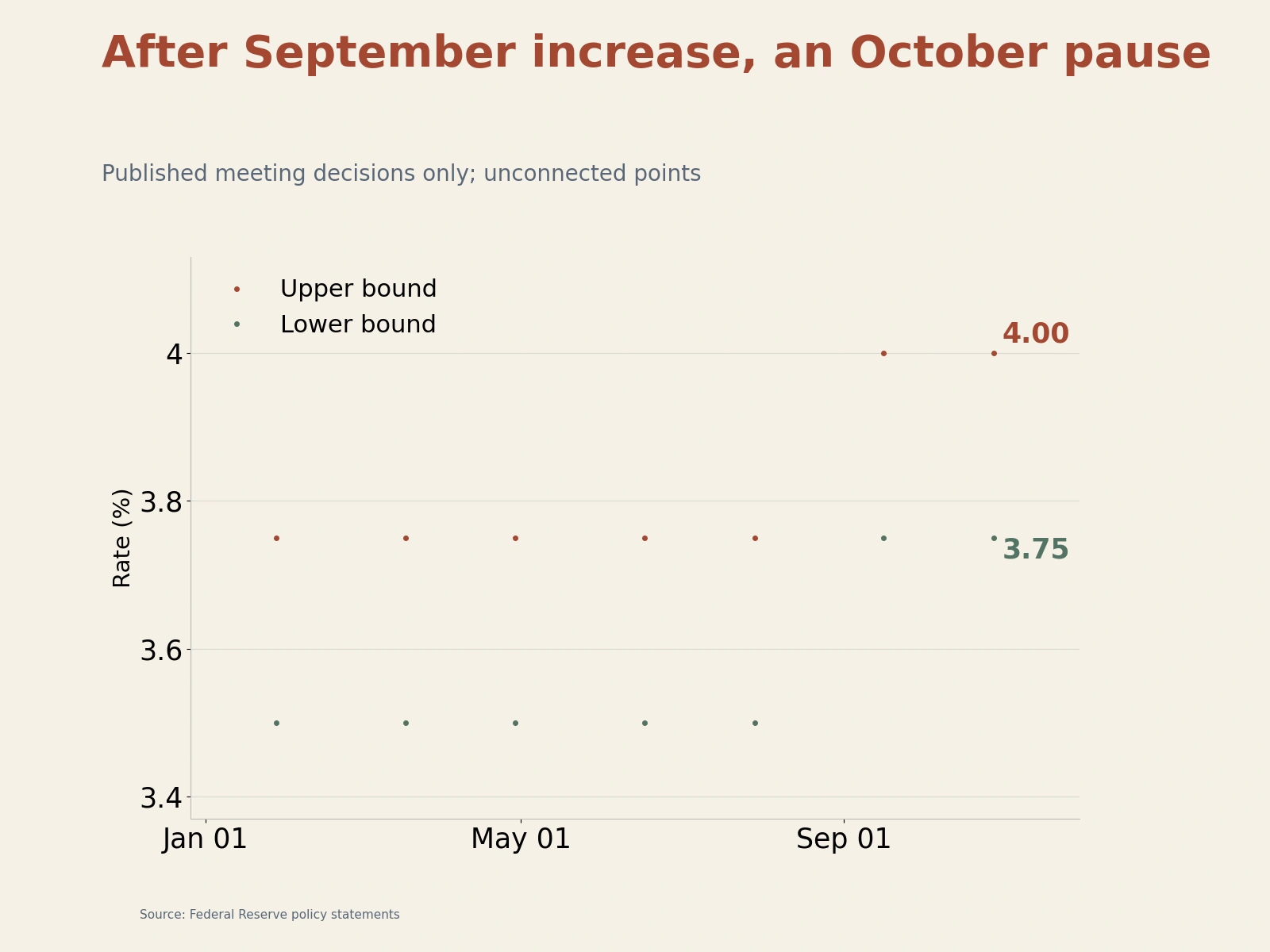
After the Federal Reserve raised rates 25 basis points to 3.75%-4.00% on September 16, regional Fed officials offered updated explanations of the tightening path. In an October 12 speech and Reuters interview, Cleveland Fed President Beth Hammack said clearly that the U.S. economy still needed more restrictive measures to contain broad inflation pressures. She nevertheless kept an open mind on whether to raise rates for a second consecutive meeting at the October FOMC.
August core PCE reaches 3.0% as AI investment and consumption growth increase demand pressures

On October 12, Eastern time, Hammack laid out the reasoning behind her tightening stance at the National Association for Business Economics annual meeting in Cleveland. Price data showed August headline PCE inflation rising to 3.4% year on year and core PCE reaching 3.0%, both above year-earlier levels. Beyond energy-price disruption and successive tariff changes directly increasing input costs, this inflation episode was gradually shifting from its early supply shocks toward demand expansion.
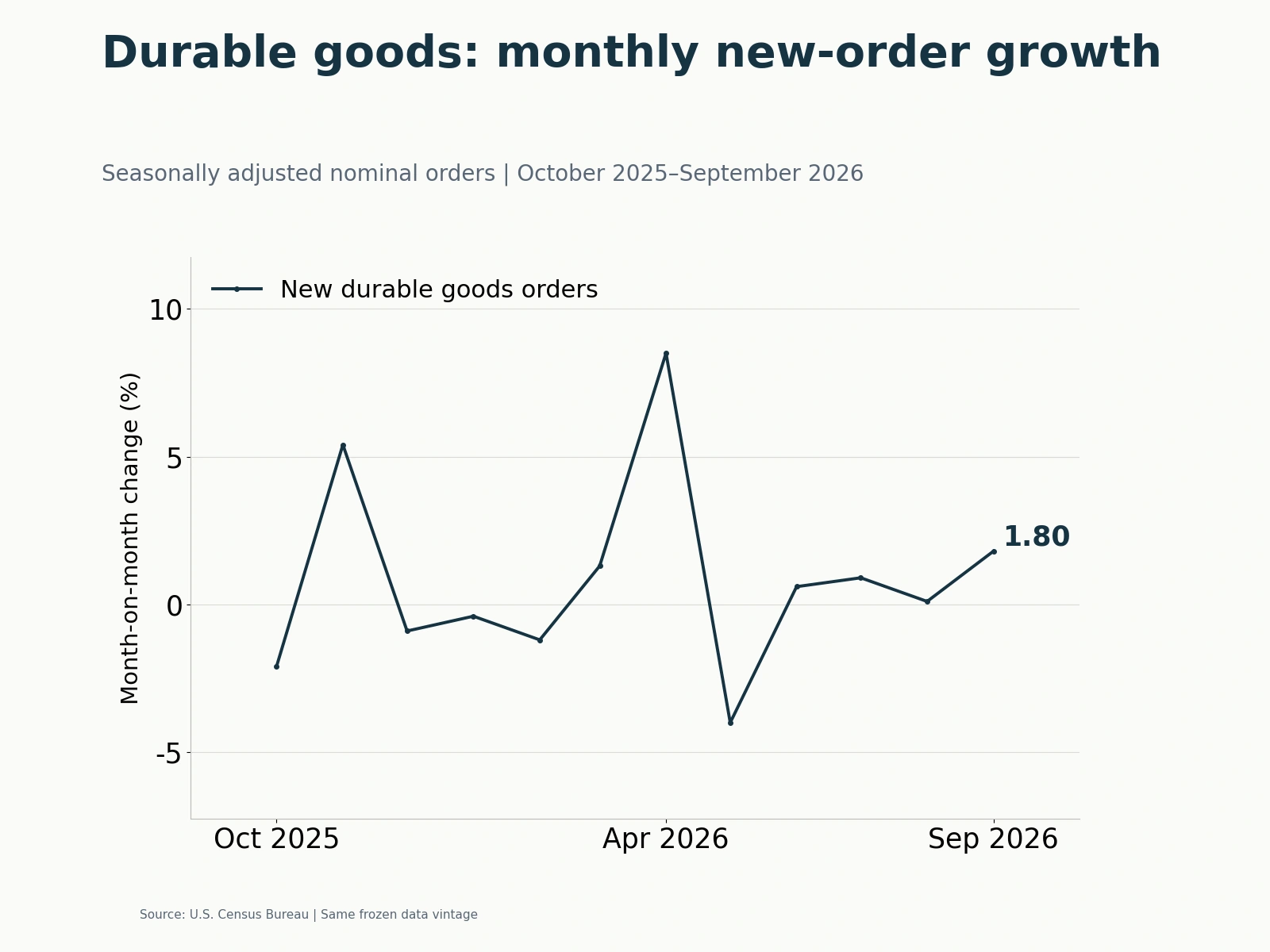
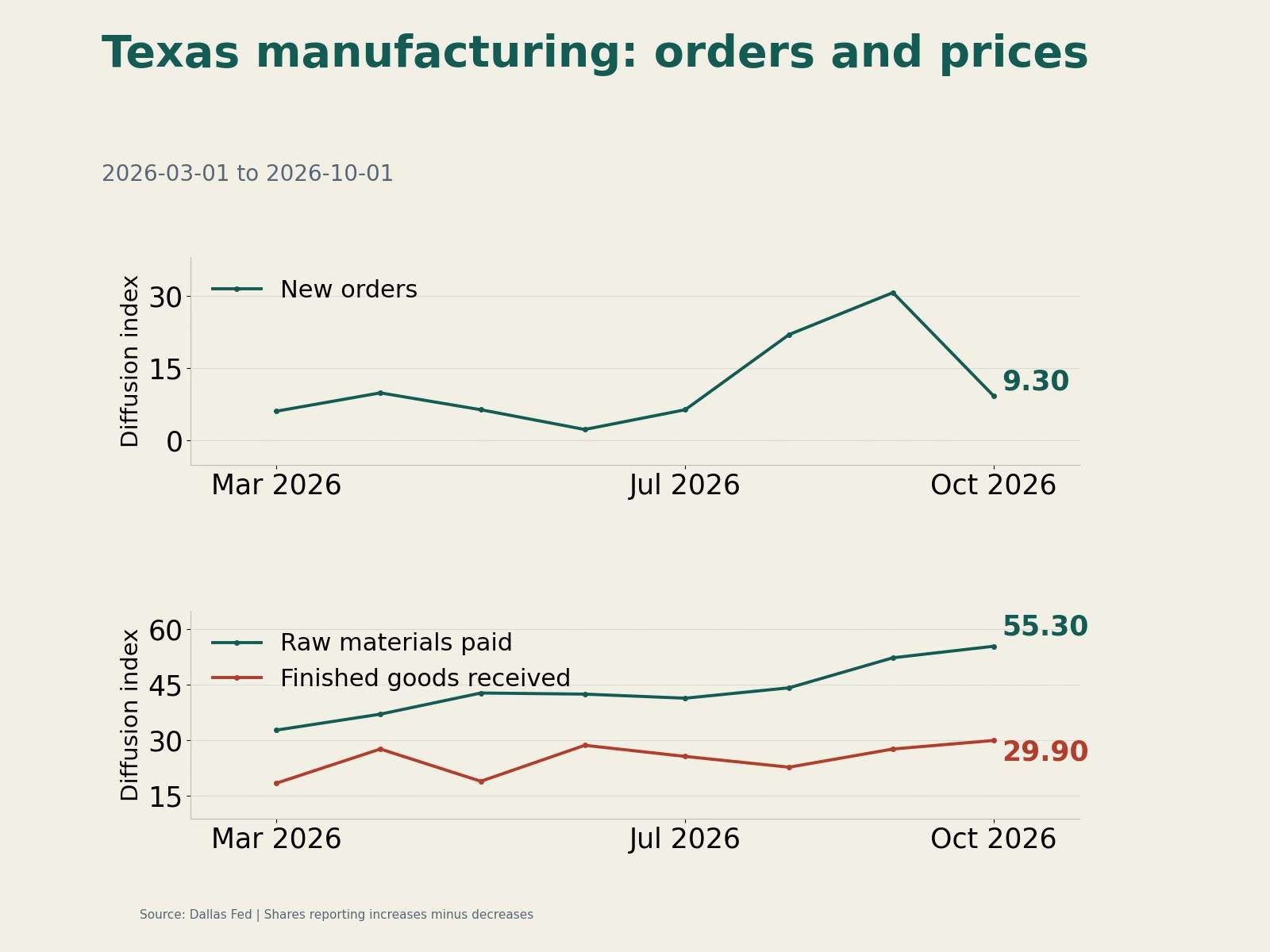
Hammack said intensive AI investment was sustaining demand for computers, electronics and high-tech components, with significant spillovers to power, construction and aviation. In the subsequent Reuters interview, she further identified capital spending and wealth effects among higher-income households as key drivers of aggregate demand. Even if falling energy prices helped moderate headline inflation, persistent demand from expanding investment still needed restrictive policy to contain it. At the same time, nonhousing core services not directly exposed to tariffs and energy volatility were already displaying marked price stickiness. Hammack warned that persistently elevated demand could encourage businesses to raise prices preemptively against potential future costs, greatly complicating the anchoring of inflation expectations.
The labor market provided fundamental support for continued tightening. U.S. unemployment remained at 4.2%, within the range of full employment, with hiring and layoffs broadly stable and shortages of skilled workers still evident in some specialized construction jobs. Hammack assessed overall financial conditions as neutral and not yet effectively restraining real demand. Labor-market resilience allowed the central bank to continue adding policy restraint.
A preference for smaller, quicker adjustments; October's decision awaits CPI and the Beige Book

On the pace of policy action, Hammack favored quicker, smaller adjustments to avoid slow early action forcing larger corrections later. The aim was to ease inflation by moderately restraining the pace of investment and consumption growth while avoiding unnecessary employment damage as far as possible.
Although clear about the direction of tightening, Hammack made no firm commitment about the near-term meeting path. She emphasized an open mind on the October 27-28 rate decision, saying the time needed to achieve sufficient restraint required further observation and assessment. Convincing evidence of labor-market deterioration would also prompt a timely policy adjustment. According to Reuters that day, the prevailing investor expectation still favored the Fed holding rates steady in October.
The key next tests were approaching. September CPI, due on the morning of October 14, Eastern time, and the Fed's Beige Book that afternoon would provide fresh evidence on the breadth of price increases and company-level costs, hiring and regional demand, jointly testing inflation persistence and the labor market's tolerance for restraint.