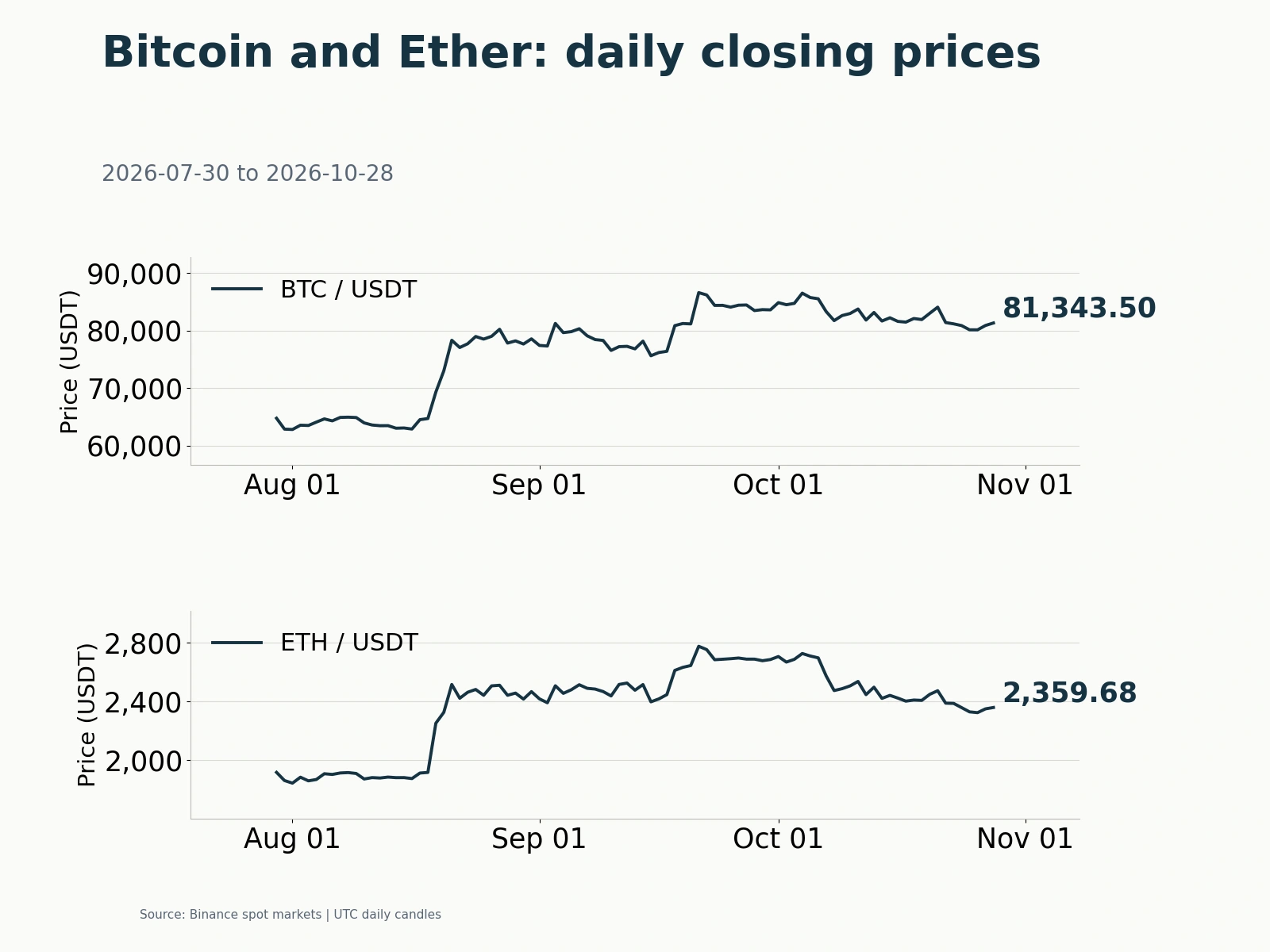
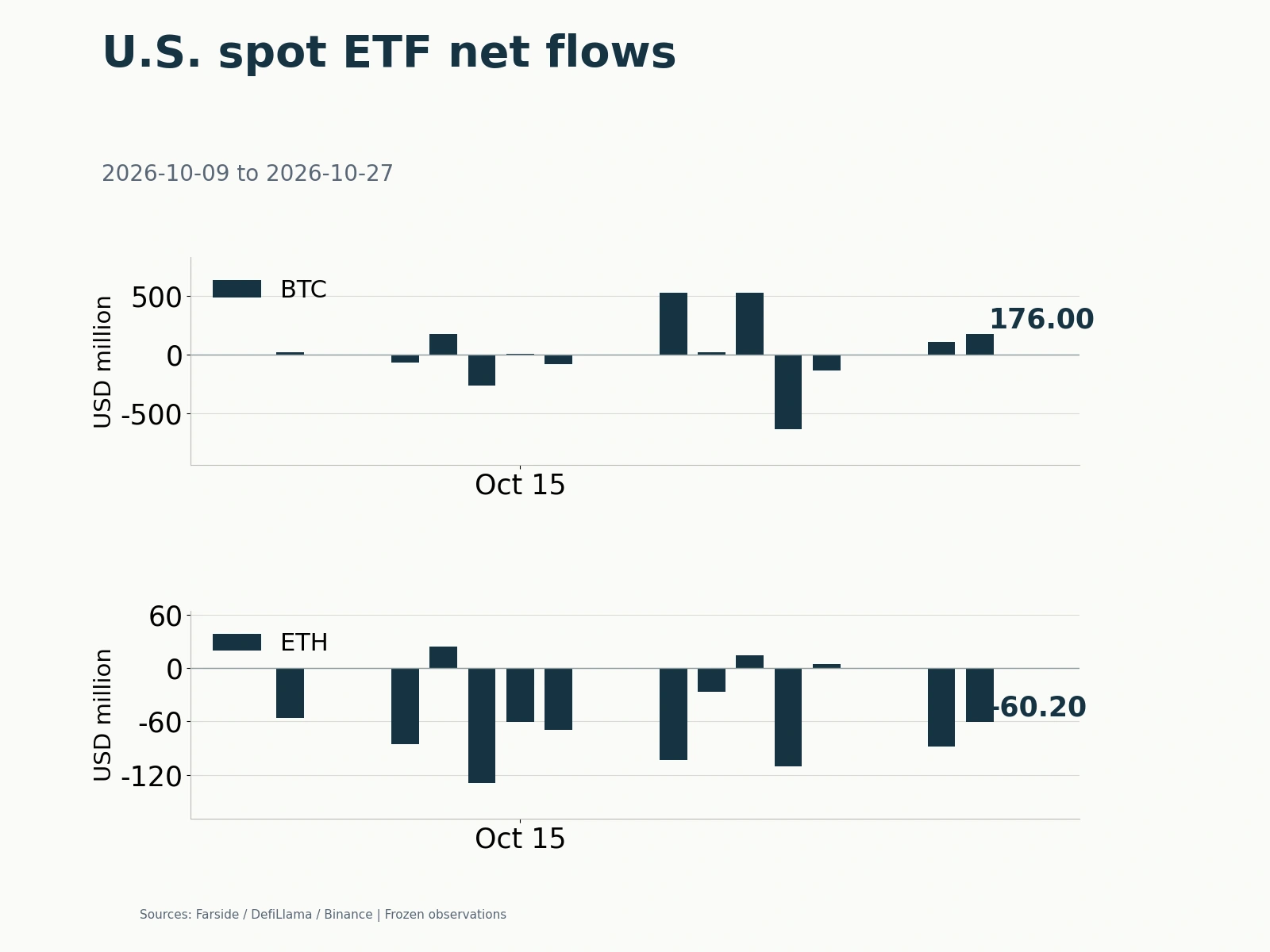
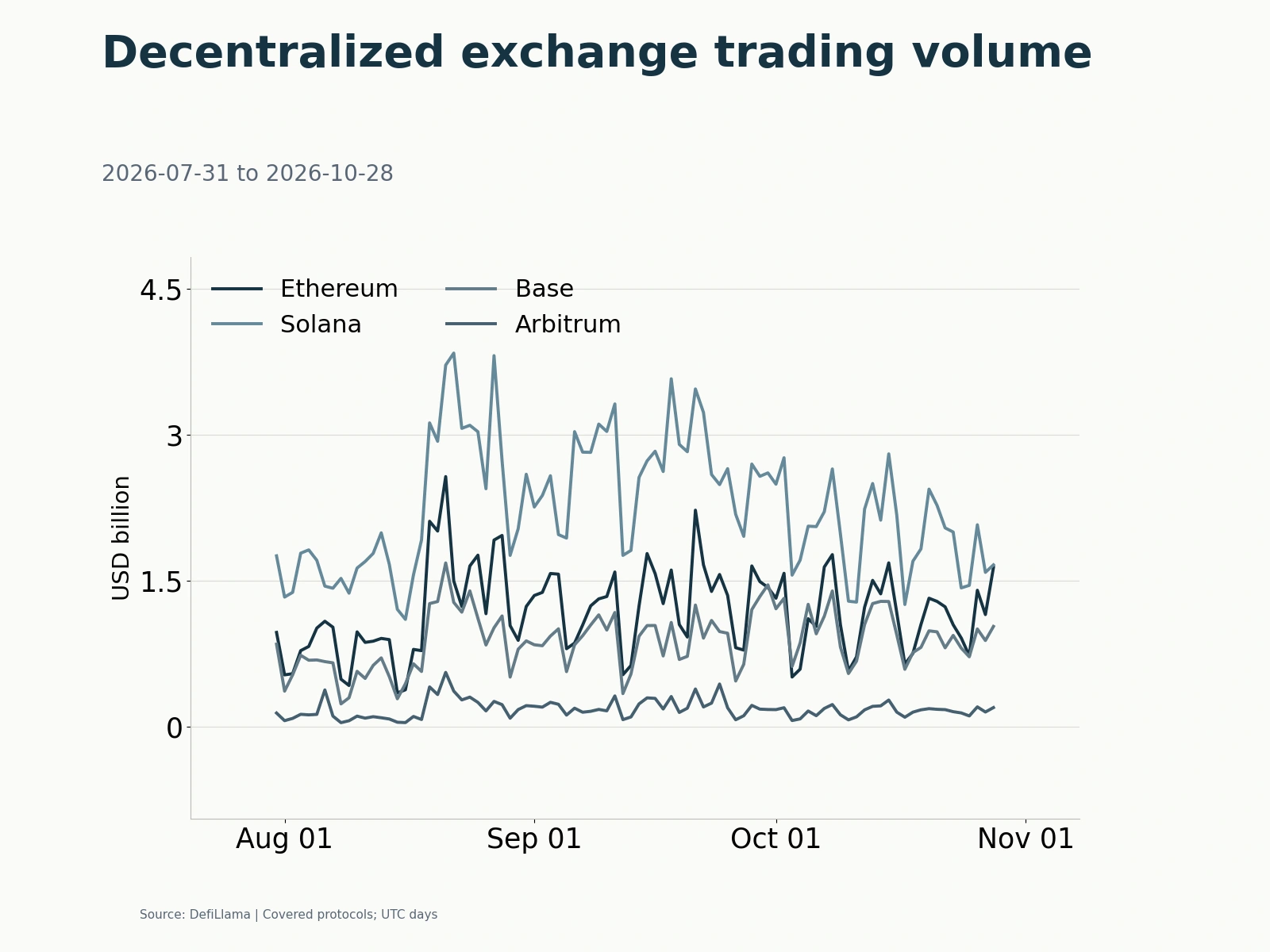
US crypto regulation and institutional implementation are advancing together. On October 13, the Commodity Futures Trading Commission's (CFTC) advance notice of proposed rulemaking (ANPRM) on crypto-asset transactions and trading venues was formally published in the Federal Register. The same day, Interactive Brokers announced Ethereum staking for eligible clients. The first development advanced public consultation on retail leverage and trading-venue structures; the second brought on-chain staking into use within mainstream brokerage accounts. Together they indicate faster integration of digital assets into traditional financial infrastructure, as the division of responsibilities among trade matching, custody and yield management becomes more detailed through regulation and practice.
CFTC advances consultation on retail-leverage rules, setting a December 14 comment deadline

The CFTC first announced the initiative on October 5. Publication in the Federal Register on October 13 formally confirmed December 14 as the deadline for public comments. The document is an advance consultation before rulemaking, intended to inform subsequent regulatory details and implementation paths using feedback from market participants.
The consultation's core legal basis is Section 2(c)(2)(D) of the US Commodity Exchange Act (CEA), with the regulatory focus on leveraged, margined and financed crypto transactions offered to retail clients. The CFTC is examining more than investors' effective leverage: it also considers platforms' financing arrangements and whether their delivery processes constitute legally recognized 'actual delivery.' The notice seeks views particularly on how to define offering a transaction, the criteria for actual delivery and the market structure applicable to these transactions. Such detailed rules will directly reshape leveraged-product design, custody structures and customer withdrawal and settlement processes.
For trading-venue oversight, the CFTC proposes examining a 'crypto asset market' registration category tailored to these activities and exploring organizational structures for matching, brokerage and clearing. The notice says regulators are considering whether one entity may hold multiple registrations or whether affiliated entities should divide the activities, while assessing conflicts of interest and liquidity risks in vertically integrated models. For crypto-native exchanges combining matching, custody, clearing and settlement within one entity, the central regulatory question is whether their scale and efficiency advantages can coexist with strict requirements for operational separation and protection of customer assets.
Federal Register publication advanced the consultation process for retail leveraged transactions. It gives trading platforms a policy window to provide compliance feedback and adjust their structures. Specific access boundaries, capital adequacy metrics and risk-control and compliance costs remain to be clarified in subsequent final rules.
Interactive Brokers launches Ethereum staking as multi-asset accounts expand in both directions
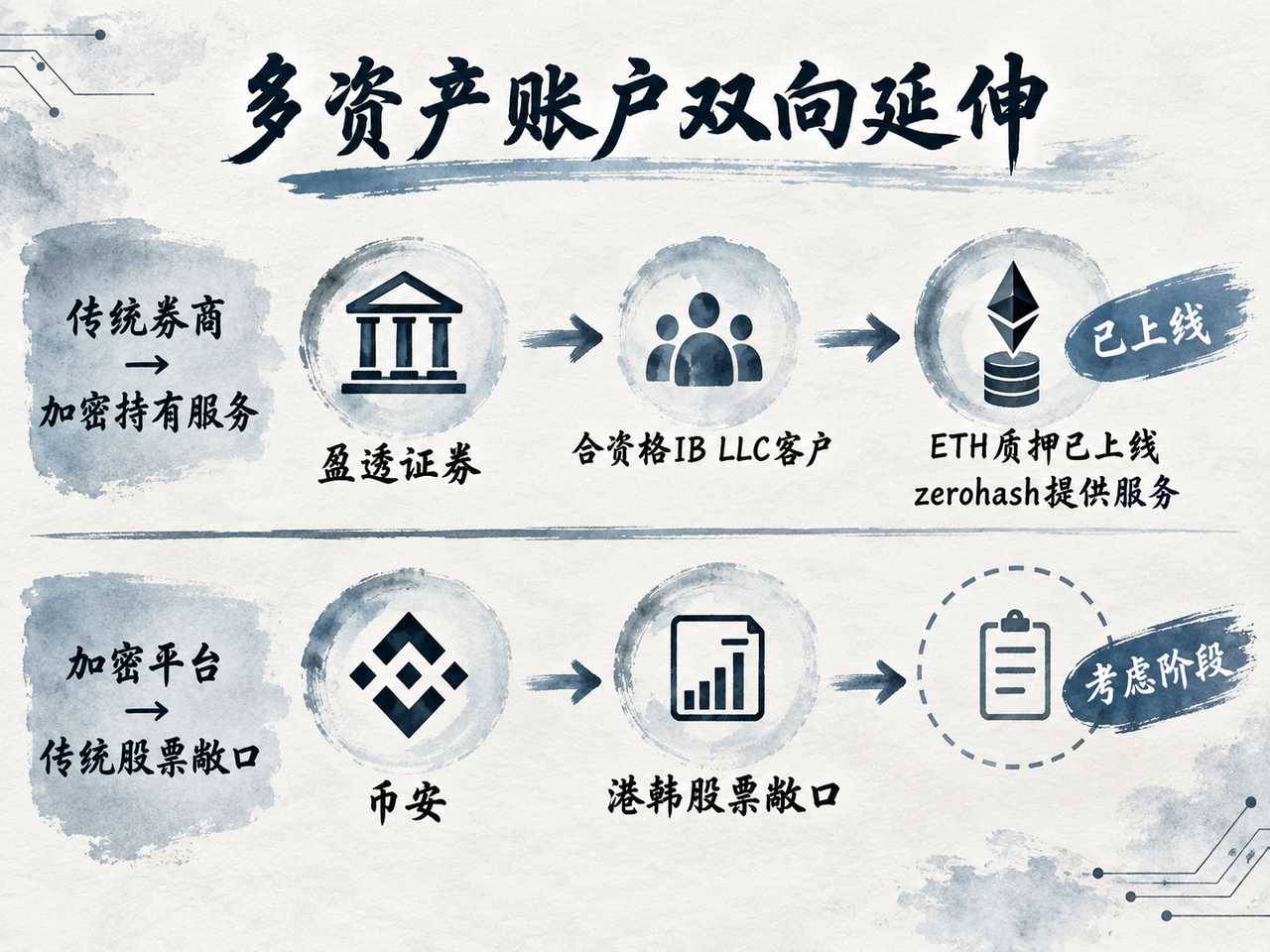
While regulation remains at the advance-consultation stage, traditional financial institutions are moving more directly in implementation. Interactive Brokers announced on October 13 that eligible Interactive Brokers LLC clients could submit Ethereum (ETH) staking and unstaking requests through the staking dashboard in Client Portal and track their processing status in real time. Infrastructure provider Zero Hash supports the service. Staking rewards are automatically added to staked assets, allowing continuous compounding during the staking period.
The service integrates Ethereum's on-chain yield function directly into a multi-asset brokerage account, allowing investors to manage US equities, options, crypto allocations and staking positions together in one interface. For a broad-based broker, expanding crypto from an initial spot-trading gateway into return management over the holding period can strengthen account engagement and fund retention. For investors, regulated custody qualifications, the infrastructure provider's ability to perform and geographical eligibility become key considerations. Interactive Brokers also noted that the service is available only to certain eligible clients, with availability depending on the client's legal entity and jurisdiction of residence.
At the same time, crypto-native platforms are exploring expansion in the opposite direction, into traditional financial assets. In an interview published by Fortune on October 13, Binance co-CEO Richard Teng said the exchange was assessing the feasibility of offering exposure to traditional equity markets including Hong Kong and South Korea. The idea remained at an early exploratory stage, with product structures, eligible jurisdictions and launch schedules unspecified. It nevertheless reflected large crypto platforms' strategic ambition to become integrated multi-asset venues.
As traditional brokers expand further into yield-bearing crypto assets and crypto-native institutions seek broader traditional-asset exposure, their competition for account access and retained assets is widening significantly. Evolving regulation determines the organizational boundaries and licensing forms for these combined businesses, while actual product launches directly test demand for one-stop multi-asset accounts.
Click 'Read original' for full details.