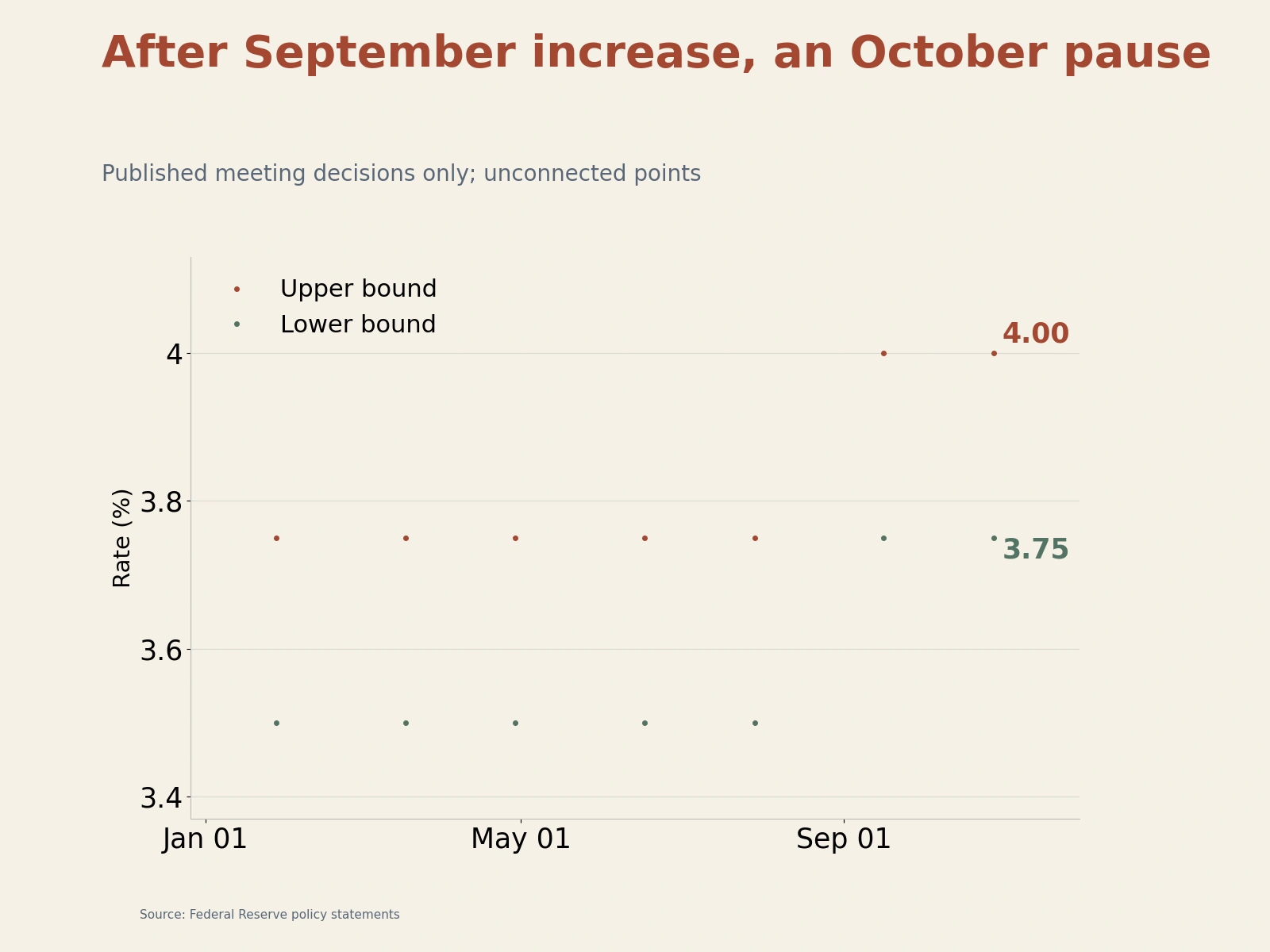
The latest comments from Federal Reserve policymakers indicate that continued modest tightening this year remains part of their baseline thinking, while rate decisions for subsequent years remain firmly data-dependent. After September's 25-basis-point increase in the federal funds target range to 3.75%–4.00%, New York Fed President John Williams and Boston Fed President Susan Collins both spoke publicly on October 13. Williams expressed a preference for one more hike this year; Collins supported further increases. Neither committed in advance to a specific date. Their main concern is whether price pressure caused by energy costs and artificial intelligence investment will spread to other industries.
Officials favor further hikes this year, with attention on the spread of price pressures
Reuters, citing a Bloomberg interview, reported that Williams expected headline inflation to move back toward 2% over the whole of next year as tariff disruption gradually faded and energy prices ceased to keep pushing inflation higher. He judged that the U.S. economy as a whole was not overheating and that current price pressures mainly reflected specific supply and investment shocks, including energy and technology investment. On that assessment, there is room for one further rate increase this year followed by an evaluation of policy transmission. Williams also retained the possibility of adjusting next year's policy path if subsequent data changed unexpectedly.
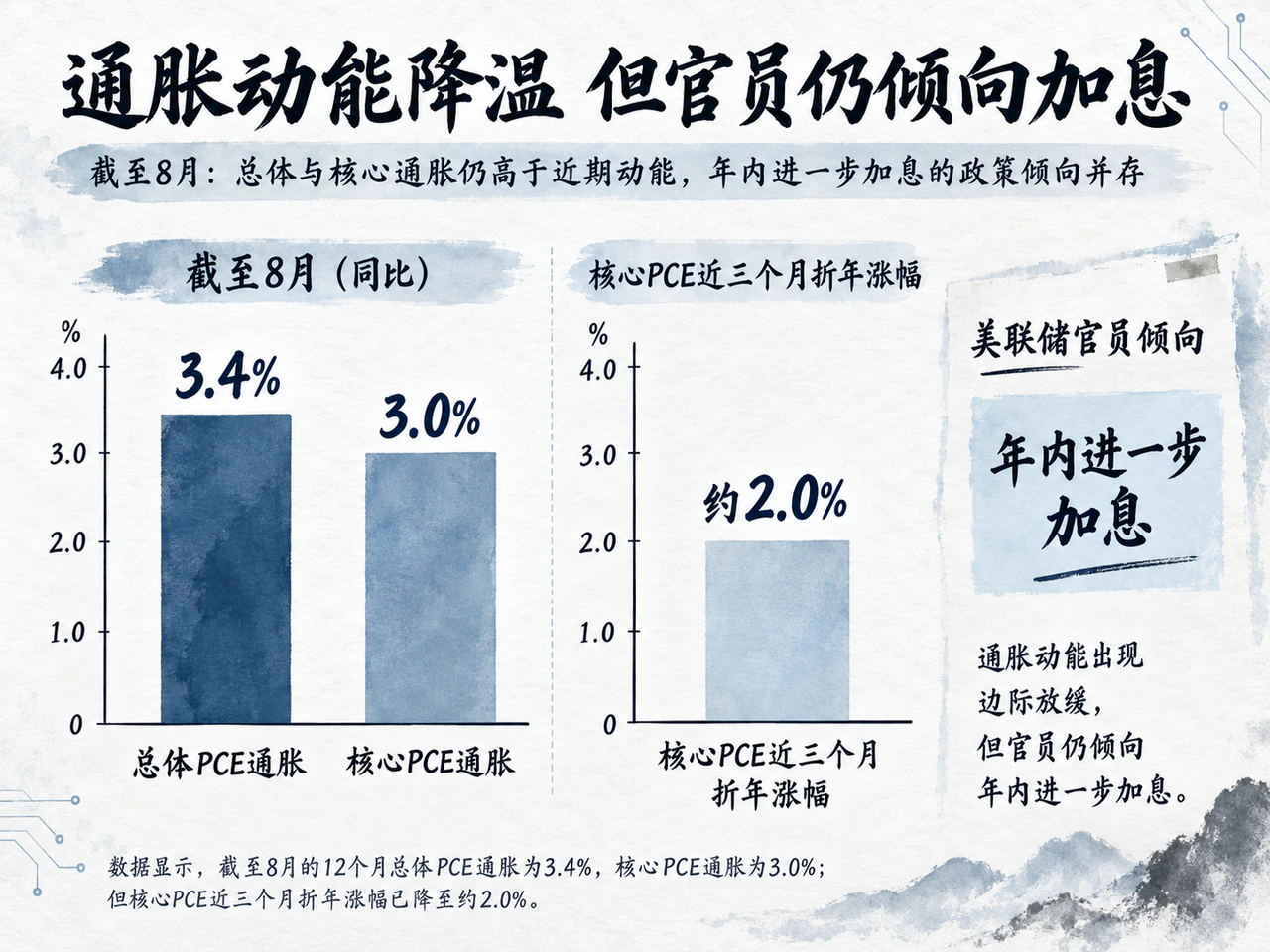
In remarks to a regional and community bankers' conference, Collins broke down the price risks in greater detail. Headline PCE inflation over the twelve months through August was 3.4% and core PCE inflation 3.0%. Yet the annualized increase in core PCE over the latest three months had slowed to about 2.0%, showing some moderation in short-term price momentum. Higher jet fuel, diesel and heating-oil prices were nevertheless continuing to pass through to service-sector costs, including transport and accommodation, while goods related to data-center construction also faced price pressure.
In her baseline, Collins expected healthy economic growth, a labor market near full employment and productivity improvements that would guide inflation gradually toward 2%. However, she assigned each of two other scenarios a probability comparable to the baseline: AI investment and wealth gains could lift aggregate demand above supply capacity, or tariff and energy shocks could intensify again. This explains why slower short-term core inflation can coexist with officials' continued preference for hikes. The former confirms a period of cooling, while the latter guards against persistent or spreading price pressures.
Discount-rate minutes confirm sectoral differences; inflation releases will test price spillovers
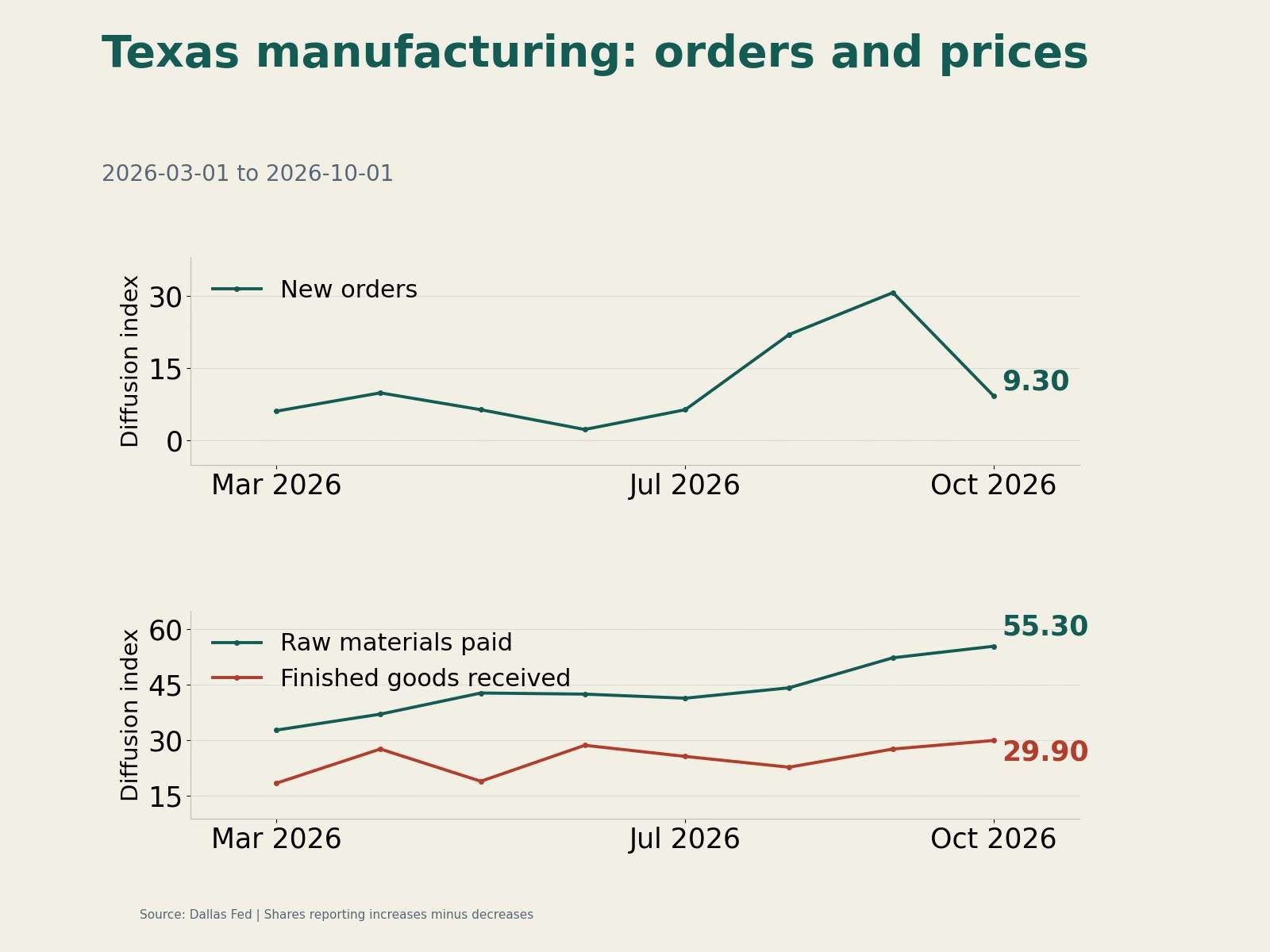
Minutes of the September 9 discount-rate meeting, released by the Fed on October 13, added a microeconomic perspective on regional and employment divergence. Labor supply and demand were broadly stable across most districts and wage growth moderate, but recruitment remained difficult for critical skilled roles linked to AI and data-center construction. Businesses also faced rising costs from fuel, tariffs, health care and competition for resources. These newly disclosed observations corroborated the sectoral structural differences emphasized by Collins.
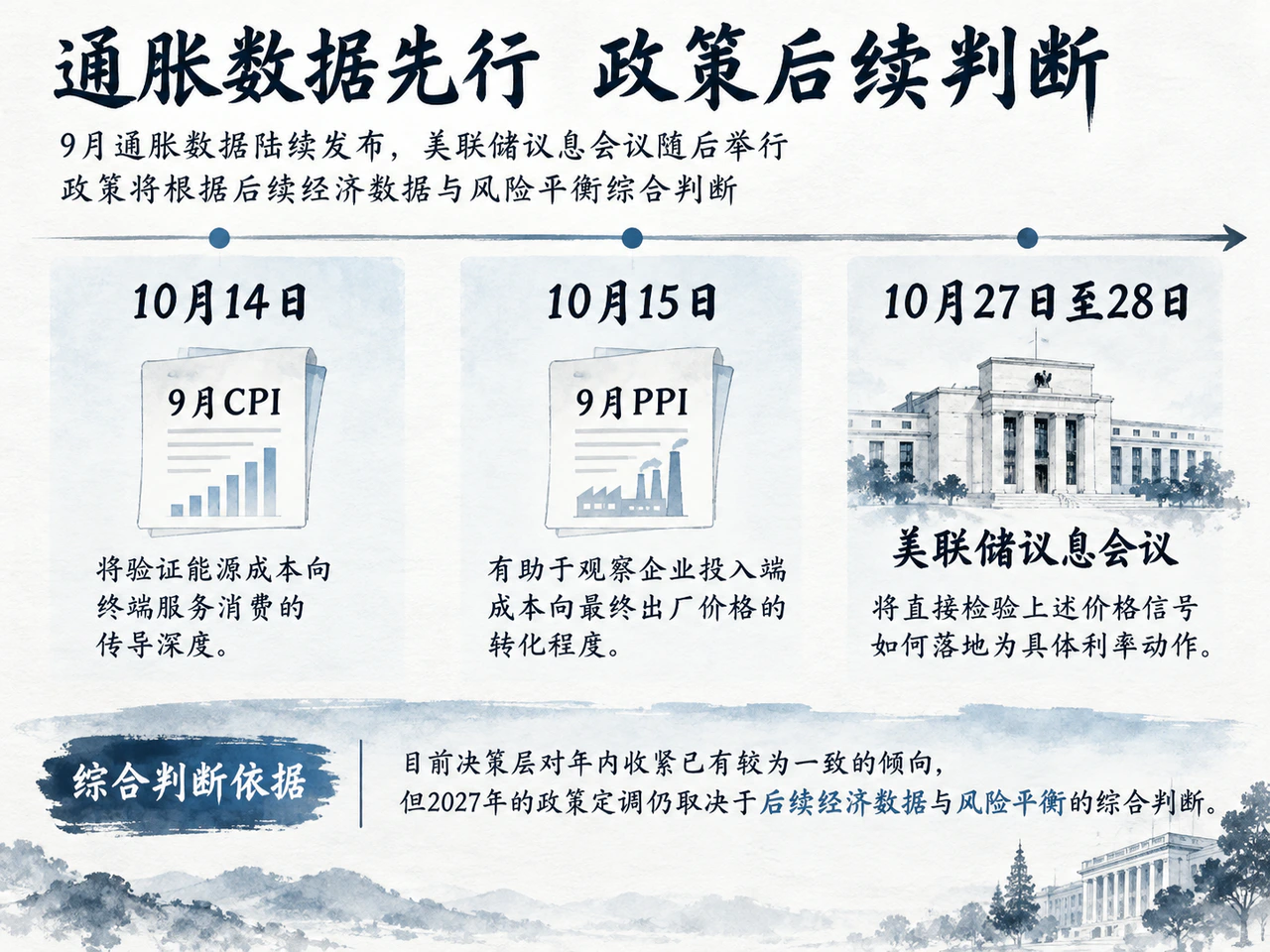
Markets are closely watching the forthcoming September inflation data. September CPI, released on October 14, will test how deeply energy costs have passed into final consumer services. September PPI on October 15 will help show how input costs are translating into final factory-gate prices. If increases remain concentrated in energy and AI infrastructure while other components continue cooling, the Fed will have more discretion over the pace of subsequent action. If price pressure spreads across a wider range of goods and services, the case for further tightening this year will strengthen substantially.
The October 27–28 Fed meeting will directly test how these price signals translate into concrete rate decisions. The central policy questions are whether to tighten this year, when to raise rates, and whether there is a case for sustained increases over a longer horizon, including 2027. Policymakers currently show a broadly shared inclination toward tightening this year, but the 2027 stance still depends on a combined assessment of subsequent economic data and the balance of risks.