On October 13, crude markets weighed prospective supply recovery against Middle Eastern geopolitical risks, producing pronounced product and regional divergence. Expectations of increased Russian diesel exports pulled Brent lower, but US diesel futures rose approximately 5% intraday, supporting a higher WTI close. By the morning of October 14, Beijing time, upstream supply showed improvement, while delivery risks and tight product spot markets continued putting a floor under oil.
Diverging benchmarks: Russian diesel prospects pressure Brent; stronger US products support WTI
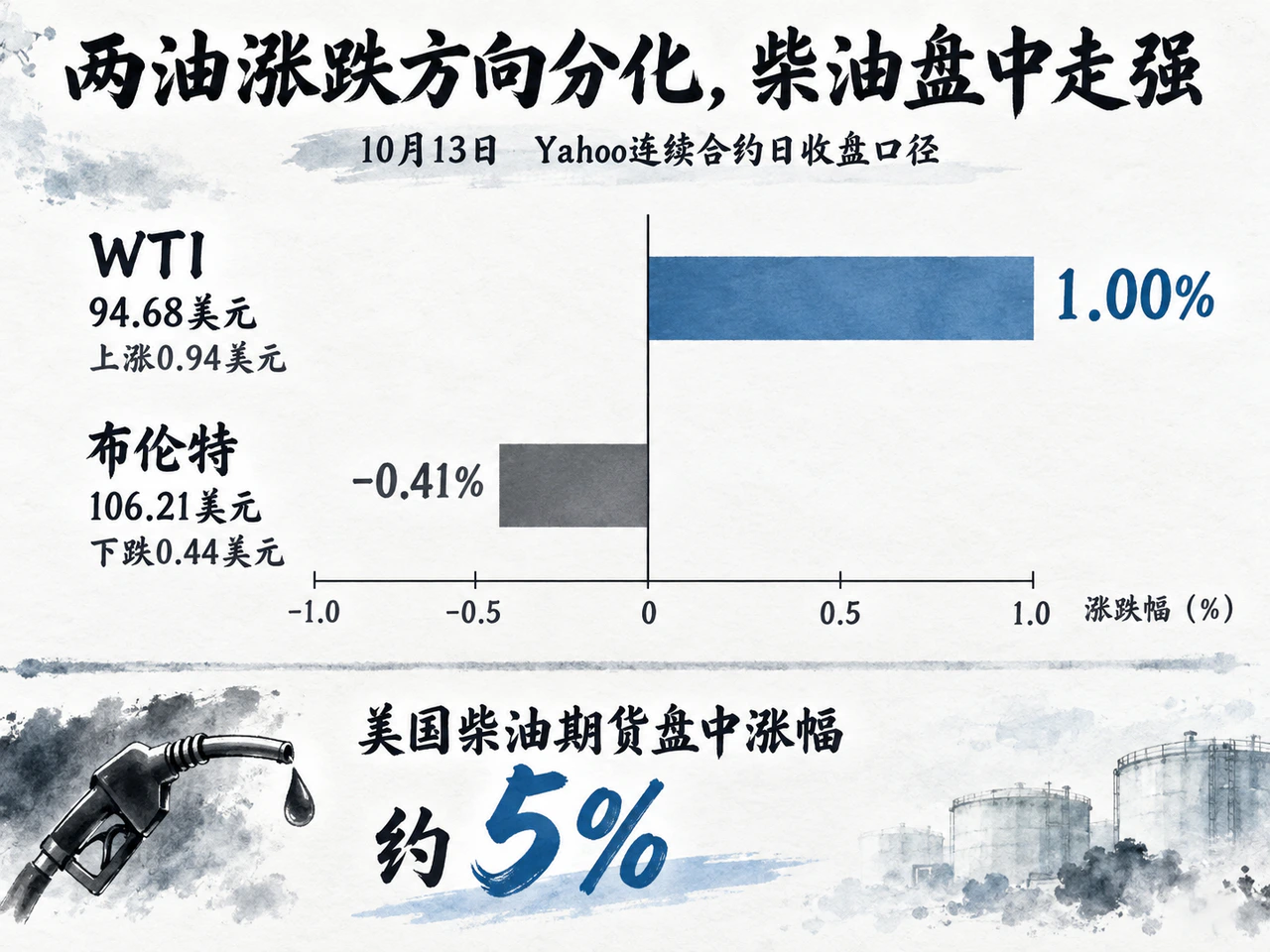
International benchmark oil prices diverged on October 13. Different statistical bases reflected the same pattern:
- Yahoo continuous-contract daily closes: WTI closed at $94.68 a barrel, up $0.94, or approximately 1.00%, from October 12; Brent closed at $106.21, down $0.44, or approximately 0.41%.
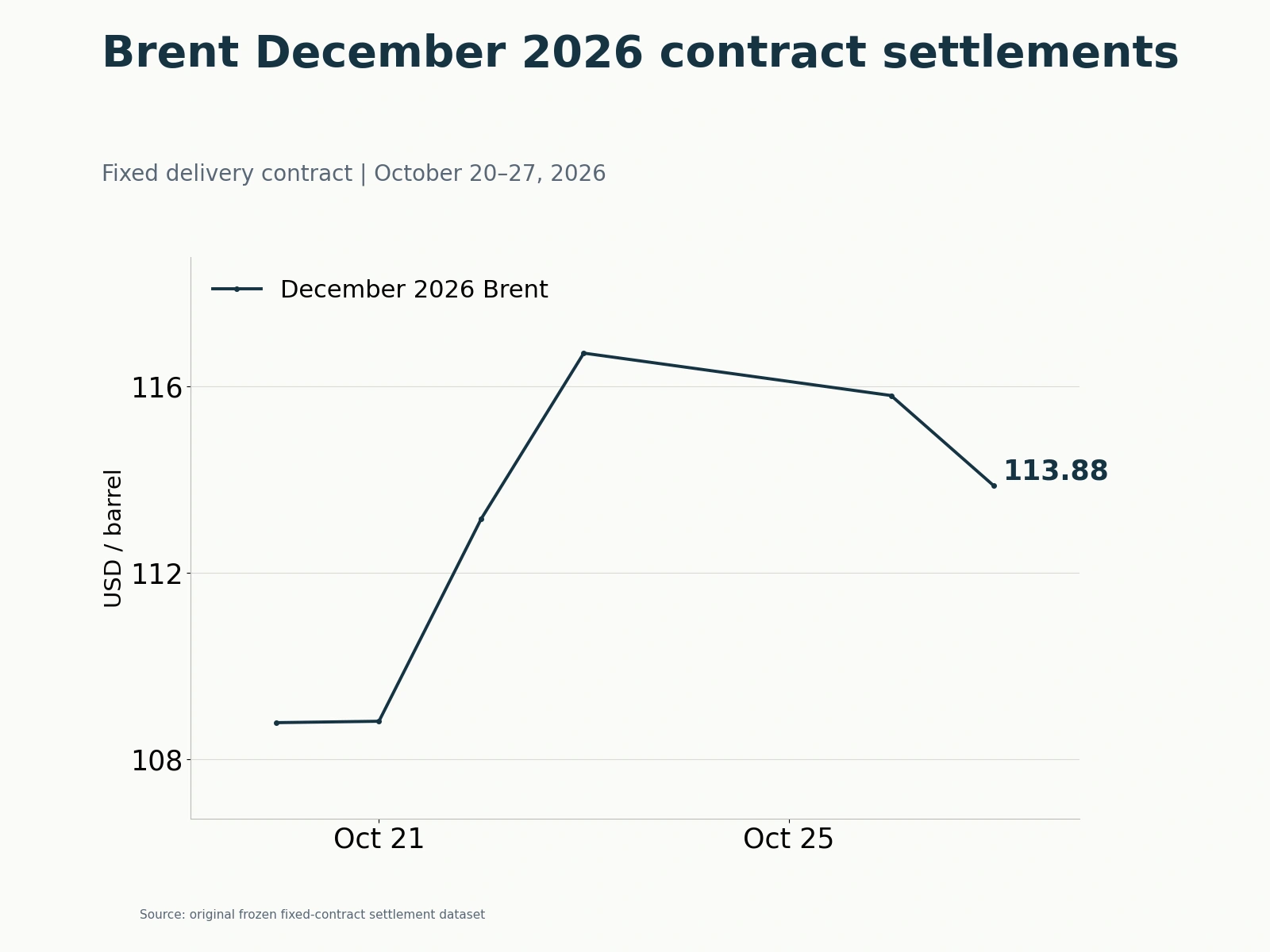
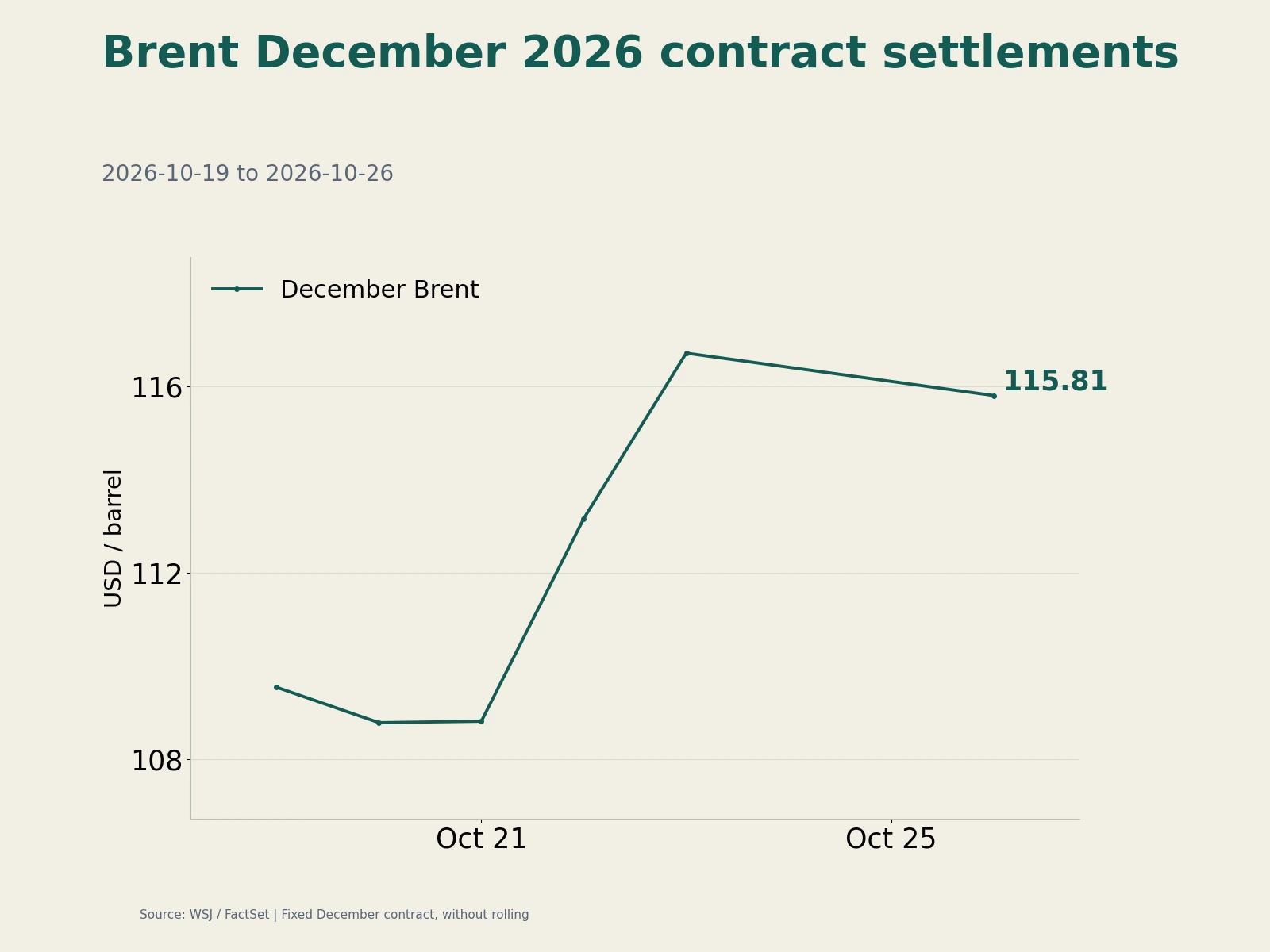
- Reported exchange settlements: December Brent closed at $105.69 a barrel, down $0.96, or approximately 0.9%, after the previous day's highest settlement since September 15. November WTI closed at $94.14, up $0.40, or approximately 0.4%, its highest settlement since September 24.
Improved expectations for Russian supply were the main trigger for Brent's weakness. According to Anadolu Agency, Russian Deputy Prime Minister Alexander Novak said on October 12 that Russian diesel exports could rise to 3.5 million tonnes per month through year-end. The prospect of additional supply marginally eased the diesel-supply burden on refineries elsewhere and reduced the premium for emergency restocking.
Physical product tightness had not, however, materially eased. Reuters reported on October 13 that US diesel futures still rose approximately 5% intraday. Export planning, refinery scheduling and actual arrivals involve logistical delays; short-term negotiations and changing expectations cannot immediately fill physical shortages. High diesel crack margins strengthen refineries' economic incentive to process crude, supporting WTI.
On the financial side, the dollar index closed near 102.215 on October 13, down 0.36% that day, providing some cost relief for non-US buyers. Yet diverging crude benchmarks and diesel's leading gains show that product crack spreads and regional supply bottlenecks remain the principal pricing drivers.
Supply and demand reset: OPEC keeps cutting this year's growth forecast as next-year restocking meets higher Saudi output
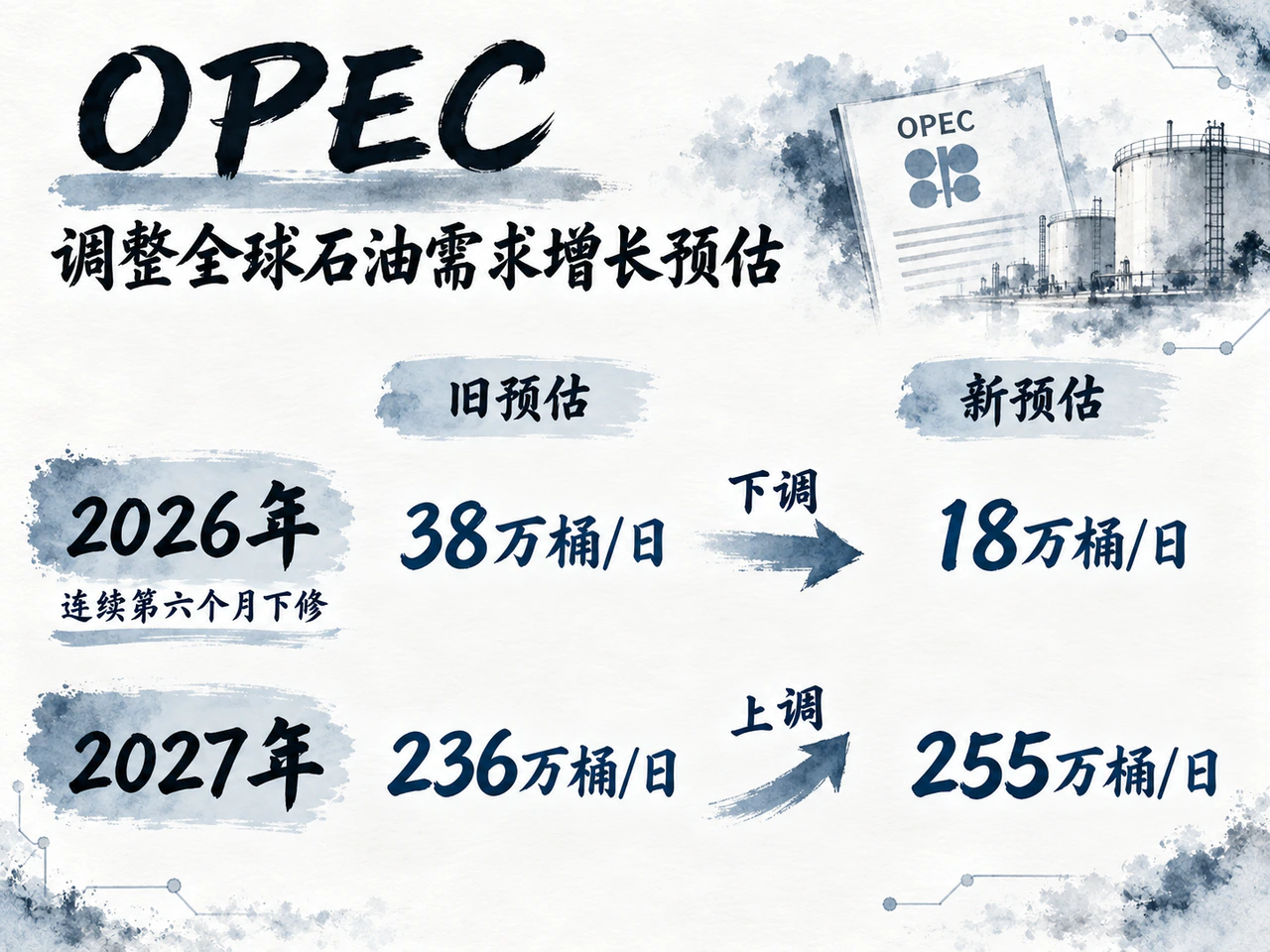
OPEC's monthly market report released October 13 made important revisions on both sides of the balance:
- Demand shifts across years: OPEC cut its 2026 global oil demand-growth forecast from 380,000 to 180,000 barrels per day, its sixth consecutive monthly downgrade, while raising 2027 growth from 2.36 million to 2.55 million barrels per day. It attributed next year's stronger demand to delayed release of previously constrained consumption and restocking after war depleted inventories.
- Additional supply starts to emerge: Asharq Al-Awsat, citing OPEC's report, said members' September crude output rose approximately 920,000 barrels per day month on month to 25.097 million, with Saudi Arabia providing the principal increase.
On policy, seven OPEC+ members participating in voluntary adjustments decided October 4 to maintain September production quotas through November. Recovery of supply previously obstructed by transport could increase actual market deliveries even with unchanged quotas. Realized arrivals will matter more than nominal quotas for physical availability.
Term structure and risk premiums: 2027 forwards set records as transport bottlenecks intensify inventory pressure
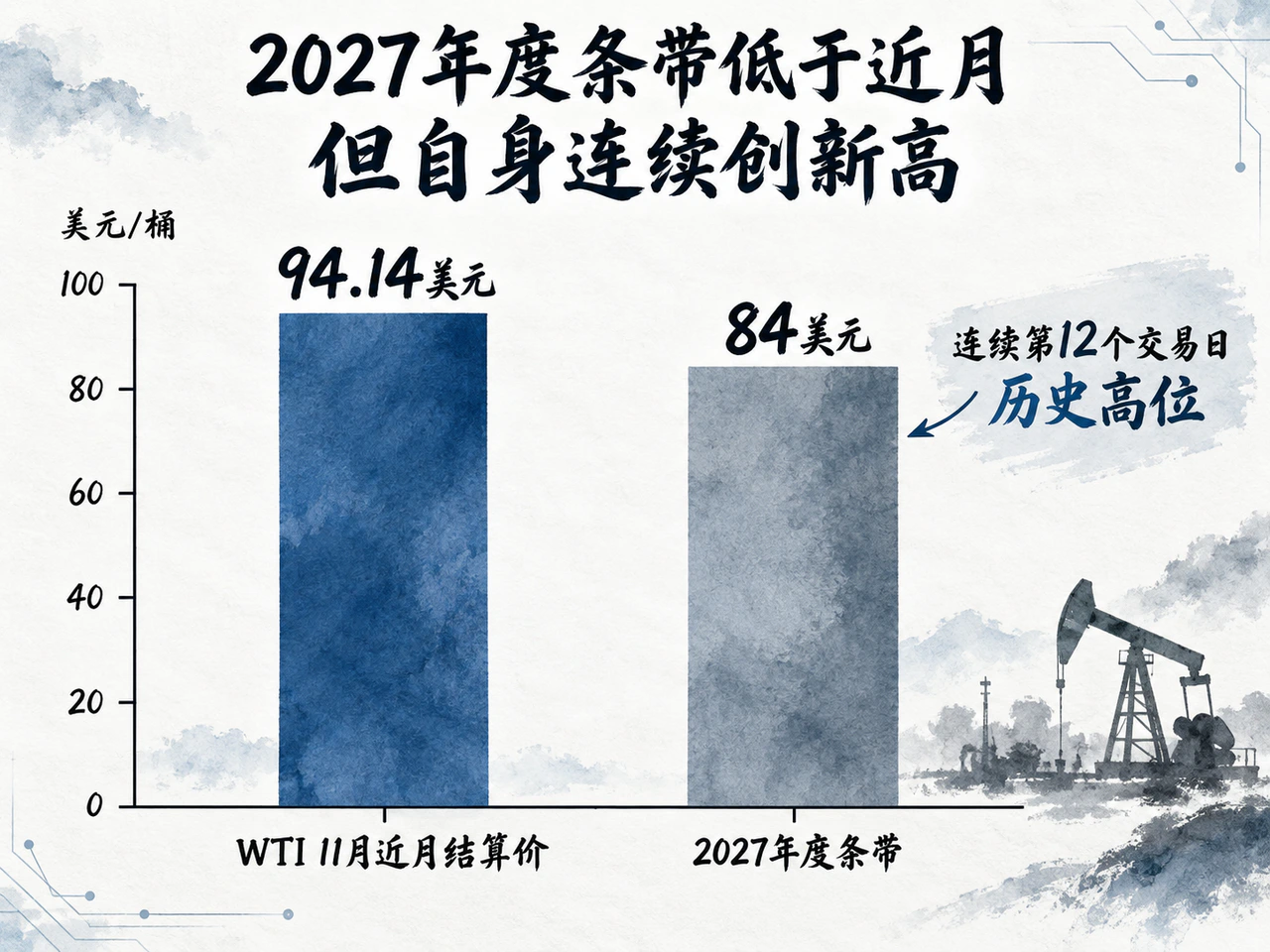
Alongside spot-market tensions, the forward strip kept rising. Reuters reported that the 2027 calendar-year WTI futures strip reached $84 a barrel on October 13, setting a record for that strip for the 12th consecutive session. Although $84 remained below nearby November WTI's $94.14 settlement, the annual strip's sustained rise reflects repricing of supply-chain repair time and future postwar restocking demand.
Middle Eastern disruption continues passing through to refinery procurement via freight and insurance. In its October 6 Short-Term Energy Outlook, the EIA said that, despite increased regional oil exports in September, soaring tanker insurance, rerouting and reduced effective capacity continued raising total freight costs. It estimated global oil stocks drew an average 1.9 million barrels per day in the third quarter and projected further draws of 700,000 in the fourth. Reports of attacks in Saudi Arabia and Yemen on October 13 further reinforced risk premiums for shipping corridors and energy infrastructure.
Key indicators and dates

Whether oil shifts from volatility to sustained decline depends on additional supply materially offsetting geopolitical disruptions and rebuilding inventories. Four dimensions warrant attention:
- Actual Russian diesel loadings and arrivals: test delivery of promised export increases.
- Diesel crack spreads: assess whether product shortages begin easing at the margin.
- Persian Gulf crude shipments and freight rates: gauge shipping-route recovery.
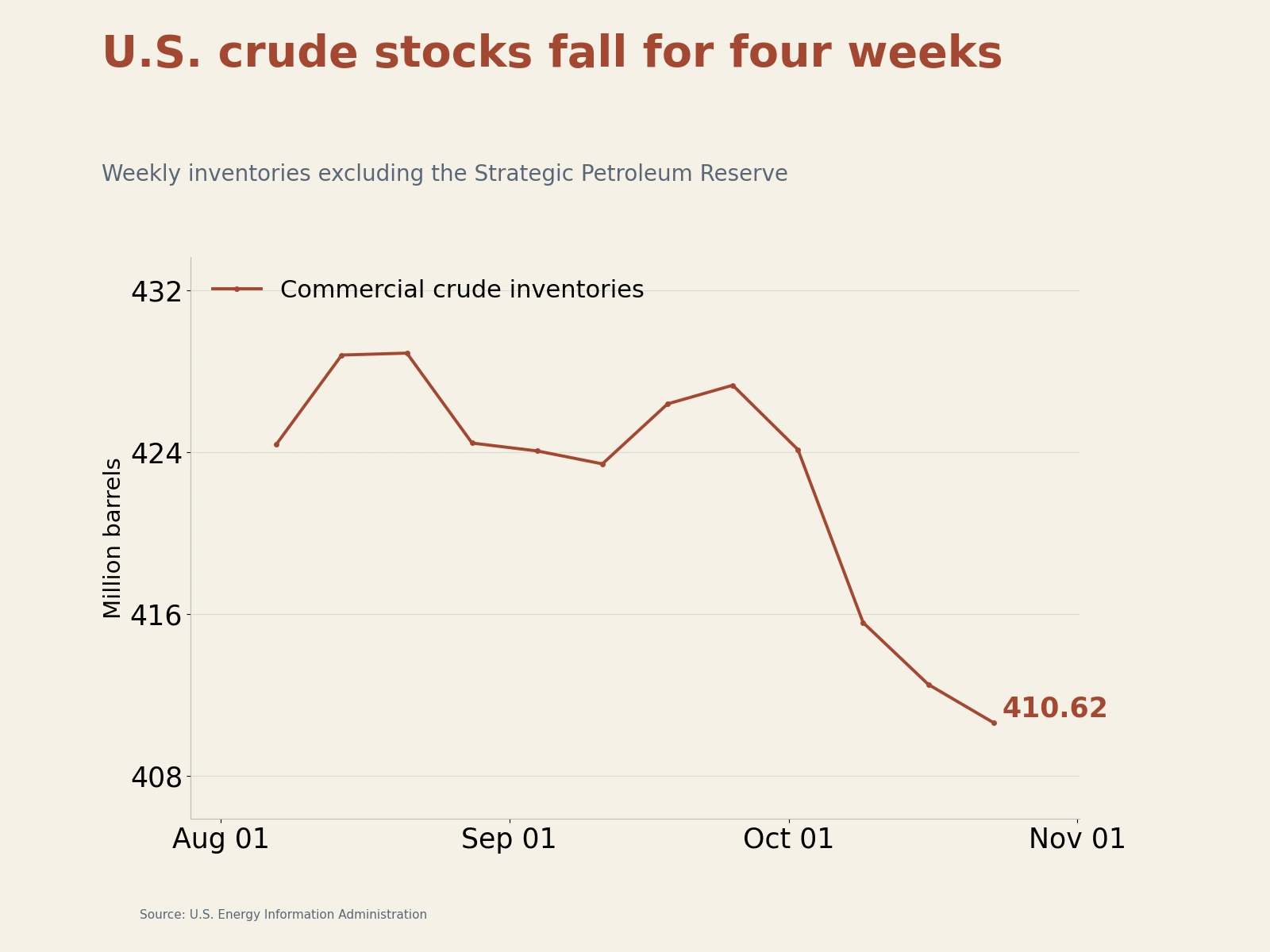
- US crude and product inventory changes: confirm refinery throughput and end-market absorption.
Because of a US public holiday, this week's EIA crude and product inventory report is delayed until noon October 15, US Eastern time, or 00:00 October 16, Beijing time. If tight diesel markets and high freight persist near term, end-user energy prices will cool only slowly even as upstream crude production recovers.