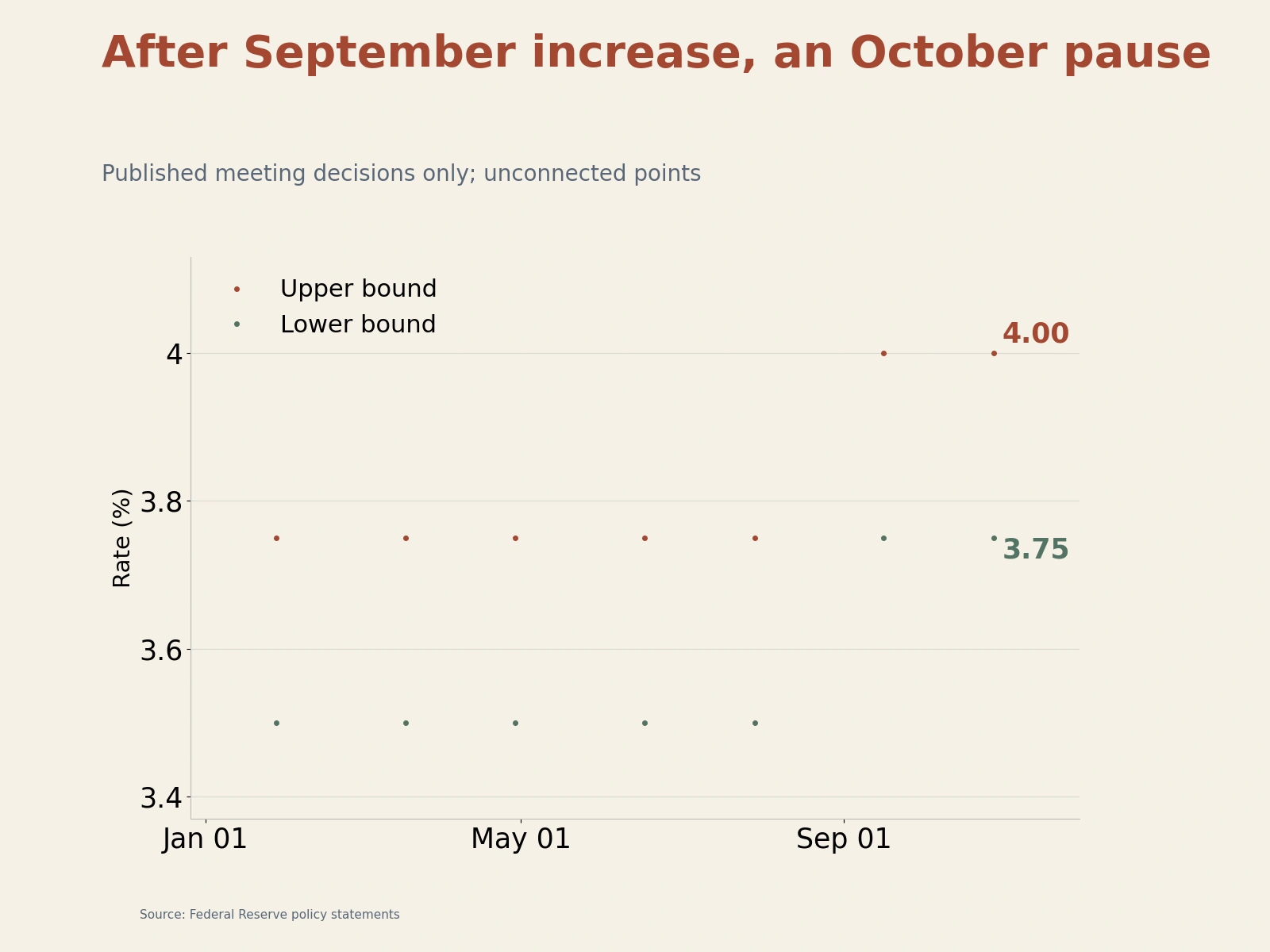
By the morning of October 15 Beijing time, September U.S. CPI and the latest Federal Reserve Beige Book had sharpened the policy tradeoff for the October 27–28 meeting. After September's 25-basis-point increase took the federal funds target to 3.75%–4.00%, the Fed must choose between another increase this month and a pause to assess earlier tightening. Gasoline is lifting consumer prices, core inflation remains sticky, and energy, transport and insurance costs are passing downstream through businesses.
September core CPI reaches 2.6% year on year; Beige Book shows oil passing through supply chains
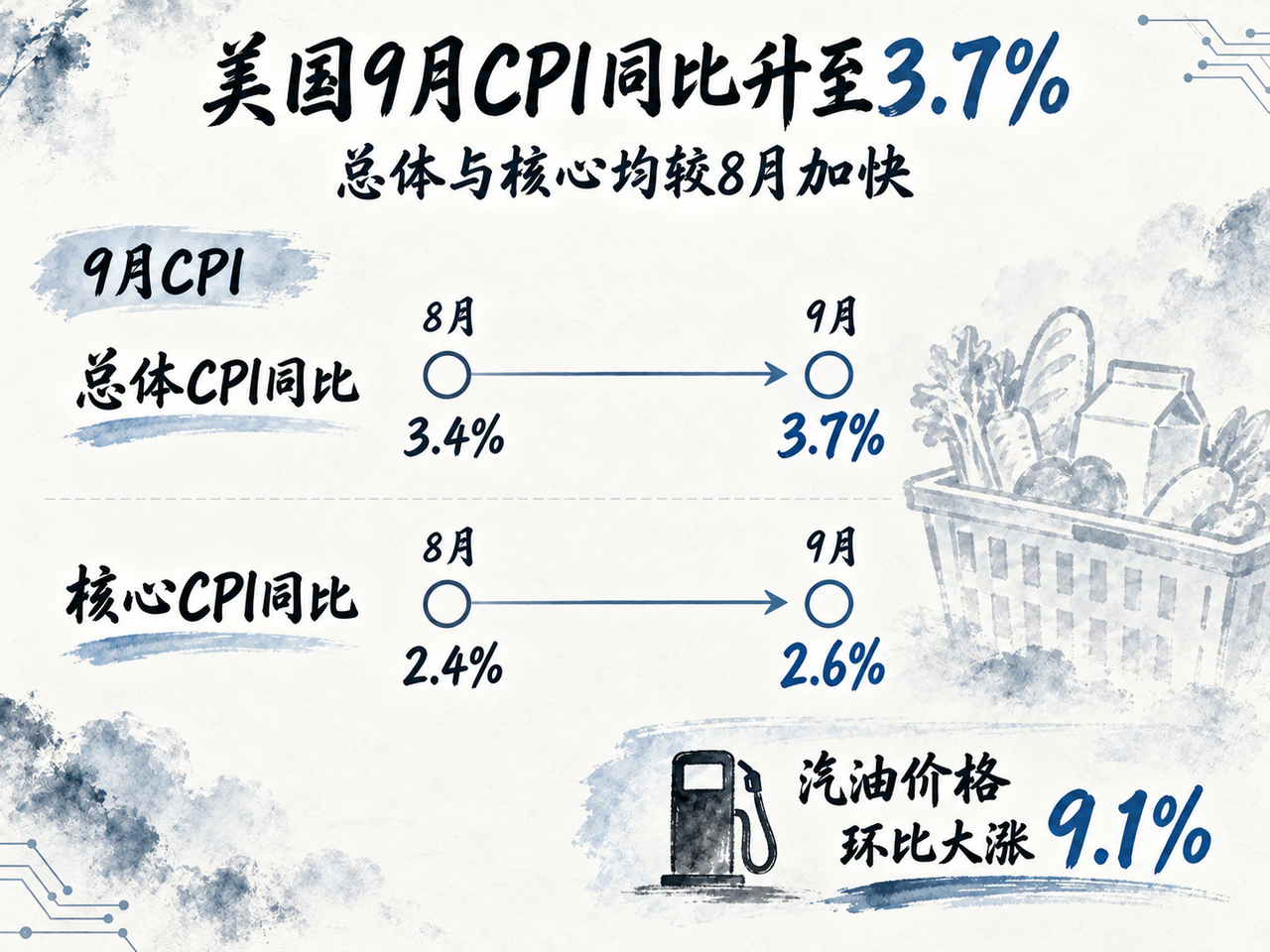
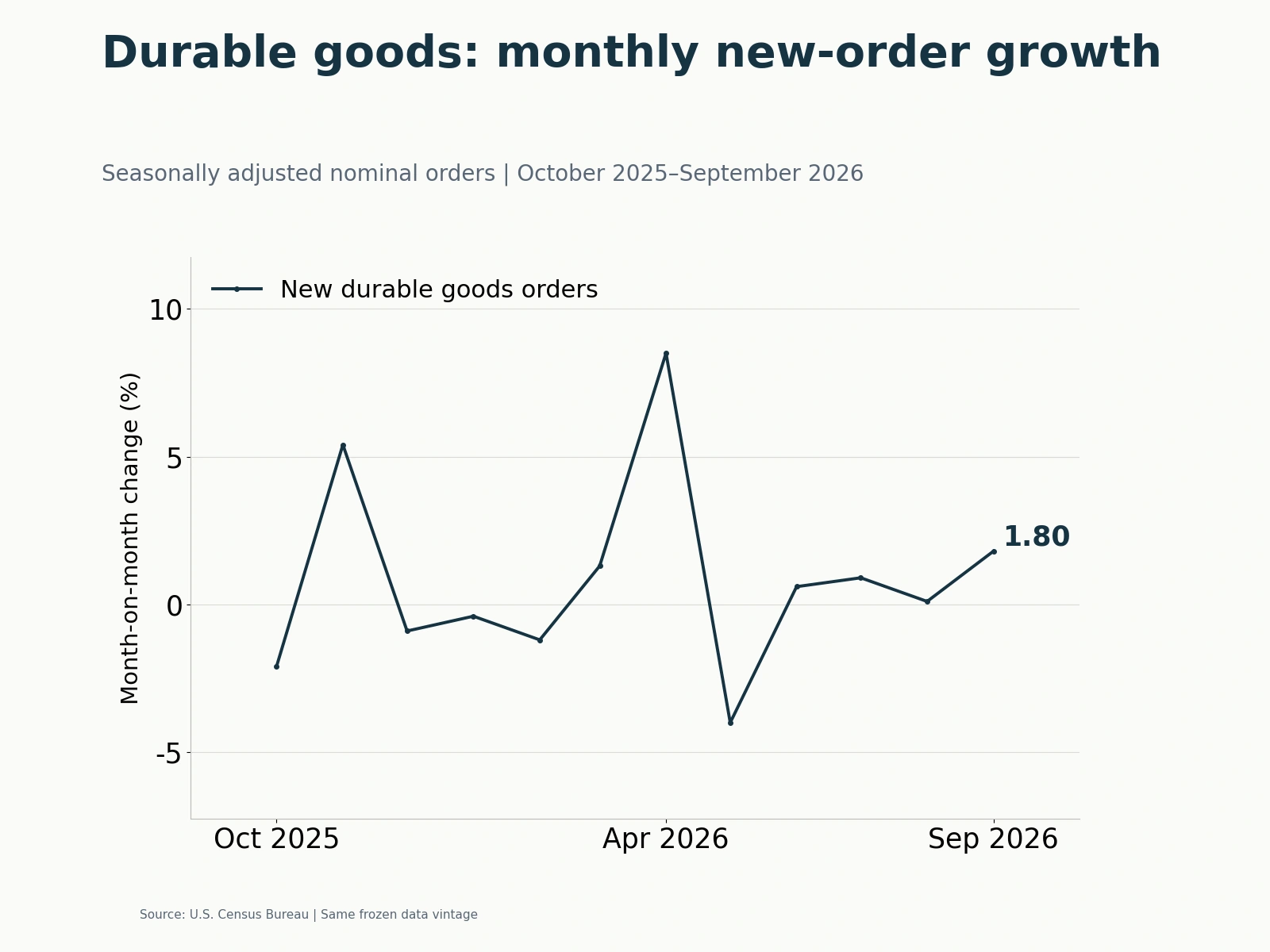
BLS data released October 14 showed seasonally adjusted September CPI up 0.6% month on month, versus August's 0.4%, with annual inflation rising from 3.4% to 3.7%. Gasoline jumped 9.1% on the month and contributed more than half the total increase. Excluding food and energy, core CPI rose 0.3% for the second consecutive month, with annual inflation increasing from 2.4% to 2.6%. Shelter rose 0.4% monthly, alongside increases in used vehicles, airfares and medical care. Core prices are thus still expanding beyond the energy shock; even if oil declines, shelter and other goods and services could slow disinflation. The Fed must judge whether the energy shock fades quickly or becomes more persistent inflation through business costs and pricing.
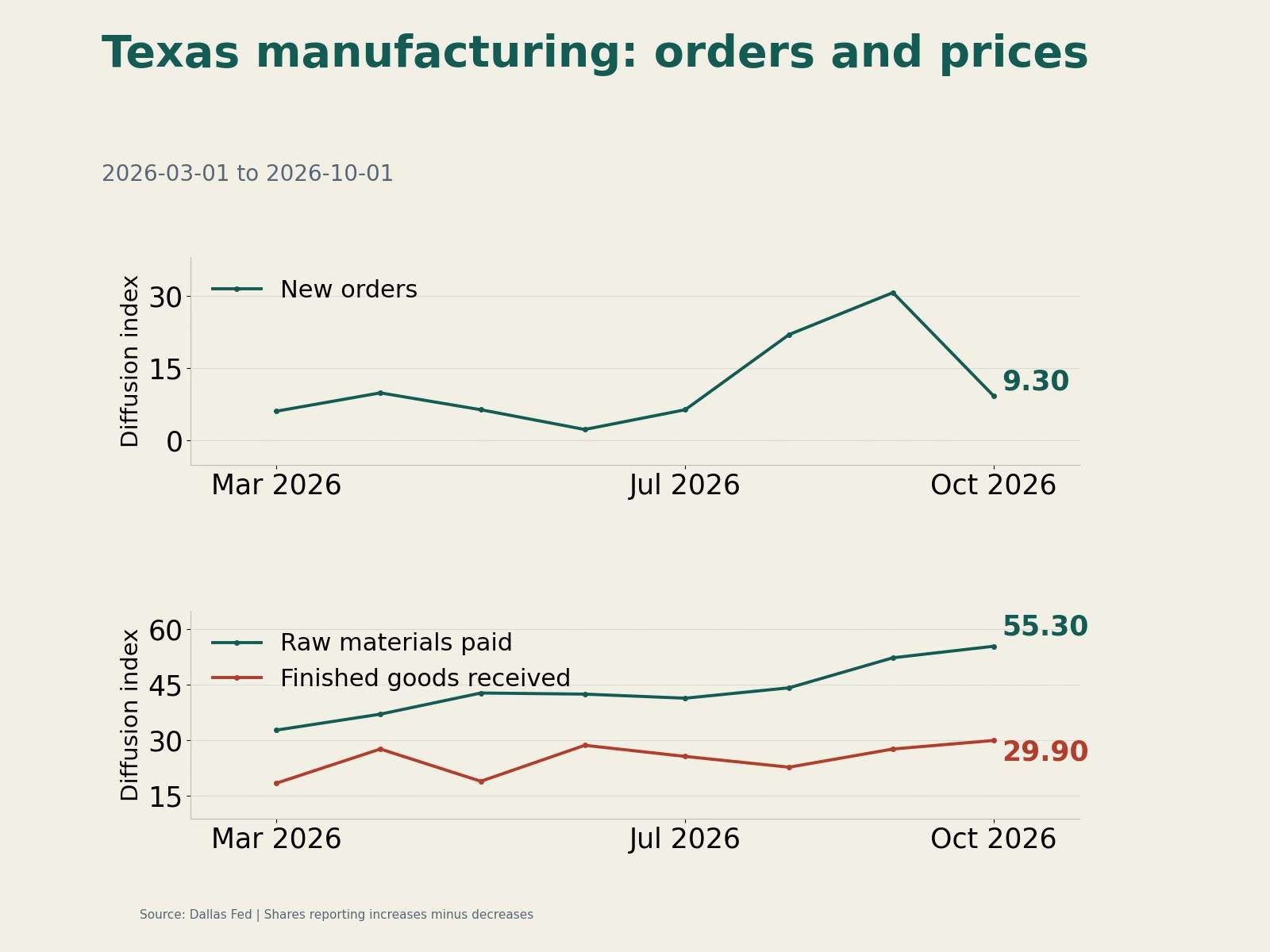
The Beige Book released the same day confirmed cost pass-through. Based on information collected through October 5, it reported strong price growth in 3 of the Fed's 12 districts, moderate growth in 8, and faster price increases than the preceding report in 4. Every district mentioned high oil prices, with diesel and fuel surcharges passing downstream. Some firms expected further increases over coming months as input hedges and delivery contracts expire and are renegotiated.
End demand nevertheless constrained firms' ability to pass on costs. Most districts reported little change in consumer spending; more than half said high-income households were driving consumption. Consumer-facing businesses faced margin pressure as customers resisted price increases. Rising costs and divided consumption require the Fed to weigh the need for consecutive anti-inflation hikes against the risk of a further demand slowdown.
October hike pricing approaches 50%; focus turns to PPI and import prices
On October 14, Fed Vice Chair for Supervision Bowman told the Institute of International Finance annual meeting in Bangkok that inflation remained above target, but September's hike allowed time to observe financial conditions and the economy, and that she felt no urgency for further action. Bloomberg's event video showed those remarks preceded the U.S. CPI release, reflecting a pre-data preference to await policy transmission.
After September CPI, market expectations for October tightened noticeably. Reuters reported on the morning of October 14 Eastern time that interest-rate futures priced nearly a 50% chance of another increase in October. Elevated core inflation strengthened the case for further tightening, while subdued consumption and limited hiring in the Beige Book supported careful pacing.
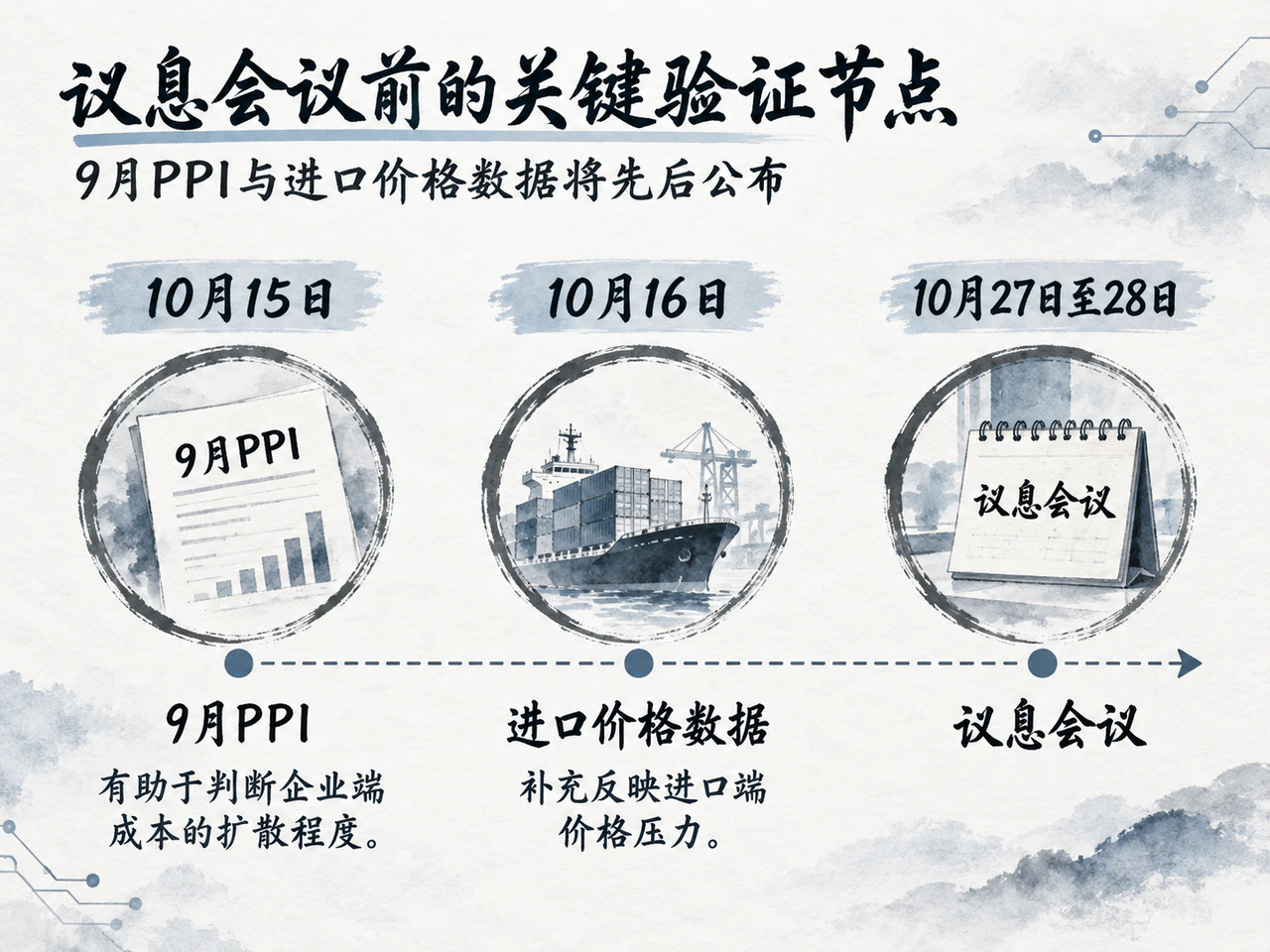
Before the October 27–28 meeting, the next key checks are September PPI on October 15 and import prices on October 16. PPI helps assess the spread of business costs, while import prices add evidence of imported pressure. Together with consumer prices and Beige Book feedback, they will inform the Fed's balance between price diffusion and demand resilience, and its decision on another October hike.