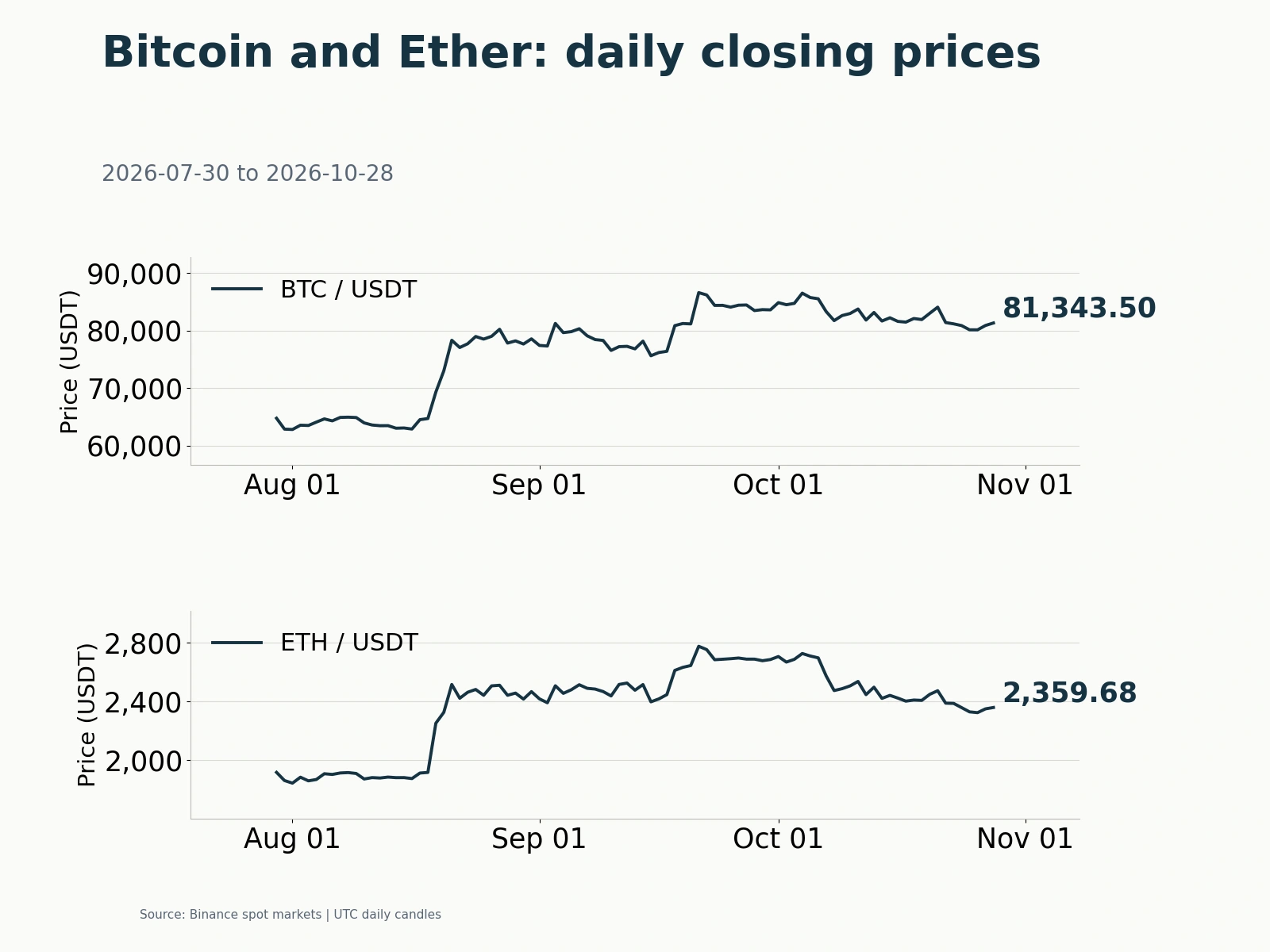
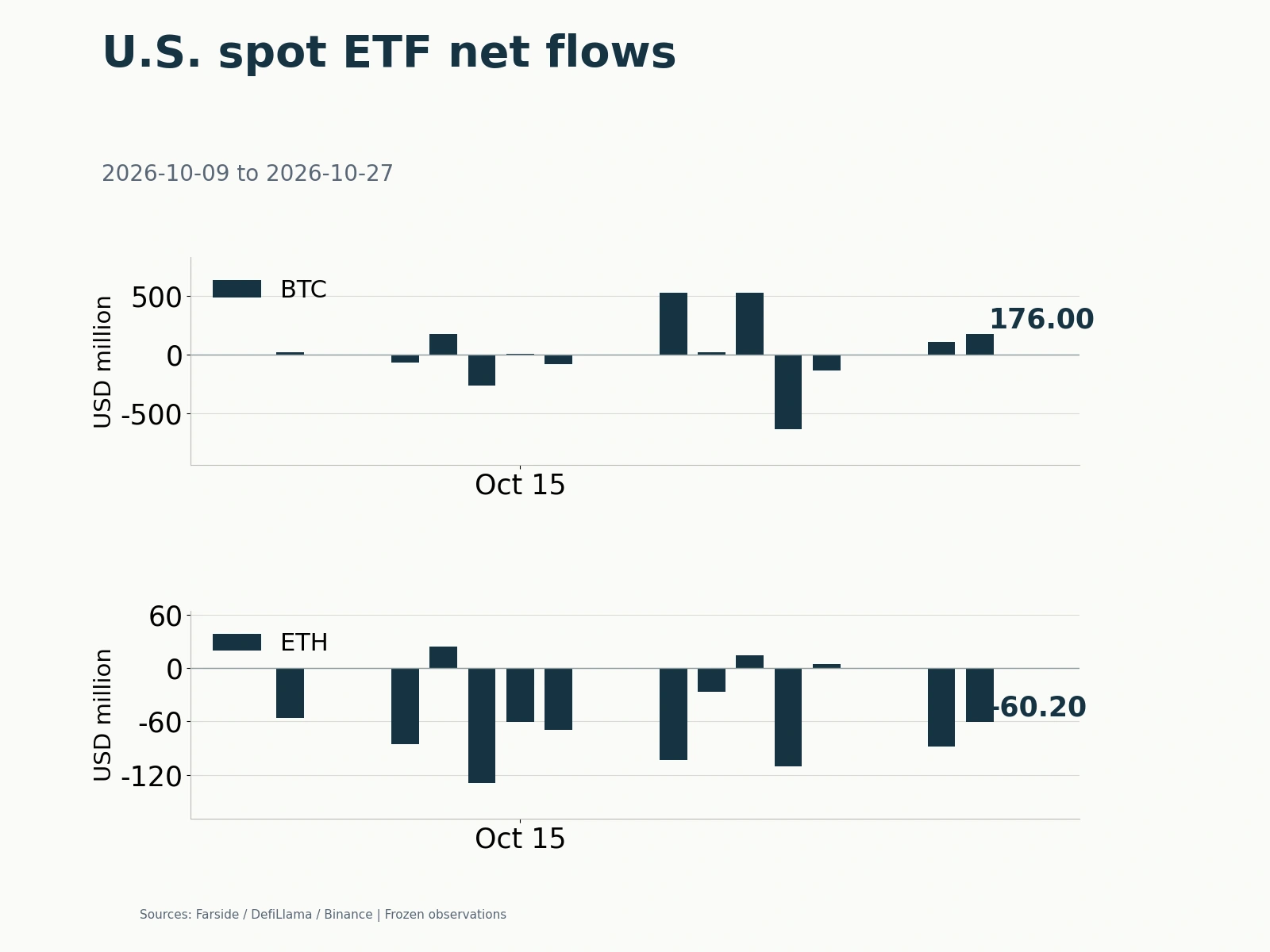
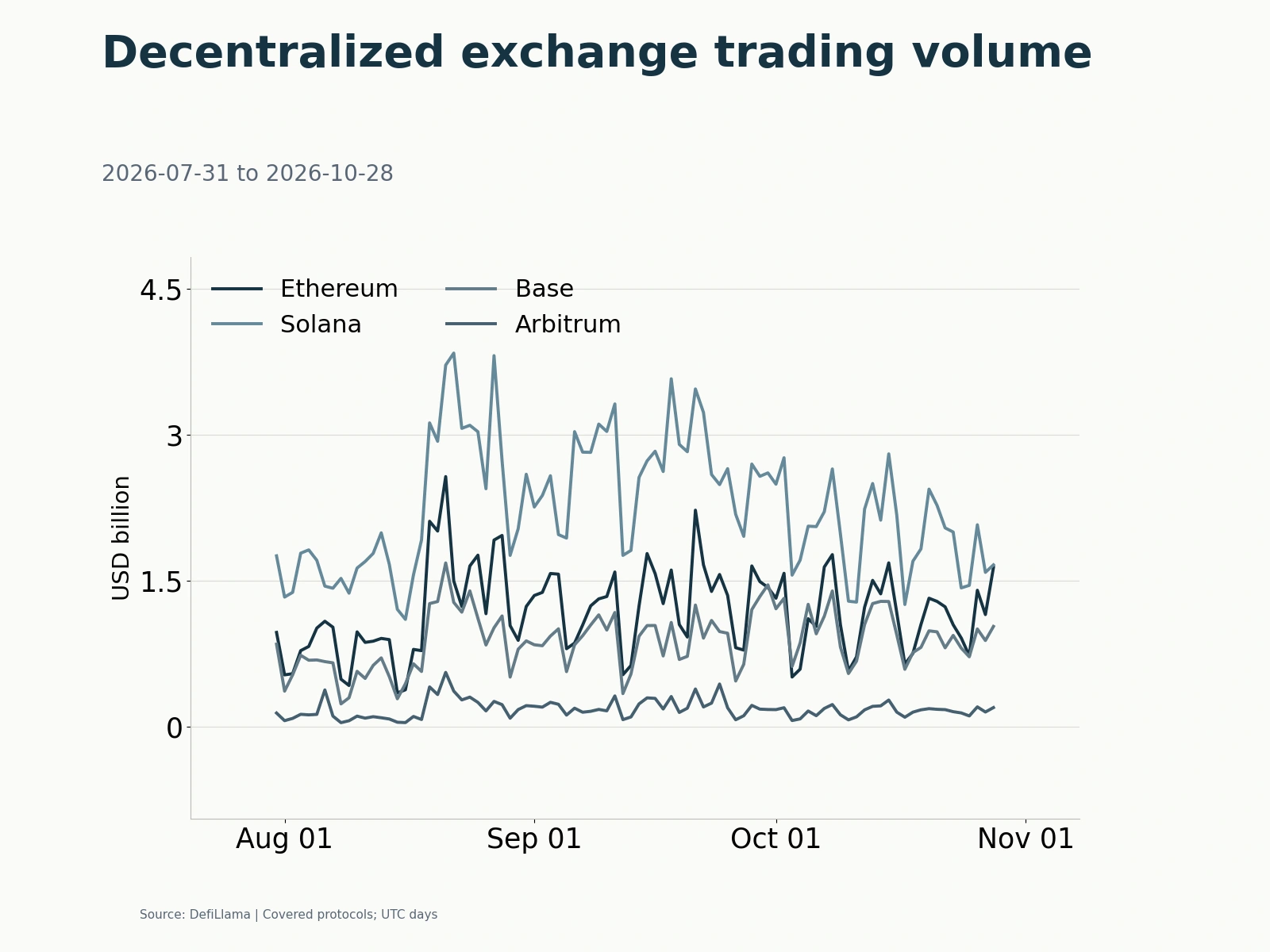
From October 12 to 18, on-chain trading recovered moderately, but capital retained in protocols and protocol charges continued to decline. On DefiLlama's definitions, weekly decentralized exchange (DEX) volume reached $58.988 billion, up 3.31% from the previous week. Protocols and networks covered by its statistics generated $519 million in user-paid fees over the same period, down 4.89%.
With the conversion of recovering trading into revenue still uncertain, on-chain competition by the morning of October 19 Beijing time was shifting further toward practical asset uses. Layer-2 networks were using stablecoin incentives to compete for existing capital, payment providers were integrating on-chain dollars into corporate treasury workflows, and tokenized real-world assets (RWA) were increasingly entering lending collateral. Whether new assets move from issuance and deposits to frequent use is becoming crucial to each ecosystem's ability to retain revenue.
Weekly DEX volume recovers to $58.988 billion; locked value and fees diverge
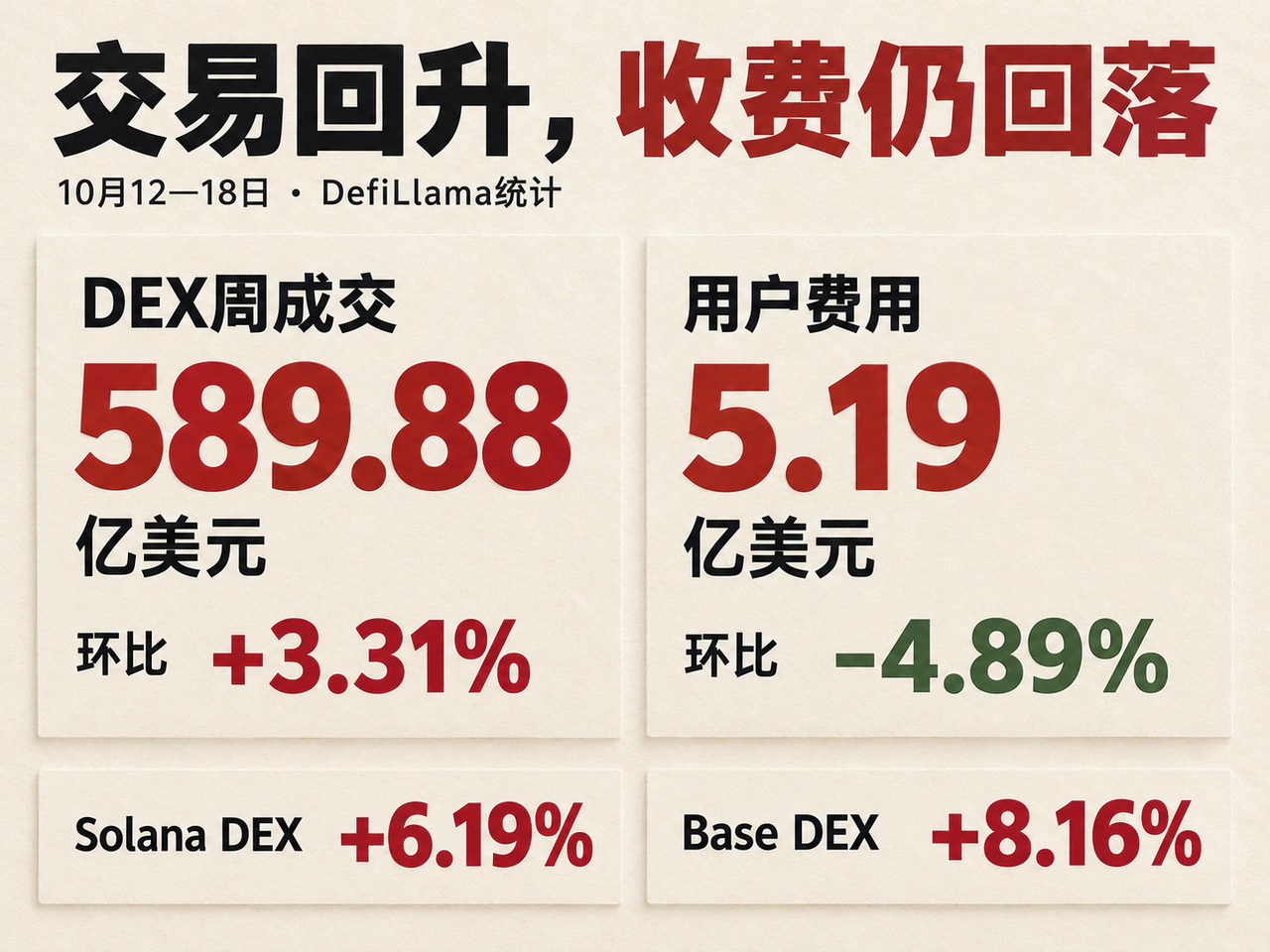
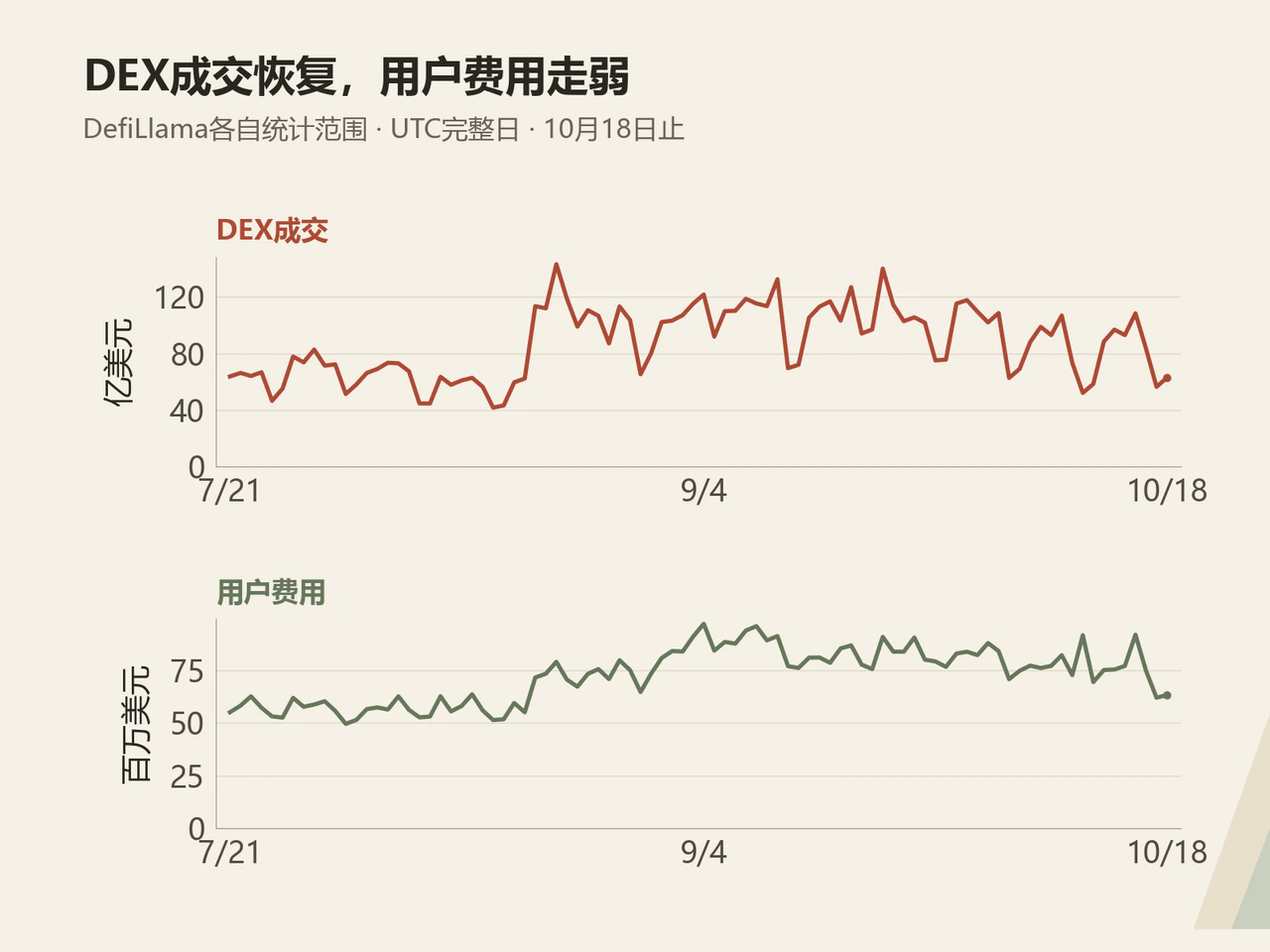
Despite the weekly rebound, average daily DEX volume of $8.427 billion remained below the 30-day average of $9.178 billion and 90-day average of $8.727 billion through October 18, consistent with a modest recovery phase. By network, activity continued concentrating in low-cost public chains and layer-2 networks: Solana and Base posted weekly DEX volume of $14.338 billion and $7.561 billion, up 6.19% and 8.16%, respectively, both outpacing the industry.
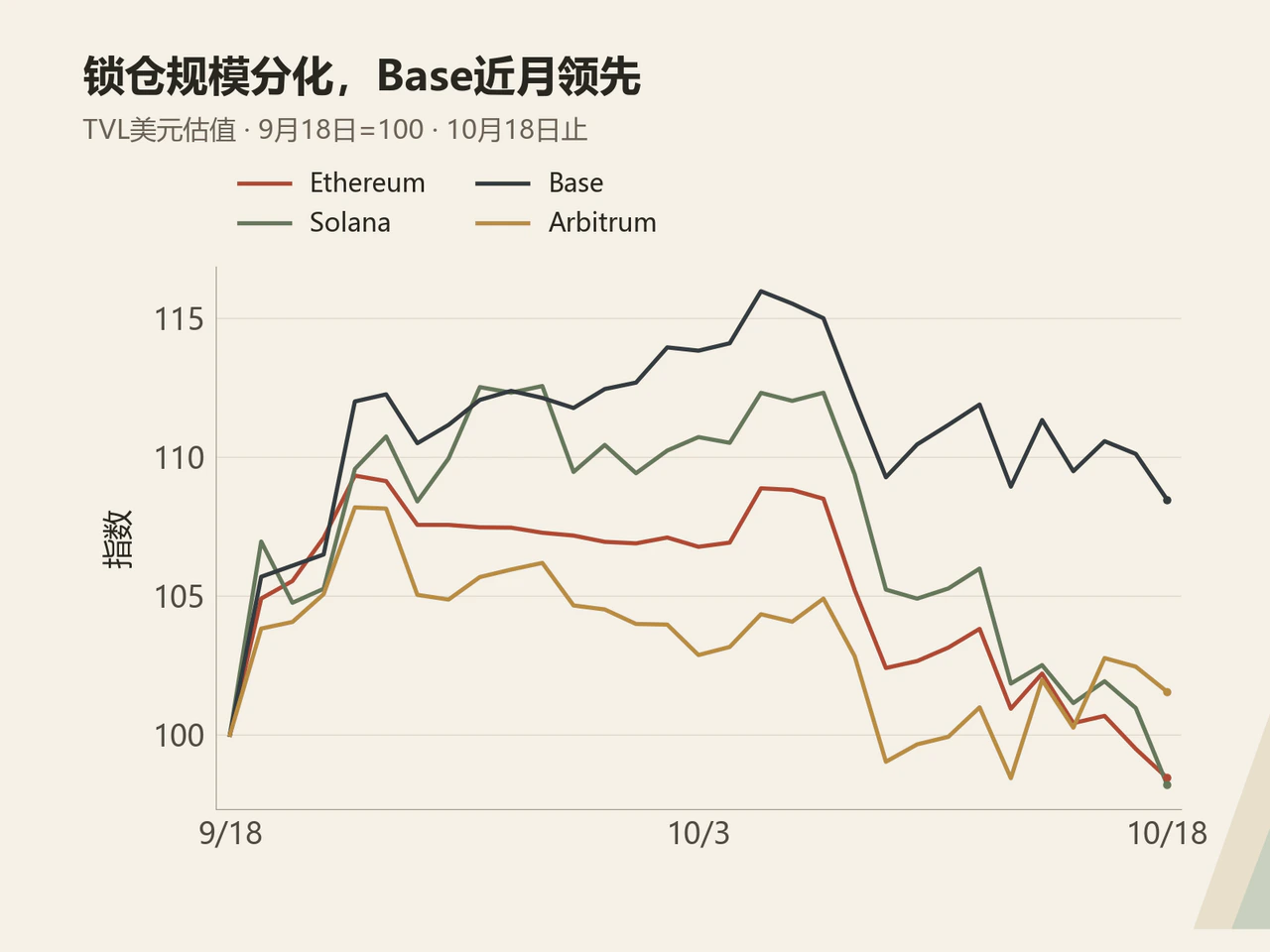
Locked value diverged from trading volume. As of October 18, industry-wide total value locked (TVL) tracked by DefiLlama was approximately $87.886 billion, down 3.94% from October 11. Most major networks declined: Ethereum fell 4.55% to $49.048 billion, Solana 6.71% to $5.767 billion and Base 2.42% to $6.051 billion. Arbitrum alone edged up 1.62% to $1.391 billion. Dollar-denominated TVL reflects both underlying asset prices and deposited or withdrawn quantities, so a one-week change cannot be equated directly with net capital migration. Over the latest month, relative to September 18, Base TVL rose 8.47%, while Ethereum and Solana fell 1.55% and 1.79%. Base's weekly decline thus followed a month of expansion, while Solana's trading activity recovered ahead of its locked value.
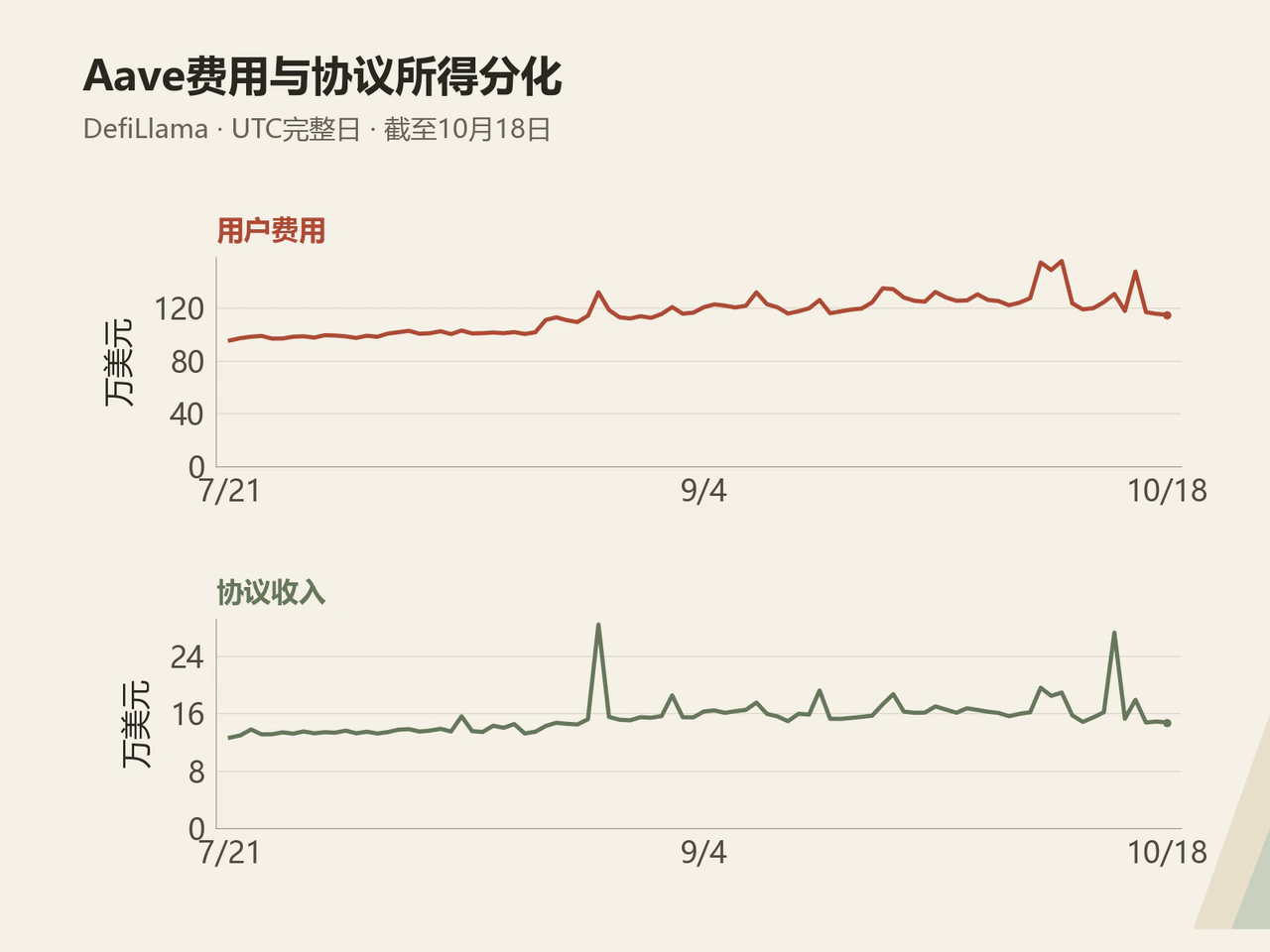
Lending also showed a gap between business activity and protocol retention. At leading lending protocol Aave, weekly user-paid fees were $8.6653 million, down 8.52%, but protocol revenue rose 1.55% to $1.2106 million. Under DefiLlama's definitions, user fees encompass all borrowing and service expenditures, while protocol revenue is the amount retained after liquidity-provider (LP) distributions. Governance and operating expenditure must then be accounted for before it can become a return to token holders.
USDG expands into layer-2 incentives and corporate payments; tokenized-stock collateral on Solana exceeds $65 million
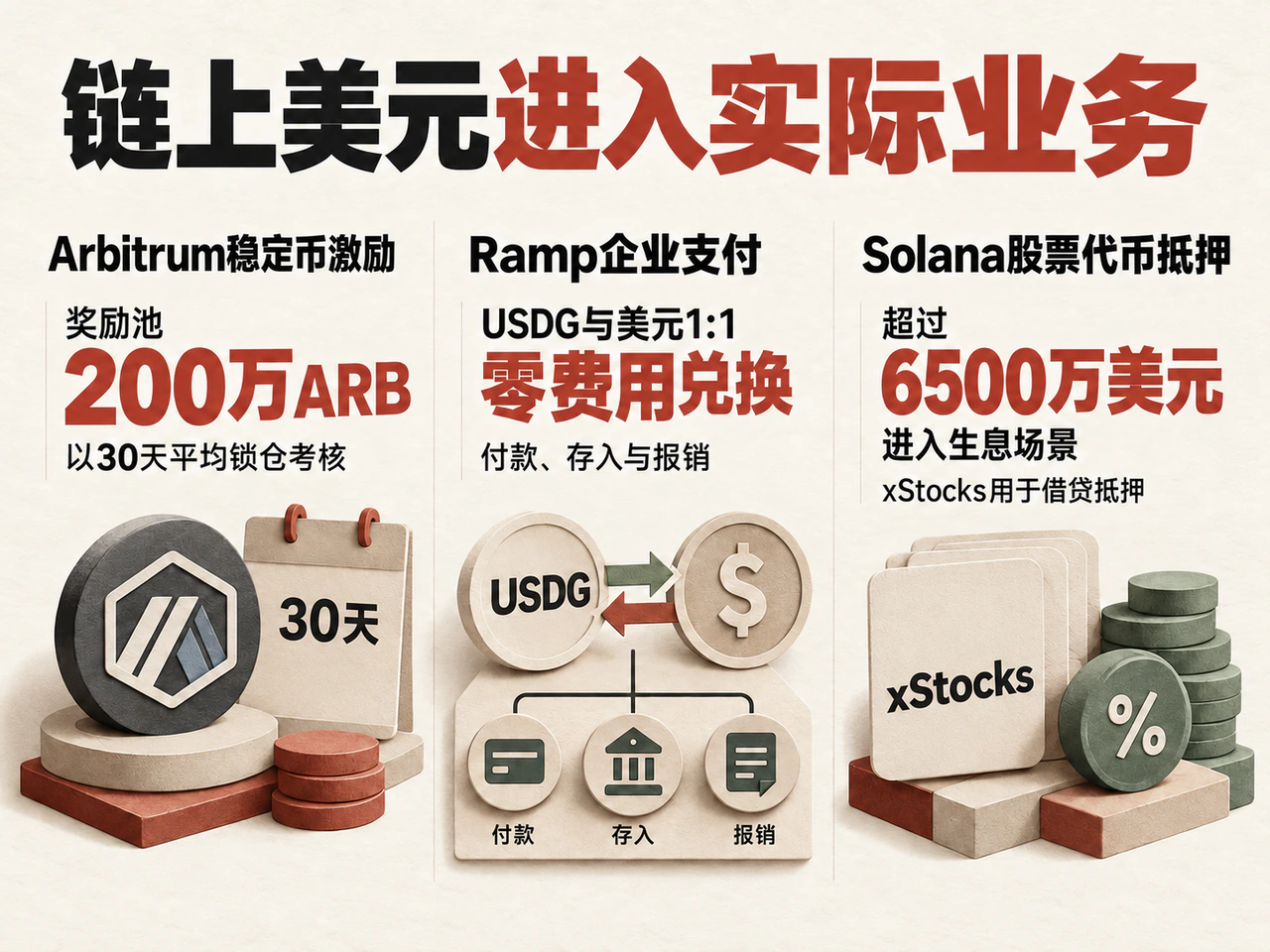
Competition for stablecoin and tokenized-asset capital advanced alongside practical adoption this week. On October 15, Arbitrum launched a stablecoin growth program with a 2 million ARB reward pool for applications using USDG as their principal stablecoin. Applicants must have a live product, audited contracts and at least $1 million in stablecoin balances. The first ten teams to reach $10 million in USDG locked value, measured as a 30-day average, each receive 200,000 ARB. The 30-day test helps discourage short-lived balance inflation, but whether lending, trading and payment demand can generate fees organically after subsidies taper remains to be seen. Arbitrum's weekly TVL growth coincided with the announcement, but the program's actual effect on attracting funds requires subsequent data.
Payment firms are trying to embed stablecoins directly into everyday corporate finance. Solana Compass reported that engineers at treasury-management platform Ramp announced support on October 16 for USDG on Solana, with fee-free 1:1 dollar/USDG conversion for vendor payments, deposits and employee reimbursements. This extends stablecoins from trading-account balances to corporate accounts payable, attracting actual use through payment efficiency. Which part of the chain captures revenue from new transaction flows will still depend on fee arrangements among wallets, payment providers and the settlement network.
In lending, RWA is becoming a new source of collateral-based financing. Castle Labs research published October 15 found that more than $65 million of tokenized stocks on Solana had entered yield-generating uses, primarily xStocks posted as collateral in Kamino and Jupiter Lend. Bringing bond, credit and equity tokens into lending allows holders to obtain on-chain liquidity while retaining underlying exposure, but repeated collateralization can also amplify leverage. Whether the business generates sustained real fees ultimately depends on the balance among underlying asset yields, on-chain borrowing costs and collateral liquidation risk.
Click Read Original for full details.