By the morning of October 24 Beijing time, the latest U.S. business and consumer surveys showed a slightly slower expansion alongside stronger corporate pricing power and rising household inflation expectations. The Federal Reserve had raised rates by 25 basis points in September, taking the federal funds target range to 3.75%–4.00%. The flash PMI and final University of Michigan consumer survey released on October 23 added support for maintaining pressure against inflation at the following week’s meeting.
October composite PMI reaches 57.6; business selling prices rise at their fastest pace since August 2022
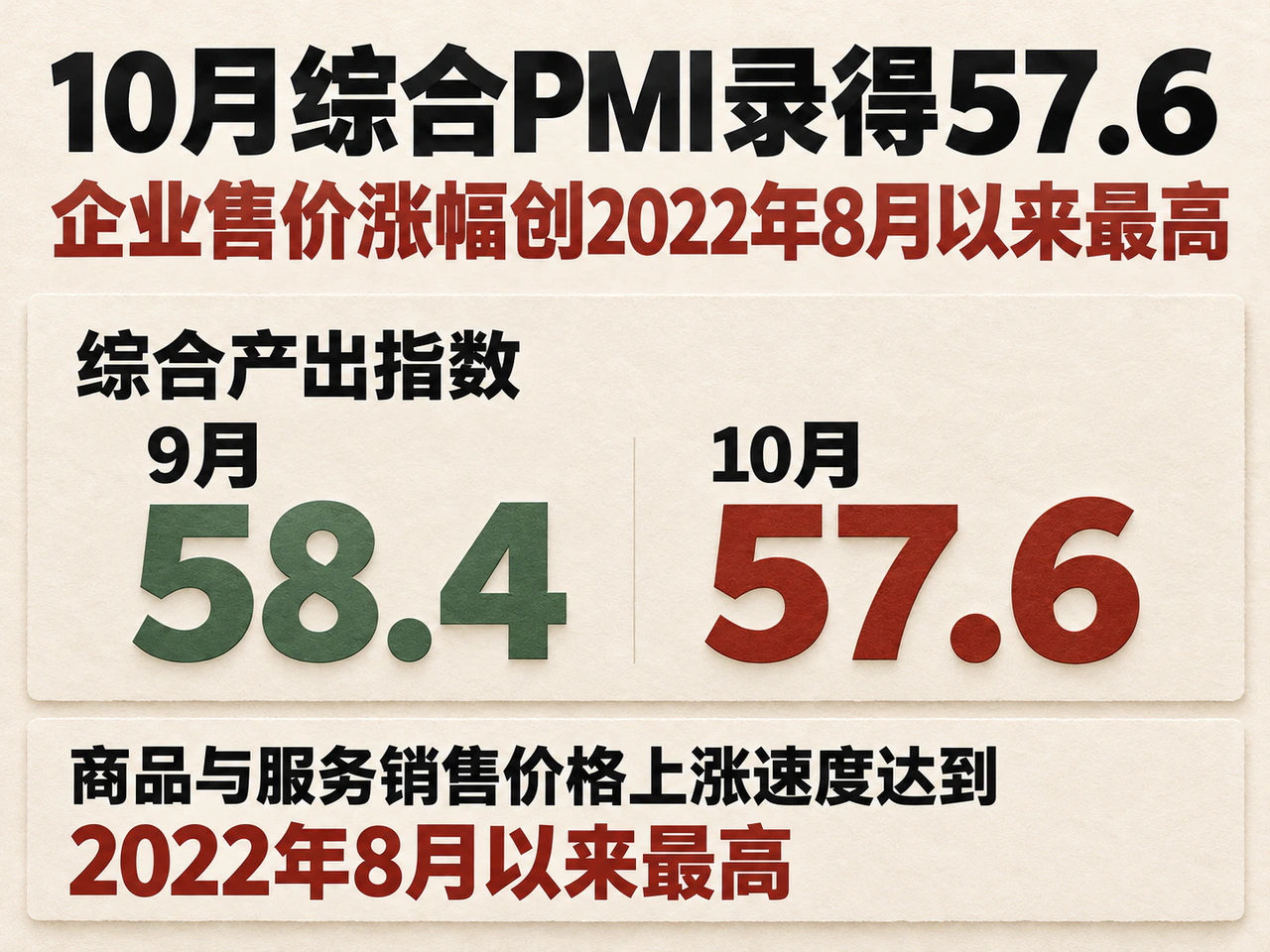
S&P Global’s October composite output index eased from September’s 58.4 to 57.6, while the services activity index fell from 58.8 to 57.9. Both remained well above the 50 expansion threshold, and composite output still grew at its second-fastest pace since March 2022. The manufacturing PMI rose from 55.9 to 56.0, indicating further improvement in operating conditions. Employment continued to rise, with manufacturing hiring growing at its fastest rate since March 2012.
The modest decline in output indices did not indicate a marked weakening of demand, and business cost pass-through remained strong. S&P Global said goods and services selling prices rose at their fastest pace since August 2022, with both manufacturing and services accelerating price increases. Strong new orders and hiring, higher oil, transport and other input costs, supply bottlenecks and backlogs made it easier to pass cost pressure to customers. For the Fed, pass-through supported by resilient demand kept the task of restraining inflation prominent.
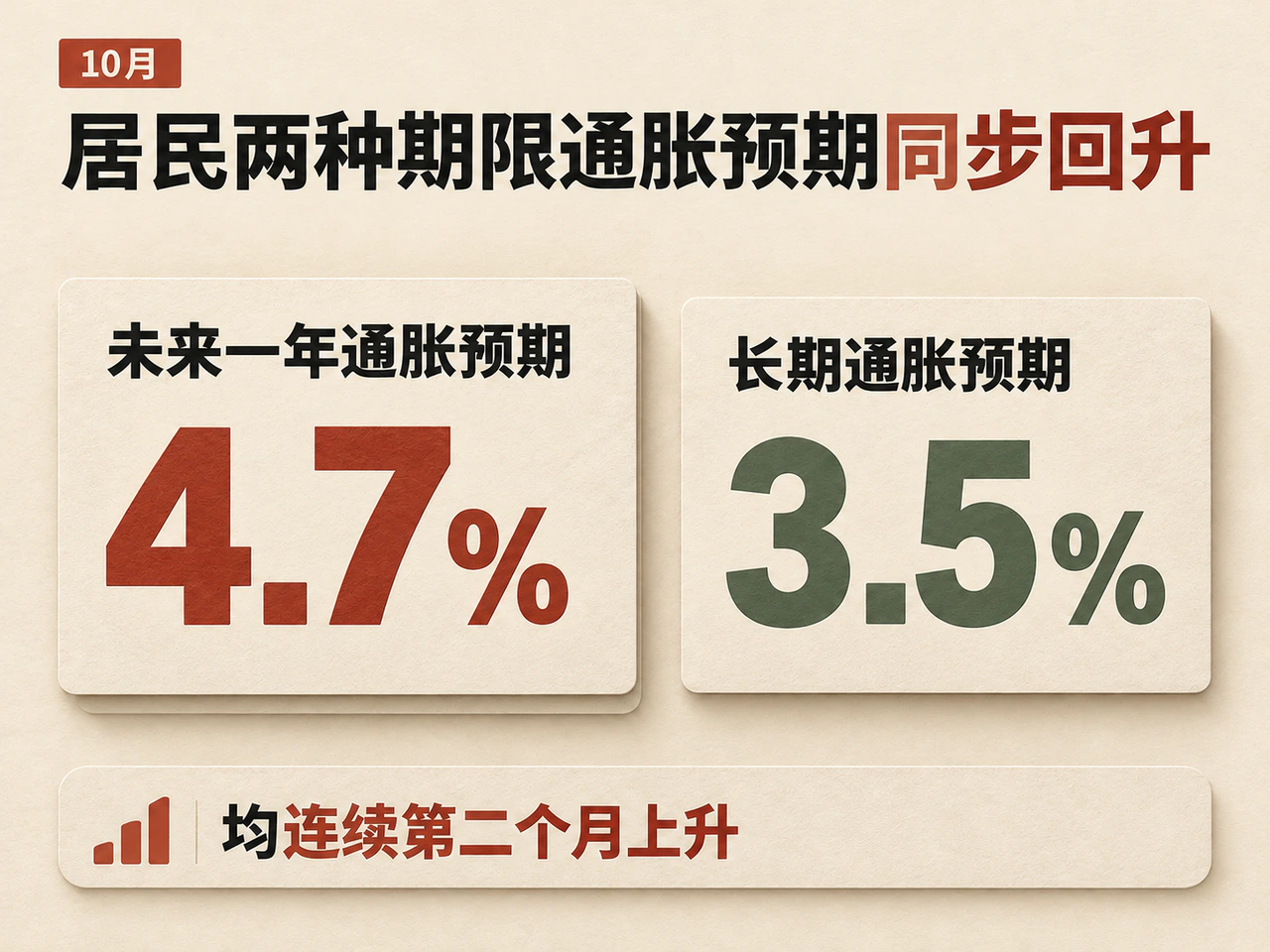
Michigan inflation expectations rise to 4.7% and 3.5%; pressure to fight inflation persists ahead of the meeting
The final October University of Michigan consumer sentiment reading released the same day was 48.0, essentially unchanged from 48.1 in September. The current economic conditions index fell from 50.9 to 46.7. The survey attributed that decline to worse buying conditions for durable goods, as high interest rates and affordability concerns depressed household assessments.
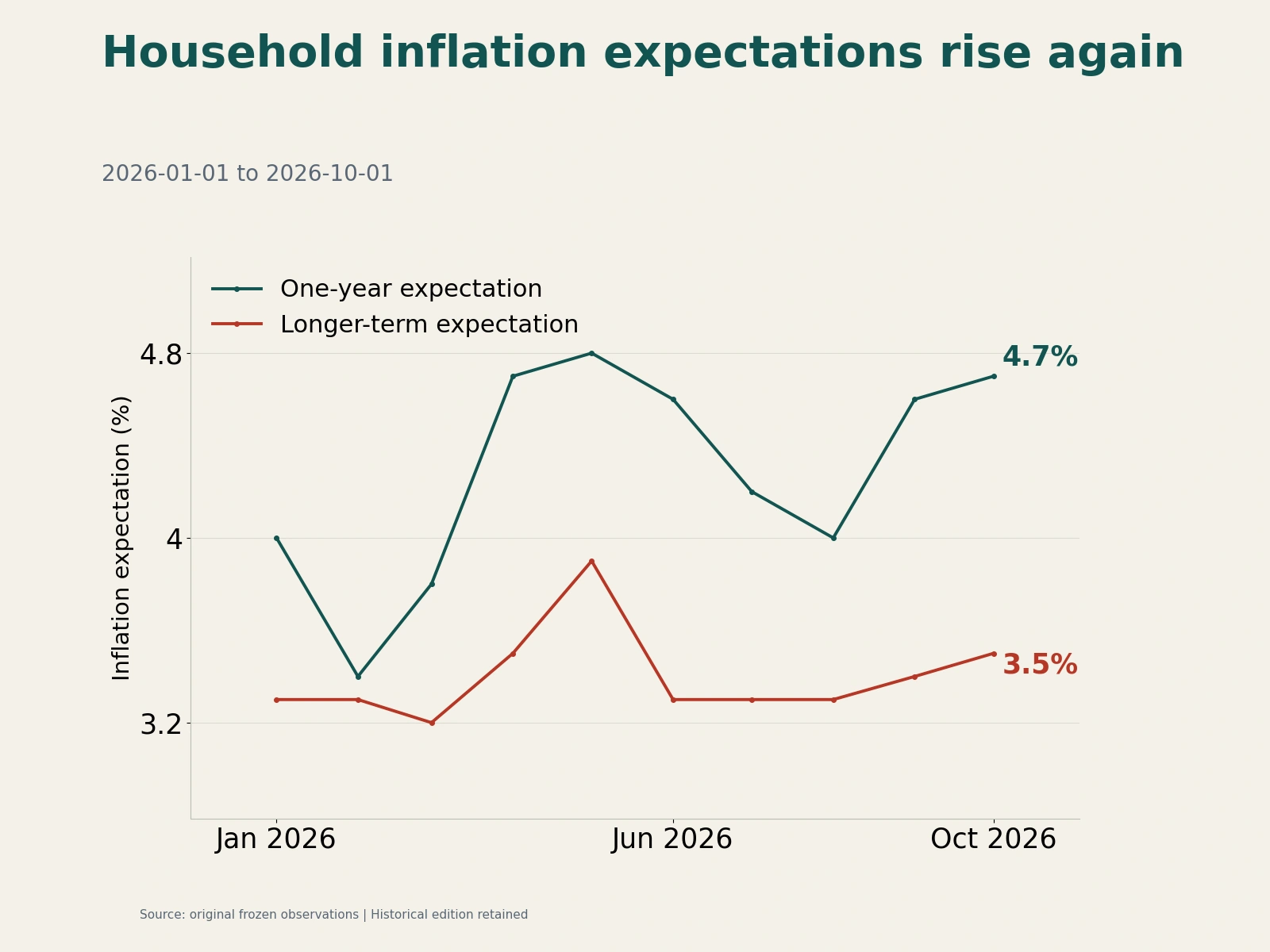
Household inflation expectations continued to rise. October one-year expectations increased from 4.6% to 4.7%, and long-term expectations rose from 3.4% to 3.5%, both for a second consecutive month. Over the year, one-year expectations had risen from 3.4% in February to 4.8% in May, fallen to 4.0% in August and then turned higher again. Long-term expectations also increased from 3.3% in August to 3.5% in October.
A Michigan thematic report released the same day said repeated supply shocks could gradually entrench higher inflation expectations. If consumers brought purchases forward to avoid future increases, precautionary spending could in turn support current demand. That risk was consistent with the simultaneous strengthening of orders and pricing in business surveys, making weak consumer sentiment alone an insufficient basis for a policy turn.
The Fed’s next meeting was scheduled for October 27–28. Reuters reported on October 23 that surveyed economists expected rates to remain unchanged at that meeting and to rise again in December. Waiting for more data would allow policymakers to assess transmission of the September increase, while the latest surveys supported continued vigilance about inflation persistence. The next questions were how the October 28 statement would balance resilient demand against household burdens, and whether the final manufacturing PMI on November 2 and services PMI on November 4 would confirm the signals from business prices and orders.


