During October 19–25, the Federal Reserve was in its October 17–29 pre-meeting communications blackout. With no fresh comments from officials, economic data and institutional surveys drove policy expectations. Markets broadly expected rates to remain unchanged at the October 27–28 meeting, while views increasingly converged on a resumption of increases in December. Purchasing managers’ and consumer surveys released during the week showed that business orders and pricing power remained strong and household inflation expectations were rising, providing support for further tightening toward year-end.
On the morning of October 26 Beijing time, the federal funds target range remained 3.75%–4.00%. The Fed had raised the range by 25 basis points on September 16.
Nine in ten respondents expect an October pause; a December hike becomes the unanimous forecast

A Reuters survey published on October 20 found that 94 of the 100 economists polled during October 16–20 expected the Fed to leave rates unchanged at its October meeting. All 100 expected another increase in December, compared with fewer than half in the previous month’s poll. The main disagreement concerned the total tightening still to come: of 92 economists answering the question about the terminal rate, 38 expected at least two further increases.
This combination shifted the policy debate beyond the October meeting to the broader tightening path. A pause in October would give policymakers time to observe the economy, while the rapid convergence around a December hike reflected a stronger conviction among market economists that inflation would prove persistent. During a blackout with no new policy guidance, the ability of incoming data to support further increases was more informative than changes in the wording of officials’ earlier remarks.
October composite PMI selling prices rise at the fastest pace in over three years; short- and long-term inflation expectations increase for a second month
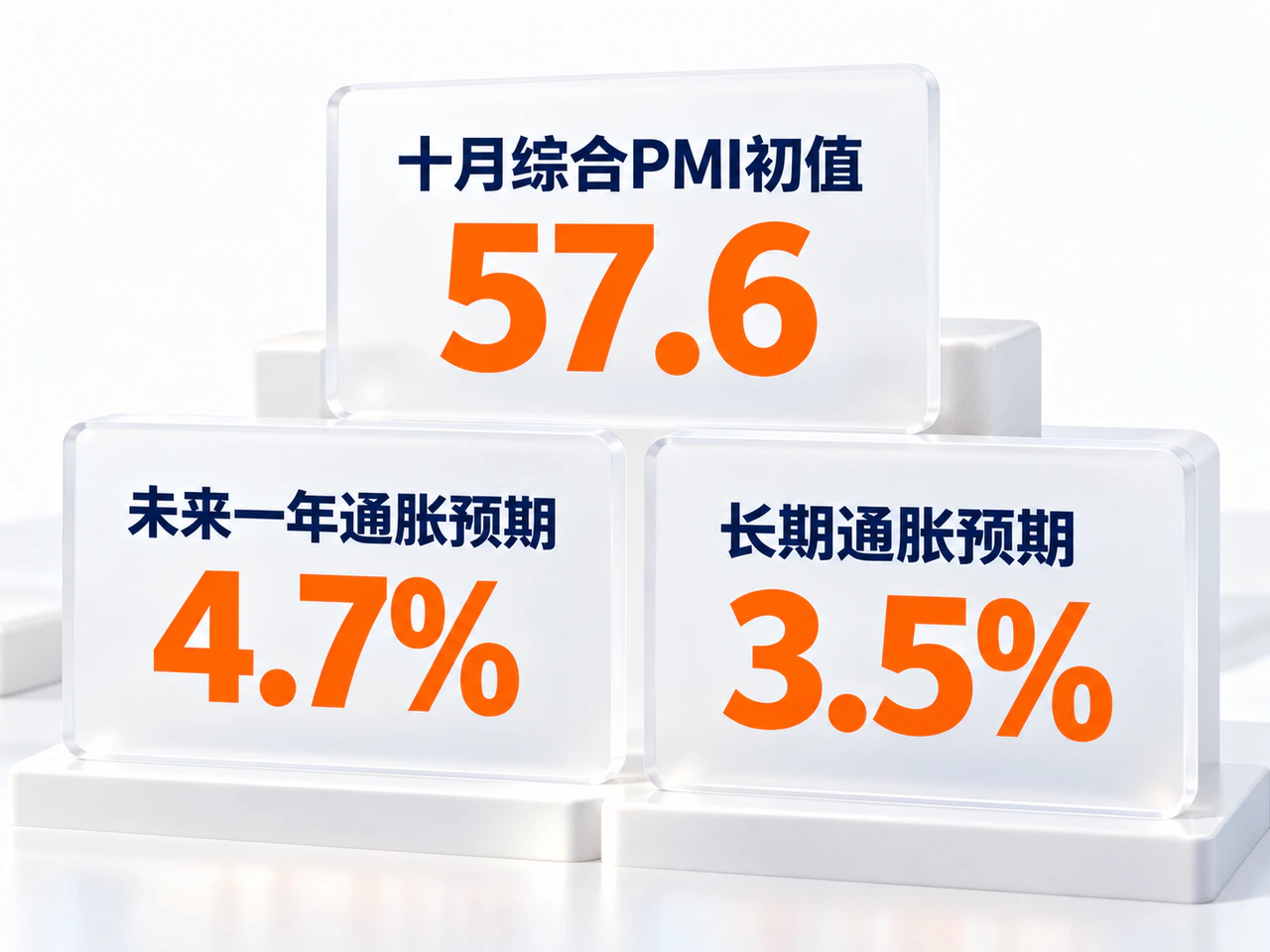
The flash S&P Global U.S. composite PMI released on October 23 fell to 57.6 in October from 58.4 in September, remaining well above the 50 threshold separating expansion from contraction. Output growth slowed slightly, but new orders grew at their fastest pace in five and a half years. Backlogs and delivery delays made it easier for firms to pass costs downstream, and combined goods and services selling prices rose at their fastest rate since August 2022. For the Fed, the pressure came from strong costs and demand at the same time. Higher energy and transport costs, ample orders and capacity constraints were more readily feeding into the prices consumers ultimately pay. That transmission would directly affect policymakers’ assessment of inflation persistence.
The final University of Michigan consumer survey released the same day reinforced the picture of rising price expectations. One-year household inflation expectations increased to 4.7% from September’s 4.6%, and long-term expectations rose to 3.5% from 3.4%. Both increased for a second consecutive month and reached their highest levels since May. Short-term expectations are readily influenced by frequently purchased items such as gasoline; the simultaneous rise in long-term expectations would heighten the Fed’s concern about persistent inflation.
Initial claims fall to 194,000 as high prices and interest rates weigh on durable-goods purchases
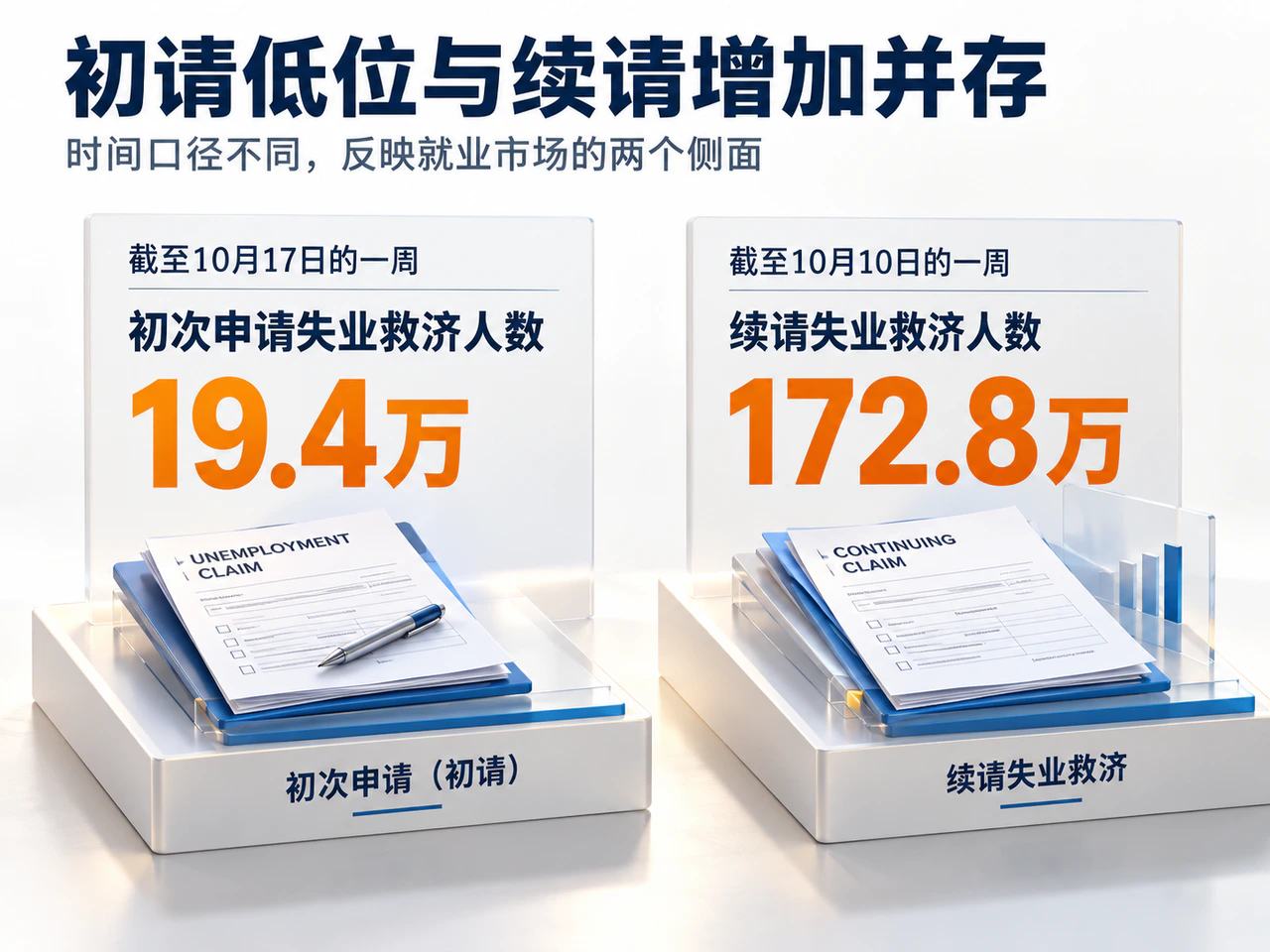
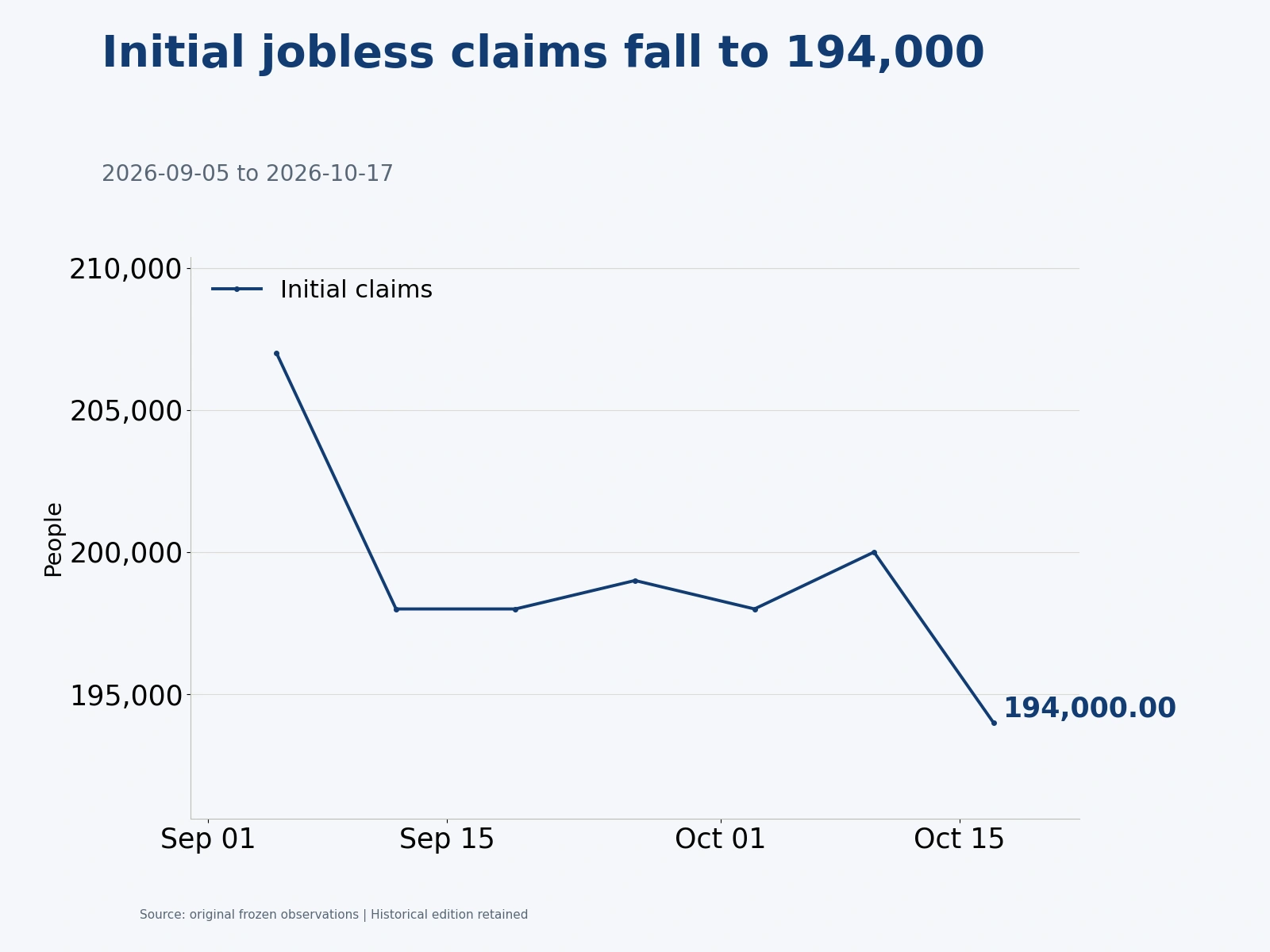
The labor market remained resilient overall, but new unemployment and re-employment diverged. Labor Department data released on October 22 showed seasonally adjusted initial jobless claims of 194,000 for the week ended October 17, down 6,000 from the revised previous week. The four-week average fell to 197,750. Layoffs had yet to increase broadly, leaving monetary policy room to keep addressing inflation. However, continuing claims for the week ended October 10 rose by 25,000 to 1.728 million, suggesting that people already unemployed were returning to work more slowly.
Signs of strain also appeared in household demand. The University of Michigan’s October consumer sentiment index was 48.0, essentially unchanged from 48.1 in September, but its current economic conditions index fell sharply from 50.9 to 46.7. The survey attributed the deterioration to worse buying conditions for durable goods, with respondents particularly concerned about rising interest rates and affordability. This illustrated the Fed’s trade-off between continuing to fight inflation and controlling the pace of rate increases: business demand and pricing power remained strong, while households were already feeling high prices and financing costs more acutely.
Third-quarter GDP and September PCE follow the rate decision, putting year-end tightening expectations to the test
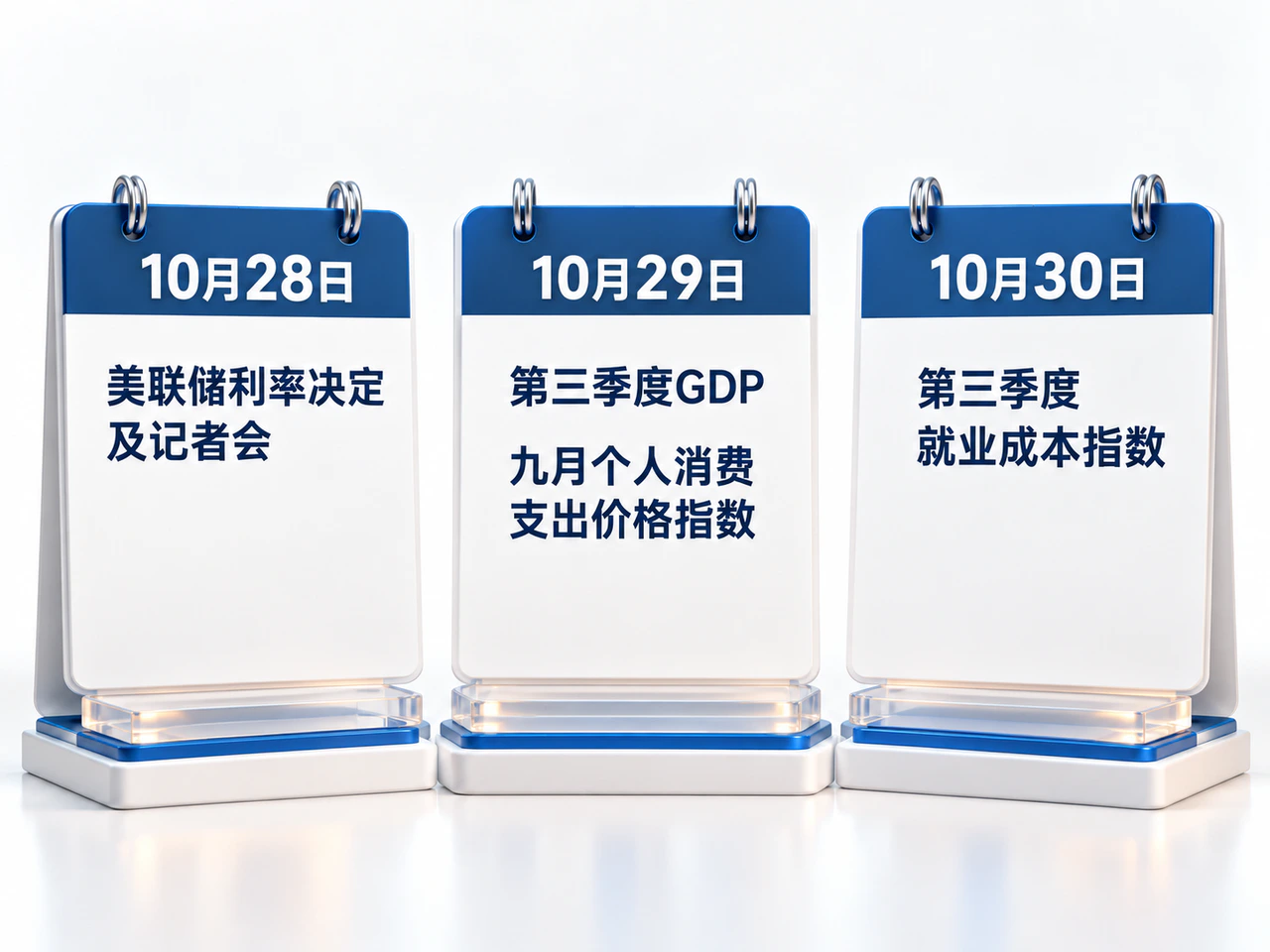
Three scheduled events were central to assessing the subsequent tightening path: the Fed’s rate decision and press conference on October 28; third-quarter GDP and September personal consumption expenditures price inflation, or PCE, on October 29; and the third-quarter Employment Cost Index on October 30. GDP and spending data would test the strength of demand, while PCE and employment costs would help show whether price pressure was continuing to spread into services and wages.
Because GDP and PCE were scheduled after the rate decision, expectations for the year-end policy path would soon face new data even if the Fed left rates unchanged in October as anticipated. Across the October 19–25 week, the U.S. economy combined resilient growth and broadening price pressure with more evident strains on some households and unemployed workers. Whether the Fed raised rates in December, and how much additional tightening followed, would depend on the joint evolution of disinflation and the labor market’s capacity to withstand tighter policy.


