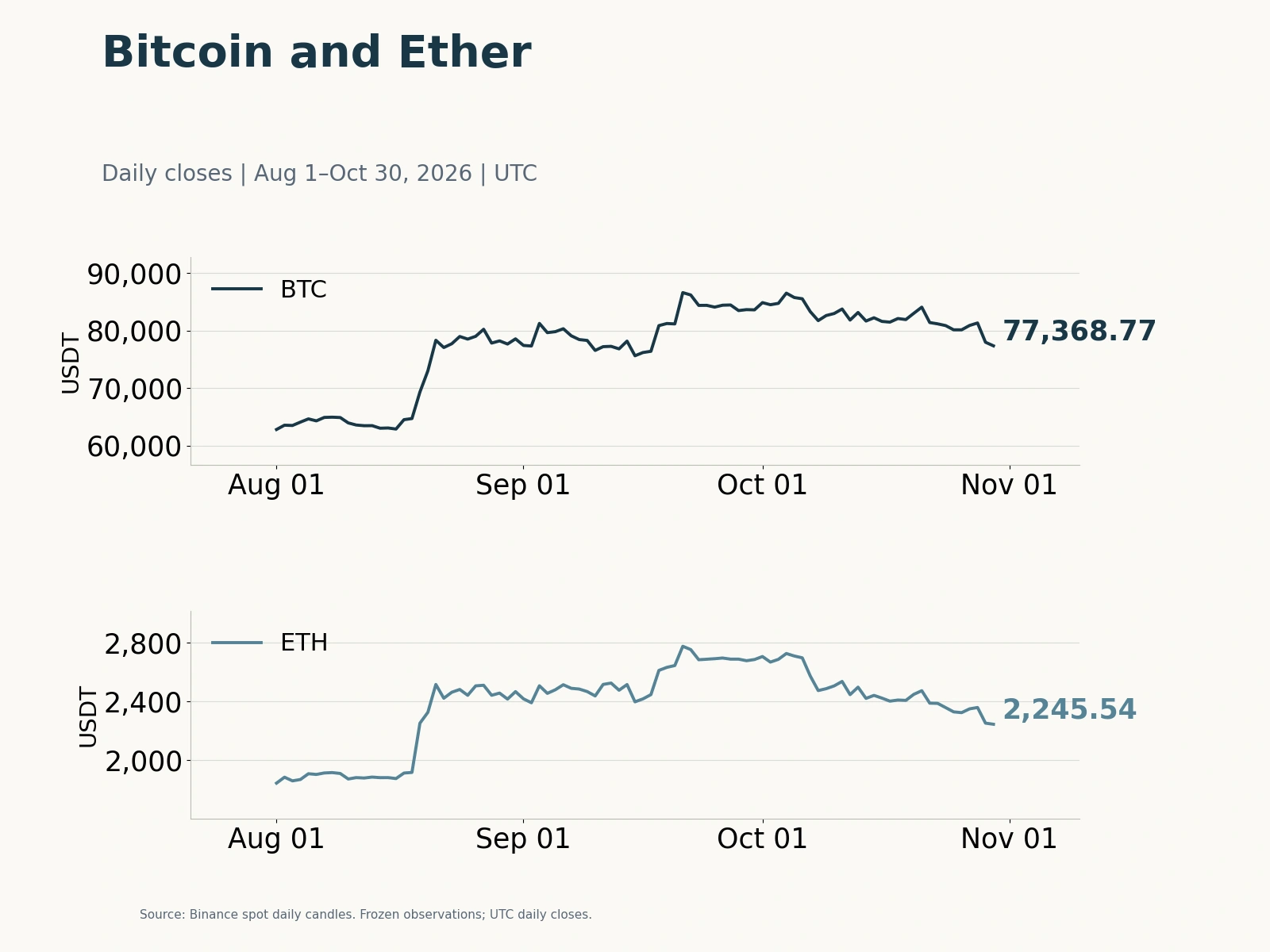
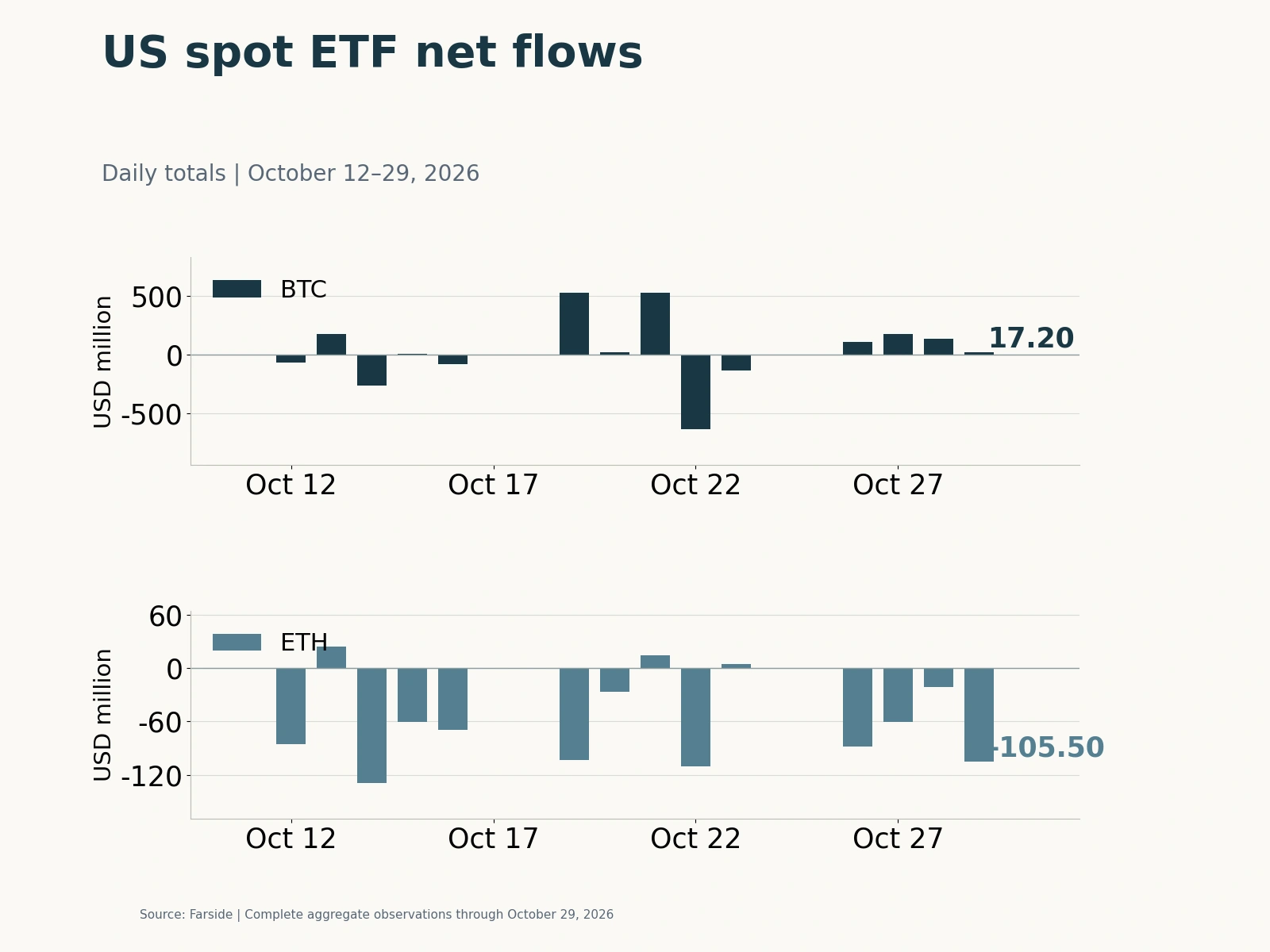
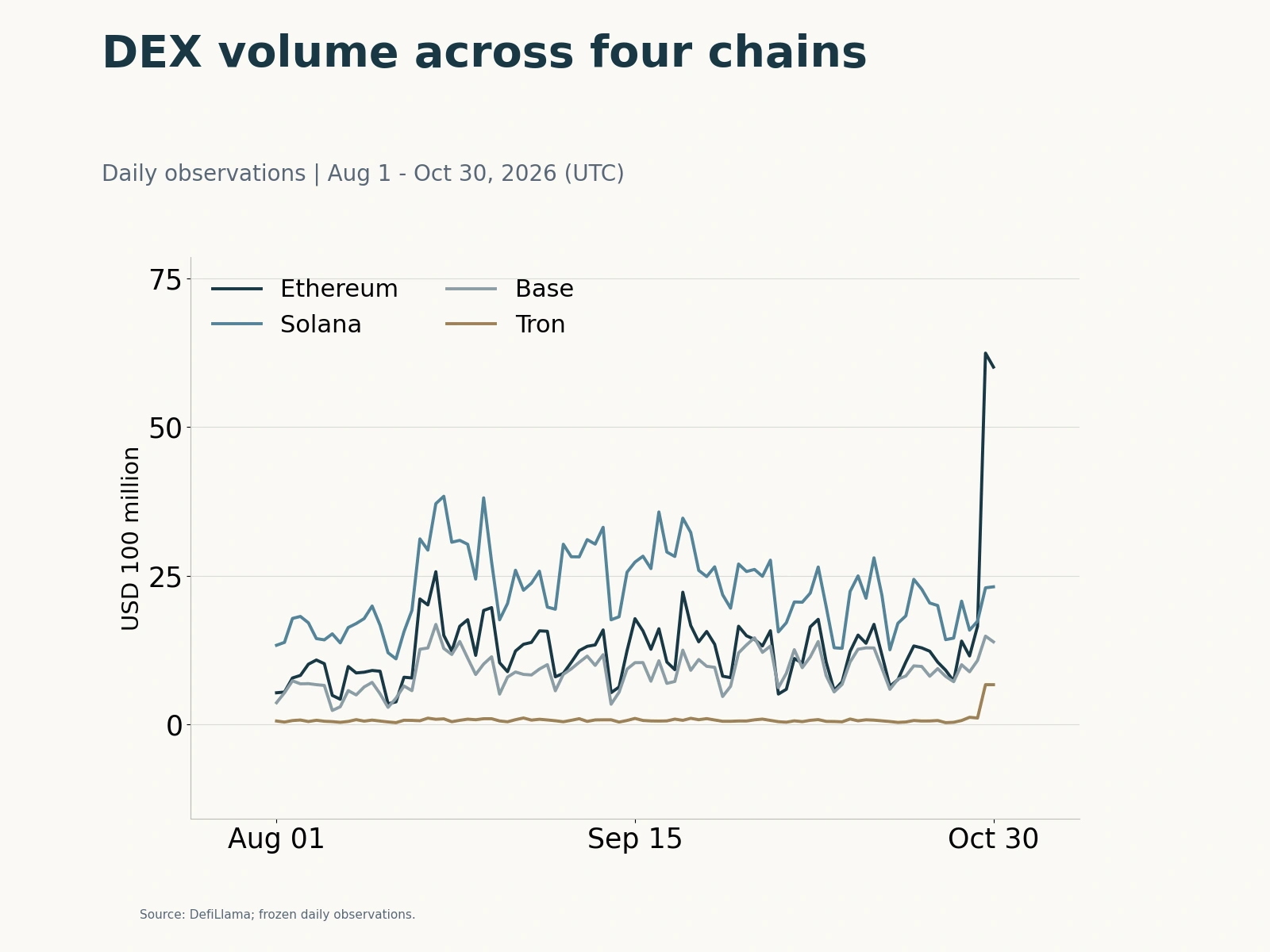
On October 30, 2026, a forum address published by Hong Kong’s Financial Services and the Treasury Bureau confirmed that two licensed, bank-backed institutions had launched regulated stablecoins. The bureau also reiterated plans to introduce an amendment bill before year-end covering virtual asset dealing, custody, advisory and management services. On the same day, US discussion of the Binance security incident brought customer asset protection at trading platforms and the scope of federal regulatory authority into sharper focus.
The two jurisdictions are at different stages of regulatory development, but they face the same question: assets can move on-chain, yet responsibility for holding, safeguarding and handling them must still rest with identifiable institutions.
Hong Kong’s stablecoins reach the product stage, with licensing set to expand to dealing and custody
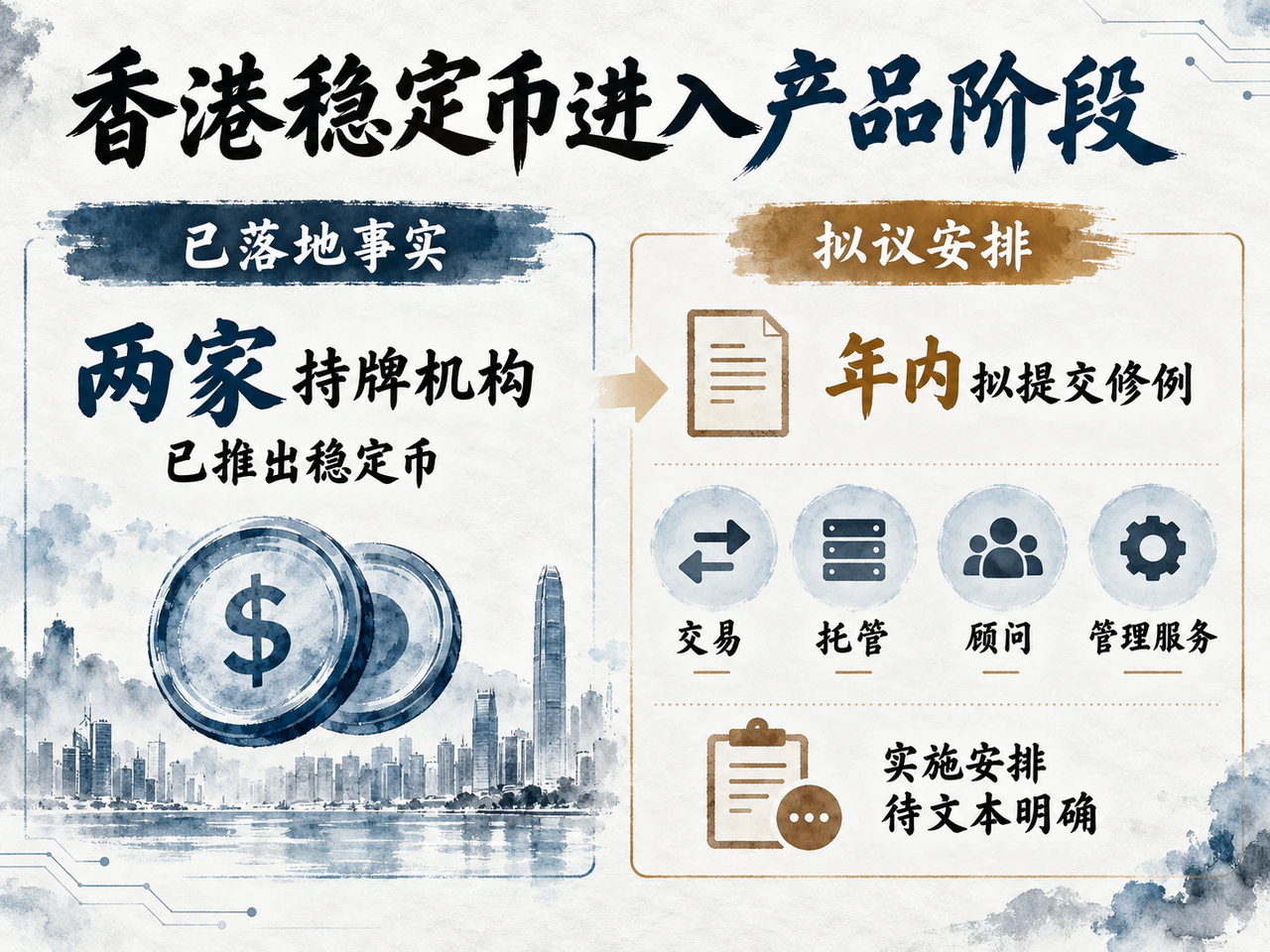
The key development in Hong Kong’s latest disclosure is that stablecoin businesses have moved from licensing to product launches. On April 10, the Hong Kong Monetary Authority issued the first licences to HSBC and Anchorpoint Financial. At the time, it required issuers to complete system testing, risk-management preparations and staffing arrangements before launching, with products expected to arrive from midyear into the second half. The official statement on October 30 confirmed that stablecoin businesses had now taken that step into live operation.
An issuance licence is only the starting point in the business chain. The HKMA previously identified potential uses including cross-border payments, domestic payments, settlement of tokenised asset transactions and programmable payments. Licensing determines which issuers may enter the market; payment networks, merchant acceptance and asset-trading use cases determine whether tokens will see sustained use. After launch, their commercial value still has to be demonstrated through actual demand for payments and settlement.
The proposed expansion of licensing would cover more of the activities through which customers access digital assets. Dealing services shape price formation and execution; custody services safeguard assets; and advisory and management services involve investment judgment and fiduciary duties. Bringing these activities separately within the regulatory framework would help financial institutions design products and select partners according to their functions, while making service providers’ compliance boundaries clearer.
However, introducing an amendment bill before year-end remains a legislative plan. Specific obligations, transitional arrangements and commencement dates await clarification in subsequent texts. Institutions can use the plan to prepare their business structures, but their competitive strengths at this stage still come from licences already secured, operational systems and customer-service capabilities. Hong Kong’s approach is therefore fairly clear: start with issuance, then progressively complete the supporting regimes for dealing, custody, and advisory and management services.
The Binance incident renews US debate over exchange registration and customer asset segregation
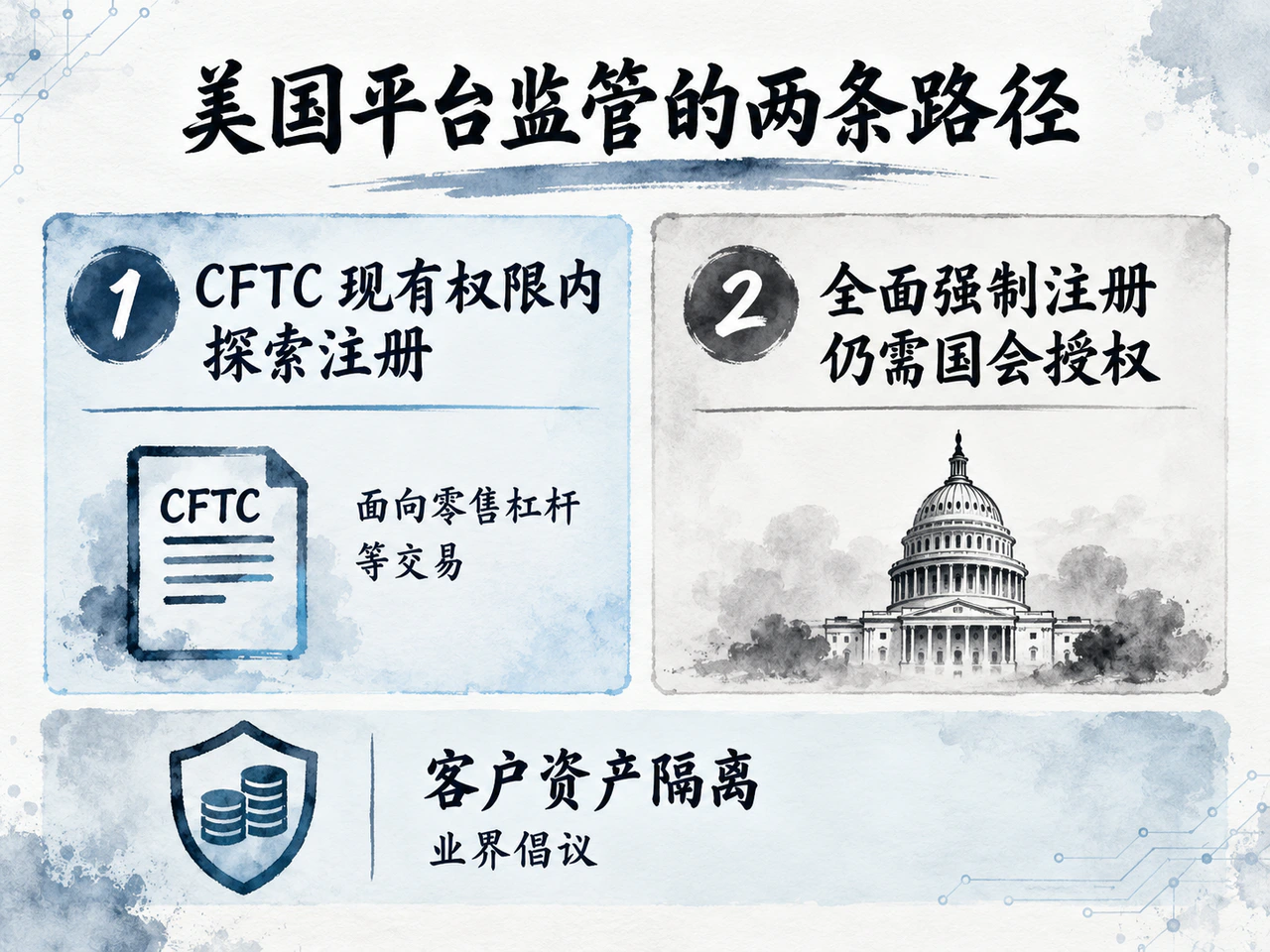
According to The Block, Michael Selig, chairman of the US Commodity Futures Trading Commission (CFTC), linked the Binance incident in an October 30 television interview to the absence of US federal market oversight of offshore exchanges. Industry association The Digital Chamber wrote to congressional leaders the same day, calling for the CFTC to be given authority over crypto exchanges as soon as possible and for stronger segregation of customer assets from company assets in bankruptcy proceedings.
The US regulatory debate concerns not only whether to regulate, but also where the authority would come from. On October 5, the CFTC issued an advance notice seeking comment on a federal registration pathway, under existing law, for platforms offering retail customers leveraged, margined or financed transactions. In an official speech that day, Selig also said that requiring all crypto exchanges to register with the CFTC would still need congressional authorisation. An agency exploring registration arrangements within its existing powers and Congress expanding statutory authority are two distinct paths.
The Binance security incident makes these distinctions more concrete. According to company information reported by the Associated Press on October 30, preliminary accounts involved unauthorised withdrawals following the compromise of employee devices. Stablecoin issuers, law enforcement agencies and on-chain investigators had already become involved in freezing and tracing assets. Freezing assets after an incident can help limit further transfers; transaction-permission management, customer asset segregation and cybersecurity controls seek to prevent assets from being lost in the first place. These measures operate at different stages and cannot substitute for one another.
Supporters of legislation see the incident as a reason to accelerate market-structure legislation, but disagreements remain over temporary freezing powers and the scope of legal protections. For institutions, the more immediate operational change may be closer customer scrutiny of custody arrangements rather than rules taking effect at once: who controls withdrawal permissions, how assets are segregated, who bears losses after an incident, and how freezing, recovery efforts and service restoration fit together.
Both Hong Kong’s launched stablecoin products and the trading-platform rules still under discussion in the US are pushing digital asset businesses towards a clearer division of responsibilities. The next question is whether Hong Kong’s amendment text, formal US rules and institutions’ implementation arrangements can fit together. Only when responsibilities for issuance, trading, custody and incident response are put into practice can efficient movement of on-chain assets coexist with customer asset protection.
Click “Read the original” for more details.